 Monster Hunter Wilds
Monster Hunter Wilds DLC & Expansions: Release Dates & Content
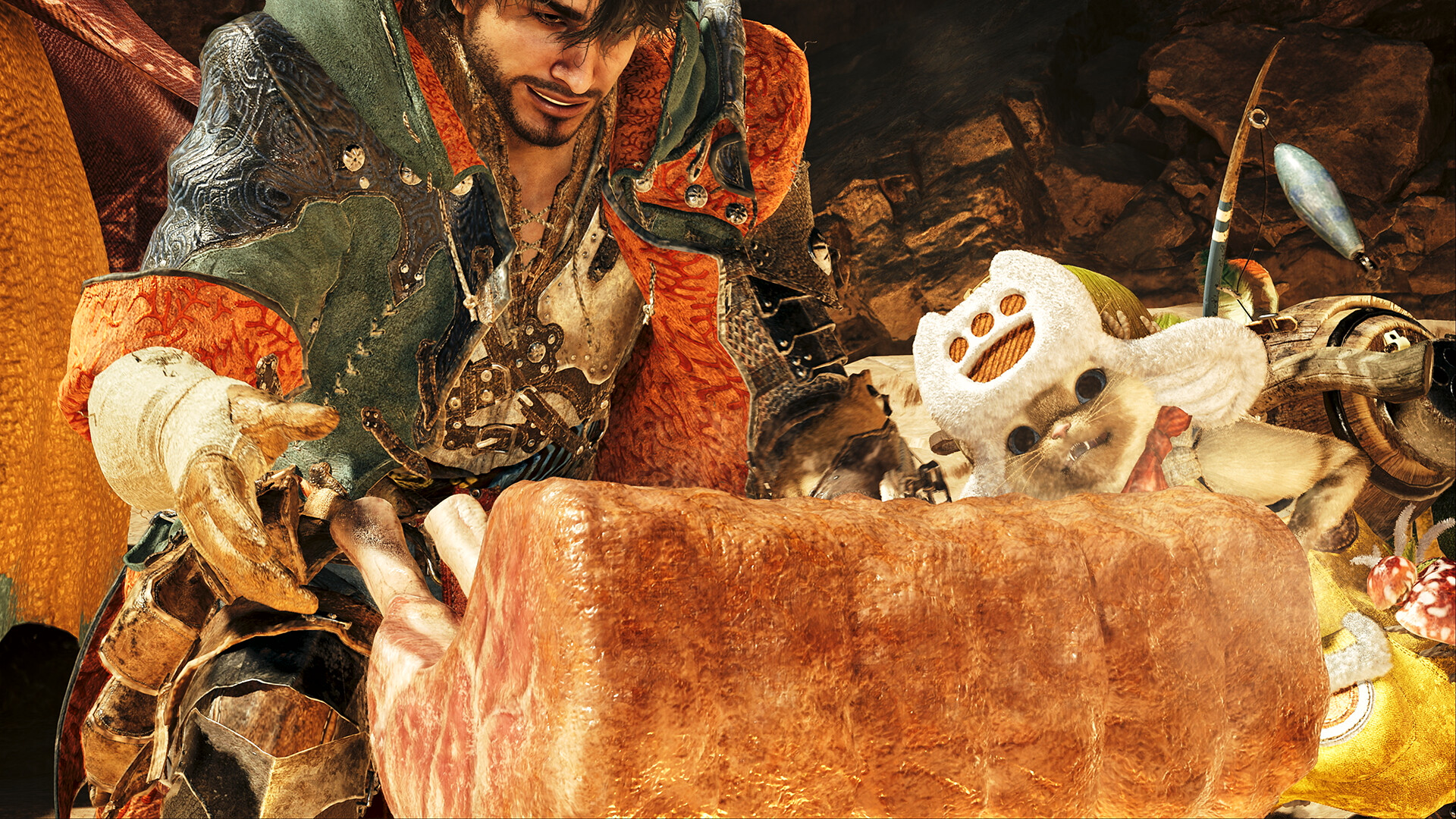
What this guide covers: the early loop, what to do first, what to save, and how to know when you are no longer a beginner in Monster Hunter Wilds.
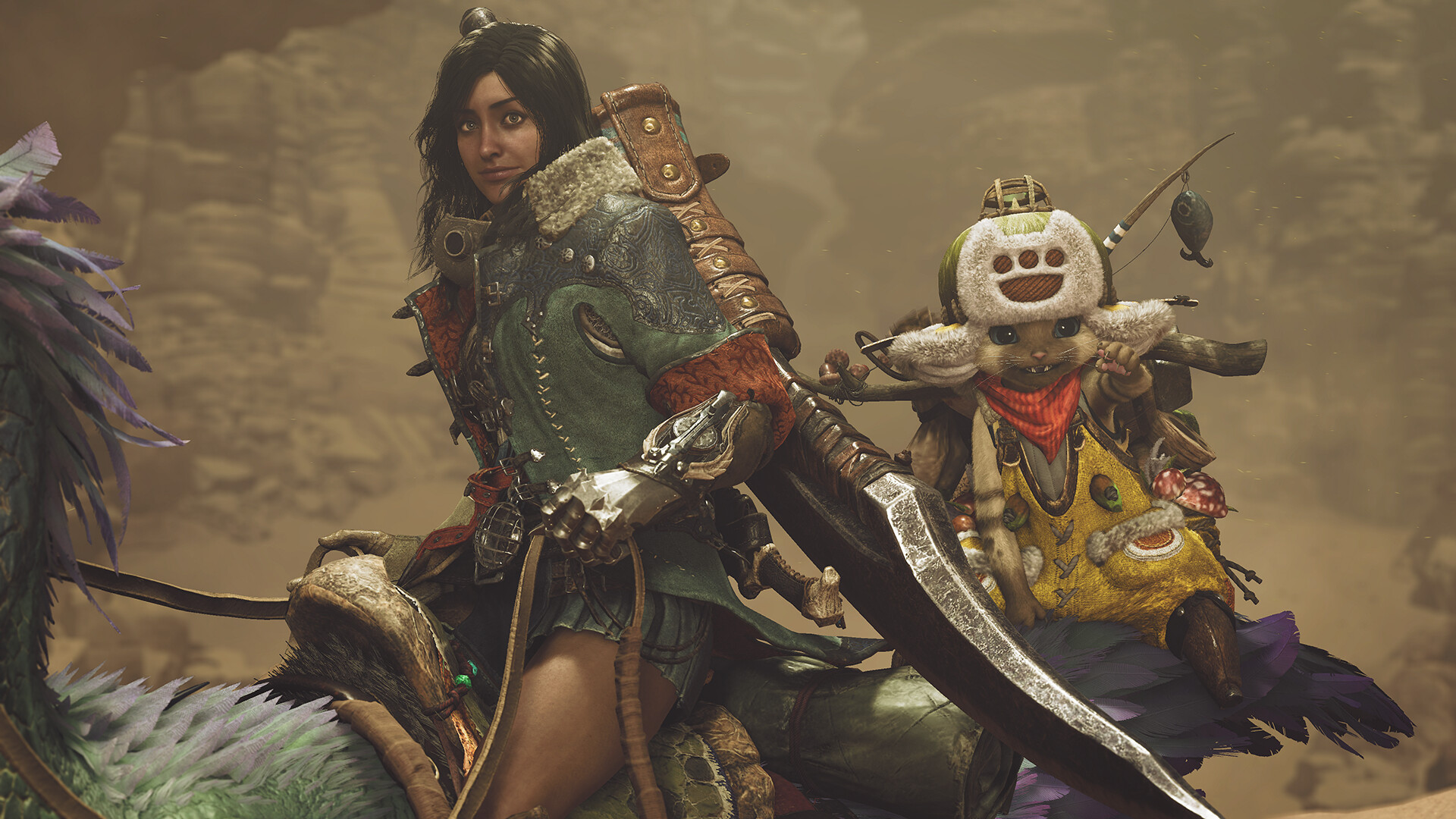
Monster Hunter Wilds builds on the series’ familiar hunt-and-upgrade rhythm, while pushing the world toward a more reactive, shifting-state feel. Capcom describes it as a world where “the unbridled force of nature runs wild and relentless, with environments transforming drastically from one moment to the next” Source. It is also a direct successor to Monster Hunter: World, released worldwide on February 28, 2025 for PlayStation 5, Windows, and Xbox Series X/S with cross-platform play Source.
For a new player, the good news is simple: you do not need to master every weapon, system, or optimization layer on day one. You need a clean first-hour plan, a sane resource strategy, and a way to avoid wasting time on habits that feel efficient but are not.
What You Need to Know First
Monster Hunter Wilds is not a traditional action RPG where levels carry you. Your real power comes from three things: weapon familiarity, armor skills, and hunt discipline. If you feel weak early on, that is normal. Progress is usually about better decisions, not brute force.
The most important beginner mindset is this: hunt failures are information. If a monster is two-shotting you, that usually means your positioning, healing timing, or gear choice needs adjustment. Do not treat every cart as a gear check. Many early problems are mechanical.
The other key point is that Monster Hunter Wilds expansion discussions can easily distract new players. If you are just starting, ignore long-term speculation and focus on the base game’s loop. Expansion content, balance shifts, and new systems matter later. Right now, your job is to build fundamentals that will still be useful after the next wave of content.
Core Mechanics That Matter Early
Learn one weapon properly
Do not bounce between five weapons in your first sessions. Pick one that matches how you want to think during hunts:
- Fast and reactive: Dual Blades, Sword and Shield
- Methodical and heavy-hitting: Great Sword, Hammer
- Technical and flexible: Charge Blade, Insect Glaive
- Ranged control: Bow, Light Bowgun, Heavy Bowgun
The exact “best” beginner weapon is less important than consistency. A weapon you understand well will outperform a stronger weapon you barely know.
Healing and positioning beat aggression
New players often attack until they are forced to heal. That is backwards. In most hunts, the safest pattern is:
- Create space.
- Watch the monster’s animation.
- Punish the opening.
- Reset before you overcommit.
If you get greedy, you will get clipped. If you heal in the open, you will get clipped again. The habit you want is controlled aggression.
Armor skills are a build plan, not decoration
Early armor is not about raw defense alone. It is about learning which skills actually help your weapon and your survival. As a beginner, prioritize comfort over theoretical damage. If a skill helps you stay alive, keep attacking, and finish hunts cleanly, it is doing more work than a tiny damage bump you never get to use.
Crafting is part of the hunt loop
You are expected to gather, refine, and craft throughout progression. This is not busywork; it is the progression system. If you skip gathering because you want to “just hunt,” you will usually bottleneck yourself later.
First-Hour Checklist
Your first hour should be about unlocking the game’s basic rhythm, not rushing story beats.
Finish the tutorial prompts carefully.
Learn how to lock onto targets, heal, sharpen, and switch items without fumbling in combat.Try your chosen weapon against low-risk monsters or training options first.
Do not judge a weapon after one messy fight. Give it enough time to reveal its normal rhythm.Build and organize your item pouch.
Make sure you know where healing items, buffs, traps, and utility items live.Check your map and environmental tools.
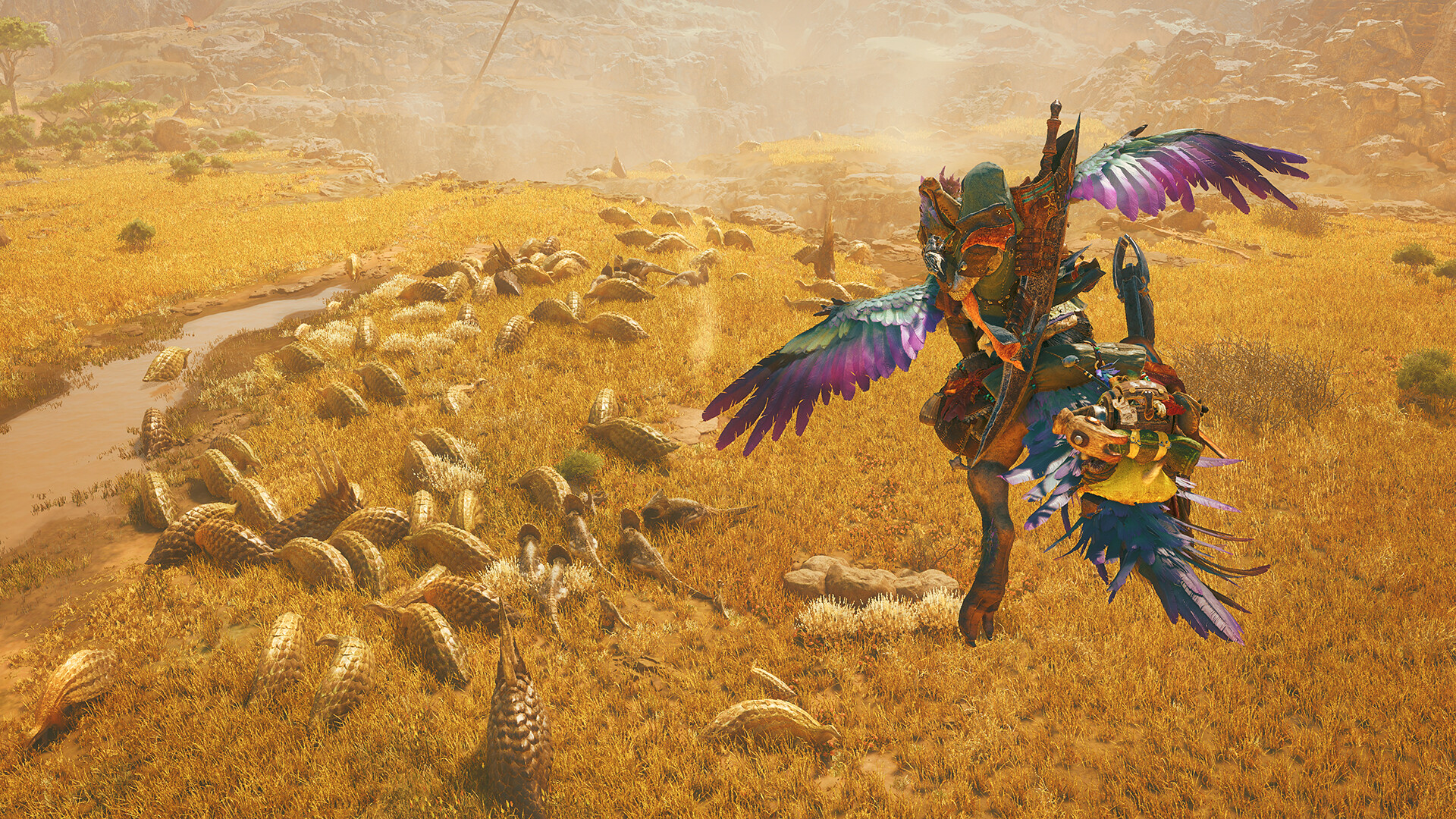
Monster Hunter Wilds leans into changing environments, so knowing terrain matters more than in a simple arena game.Gather everything obvious on the way to your first hunts.
Herbs, ores, bones, and other early materials are worth picking up because they reduce early bottlenecks.Forge or upgrade the first reasonable armor set you can access.
Do not sit on materials waiting for a perfect future build.Test one support habit on purpose.
For example: heal only after creating distance, or sharpen only after forcing a monster to move away. Practice one clean habit until it becomes automatic.Accept one practice failure on purpose if needed.
It is better to learn how a monster behaves early than to hoard every attempt for a “perfect” clear.
Early-Game Priorities
This is the order I recommend for spending and hoarding in the opening stretch.
| Priority | What to do | Why it matters |
|---|---|---|
| 1 | Keep healing items stocked | Survival is your real progression gate |
| 2 | Hoard core gathering materials | Early crafting and upgrades depend on them |
| 3 | Upgrade weapon choice first | Faster kills reduce risk and resource drain |
| 4 | Improve one armor set for comfort | Stability helps more than scattered minor bonuses |
| 5 | Save rare materials until you understand your build | Early waste hurts more than small gains help |
| 6 | Spend consumables in hunts, not in storage | Items that never get used provide no value |
The simplest rule is this: spend on consistency first, greed second. If a purchase helps you survive or finish hunts more reliably, it is worth it. If it is only attractive because it sounds advanced, hold it.
A good beginner inventory flow looks like this:
- Spend first: healing items, basic upgrades, essential ammo/coatings if your weapon needs them
- Craft next: your main weapon path, a single dependable armor set, everyday hunt tools
- Hoard for later: rare monster parts, high-value upgrade materials, niche consumables you do not yet understand
That order prevents the classic beginner trap of ending up rich in junk and poor in practical supplies.
Common Beginner Mistakes and How to Fix Them
1. Chasing damage while ignoring survival
A lot of new players build for offense too early and then spend the whole hunt lying on the ground or healing.
Fix: prioritize a build you can actually use. If you are fainting or panic-healing, your damage uptime is already low. Stable survival usually increases real hunt speed more than a fragile glass-cannon setup.
2. Using items too late
Beginners often wait until they are nearly dead before healing, sharpening, or buffing.
Fix: use support items earlier, while you still control the fight. Heal after a safe opening. Sharpen after forcing distance. Buff before the hunt escalates. You want to act before the emergency, not during it.
3. Fighting every monster the same way
Trying to “combo through” every monster is a bad habit. Some enemies punish overcommitment brutally.
Fix: learn each monster’s tempo. Some punish long animation commitment. Others give you huge windows if you stay patient. Treat each hunt like a pattern check, not a damage race.
4. Wasting upgrade materials too early
New players often spread resources across multiple weapons and armor pieces before they know what they actually like.
Fix: commit to one main weapon and one reliable armor direction early. That gives you a stronger baseline and keeps your material economy healthy.
5. Ignoring the map and environment
The changing world is not just scenery. Terrain, routes, hazards, and monster movement all matter.
Fix: pause long enough to read the space. Know where exits, elevation changes, and safe reset routes are. The map is part of combat.
6. Switching weapons every hunt
Exploring the roster is fine. Constant swapping is not.
Fix: keep one main weapon and one backup at most while learning. You can explore later once your movement and item habits are solid.
When You Are Done Being a Beginner
You have probably graduated from the beginner phase when three things are true:
- You can clear common hunts without repeatedly burning through healing.
- You understand when to attack, when to retreat, and when to reset.
- You have a main weapon, a workable armor set, and a stable resource routine.
That threshold matters more than story progress. If you can enter a hunt, read monster behavior, manage your items, and leave with a clear sense of what went right or wrong, you are no longer just learning the controls. You are playing the game.
A practical milestone is consistency. Once you stop relying on luck and start relying on execution, you are moving out of the beginner lane.
Next Steps
Once the basics are under control, focus on progression with intent. The best follow-up topics are the ones that tighten your build and make your time more efficient.
- related guide on the best early weapon tier choices
- related guide on beginner armor and skill priorities
- related guide on story progression and key hunt walkthroughs
If you are also looking ahead to the monster hunter wilds expansion conversation, that is the right time to start refining your main weapon and keeping your resource stock healthy. Expansion-ready players are usually the ones who already have stable fundamentals, not the ones who rushed ahead with shaky habits.
FAQ
What is the best weapon for beginners in Monster Hunter Wilds?
There is no single best pick, but weapons with clear offense windows and forgiving defense or mobility tend to feel easier early on. Sword and Shield, Dual Blades, and Hammer are common comfort picks, depending on whether you prefer mobility or simpler damage timing.
Should I farm materials before advancing the story?
Yes, but do it selectively. Gather enough to keep your weapon and armor moving forward, then continue the main progression. Over-farming too early can slow you down more than it helps.
Is armor defense or armor skills more important?
Early on, both matter, but armor skills usually have the bigger impact on how comfortable a hunt feels. A set that supports your weapon and keeps you alive is usually better than a set with only slightly higher defense.
How do I stop running out of healing items?
Restock after hunts, gather basic crafting materials constantly, and avoid wasting heals on small mistakes. The biggest fix is usually better positioning, because fewer unnecessary hits means fewer forced heals.
When should I change weapons?
Change only when you have a reason. If your current weapon feels awkward after several hunts, or your preferred playstyle clearly does not match it, switch. Otherwise, stay with one weapon long enough to build real muscle memory.
Do I need to worry about endgame builds right away?
No. Early progression is about learning fights, managing items, and building a reliable base set. Endgame optimization only starts to matter once you already understand your main weapon and can clear hunts consistently.
You might also like
- Monster Hunter Wilds Beginner Build Tier List
- Monster Hunter Wilds Charge Blade Build
- Monster Hunter Wilds Builds Tier List
- Monster Hunter Wilds Bow Build Tier List
- Monster Hunter Wilds on PS5: Performance, Release & Features
Sources
You might also like
- Monster Hunter Wilds Fucium Ore Beginner Guide
- Monster Hunter Wilds A Visitor from the West Beginner Guide
- Monster Hunter Wilds Beginner Guide: Smart Monster Hunter Wilds Beginner Tips
- Monster Hunter Wilds Anguish and Atrocity 4/3 4/8 Beginner Guide
- Monster Hunter Wilds Careening Out of Control 4/22 5/6 Beginner Guide
See also
- Monster Hunter Wilds Best Builds Guide
- Monster Hunter Wilds Gameplay Walkthrough
- Monster Hunter Wilds Beginner Guide: Getting Started, Basics, and Early Progression
- Monster Hunter Wilds Venom Build Guide
- Monster Hunter Wilds Character Creation Codes Beginner Guide
- Monster Hunter Wilds Best Greatsword Build
- Monster Hunter Wilds Builds Dual Blades
- Monster Hunter Wilds Beginner Bow Build
- Monster Hunter Wilds DLC & Expansions: Release Dates & Content
- Monster Hunter Wilds Weapons Beginner Guide
- Monster Hunter Wilds Best Katana Build Guide
- Monster Hunter Wilds Bow Build Guide
- Monster Hunter Wilds Build Guide: [Can You Build in Monster Hunter Wilds](/guides/can-you-build-in-monster-hunter-wilds)?
- Best [Monster Hunter Wilds Mods](/guides/monster-hunter-wilds-mods) 2026: How to Install
- Monster Hunter Wilds Beginner Guide: Weapons, Start-Up Tips, and Early Progression
See also
- Monster Hunter Wilds Beginner Guide: Monsters, Early Progression, and Smart Starter Habits
- Monster Hunter Wilds Weapon Tier List
- Monster Hunter Wilds Soul of the Dark Knight Beginner Guide
- Monster Hunter Wilds Alma Beginner Guide
- Monster Hunter Wilds Smithy's Seal of Quality Beginner Guide
- Monster Hunter Wilds Beginner Guide: Getting Started Fast
- Monster Hunter Wilds Fishing: Life in Microcosm Beginner Guide
- Monster Hunter Wilds Gogmazios Beginner Guide
- Monster Hunter Wilds Layered Armor Beginner Guide
- Monster Hunter Wilds All Trophies and Achievements Beginner Guide
- Monster Hunter Wilds Omega Beginner Guide
- Monster Hunter Wilds Azuz Tanned Leather Beginner Guide
- Monster Hunter Wilds An Inferno Laid Bare 7/8 7/22 Beginner Guide
- Monster Hunter Wilds Character Creation Beginner Guide
- Monster Hunter Wilds Beginner Armor Guide
Screenshots

Reviewed by
MH Wilds Guides Editorial
Expertise: Editorial team behind MH Wilds Guides. Content is compiled from official patch notes, community wikis, and playthrough notes, then reviewed and updated on schedule.
Sources
Monster Hunter Wilds Monsters Guides →
Browse the complete monsters collection and its focused guides.
Related Guides

🔥 Popular Guides
monster hunter wilds tips and tricks for beginners: A Beginner Guide
Beginner-friendly Monster Hunter Wilds guide with first-hour steps, resource priorities, common mistakes, pro tips, and progression advice.
monster hunter wilds best hbg build
Best Heavy Bowgun build guide for MH Wilds with gear, priorities, counters, and budget-to-endgame advice.
monster hunter wilds best hammer build
Best Hammer build guide for MH Wilds with gear, skills, progression, counters, and endgame options.
monster hunter wilds beginner guide 2026
Learn the first-hour checklist, resource priorities, mistakes to avoid, and when you’re ready to move beyond beginner phase.
📋 Patch Notes & Updates
🛠️ Popular Tools
Frequently Asked Questions
Quick answers from the guide · click a question to expand.
What is the best weapon for beginners in Monster Hunter Wilds?
There is no single best pick, but weapons with clear offense windows and forgiving defense or mobility tend to feel easier early on. Sword and Shield, Dual Blades, and Hammer are common comfort picks, depending on whether you prefer mobility or simpler damage timing.
Should I farm materials before advancing the story?
Yes, but do it selectively. Gather enough to keep your weapon and armor moving forward, then continue the main progression. Over-farming too early can slow you down more than it helps.
Is armor defense or armor skills more important?
Early on, both matter, but armor skills usually have the bigger impact on how comfortable a hunt feels. A set that supports your weapon and keeps you alive is usually better than a set with only slightly higher defense.
How do I stop running out of healing items?
Restock after hunts, gather basic crafting materials constantly, and avoid wasting heals on small mistakes. The biggest fix is usually better positioning, because fewer unnecessary hits means fewer forced heals.
When should I change weapons?
Change only when you have a reason. If your current weapon feels awkward after several hunts, or your preferred playstyle clearly does not match it, switch. Otherwise, stay with one weapon long enough to build real muscle memory.
Do I need to worry about endgame builds right away?
No. Early progression is about learning fights, managing items, and building a reliable base set. Endgame optimization only starts to matter once you already understand your main weapon and can clear hunts consistently.
Was this guide helpful?
Rate this guide so we can improve it.
Share your own tip
Found something not in the guide? Submit it below — our editors review every tip before publishing. No account required.