 Monster Hunter Wilds
Monster Hunter Wilds Evading Reload Beginner Guide
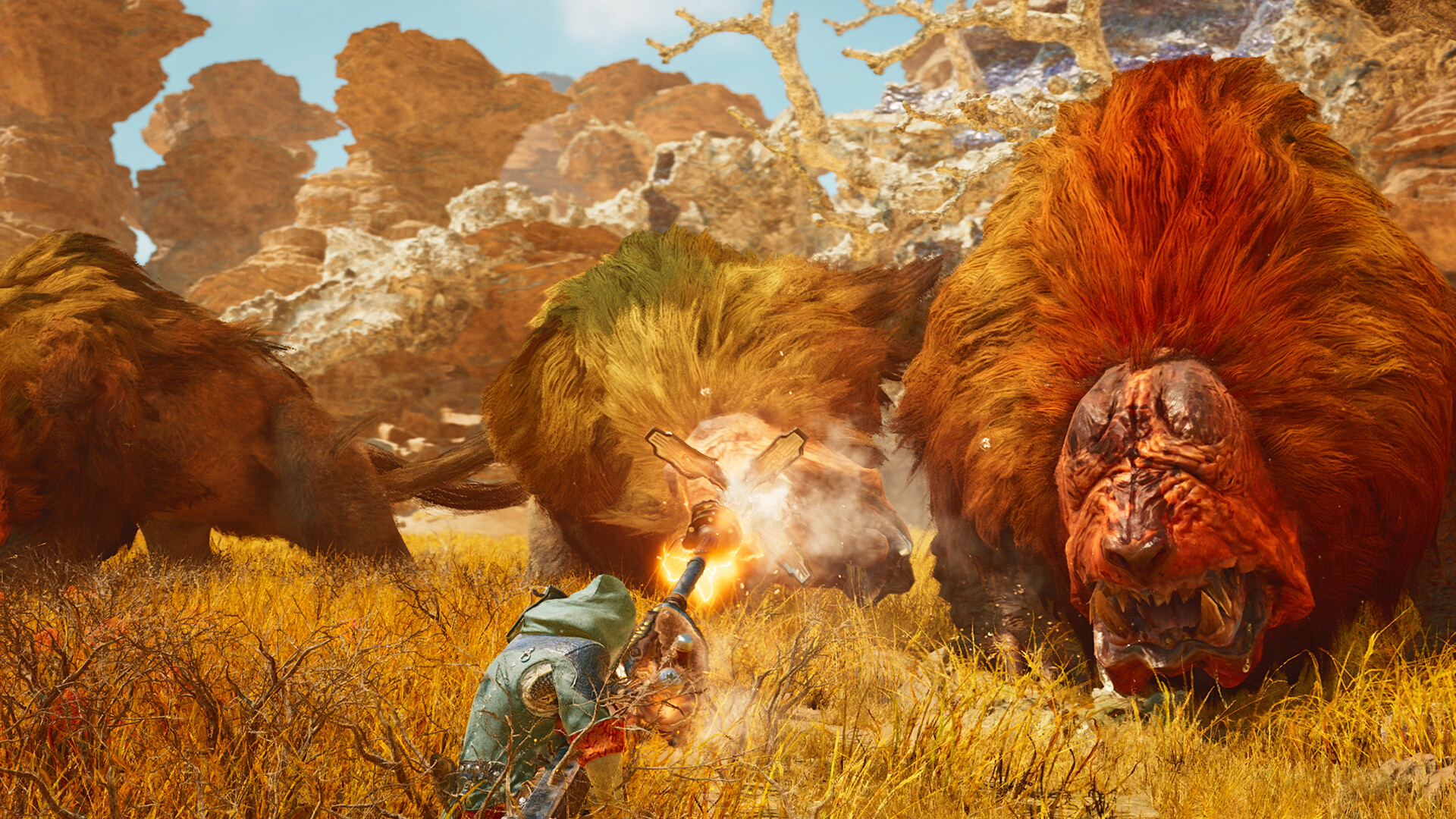
Quick Answer: Monster Hunter Wilds Evading Reload is a beginner-friendly approach to Bowgun play that rewards timing, positioning, and stamina control, letting you reload safely after evasions while staying aggressive in hunts.
What Evading Reload Is
Monster Hunter Wilds Evading Reload is a Bowgun rhythm built around canceling downtime with movement, then using the opening after a dodge to reload and resume pressure. The idea is simple: instead of standing still to reload in a dangerous spot, you create space with a careful evade and use the weapon’s recovery window to get ammo back in while the monster is repositioning, recovering, or finishing an attack animation.
For new players, this matters because Bowgun weapons can feel strong but punishing. If you treat them like stationary guns, you get clipped during reloads, lose damage, and waste healing items. If you treat them like mobile weapons, Evading Reload turns many dangerous moments into safe resets. That is why this playstyle is often recommended to players who want a ranged option without becoming passive.
In practical terms, the loop looks like this:
- Fire a short burst at a weak point.
- Watch the monster’s animation and your own ammo state.
- Dodge at the right moment to create safety.
- Reload immediately after the evade, before re-engaging.
- Repeat while keeping an eye on stamina, positioning, and monster enrage.
This is especially useful in hunts where the monster has long forward lunges, tail sweeps, or area attacks that punish slow recovery. Examples of the kind of situations this helps with include a charging monster that forces you to slide sideways, a large sweeping attack that gives you just enough time to reload after the roll, or a monster that leaves a brief opening after an explosion or charge finish. In those moments, the reload is not just maintenance; it is part of the attack pattern.
A beginner should also understand that this is not the same as “always roll, always reload.” If you burn stamina on unnecessary movement, you become easier to corner and easier to punish. If you reload at the wrong distance, you can get caught during the animation anyway. Monster Hunter Wilds Evading Reload is about disciplined timing, not frantic motion.
The best mental model is that your evade is not only defensive. It is part of the reload cycle, part of your ammo economy, and part of your damage uptime. Once that clicks, the weapon becomes much easier to handle in the early game and much more consistent in longer hunts. If you are also planning your first Bowgun build, a monster hunter wilds build on early weapon progression will fit naturally beside this one.
First-Hour Checklist
Your first hour should be spent unlocking the Bowgun feel, stabilizing your item kit, and practicing a basic evade-reload loop on easy hunts rather than chasing perfect damage. The goal is to leave the opening stretch with a usable loadout, a sense of your ammo types, and a clear idea of how much mobility you actually need.
Here is a practical first-hour checklist:
- Finish the opening onboarding and tutorial fights without skipping the weapon prompts.
- Test your Bowgun controls in a safe setting before committing to harder hunts.
- Check how reload timing feels after a normal dodge and after a retreating dodge.
- Craft or buy basic healing and stamina support items as soon as the game allows it.
- Hunt at least one early monster with the explicit goal of practicing one reload after every two to four shots.
- Identify one weak spot on a small or medium monster and train your aim there.
- Return to base and review any unlocks, ammo access, or upgrade paths you opened.
The reason this list matters is that beginners often rush straight into “real” hunts and then read the weapon incorrectly. They assume the weapon is clunky, when the real issue is that they have not learned where the safe windows are. A Bowgun user who has already learned one reliable evade-reload sequence will get more value from early quests than a player who simply fires until empty.
In the first hour, focus on concrete examples rather than theory. For instance, if you see a monster do a straight-line charge, practice rolling sideways and reloading immediately after you clear the hitbox. If a monster pauses after a roar or a missed leap, use that pause to reload instead of trying to squeeze in one more shot. If you are fighting smaller enemies, use them to practice spacing: fire, step away, and reload only once you are no longer inside a panic zone.
You should also spend part of that first hour learning what not to do. Do not waste strong consumables on trivial encounters. Do not burn all your ammo type on the first few minutes of a hunt. Do not fight in cramped terrain if you can reposition to a flatter area. The early game is a training ground for routine, not a test of raw damage.
A useful habit is to assign yourself a small objective for each hunt. One hunt can be for aim practice, another for reload timing, and another for healing discipline. That structure keeps your learning clear and prevents you from mixing too many new habits into one confusing run. If your next step is deciding how to route early progression, a related guide on campaign walkthrough order belongs nearby.
You might also like
- Monster Hunter Wilds Beginner Guide: Getting Started Fast
- Monster Hunter Wilds Beginner Guide
- Monster Hunter Wilds No More Mister Ice Guy 8/19 8/26 Beginner Guide
- Monster Hunter Wilds Pick Your Poison 7/22 8/12 Beginner Guide
- Monster Hunter Wilds Beginner Guide: Where to Focus First
Resource Priority Order
Your resource priority should favor survivability, ammo consistency, and low-risk crafting before luxury upgrades or niche damage options. Beginners usually lose hunts because they overspend on flashy items too early or hoard basic materials that should have been converted into functional gear.
A good priority order is:
- Healing and recovery items.
- Basic ammo and ammo ingredients.
- Weapon and armor upgrades that improve comfort.
- Situational utility items.
- Damage-focused consumables and niche crafting chains.
That order works because Monster Hunter Wilds Evading Reload rewards uptime more than reckless aggression. If you can stay in the hunt longer, your damage naturally rises. If you run out of healing, ammo, or stamina support, your “strong build” becomes irrelevant.
What to Spend Early
Spend early on items that reduce downtime or prevent avoidable deaths.
- Restock healing items whenever you return to base.
- Craft or buy ammo that matches your current Bowgun setup instead of saving materials for an upgrade you may not reach soon.
- Invest in armor or upgrades that make dodging and repositioning less punishing.
- Use gathering time to refill basic supply items instead of overfarming rare materials before you need them.
Good early spending examples include:
- Replacing a near-empty healing pouch before starting a hunt.
- Turning common gathering materials into ammo components you will actually use.
- Upgrading the part of your loadout that keeps you alive during reload windows.
What to Hoard
Hoard rare materials, monster-specific parts, and anything used in multiple future upgrades.
- Keep rare drops until you know which weapon branch you want.
- Save unique monster parts that may later become core upgrade materials.
- Avoid burning special consumables on ordinary monsters unless the hunt is unstable.
This is where many new players make avoidable losses. They spend a rare part on a temporary upgrade, then immediately replace the weapon anyway. The safer rule is to reserve unique materials until you know your Bowgun direction and whether you prefer smoother reloads, more forgiving recoil, or a different ammo focus.
What to Craft First
Craft the pieces that make hunts stable, not impressive.
- Basic healing items.
- Standard ammo you can reliably maintain.
- Backup consumables for long hunts.
- Utility items that help you retreat, recover, or control spacing.
A beginner-friendly crafting mindset is to ask, “Does this item keep my Evading Reload loop working?” If the answer is yes, it belongs near the top of the list. If it only matters in optimal damage scenarios, it can wait.
The safest way to avoid waste is to keep one loadout for learning and one for experimentation. Use the learning loadout for hunts where you want clean execution, then try new ammo combinations or weapon upgrades when you are no longer scrambling for survival. That approach keeps your materials meaningful and prevents early burnout. A monster hunter that tips on best early builds can slot into this progression path later.
Common Mistakes
The most common beginner mistakes come from overcommitting to offense, underestimating reload safety, or ignoring basic resource discipline. Monster Hunter Wilds Evading Reload is forgiving once understood, but it punishes bad habits very consistently.
1. Reloading in the open
Players often reload the moment the ammo counter drops, even when the monster is still active and facing them. This happens because empty ammo feels urgent, and beginners hate wasting time. The fix is to reload after an evade, behind terrain, or during a monster recovery animation, not while standing in a direct threat lane.
2. Rolling too early or too late
Beginners roll based on fear instead of timing, then lose the chance to reload safely. This comes from not knowing the monster’s attack rhythm yet. The fix is to watch the start and end of an animation, then roll only when the hitbox is about to connect or has just passed, so the reload window remains clean.
3. Overspending stamina on panic movement
Players spam dodge, sprint, and repositioning until they cannot evade when it actually matters. This usually happens because they equate constant motion with safety. The fix is to move with purpose: one good evade into reload, then a controlled reposition, then another measured action.
4. Using the wrong ammo for the fight
New players often load every available ammo type and fire them randomly. They do this because variety looks flexible, but it creates confusion and weakens consistency. The fix is to choose a small ammo set that you understand, then practice the same reload pattern repeatedly until it becomes muscle memory.
5. Ignoring monster facing and terrain
Some players reload while the monster is turning toward them or while they are backed into a wall. They fall into this because they focus on the HUD instead of the arena. The fix is to keep a mental note of where you can roll, where you can retreat, and where the monster’s turning animation creates a safe lane.
6. Treating healing like a last resort
Beginners wait until they are nearly knocked out before healing, which makes every reload decision worse because panic rises. The fix is to heal earlier, after a stable dodge or when the monster is clearly occupied, so your next reload cycle is not happening under emergency pressure.
If you correct only these mistakes, your early hunts become dramatically more stable. The weapon starts to feel deliberate instead of frantic, and you will notice that many “bad matchups” were really just bad timing. For players who want to refine their loadout choices after these basics, a monster hunter wilds shining on weapon tiers will be the natural follow-up.
Pro Tips
Advanced beginner play with Monster Hunter Wilds Evading Reload is mostly about making your safe windows count and reducing the number of times you need to guess. These tips are small, but they pay off immediately once you start applying them consistently.
Tip 1. Reload after the monster commits, not before
If a monster has already locked into a charge, leap, or sweep, use that commitment to reload instead of trying to thread in extra shots. Example situations include a straight rush, a tail sweep, or a large area attack with a clear windup. The key is to identify the commitment phase and stop forcing damage into it.
Tip 2. Keep one dodge in reserve
Do not spend your last bit of stamina on movement that is not tied to survival. If your bowgun playstyle is built around reloading after evasion, then one dodge is your safety buffer. In practice, that means you may fire one fewer shot than you wanted, but you keep the ability to escape a bad angle.
Tip 3. Learn one reliable “fire count”
Choose a rough shot count that you can fire before you must reposition. Many beginners do better when they think in small patterns, such as firing a short burst, then evading and reloading, rather than emptying the entire magazine by instinct. This keeps the rhythm repeatable and reduces misreads.
Tip 4. Reload during monster recovery animations
Some of the safest reloads happen right after attacks that overextend the monster. Examples include missed lunges, landing recovery after a jump, or a roar that briefly freezes movement. If you recognize those moments, your reload stops being reactive and becomes proactive.
Tip 5. Use the arena to build your reload lanes
Do not fight in a position that traps you. The best Evading Reload users constantly think about where they can roll, where they can slide, and where they can break line of pressure. If a wall, slope, or obstacle reduces your escape options, move before your ammo runs dry.
Tip 6. Practice on predictable monsters first
Use early hunts to learn timing against monsters with obvious tells, long recovery frames, or straightforward charges. The purpose is not to farm them efficiently. It is to train your hands to associate “attack ends” with “reload now.”
Tip 7. Reset the fight if your rhythm breaks
If your reload pattern collapses and you start panic rolling, disengage for a moment instead of trying to salvage the sequence in place. A brief reset, a clean heal, and a controlled re-entry are better than three rushed actions that all fail.
These tips matter because the Bowgun’s strength is consistency, not improvisation under stress. Once you can read a monster’s commitment and translate that into a safe evade-reload chain, your damage output becomes much steadier. At that point, the weapon is no longer “hard to use”; it is simply asking for good timing.
Graduation Threshold
You are out of the beginner phase when you can maintain reload safety, resource control, and target focus without constant conscious effort. In Monster Hunter Wilds Evading Reload terms, graduation is not about completing a certain story point. It is about whether you can enter a hunt, understand your ammo and positioning plan, and finish the fight without repeatedly breaking your own rhythm.
A practical sign that you have moved beyond beginner status is that you can do all of the following in the same hunt:
- Notice when your ammo is running low before it becomes urgent.
- Create a reload window with a dodge instead of reloading in panic.
- Heal without throwing off your entire positioning plan.
- Identify whether a monster is in an attack, recovery, or transition state.
- Stay calm when a hunt goes longer than expected.
You are probably still in the beginner phase if:
- You forget your ammo plan every hunt.
- You die mostly while trying to reload.
- You use stamina faster than you can recover it.
- You cannot tell whether the monster is pressured or about to attack.
- You depend on brute force instead of rhythm.
Concrete examples help here. If you can face a mid-tier monster, eat one strong attack, step out, reload, and re-enter without losing composure, you are on the right track. If you can switch from offense to survival during a long chase, then back into pressure after one clean evade, you have crossed a meaningful threshold. If you can do that with multiple ammo types or in different terrain layouts, you are no longer just learning the weapon.
The most useful way to measure graduation is consistency across different hunts. One lucky fight does not mean you understand the weapon. Three or four clean hunts in a row, especially against monsters with different movement patterns, is a much better signal. At that point you can start thinking less about survival and more about optimization, specialized ammo choices, and route efficiency.
Once you reach that stage, your next goal should be refining matchups, not relearning basics. That is where a monster hunter three tips on advanced builds or a related guide on monster-by-monster walkthroughs becomes useful.
Related Guides
- Monster Hunter Wilds Weapon Tier List
- Monster Hunter Wilds Early Game Builds
- Monster Hunter Wilds Walkthrough
- Monster Hunter Wilds Bowgun Guide
- Monster Hunter Wilds Ammo and Crafting Guide
- Monster Hunter Wilds Armor Skills Explained
Sources
- https://en.wikipedia.org/wiki/Monster_Hunter_Wilds
- https://en.wikipedia.org/wiki/Monster_Hunter_Wilds
See also
- Monster Hunter Wilds Beginner Guide: Getting Started Fast
- Monster Hunter Wilds Beginner Guide: What to Do First
- Monster Hunter Wilds Hungry for Ore 8/26 9/9 Beginner Guide
- Monster Hunter Wilds Daughters of Carabosse 4/22 5/6 Beginner Guide
- Monster Hunter Wilds Beginner Guide
- Monster Hunter Wilds Beginner Guide
- Monster Hunter Wilds Beginner Guide: Getting Started Fast
- Monster Hunter Wilds Anguish and Atrocity 4/3 4/8 Beginner Guide
- Monster Hunter Wilds Beginner Guide
- Monster Hunter Wilds Beginner Guide: The Shining Storm Rages 5/6 5/20
Screenshots


Reviewed by
MH Wilds Guides Editorial
Expertise: Editorial team behind MH Wilds Guides. Content is compiled from official patch notes, community wikis, and playthrough notes, then reviewed and updated on schedule.
Sources
Monster Hunter Wilds Monsters Guides →
Browse the complete monsters collection and its focused guides.
Related Guides

🔥 Popular Guides

Bladescale Honing MH Wilds — Skill Effect, Weapons & Tips
Bladescale Honing MH Wilds: Seregios skill, special sharpness after perfect dodge, 1.4x damage window, and Bladescale Loading for bowguns.
Monster Hunter Wilds Beginner Build Tier List
Best beginner weapons and builds in Monster Hunter Wilds, ranked by ease, safety, and usefulness for new hunters.
Monster Hunter Wilds Builds Hub — Weapons, Armor & Meta
Monster Hunter Wilds builds hub: bow, bladescale honing, armor progression, and high-intent weapon guides in one place.
Best Bow Build Monster Hunter Wilds — Skills, Armor & Progression
Best Monster Hunter Wilds bow build: Bow Charge Plus, Weakness Exploit, coating uptime, and Seregios Bladescale Loading synergy.
📋 Patch Notes & Updates
🛠️ Popular Tools
Was this guide helpful?
Rate this guide so we can improve it.
Share your own tip
Found something not in the guide? Submit it below — our editors review every tip before publishing. No account required.