 Monster Hunter Wilds
Monster Hunter Wilds Great Sword Beginner Guide

Quick Answer: Monster Hunter Wilds Great Sword is a slow, heavy-hitting weapon best learned by using short, safe openings, charging only when a monster is committed, and building your early game around positioning, not greed.
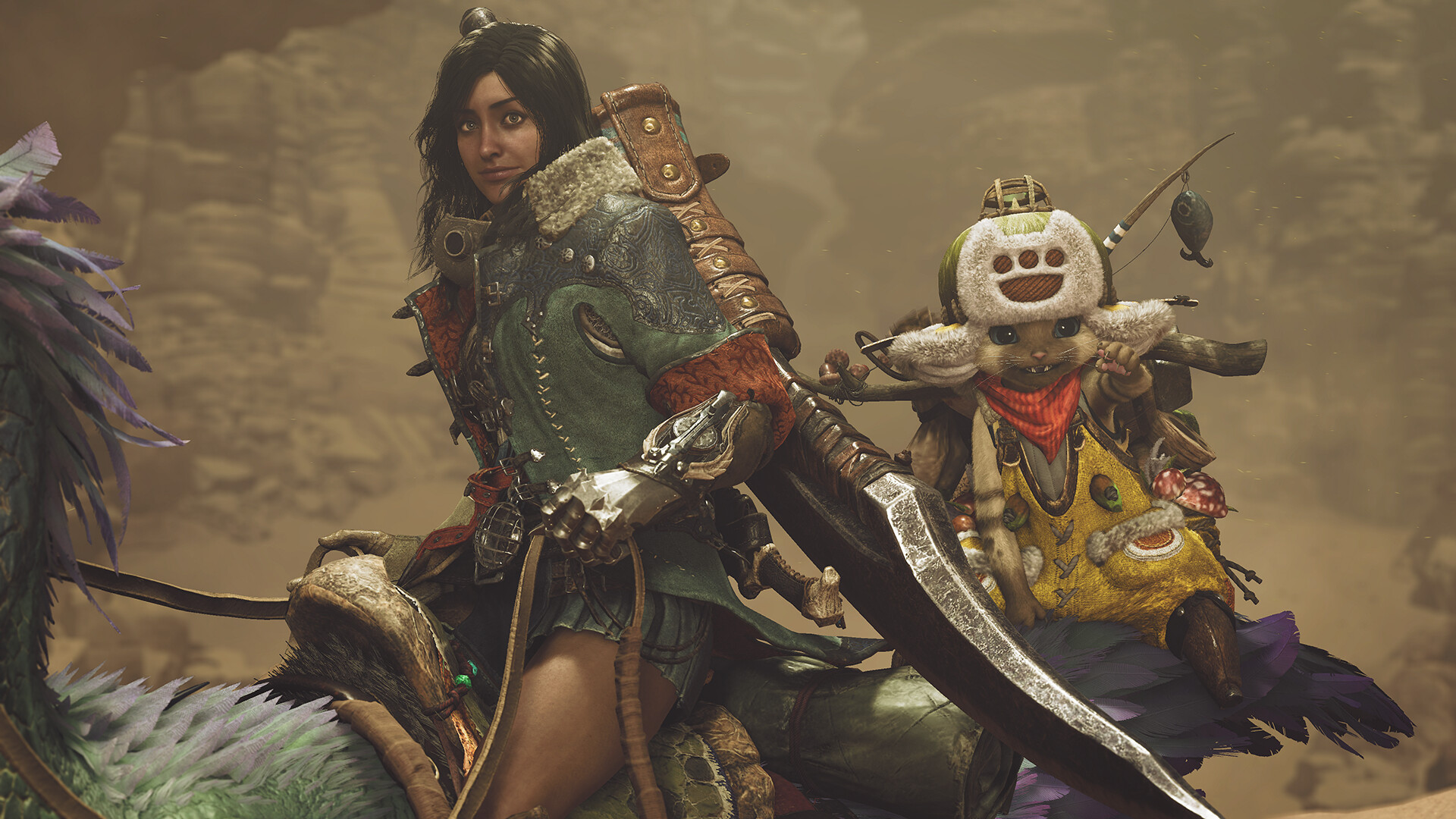
Monster Hunter Wilds is a 2025 action role-playing game developed and published by Capcom Source. It released worldwide for PlayStation 5, Windows, and Xbox Series X/S on February 28, 2025, with cross-platform play Source.
What the Great Sword Is Good At
The Great Sword is good at turning a few clean openings into very large damage, which makes it one of the most rewarding weapons for new hunters who like deliberate play. It is not a fast combo weapon. You win with timing, spacing, and discipline, then cash in with a charged strike when the monster is locked in an animation.
That means the weapon is strongest when you treat each hunt like a series of small tests. Can you read a roar and roll through the follow-up? Can you stand near a leg or shoulder and still avoid the swipe? Can you recognize the moment after a tail slam, bite, or charge when the monster cannot immediately punish a charge attack? Those are the skills that matter more than raw aggression.
For a beginner, the Great Sword also teaches the core Monster Hunter loop better than many weapons. You learn to watch monster movement instead of mashing. You learn that damage windows matter more than constant attacking. You learn that a miss has consequences, which is useful because the same lesson applies to other weapon types later.
A useful mindset is to think of the Great Sword as a weapon of preparation. You are usually preparing one big hit while moving into place, preparing a follow-up after a knockdown, or preparing a defensive response after a whiff. If you try to play it like a sword that should always be swinging, you will feel slow and exposed. If you play it like a weapon that wants one correct commitment per opening, it becomes much easier to control.
Real situations where it shines include small openings after a monster’s landing recovery, punish windows after a missed charge attack, and wake-up hits when a monster is asleep and you can land a fully charged strike cleanly. It is also excellent when a monster has a predictable pattern, such as repeated forward charges, a long roar animation, or a recovery after a big area attack.
First-Hour Checklist
Your first hour with the Monster Hunter Wilds Great Sword should be spent learning controls, testing reach, and building a repeatable hunt routine, not chasing perfect damage. The fastest way to improve is to create a basic loop you can repeat on several early monsters.
Do these first
- Equip the Great Sword and test all charge levels on a harmless target so you can feel the timing of each stage.
- Practice unsheathing, taking a short step, then sheathing again until movement feels comfortable.
- Use your first hunts to learn one safe punish on each early monster, such as after a roar, a bite, or a charge.
- Pick up gathering items while moving between objectives so you do not return from hunts empty-handed.
- Set your camera, targeting, and control options before the fighting gets hectic.
What to focus on in the field
The first hour is about familiarization, so spend most of your attention on range and commitment. The Great Sword has long reach, but that reach can mislead you into thinking you are safe when you are not. Stand a little farther out than you think you need to, then step in only when the monster ends a move. Test whether you can land a normal slash, a charge, and a punish after dodging a predictable attack.
Early monsters are ideal practice because they expose simple patterns. A charging beast, a flying monster that lands with a pause, or a creature with a slow tail sweep all give you clear windows. Use those windows to learn whether you should strike once, charge once, or hold position and wait. That habit matters more than trying to force maximum damage on every opening.
A smart first-hour routine also includes inventory discipline. Carry basic healing, make sure you know where your crafting items are, and do not leave town with a cluttered pouch that makes menu navigation awkward. If you are new to the series, this is where you should notice what items you actually use and what stays untouched.
First-hour priorities
| Priority | What to do | Why it matters early |
|---|---|---|
| Movement | Practice unsheathing, rolling, and sheathing | Great Sword success depends on clean positioning |
| Timing | Learn one punish after a roar or recovery | You need a reliable way to score damage safely |
| Camera | Adjust lock-on and view settings | The weapon fails more often when you lose track of the monster |
| Items | Restock healing and basic craft materials | Beginner hunts go wrong most often because of poor supply discipline |
| Hunt flow | Finish one or two early quests deliberately | Repetition builds muscle memory faster than rushing |
By the end of the first hour, you should be able to explain to yourself when you are allowed to attack and when you should back off. If you can do that, you are already ahead of most beginners.
You might also like
- Monster Hunter Wilds Beginner Guide
- Monster Hunter Wilds Beginner Guide
- Monster Hunter Wilds Beginner Guide: Getting Started Fast
- Monster Hunter Wilds Beginner Guide
- Monster Hunter Wilds No More Mister Ice Guy 8/19 8/26 Beginner Guide
Core Great Sword Fundamentals
The Great Sword fundamentals are simple to state and easy to misapply: hit only when the monster is committed, charge only when the window is real, and value positioning more than button speed. That is the heart of the weapon in every Monster Hunter game, including Monster Hunter Wilds.
Start with the basic attack pattern. Your regular swings are not there to create long, flashy strings. They are there to confirm position, finish a punish, or set up a bigger hit if the monster stays open. A beginner often thinks the Great Sword is all about waiting for the biggest charge attack every time. That is too rigid. Sometimes the correct play is a quick strike, sometimes it is a partial charge, and sometimes it is simply rolling away and resetting.
The second core idea is commitment. Every charge you begin is a promise to stay in place for a moment, so the question is not “Can I deal damage?” but “Can I still be here when the damage lands?” If the answer is unclear, do not overcommit. Monster Hunter rewards restraint because monsters frequently chain attacks. A dodge that looks late is often better than a charge that looked ambitious.
The third core idea is spacing. Great Sword users live and die by where the hitbox starts, where the monster’s body is moving, and where the head or weak point will be after the attack ends. This is why beginner hunters benefit from watching the monster’s shoulders, front legs, and head rather than staring only at the health bar. Those body cues tell you where the opening will be.
Three practical examples make this clearer:
- A monster finishes a forward lunge and stands still for a brief moment. That is a good time for a charge or a strong punish.
- A monster turns slowly after missing a bite. That may be enough for a quick slash, but not always a full commit.
- A monster falls over after a trap, mount, or environmental knockdown. That is the time to line up your strongest available hit.
You will also improve faster if you treat the Great Sword like a weapon that can protect itself through good habits. Sheath sooner than you think. Keep stamina in reserve for movement, even if the weapon itself is not stamina-hungry in the same way as some others. And when you are unsure, move first and attack second.
Resource Priority Order
Resource priority for Monster Hunter Wilds Great Sword play should favor survivability, consistency, and a few key weapon upgrades before luxury crafting or cosmetic spending. Beginners often waste materials on side upgrades too early, then get stuck when they need healing support or a better blade for a harder hunt.
The cleanest order is to secure your hunting basics first, then improve your weapon, then spend on comfort and side projects. That order keeps you from overinvesting in gear that does not help you survive the next quest.
Spend and hoard in this order
Healing and survival supplies first
Keep your recovery items topped up. If you are failing hunts, extra damage does not matter until you stay alive long enough to use it.Weapon upgrades that raise raw damage or useful sharpness
The Great Sword scales best with straightforward power. Early on, you usually get more from a reliable upgrade than from a complicated side build.Armor pieces that solve obvious problems
If a hunt is failing because of survivability, choose armor that makes you safer rather than chasing an ideal set bonus too soon.Crafting materials for repeatable consumables
Anything you burn every hunt should be replenished automatically when possible.Optional comfort items and niche crafts
These are useful later, but they should not delay your first serious weapon path.
What not to waste early
Beginners often overcraft multiple weapons at once, especially after finding several monsters they think look cool. That spreads materials too thin. The Great Sword benefits more from one clear progression path than from half-finished alternatives. A second issue is spending rare materials on armor pieces that seem impressive but do not improve your actual hunt results.
A helpful rule is to keep one main Great Sword path active and one backup plan at most. If a material can improve your current weapon, do that before making a novelty craft. If a material is scarce, hold it until you know the next upgrade is genuinely better.
Practical resource examples
| Resource type | Early priority | Example use | Beginner advice |
|---|---|---|---|
| Healing items | Highest | Recovery after a missed charge | Never enter a hunt understocked |
| Weapon upgrade materials | High | Improve raw damage or sharpness | Focus on one main Great Sword |
| Armor materials | Medium | Fix survivability issues | Upgrade for consistency, not style |
| Consumable crafting mats | Medium | Repeated hunt support | Refill these between quests |
| Rare monster parts | Low until needed | Unlock later progression pieces | Do not spend them impulsively |
This is the point where many new players overthink optimization. You do not need a perfect economy to start using Great Sword well. You need enough healing, one solid weapon path, and the discipline to avoid frivolous spending. That is enough to carry you into the next phase.
Common Mistakes
Common mistakes with the Monster Hunter Wilds Great Sword usually come from overcommitting, attacking at the wrong distance, or ignoring how long a monster stays safe after a move. These are normal beginner errors, but each one has a concrete fix.
Charging every opening to the maximum
Why it happens: beginners assume the biggest number is always the right answer.
Fix: use a quick slash or partial charge when the opening is short, and save the longest charge for knockdowns, long recoveries, or sleep hits.Standing too close to the monster’s front
Why it happens: the Great Sword’s reach can make players feel safer than they are.
Fix: work from a slightly wider angle, aim at the head or front leg from the side, and move in only after the attack finishes.Attacking after the first safe-looking opening without checking for follow-up hits
Why it happens: new players see a pause and assume the monster is done.
Fix: watch for chained attacks from monsters like charging beasts and fast claw users; only punish after you recognize the full recovery.Sheathing too late
Why it happens: beginners want one more hit before moving.
Fix: get used to sheathing as soon as the window closes so you can reposition for the next opening.Ignoring weak-point alignment
Why it happens: it is easier to swing at the nearest body part than to line up a proper punish.
Fix: spend a moment after each dodge to face the head or the best available hit zone before charging.Using items too slowly
Why it happens: players hesitate because they do not want to waste a potion or whetstone-style action.
Fix: create a safe habit loop after a knockback or a monster transition, and treat item use as part of the hunt, not a failure.Trying to play aggressively during unfamiliar fights
Why it happens: the weapon feels slow, so new users try to force offense to keep up.
Fix: give yourself permission to spend a hunt learning the monster pattern instead of trying to “win” the first attempt.
The key point is that none of these mistakes mean you chose the wrong weapon. They mean you are still learning the timing language of the game. The Great Sword makes those mistakes visible sooner than faster weapons, which is useful because it gives you clear feedback.
Common Mistakes To Avoid
These are the mistakes that most often stall beginner progress with a heavy weapon, even when the player already understands the controls.
1. Chasing damage instead of openings
You fall into this trap when you expect every hunt to be a DPS race. The fix is to treat a safe punish as a win, even if it is only one hit.
2. Fighting from a bad angle
You often end up directly in front of the monster because it feels straightforward. The fix is to circle a little and attack from the side where you can still retreat.
3. Rolling without a follow-up plan
Beginners dodge away and then freeze, which wastes the advantage of the dodge. The fix is to know whether your next move is a charge, a sheath, or a reset before you roll.
4. Overloading on gear variety
Players often build too many weapons and sets too early, which delays progress. The fix is to finish one Great Sword path first, then branch out later.
5. Treating every hunt like a boss rush
You can burn through items and focus by trying to end fights quickly. The fix is to slow down, observe two or three monster patterns, and use the first hunt as reconnaissance.
These mistakes are all fixable because they are habit problems, not knowledge barriers. Once you recognize them, the weapon becomes much more forgiving.
Pro Tips
The best Great Sword tips for beginners are the ones that improve your success rate without requiring advanced execution. These are small habit changes that matter in real hunts.
Tip 1. Use the monster’s recovery, not your own impatience
When a monster lands after a jump, finishes a charge, or completes a roar, that is your real cue. Do not begin a charge because you have been waiting a few seconds. Begin it because the monster has stopped being dangerous.
Tip 2. Learn one safe punish per monster
For early fights, decide on one reliable response to each monster you see often. Example: punish a missed charge with a single strong hit, punish a long roar with a charge, punish a knockdown with your biggest available attack. That keeps your decision-making simple.
Tip 3. Keep your camera discipline tight
Great Sword players lose damage because they lose visual contact with the monster’s body line. Keep the head and shoulders in view whenever possible, especially against larger creatures that drift off-screen after a dodge.
Tip 4. Convert knockdowns into alignment, not panic
When a monster falls over, do not rush your first swing. Take a fraction of a second to line up the head, front leg, or weak point. A well-placed medium hit can be better than a badly aimed “perfect” charge.
Tip 5. Treat movement as part of your damage plan
A short reposition often increases your real damage more than forcing an unsafe attack. Step into the correct angle, then swing. This is especially important against mobile targets that turn quickly.
Tip 6. Save your greed for obvious openings
There are times to get ambitious: a sleep trigger, a trap, a long stun, or a very obvious downed state. Outside those moments, keep your offense modest. This one habit reduces carting more than almost any gear upgrade.
Tip 7. Use early hunts to learn monster rhythm, not just weapon rhythm
A good Great Sword player knows when a creature likes to pause, when it likes to chain, and when it likes to retreat. That knowledge is reusable across every weapon you may try later.
Graduation Threshold
You are out of the beginner phase when you can reliably identify safe punish windows, survive unfamiliar hunts without panicking, and choose the correct Great Sword commitment more often than not. That threshold is about decision quality, not a specific rank or quest count.
A beginner player usually asks, “How much more damage do I need?” A more experienced Great Sword player asks, “Which move is worth my time right now?” That shift is the clearest sign that you have moved past the learning stage. If you can consistently distinguish between a short punish, a full charge, and a no-attack reset, you are no longer playing blind.
Here are practical signs that you have graduated from beginner status:
- You can enter a hunt with a plan for healing, weapon use, and one or two safe punish options.
- You stop swinging during uncertain monster movement and wait for the actual opening.
- You use knockdowns and staggers to land stronger hits instead of just attacking faster.
- You recover from a missed charge without spiraling into repeated mistakes.
- You know which monster motions usually lead to a punishable pause.
A useful real-world test is to repeat a hunt that once felt chaotic. If the same fight now feels readable, even if it is still dangerous, you are progressing correctly. Another good test is whether you can switch from Great Sword to another weapon later and still understand why the timing rules exist. The Great Sword is a strong teacher because it makes timing visible.
It is also worth noting that the beginner phase ends at different times for different players. Some people learn monster tells quickly but struggle with aiming. Others can aim well but overcommit under pressure. Do not measure progress by whether a hunt feels easy every time. Measure it by whether your mistakes are shrinking and your choices are getting cleaner.
Related Guides
- Monster Hunter Wilds weapon tier guide
- Monster Hunter Wilds beginner walkthrough
- Monster Hunter Wilds Great Sword build guide
- Monster Hunter Wilds armor progression guide
- Monster Hunter Wilds early-game materials guide
- Monster Hunter Wilds best starter weapons
Sources
- https://en.wikipedia.org/wiki/Monster_Hunter_Wilds
- https://en.wikipedia.org/wiki/Monster_Hunter_Wilds
See also
- Monster Hunter Wilds Pick Your Poison 7/22 8/12 Beginner Guide
- Monster Hunter Wilds Beginner Guide: Where to Focus First
- Monster Hunter Wilds Beginner Guide: Getting Started Fast
- Monster Hunter Wilds Beginner Guide
- Monster Hunter Wilds Beginner Guide: What to Do First
- Monster Hunter Wilds Hungry for Ore 8/26 9/9 Beginner Guide
- Monster Hunter Wilds Daughters of Carabosse 4/22 5/6 Beginner Guide
- Monster Hunter Wilds Beginner Guide
- Monster Hunter Wilds Beginner Guide
- Monster Hunter Wilds Beginner Guide: Getting Started Fast
Screenshots


Reviewed by
MH Wilds Guides Editorial
Expertise: Editorial team behind MH Wilds Guides. Content is compiled from official patch notes, community wikis, and playthrough notes, then reviewed and updated on schedule.
Sources
Monster Hunter Wilds Monsters Guides →
Browse the complete monsters collection and its focused guides.
Related Guides

🔥 Popular Guides
Monster Hunter Wilds Good Beginner Weapons: Complete Beginner Guide
Best starter weapons, first-hour checklist, common mistakes, and beginner progression tips for Monster Hunter Wilds.
Monster Hunter Wilds patch notes 2026-09-04: Patch Notes Explained
Explained update notes, verified fixes, content changes, and what hunters should do next in Monster Hunter Wilds.
monster hunter wilds weapons for beginners: Beginner Guide
Learn the best starter weapons, first-hour priorities, common mistakes, and when you have outgrown beginner play in Monster Hunter Wilds.
Monster Hunter Wilds mh wilds balance patch notes Explained
Patch-by-patch Monster Hunter Wilds balance changes, winners, losers, and what players should do after Version 1.030.01.00.
📋 Patch Notes & Updates
🛠️ Popular Tools
Was this guide helpful?
Rate this guide so we can improve it.
Share your own tip
Found something not in the guide? Submit it below — our editors review every tip before publishing. No account required.