 Monster Hunter Wilds
Monster Hunter Wilds Kushala Daora Monster Guide for Beginners
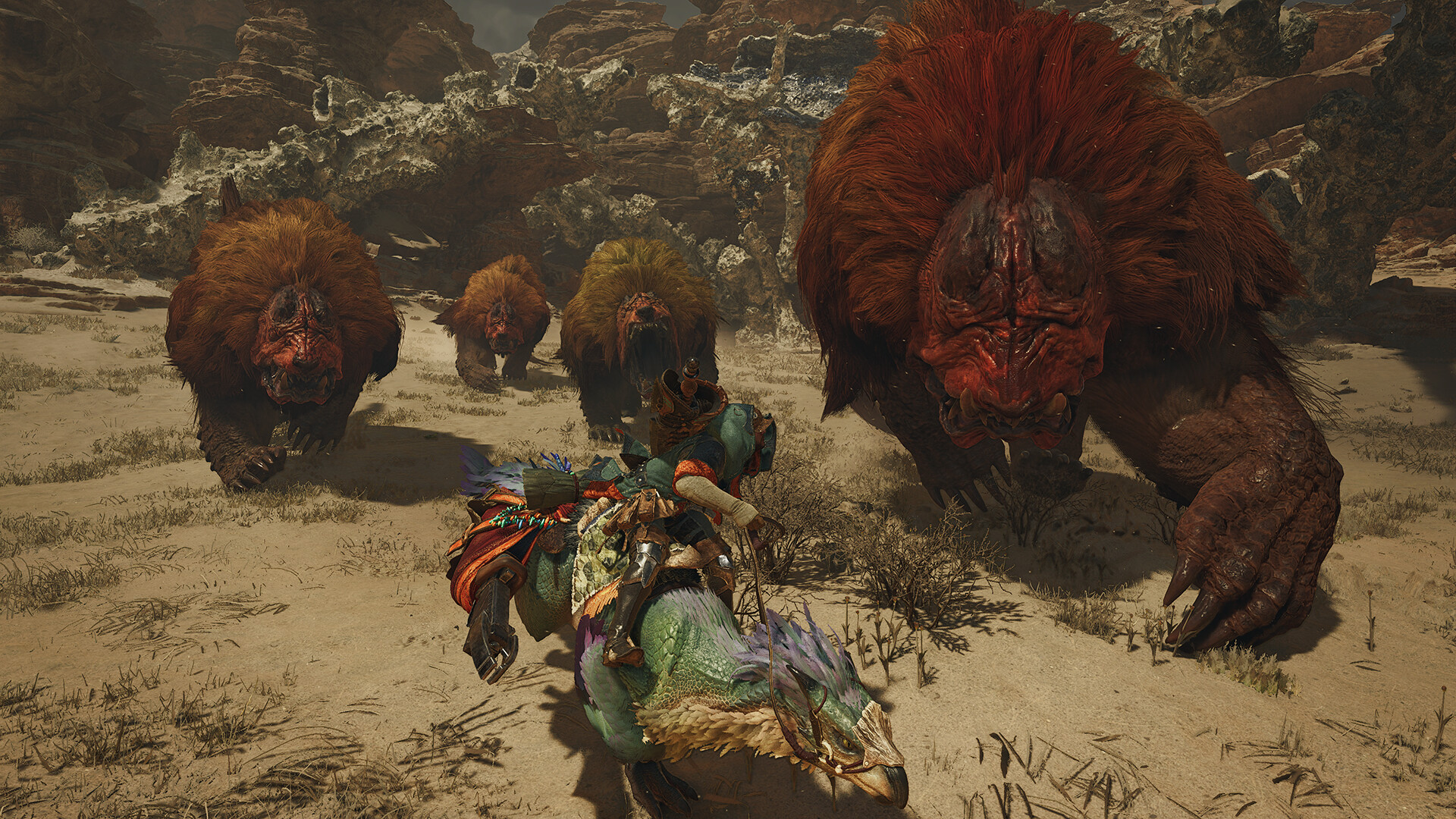
Quick Answer: The Monster Hunter Wilds Kushala Daora Monster Guide is a beginner-friendly breakdown of how to prepare, fight safely, and avoid the usual rookie mistakes when facing this wind-heavy Elder Dragon, so you can survive the hunt without eating dirt for free.
What Kushala Daora Is
Kushala Daora is a wind-based Elder Dragon that pressures beginners by controlling space, disrupting movement, and punishing sloppy positioning.
In the Monster Hunter Wilds Kushala Daora Monster Guide, the most important thing to understand is that this fight is less about raw aggression and more about managing openings. Kushala is the kind of monster that makes overeager hunters pay rent in cart fees. It is not enough to know your weapon; you also need to know when the arena itself has become part of the attack.
Kushala has historically been a monster that rewards hunters who stay patient and punish after specific animations. That general lesson still applies here. For new players, the danger usually comes from three places: getting caught too close when the monster is creating wind pressure, trying to heal in a bad lane, and committing to long combos when the opening is smaller than it looked.
A useful way to think about Kushala is this: it creates zones where you are not supposed to stand for long. If you keep trying to fight it like a regular brute-force monster, you’ll spend a lot of time getting pushed away, clipped, and generally bullied by weather. That is not a good trade.
The right beginner mindset is to treat the hunt like controlled bursts. Move in, take your hit, leave before the next gust or swat. Watch the monster’s shoulders, head, and takeoff motions. Those animations usually tell you when it is about to reposition, punish, or set up the next wind-heavy attack. If you can read those cues, the fight gets much more manageable.
For newer hunters, this is also a good fight to practice discipline with camera control and stamina. Kushala is a test of whether you can keep sight of the monster while still moving deliberately. If you lose track of it, you tend to overreact. If you overreact, you get shoved around. That loop is the whole problem.
First-Hour Checklist
Your first hour should be spent unlocking the basics, collecting early crafting material, and learning how to read Kushala’s movement instead of forcing fights.
The best opening routine in Monster Hunter Wilds is to avoid wandering aimlessly and instead focus on a short sequence of practical actions. You want to leave the first hour with better gear, a few usable consumables, and enough comfort with your weapon that the hunt feels deliberate instead of improvised.
Do these things first
- Talk to the core hub and quest NPCs so you know which progression route is actually moving the game forward.
- Craft or buy the earliest useful healing and stamina items you can access, then top them off before every hunt.
- Practice your weapon’s basic loop in a low-risk hunt before trying to force a Kushala-style encounter.
- Gather ore, bones, herbs, and other early materials every time the route is convenient.
- Set up your item loadout and radial shortcuts if the game version you are playing allows them.
- Check your armor skills and resistances instead of equipping gear only because the defense number looks larger.
The key idea is that your first hour is not for heroics. It is for reducing friction. If you enter a Kushala hunt with a messy inventory, no healing plan, and a weapon you barely understand, the monster does not need to do much. You are already helping it win.
What to focus on during early hunts
A practical early loop looks like this:
- Run a few basic hunts and gather whatever the map places in your path.
- Upgrade your weapon once you have the materials, even if the armor is still basic.
- Test whether your current weapon has reliable reach and quick recovery against mobile targets.
- Keep one hunt slot reserved for learning rather than farming.
- Save consumables that are annoying to replace for the fights that actually demand them.
This matters because Kushala punishes indecision. If you are still learning your own controls, then learning the monster at the same time becomes too much at once.
Early priorities that help later
The following resources pay off quickly:
| Early Action | Why It Matters | Example Result |
|---|---|---|
| Upgrade your main weapon | More consistent damage shortens risky openings | A faster part break or safer punish window |
| Stock healing items | Lets you recover after getting pushed out of position | Fewer forced retreats mid-fight |
| Carry stamina support items | Helps when you need to dodge repeatedly | Better survival against wind pressure |
| Build one flexible armor set | Gives you room for mixed hunts | Less gear swapping between monsters |
If you do only one thing in your first hour, make it this: build a habit of leaving camp prepared. Kushala is not the fight where you want to realize you forgot to restock after your third mistake.

You might also like
- Monster Hunter Wilds Beginner Guide
- Monster Hunter Wilds No More Mister Ice Guy 8/19 8/26 Beginner Guide
- Monster Hunter Wilds Beginner Guide: Where to Focus First
- Monster Hunter Wilds Pick Your Poison 7/22 8/12 Beginner Guide
- Monster Hunter Wilds Beginner Guide
How To Prepare For Kushala Daora
You prepare for Kushala Daora by bringing mobility, reliable healing, and a weapon plan that still works when the monster refuses to stand still.
The smartest prep is not “stack the biggest number.” It is “bring the tools that keep your offense from collapsing when Kushala starts controlling the field.” The fight feels much easier when you enter with a setup that assumes you will be forced to move, guard, or disengage often.
Gear and loadout priorities
- Use armor that supports survival first, then damage second.
- Favor skills or effects that help you keep pressure on a mobile target.
- Bring enough healing that one bad sequence does not end the hunt.
- Carry items that help with stamina management if your weapon relies on frequent dodges or pursuit.
- Keep one item set dedicated to emergency recovery so you are not browsing menus while being folded in half.
If you are deciding between a glassy damage build and a safer setup, choose the safer one for your first Kushala attempts. A beginner who stays alive longer learns more than a beginner who chases damage and carts before understanding why.
Weapons that feel comfortable for beginners
Different weapons can work, but some are easier for learning the fight because they give you better control over spacing and recovery.
| Weapon Style | Beginner Comfort | Why It Helps Against Kushala | Caution |
|---|---|---|---|
| Sword and shield | High | Fast recovery and easier item access | Lower reach means you must stay alert |
| Longsword | Medium | Good mobility and counter potential | Overcommitting is still a real issue |
| Bow | Medium | Lets you fight while repositioning | Resource management matters more |
| Great sword | Lower for beginners | Strong punishes after big openings | Slow swings can get you clipped |
| Hammer | Medium | Good impact damage when openings appear | Getting to the head can be awkward |
You do not need the “best” weapon to beat Kushala. You need a weapon you can pilot without mental lag. If your hands are still learning the button rhythm, a simpler weapon usually beats a theoretically stronger one you cannot execute cleanly.
Item prep that actually matters
The biggest beginner trap is underestimating how much comfort items matter. Healing is obvious, but the less obvious problem is staying mobile long enough to actually spend those heals safely.
Bring the usual recovery basics, and then think about what keeps your positioning clean. If you have tools that restore stamina, help you reposition, or reduce the amount of time you spend stuck in recovery animations, they are more valuable than they look.
A good early rule is simple: if an item helps you keep attacking without panic, it probably deserves space in the pouch.
The Fight Plan
You beat Kushala Daora by playing patient, punishing after safe openings, and never standing where the wind pressure wants you to stand.
The fight is not a sprint. It is a sequence of short decisions. Every time Kushala moves, you should ask the same question: “Can I hit safely, or should I reset and wait for the next opening?” Beginners often lose because they answer “yes” to everything.
Basic positioning rules
- Stay slightly off center rather than directly under the monster’s head unless your weapon and timing support it.
- Move early when you see takeoff, wing movement, or a wind-heavy posture.
- Avoid getting trapped in open space with no clean retreat path.
- Attack after the monster has committed to an action, not during its setup.
- Stop chasing damage the moment your stamina or camera control starts to collapse.
This sounds simple, and it is, but simple does not mean easy. Kushala’s value as a beginner check is that it exposes whether you can stay calm while the monster keeps reshaping the fight around itself.
Safe punish examples
A few common situations to look for:
- After a wide attack, when Kushala needs a moment to recover before shifting again.
- After a landing or repositioning sequence, when it briefly presents a stable target.
- After a failed close-range threat, when the monster turns or resets its angle.
- When the monster’s animation clearly ends and you have time for one measured combo.
- When you have already spent your stamina and need to make the next action count.
The important part is “one measured combo.” Beginners often turn a clean opening into a greedy one. That is how a safe punish becomes a cart. You do not need to empty the whole kit every time the monster blinks.
Managing wind pressure
Kushala’s wind pressure is what makes the fight feel unfair to newer players, but the answer is not panic rolling. The answer is respecting the zone and moving out before it controls your rhythm.
If you notice your attacks being pushed off line, your movement slowed, or your spacing getting worse, that is a signal to reset. Do not stay in a bad lane just because you want one more swing. The monster is trying to make you stubborn. Do not cooperate.
Common Mistakes
New players usually fail against Kushala Daora for predictable reasons, and each one has a direct fix.
This section matters because the fight punishes habits more than knowledge. Most beginners do not lose because they lack damage. They lose because they repeat the same bad decision until the hunt snowballs.
1. Chasing the monster too hard
Players keep sprinting after Kushala after every reposition, which burns stamina and creates sloppy angles.
Why it happens: the monster’s movement makes you feel like you are always one step behind, so you try to force contact.
Fix: let the monster come back into your safe lane, or reposition once and wait for the next committed attack. Use short pursuit, not a full chase sequence.
2. Healing in open space
Players try to drink or recover in the middle of a dangerous lane and get clipped before the heal lands.
Why it happens: the instinct is to fix damage immediately, even if the monster is still active.
Fix: break line of pressure first, then heal after a reposition or safe animation. Treat healing like an attack commitment, not a reflex.
3. Overcommitting to long combos
Players finish a full combo even when the opening is clearly closing.
Why it happens: the damage window looks larger than it is, especially after a successful hit.
Fix: stop one hit earlier than you think you need to. The “one more swing” habit is a classic beginner tax.
4. Ignoring stamina management
Players dodge too much or sprint too long, then have no stamina left when the real threat arrives.
Why it happens: Kushala encourages constant movement, and beginners confuse movement with safety.
Fix: move with intent. Use shorter repositioning bursts and keep a reserve for emergency dodges or exits.
5. Fighting with an untested weapon setup
Players swap to a weapon they barely know because it sounds good on paper.
Why it happens: guides and tier talk make every weapon sound like the answer.
Fix: use the weapon you can actually control cleanly. A familiar mid-power weapon beats a fancy choice you misplay.
6. Focusing on the wrong target area
Players hit whatever is nearest instead of targeting the area that gives the best safe punishes.
Why it happens: beginners panic and swing at the first opening they see.
Fix: learn where your weapon lands cleanly, then repeat that pattern. Consistency matters more than style points.
Resource Priority Order
You should spend and hoard resources in the order that improves survival, consistency, and upgrade speed, not in the order that looks flashiest.
The best resource plan for beginners is boring in the good way. You want the materials and currencies that reduce failure rates, then the ones that increase damage, and only after that the vanity picks or niche builds. Kushala is not the place to discover that your wallet was spent on the monster equivalent of a fancy hat.
Priority list
- Healing and recovery supplies.
- Weapon upgrades for your main weapon.
- Basic armor improvements that keep you alive.
- Consumables that support stamina, mobility, or utility.
- Extra weapon experiments and secondary builds.
- Luxury crafting and niche optimization.
That order works because early progression is about eliminating obvious weak points. A stronger weapon is useful, but only if you can stay alive long enough to use it. A good armor set is useful, but only if you are not ignoring weapon progression so hard that every fight drags forever.
What to hoard
- Rare upgrade materials for the weapon you actually use.
- Consumables that are annoying to restock after every hunt.
- Quest rewards or currency that unlock core progression first.
- Materials tied to survival-oriented crafting rather than cosmetic detours.
The hoarding rule is simple: if an item solves a frequent problem, keep it. If it solves a problem you do not currently have, park it for later.
What to spend early
- Basic upgrade currency on your main line of gear.
- Common crafting parts for healing and field survival.
- Resources that unlock smoother hunts rather than raw luxury.
What to delay
- Building three different weapon paths at once.
- Crafting for looks before function.
- Chasing specialized setups before you have a stable baseline.
For new hunters, the first big mistake with resources is trying to be flexible too soon. Flexibility is earned after you have one dependable loadout, not before.
Pro Tips
These are the small adjustments that make the Kushala fight feel much less chaotic once the basics are in place.
Tip 1. Watch the recovery, not just the attack
Kushala’s danger is often lower after the hit than during the wind-up, so learn the end of the animation first. If you react to the end of the motion, you can punish instead of panic.
Tip 2. Use short reposition loops
When you are forced out of a good spot, move to the next safe spot and stop. Repositioning in one clean step is better than circling the monster and burning stamina for no gain.
Tip 3. Keep one button sequence for emergencies
Have a practiced escape pattern for healing, item use, or disengage. In a live hunt, hesitation during menuing is how beginners get clipped during recovery.
Tip 4. Build around consistency for the first clear
If you are using Sword and Shield, Longsword, or Bow, favor comfort and uptime over greedy damage. The first clear is about making the fight repeatable, not screenshot-worthy.
Tip 5. Punish after the monster chooses movement
Kushala gives you better value after it commits to relocation or a wide action. That is your signal to take a controlled punish instead of trying to force constant contact.
Tip 6. Save your best recovery tools for the ugly phase
Do not spend every emergency item early. If the fight gets messy and your route breaks down, you want a real backup plan instead of an empty pouch and a regret spiral.
Graduation Threshold
You are out of the beginner phase when you can survive Kushala Daora consistently, keep your weapon uptime stable, and recover from mistakes without losing the whole hunt.
A lot of players think they graduate when they get their first clear. That is too early. One lucky run means you got through the fight once. Being past beginner level means you can reproduce the result even when the hunt gets awkward.
Signs you have graduated
- You can explain why a death happened without blaming the game first.
- You know when to attack and when to stop.
- You can heal without turning it into a second accident.
- You can keep your stamina under control during long reposition sequences.
- You can complete the hunt with a weapon you understand, not just one with big numbers.
- You no longer feel lost after Kushala changes pace.
A simple self-test
If you can do the following, you are in good shape:
- Enter the hunt with a complete item loadout.
- Identify one safe punish pattern.
- Avoid at least one obvious wind-pressure trap.
- Recover from a bad exchange without panicking.
- Finish the hunt while still knowing what the monster’s key threats are.
That is the real threshold. Not perfection, just control. Once you have control, you can start refining damage, routing, and build efficiency. Before that, every upgrade is just damage taped onto confusion.
What comes after beginner status
After you are stable, you can start optimizing for:
- Faster clear times.
- Part-breaking routes.
- Better build synergy.
- Weapon-specific punish windows.
- More aggressive positioning when you already know the monster’s rhythm.
That is where the fight becomes interesting instead of merely survivable.
Related Guides
- Monster Hunter Wilds Beginner Guide Monster Hunter Wilds early weapon tier guide
- related guide Monster Hunter Wilds beginner armor build guide
- Monster Hunter Wilds Beginner Guide Monster Hunter Wilds main story walkthrough
- related guide Monster Hunter Wilds best starter weapons
- monster hunter like tips Monster Hunter Wilds boss preparation guide
- related guide Monster Hunter Wilds hunting tips for new players
Sources
- https://en.wikipedia.org/wiki/Monster_Hunter_Wilds
- https://en.wikipedia.org/wiki/Monster_Hunter_Wilds
See also
- Monster Hunter Wilds Beginner Guide: What to Do First
- Monster Hunter Wilds Beginner Guide: Getting Started Fast
- Monster Hunter Wilds Beginner Guide
- Monster Hunter Wilds Hungry for Ore 8/26 9/9 Beginner Guide
- Monster Hunter Wilds Beginner Guide
- Monster Hunter Wilds Daughters of Carabosse 4/22 5/6 Beginner Guide
- Monster Hunter Wilds Beginner Guide: Getting Started Fast
- Monster Hunter Wilds Beginner Guide
- Monster Hunter Wilds Beginner Guide: The Shining Storm Rages 5/6 5/20
- Monster Hunter Wilds Careening Out of Control 4/22 5/6 Beginner Guide
Screenshots


Reviewed by
MH Wilds Guides Editorial
Expertise: Editorial team behind MH Wilds Guides. Content is compiled from official patch notes, community wikis, and playthrough notes, then reviewed and updated on schedule.
Sources
Monster Hunter Wilds Monsters Guides →
Browse the complete monsters collection and its focused guides.
Related Guides

🔥 Popular Guides
Monster Hunter Wilds Good Beginner Weapons: Complete Beginner Guide
Best starter weapons, first-hour checklist, common mistakes, and beginner progression tips for Monster Hunter Wilds.
Monster Hunter Wilds patch notes 2026-09-04: Patch Notes Explained
Explained update notes, verified fixes, content changes, and what hunters should do next in Monster Hunter Wilds.
monster hunter wilds weapons for beginners: Beginner Guide
Learn the best starter weapons, first-hour priorities, common mistakes, and when you have outgrown beginner play in Monster Hunter Wilds.
Monster Hunter Wilds mh wilds balance patch notes Explained
Patch-by-patch Monster Hunter Wilds balance changes, winners, losers, and what players should do after Version 1.030.01.00.
📋 Patch Notes & Updates
🛠️ Popular Tools
Was this guide helpful?
Rate this guide so we can improve it.
Share your own tip
Found something not in the guide? Submit it below — our editors review every tip before publishing. No account required.