 Monster Hunter Wilds
Monster Hunter Wilds Sword and Shield Weapon Tree Beginner Guide
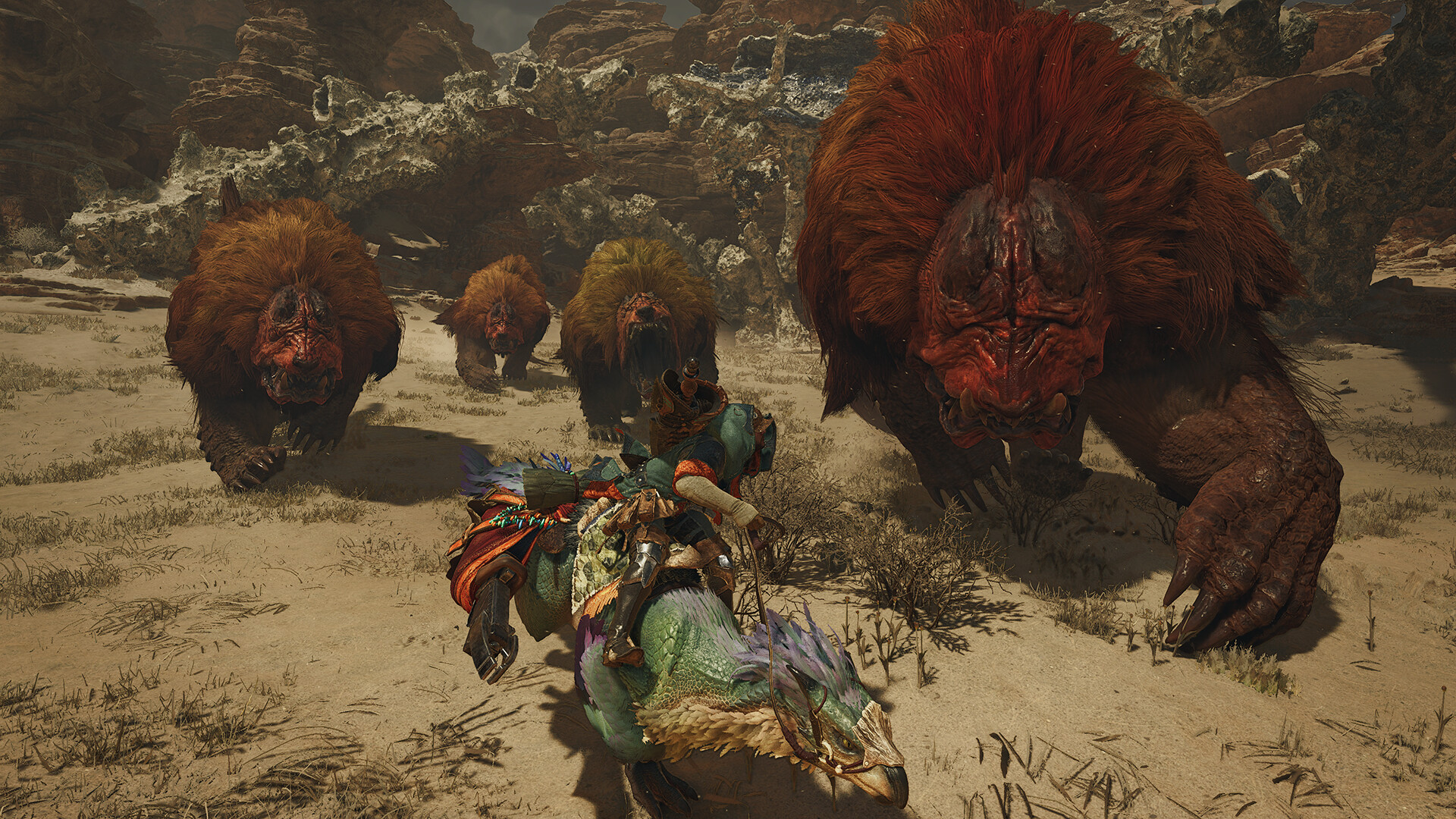
Quick Answer: The Monster Hunter Wilds Sword and Shield Weapon Tree is the best place to start if you want fast attacks, shield safety, and flexible crafting choices that let you learn hunts without locking yourself into a single slow, punishing path.
Monster Hunter Wilds is a 2025 action role-playing game developed and published by Capcom, and it launched worldwide on PlayStation 5, Windows, and Xbox Series X/S with cross-platform play on February 28, 2025. Source
Why Sword and Shield is a Great Beginner Pick
Sword and Shield is a great beginner pick because it gives you low-commitment attacks, a usable shield, and enough mobility to learn monster behavior without constantly eating punishment. If you are just entering the Monster Hunter Wilds Sword and Shield Weapon Tree, the weapon line rewards clean fundamentals more than perfect execution, which makes it ideal for a first clear path, a casual farming route, and a flexible endgame transition later on. That matters in Wilds because new players usually struggle more with positioning, item use, and timing than with raw damage optimization.
Sword and Shield also teaches the broader Monster Hunter language better than many other weapons. You learn when to sheath, when to commit, and when to stay near the monster’s legs or head. You can practice on easy openings against early foes such as Doshaguma-style pack threats, smaller wildlife, and the first larger monsters that punish greed. Because you can block in a pinch, you are less likely to lose a hunt after one mistake, and because your attacks are quick, you can still capitalize on short windows like a topple, a roar recovery, or a trap setup.
The biggest beginner advantage is versatility. Sword and Shield can handle raw damage, status pressure, and item-centric play patterns without needing you to relearn the whole weapon. That flexibility means the weapon tree often gives you more practical choices than pure “best damage” chasing suggests. For a new hunter, the best branch is not always the branch with the biggest-looking number; it is the one that gives you sharpness comfort, easy upgrades, and a material cost you can actually sustain while learning the game loop. If you are comparing branches, think in terms of “what helps me survive and keep uptime” rather than “what looks strongest on paper.”
First-Hour Checklist
Your first hour should be spent unlocking systems, stabilizing your inventory, and setting up a weapon path you can actually maintain. The best early routine is not to rush story fights blindly, but to build a loop: accept quests, gather basic materials, test the Sword and Shield moveset on small targets, and upgrade along the Monster Hunter Wilds Sword and Shield Weapon Tree only when the materials are not going to starve your armor or item supply.
1) Finish the opening tutorial beats without skipping tool prompts
Do not mash through the initial tutorial pop-ups, because Wilds uses those early prompts to teach you core interactions that matter later in every hunt. Pay attention to crafting, map navigation, item pouch usage, and how the game marks objectives. For Sword and Shield, early knowledge of item use is especially valuable because the weapon supports a more fluid, utility-heavy style than many other arms. If the game gives you a chance to practice at camp or in a low-risk zone, use it to understand item bar cycling, shortcut behavior, and how quickly you can recover after a roll.
2) Build the first usable Sword and Shield branch, not the fanciest one
Pick the branch that is easiest to upgrade from the materials you are already collecting. In a beginner phase, the best early branch is usually the one that stays on the shortest upgrade chain and asks for common monster parts rather than rare tail cuts or niche drops. For example, if one path asks for basic bone- or ore-like materials and another requires a part from a monster you have not farmed comfortably yet, choose the practical route first. This keeps your weapon current without forcing grind detours that slow story progression.
3) Test your shield timing against small threats
Use the shield on predictable attacks from small monsters and environmental pressure before relying on it in a major hunt. Try blocking one lunge, then rolling out, then countering with a short combo. Repeat on a pack encounter and on a larger creature with obvious windups. This teaches the difference between “safe to block,” “safe to dodge,” and “safe to disengage,” which is one of the most important skill checks for Sword and Shield players.
4) Gather early ingredients instead of selling everything
Do not liquidate every resource item just because it looks common. Hoard herbs, mushrooms, and any basic crafting components that feed healing, trap support, or weapon/armor upgrades. Early on, your supply stability matters more than a few extra currency points. If you find yourself leaving the field with empty healing stock, that is a sign you sold too aggressively and are underinvesting in sustain.
5) Make one armor upgrade pass before chasing another weapon branch
If you can improve your survivability with a small armor investment, do it before chasing a side-grade weapon. Sword and Shield is strong because it lets you survive close-range pressure, but that advantage becomes much better when your armor can absorb a missed read. In practice, this means you should not tunnel on weapon progression so hard that every hit becomes lethal. A beginner who stays alive longer learns more from each hunt, which speeds up improvement faster than tiny damage bumps do.
6) Set your first route around one target monster and one resource loop
Choose one monster line for weapon parts and one gathering loop for support materials. For example, your hunts might focus on a low-risk early large monster while your exploration loop collects herbs, ores, and upgrade fodder along the way. That balance prevents the common beginner problem of having a half-built weapon and no healing items because all your time went into fighting and none into field collection.

You might also like
- Monster Hunter Wilds Beginner Guide
- Monster Hunter Wilds Sand-Scarred Soul 3/18 3/25 Beginner Guide
- Monster Hunter Wilds Beginner Guide
- Monster Hunter Wilds Beginner Guide: Getting Started Fast
- Monster Hunter Wilds Stalking Supper 3/4 3/11 Beginner Guide
Understanding the Weapon Tree
The Sword and Shield weapon tree is about practical progression, not only about raw attack value, and beginners should read it as a series of tradeoffs between uptime, materials, and comfort. In Monster Hunter Wilds, the “right” branch is the one that fits your current hunt pace and upgrade economy, especially while you are still learning monster tells and map routes. The Monster Hunter Wilds Sword and Shield Weapon Tree typically asks you to decide between simpler early paths, more specialized upgrade lines, and future-proof branches that may be slightly more expensive to maintain.
At a high level, you want to treat the tree as three kinds of choices:
- Comfort branches: These are the routes that are easiest to upgrade and easiest to keep current.
- Specialized branches: These may push a status effect, a sharper damage profile, or a different play pattern.
- Transition branches: These are the lines you choose when you know what build direction you want later, such as a raw-focused setup or a status-oriented setup.
If you are unsure, comfort first is usually correct. Sword and Shield performs well when you are actively attacking, but active attacking only happens if you are alive, positioned well, and not constantly pausing to recover from avoidable mistakes. That is why a beginner-friendly tree choice often beats a theoretically stronger branch that sits behind awkward material gates. You are not just choosing damage; you are choosing hunt consistency.
A useful beginner rule is to ask three questions before committing to a branch:
- Can I upgrade this soon with materials I already know how to farm?
- Does this branch improve my current hunt experience, not just a future build?
- Will I regret delaying armor or item crafting because of this weapon investment?
If the answer to any of those is “no,” keep the branch in mind but do not force it immediately. The best beginner progression is one that keeps your toolbox broad and your upgrade rhythm steady.
What to look for in early branches
In practice, beginners should prioritize:
- Easy upgrade materials
- Reliable sharpness or comfort
- Reasonable crafting cost
- No awkward dependency on a rare monster part too early
- A branch that complements your current armor, not a future ideal set
For example, if one line gives slightly better offense but demands a part you have not farmed naturally, while another line is a smooth upgrade using common parts and keeps your runs stable, take the smoother line first. Later, after you understand your preferred hunt pace, you can swap toward a more optimized choice.
When the tree matters less than your fundamentals
The tree matters less when your core execution is still unstable. If you are missing openings, forgetting item use, or getting clipped by simple telegraphs, a better branch will not solve the underlying issue. In that situation, the best “upgrade” is often learning how to maintain blade uptime, how to place yourself beside or behind the monster, and how to avoid overcommitting after a single safe hit. Once those habits are in place, the tree becomes a meaningful optimization layer instead of a crutch.
Resource Priority Order
Your resource priority order should favor survival, then consistency, then weapon progression, because Sword and Shield only shines when you can keep attacking without running dry. Beginners often make the mistake of treating every craftable item as equally important, but in reality some resources should be hoarded, some spent freely, and some reserved for specific milestones in the Monster Hunter Wilds Sword and Shield Weapon Tree.
| Priority | Spend / Hoard / Craft | Why it matters | Early examples |
|---|---|---|---|
| 1 | Craft healing and survival items | Lets you keep learning hunts instead of failing after one mistake | Potions, recovery support items, emergency healing stock |
| 2 | Hoard common upgrade materials | Prevents dead-end crafting when a better branch opens up | Ore-like or bone-like mats, basic monster parts |
| 3 | Spend on a single main weapon path | Avoids split progression and weak half-builds | One Sword and Shield line you can keep current |
| 4 | Upgrade armor selectively | Improves survival more than tiny offense gains do early | One or two key defensive upgrades |
| 5 | Craft niche side tools later | Useful after your main loop is stable | Traps, status support, or backup consumables |
The core rule is simple: if a resource helps you survive more hunts, it is worth more than a minor damage bump right now. That means healing items and craft ingredients come before cosmetic spending, experimental side weapons, or speculative upgrades on a branch you may not continue using. If the game allows early gathering runs, use them to stock the basics instead of burning everything on one flashy craft.
Hoarding is especially important for weapon parts that appear common but are actually the bottleneck in your current progression. New players often spend a key part on a side branch because they saw an early stat increase, only to realize later that they cannot complete the main branch they actually wanted. A better approach is to keep one “main path” reserve and only divert materials when the new branch solves a real problem such as sharpness upkeep, reach comfort, or a status you actively use.
What to spend immediately
Spend immediately on:
- Healing supplies
- Basic survival tools
- The one Sword and Shield line you are actively using
- Minimal armor upgrades that stop you from being one-shot by routine mistakes
What to hoard aggressively
Hoard aggressively:
- Rare monster parts until you know your branch
- Upgrade materials you only have in small numbers
- Any component tied to a later tree pivot
- Convenience items you may need for repeated farming runs
What not to overcraft
Do not overcraft:
- Multiple weapon branches at once
- Armor pieces that do not support your current playstyle
- Consumables you cannot realistically replace
- “Just in case” upgrades for weapons you do not plan to equip soon
If you are unsure whether to spend or save, ask whether the item makes your next three hunts easier. If it only helps in a hypothetical future build, keep it in reserve.
Common Mistakes New Sword and Shield Players Make
Common mistakes happen because Sword and Shield feels safe enough that players get sloppy, but the weapon still punishes greed, bad positioning, and poor upgrade discipline. The good news is that each mistake has a direct fix, and the sooner you correct them, the faster the Monster Hunter Wilds Sword and Shield Weapon Tree becomes a real progression system instead of a confusing menu.
Mistake 1: Chasing damage branches too early
Players often pick the branch with the biggest-looking attack gain even when they cannot support the materials or maintain the rest of their kit.
- Why it happens: Damage numbers are easy to understand, while upgrade economy is less obvious.
- Fix: Choose the branch you can keep current through normal play, then pivot later when you have the monster parts and confidence to sustain it.
Mistake 2: Treating the shield like a permanent safety net
Some beginners block everything and stop learning monster movement, which creates bad habits and burns stamina or positioning opportunities.
- Why it happens: The shield feels forgiving, so players overtrust it.
- Fix: Block only predictable attacks, then practice dodging and repositioning after one or two safe actions. Use the shield as insurance, not as your default answer.
Mistake 3: Overcommitting after a single opening
Sword and Shield is fast, so new players sometimes mash through a combo and get caught by a monster’s retaliation.
- Why it happens: The weapon’s speed makes aggression feel low-risk.
- Fix: End your combo early when the monster is about to recover, especially after roars, body shifts, or a second telegraphed swing. One clean hit is better than a greedy cart.
Mistake 4: Ignoring item economy
Beginners often forget to restock healing items or hoard materials until they are forced into a weak hunt.
- Why it happens: Early hunts can feel forgiving, so item management seems optional.
- Fix: After each hunt, check what you used and immediately replenish essentials before starting another quest or branch upgrade.
Mistake 5: Upgrading every available branch
New hunters sometimes spread resources across several weapon paths because they want to “test options,” but this delays real power spikes.
- Why it happens: The tree invites experimentation and every branch looks tempting.
- Fix: Keep one primary Sword and Shield path and one backup only if you genuinely need a status or comfort swap for a specific monster.
Mistake 6: Fighting monsters in bad terrain
Players often take bad angles around rocks, slope breaks, or narrow lanes, then blame the weapon when the real issue is camera and positioning.
- Why it happens: The battlefield feels manageable until a larger monster turns into the terrain.
- Fix: Reposition before you commit. Use open ground when possible, and reset the fight if the camera or layout is ruining your ability to read attacks.
These mistakes matter because beginners tend to blame the weapon tree when the real issue is decision quality. Once you stop overinvesting in a bad branch, stop blocking everything, and stop ignoring supplies, the weapon immediately becomes easier to use.
Common Mistakes
The most common beginner errors with Sword and Shield are avoidable, but they appear repeatedly because the weapon’s flexibility hides bad habits. Fixing them early will make your progression through the Monster Hunter Wilds Sword and Shield Weapon Tree much smoother.
Mistake: Ignoring upgrade economy
- Why players do it: They see one strong branch and assume the best gear is always the correct next step.
- Concrete fix: Keep one main weapon line and only commit to upgrades you can support with materials from hunts you already clear comfortably.
Mistake: Using the shield as a panic button every time
- Why players do it: The shield reduces fear, so players block when they should reposition or roll.
- Concrete fix: Practice one hunt where you block only obvious heavies and dodge lighter strings, so you learn the difference.
Mistake: Attacking until the monster punishes you
- Why players do it: Sword and Shield attacks are fast enough to feel “free.”
- Concrete fix: Stop after a short confirmed string when the monster’s posture changes, then reset to neutral.
Mistake: Selling or ignoring basic materials
- Why players do it: Early loot looks abundant, so hoarding seems unnecessary.
- Concrete fix: Save common healing and crafting materials until you know which item loop you rely on most.
Mistake: Splitting resources across multiple branches
- Why players do it: The tree offers too many tempting side routes.
- Concrete fix: Pick one primary branch for progression and treat other branches as future options, not current projects.
Mistake: Staying in bad camera positions
- Why players do it: Beginners focus on the monster and forget their angle, especially in narrow spaces.
- Concrete fix: Back out, re-center, and re-engage from open ground before committing to a longer combo.
Pro Tips
Advanced Sword and Shield play starts once you stop thinking only about “can I hit this?” and begin thinking about “can I keep hitting this while staying safe and stocked.” These tips help you make the Monster Hunter Wilds Sword and Shield Weapon Tree work for you instead of turning into a distraction.
Tip 1. Use short attack windows to build confidence
When a monster finishes a roar, heavy swipe, or recovery hop, take only the shortest punish that still feels guaranteed. That habit trains you to value uptime over greed, which is exactly how Sword and Shield stays strong in long hunts.
Tip 2. Treat item use as part of your weapon identity
If a hunt gives you a safe lull after a topple or trap, use that moment for healing, repositioning, or support items instead of only attacking. Sword and Shield can weave items into its rhythm better than many weapons, so beginners should build that habit early.
Tip 3. Keep one comfort branch and one targeted branch in mind
A comfort branch helps in general farming, while a targeted branch can be swapped in for specific monster matchups or preferred status play. For example, one line may help you farm safely while another better fits a status-focused route against a monster you farm repeatedly.
Tip 4. Learn two opening patterns per monster
Instead of memorizing every attack, learn two reliable openings: one after a big whiff and one after a predictable combo ender. On monsters like early brute-style threats or agile mid-game targets, this gives you a repeatable framework and lowers the mental load.
Tip 5. Stop upgrading the moment your materials become awkward
If the next tree step requires parts you cannot comfortably farm yet, pause and farm what you need rather than forcing a weaker interim path. That prevents half-finished builds and keeps your progression clean.
Tip 6. Use your shield to save hunts, not to define them
A well-timed block after a mistake is great. A habit of blocking every situation is not. If you notice yourself ending fights with lots of blocked hits and very little movement learning, you are using the shield too defensively and should push yourself to dodge more.
Graduation Threshold: When You Are No Longer a Beginner
You are out of the beginner phase when you can choose a Sword and Shield branch for a reason, maintain your item stock without thinking, and finish hunts without relying on panic blocks or random button mashing. In practical terms, graduation means you no longer need the game to carry your decisions; you are making consistent ones yourself.
A good self-check is whether you can do the following across multiple hunts:
- Identify which branch in the weapon tree matches your current goal
- Keep healing items stocked before every quest
- Recognize when to attack, block, or disengage without guessing
- Upgrade armor and weapon in a balanced way
- Clear monsters while taking fewer avoidable hits than before
If you can take on several different monsters, read their openings, and choose between comfort or specialization in the tree without hesitation, you have likely moved past the beginner stage. Another sign is when you stop asking “what is the strongest weapon?” and start asking “what branch fits this hunt, this armor, and this farming route?” That mindset shift is the real graduation marker.
Examples of beginner-to-intermediate transition behavior include:
- You farm one monster line for materials without needing repeated restarts.
- You know when a branch is a sidegrade instead of an upgrade.
- You can finish a hunt and restock in one clean routine.
- You use your shield and dodges as tools rather than habits.
- You understand that one build may be better for general questing while another is better for a specific target.
Once those things feel normal, you are ready to move beyond beginner routing and into more deliberate build planning. At that point, the weapon tree becomes a planning system rather than a guessing game.
Related Guides
These sibling guides are the natural next steps after you finish your starter Sword and Shield setup.
- Monster Hunter Wilds Sword and Shield Tier List
- Monster Hunter Wilds Best Early Game Builds
- Monster Hunter Wilds Beginner Walkthrough
- Monster Hunter Wilds Armor Progression Guide
- Monster Hunter Wilds Weapon Tree Overview
- Monster Hunter Wilds Status Build Guide
- Monster Hunter Wilds Resource Farming Guide
Sources
- https://en.wikipedia.org/wiki/Monster_Hunter_Wilds
- https://en.wikipedia.org/wiki/Monster_Hunter_Wilds
See also
- Monster Hunter Wilds Chemicus Nocturnus 4/22 5/6 Beginner Guide
- Monster Hunter Wilds Peak Nerscylla 5/20 5/27 Beginner Guide
- Monster Hunter Wilds Romping Around 5/20 5/27 Beginner Guide
- Monster Hunter Wilds Beginner Guide
- Monster Hunter Wilds No More Mister Ice Guy 8/19 8/26 Beginner Guide
- Monster Hunter Wilds Congalala Cravings 3/25 4/1 Beginner Guide
- Monster Hunter Wilds Beginner Guide: Where to Focus First
- Monster Hunter Wilds Eldrich Enigma 8/12 8/19 Beginner Guide
- Monster Hunter Wilds Beginner Guide: What to Do First
- Monster Hunter Wilds Beginner Guide
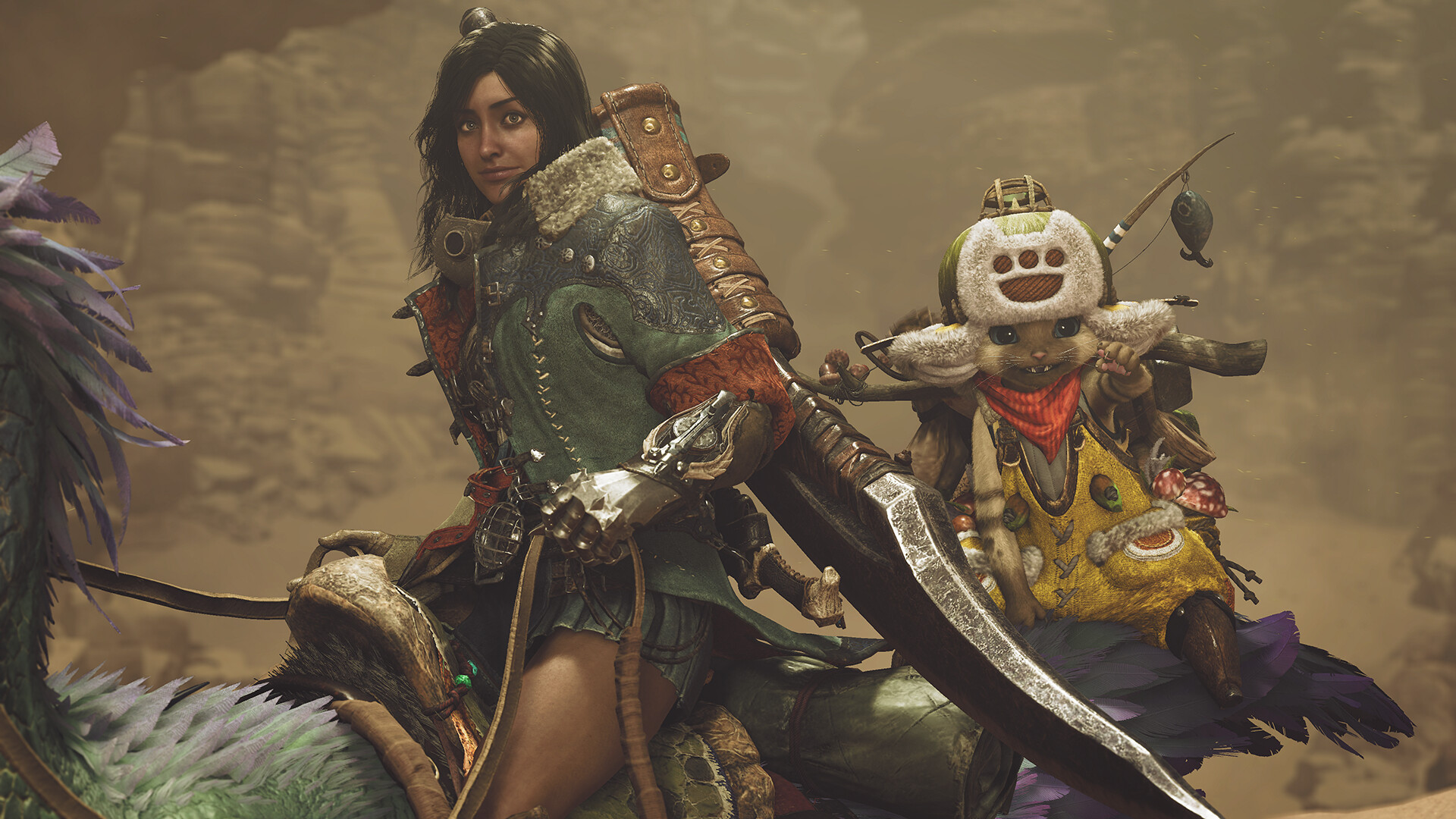
Screenshots


Reviewed by
MH Wilds Guides Editorial
Expertise: Editorial team behind MH Wilds Guides. Content is compiled from official patch notes, community wikis, and playthrough notes, then reviewed and updated on schedule.
Sources
Monster Hunter Wilds Weapons Guides →
Browse the complete weapons collection and its focused guides.
Related Guides
🔥 Popular Guides
Monster Hunter Wilds Good Beginner Weapons: Complete Beginner Guide
Best starter weapons, first-hour checklist, common mistakes, and beginner progression tips for Monster Hunter Wilds.
Monster Hunter Wilds patch notes 2026-09-04: Patch Notes Explained
Explained update notes, verified fixes, content changes, and what hunters should do next in Monster Hunter Wilds.
monster hunter wilds weapons for beginners: Beginner Guide
Learn the best starter weapons, first-hour priorities, common mistakes, and when you have outgrown beginner play in Monster Hunter Wilds.

Monster Hunter Wilds mh wilds balance patch notes Explained
Patch-by-patch Monster Hunter Wilds balance changes, winners, losers, and what players should do after Version 1.030.01.00.
📋 Patch Notes & Updates
🛠️ Popular Tools
Was this guide helpful?
Rate this guide so we can improve it.
Share your own tip
Found something not in the guide? Submit it below — our editors review every tip before publishing. No account required.