 Monster Hunter Wilds
Monster Hunter Wilds Bow Build Guide
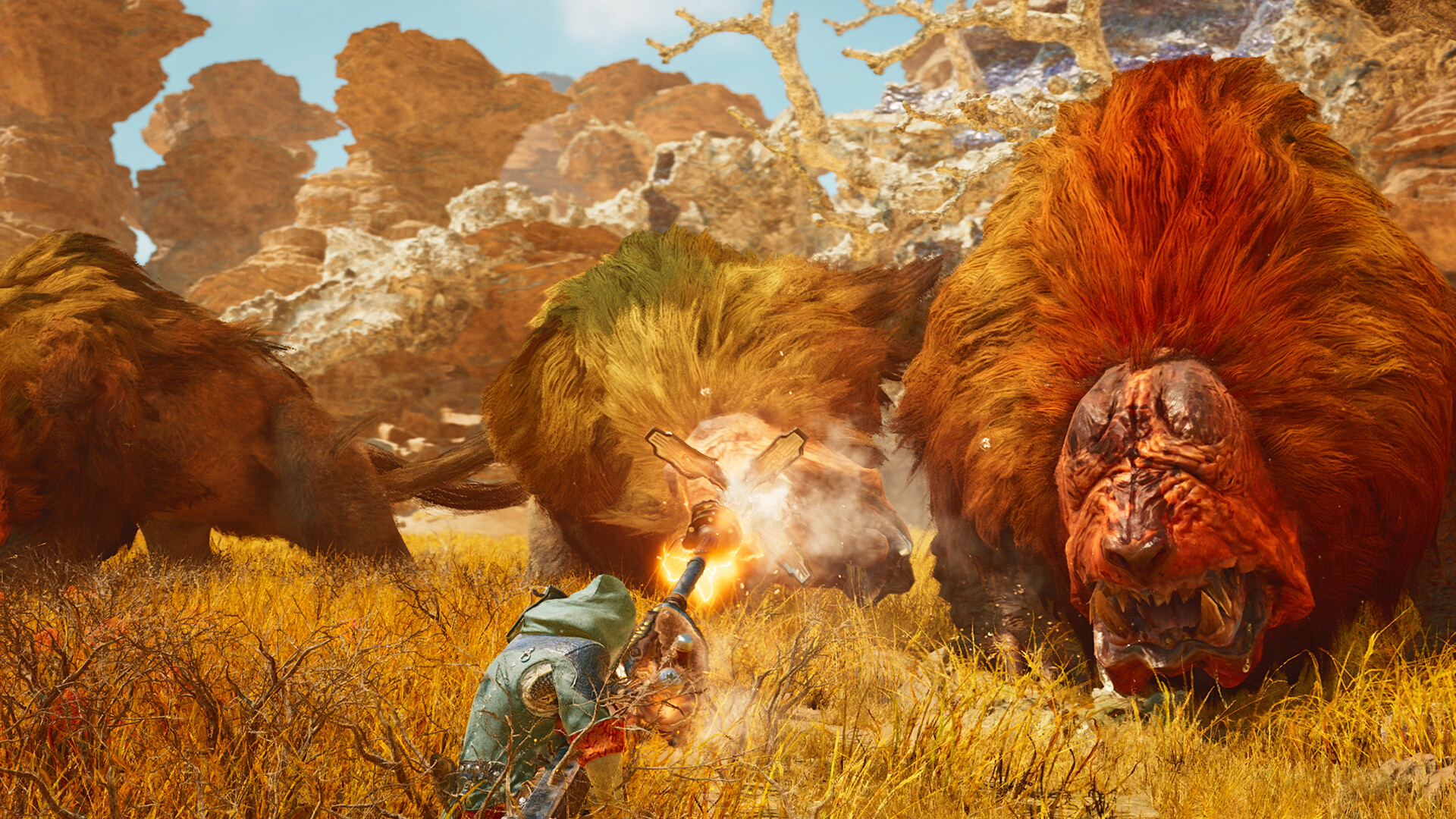
Quick Answer: The best Monster Hunter Wilds bow build is a mobile, stamina-efficient crit setup that keeps you at mid-range, boosts elemental damage, and prioritizes safe shot uptime over greedy openings.
Monster Hunter Wilds is a 2025 action RPG from Capcom Source, and its world keeps shifting in ways that reward flexible builds more than rigid ones. The Steam description leans hard into that idea too: “the unbridled force of nature runs wild and relentless, with environments transforming drastically from one moment to the next” Source. That matters for bow because the weapon thrives when you can keep moving, read monster behavior, and keep pressure on weak points without planting your feet like a lawn ornament.
If you want the short version, bow is a precision weapon with a very simple job: stay alive, stay close enough for damage, and never let stamina get away from you. The build below is tuned for that exact loop, with a practical split between budget-friendly options and endgame upgrades, plus the usual list of monsters that love to ruin ranged players’ day.
Build Identity
This bow build is a high-mobility elemental crit setup that plays like a predator circling the fight instead of face-tanking it.
The elevator pitch is simple: you keep constant pressure on weak points, punish openings with burst shots, and use stamina management to stay slippery enough that the monster starts missing like it owes you money.
What This Build Does Well
- Delivers strong sustained damage when you can keep weak-point access
- Scales cleanly with elemental matchups, which is where bow usually starts feeling unfair
- Rewards clean positioning more than perfect memorization, so it stays practical in the current meta
- Plays well in co-op because you can keep firing while others draw aggro
What It Does Not Do Well
- It hates stamina mismanagement more than most weapons
- It loses value if you panic-roll and break your spacing
- It can feel awkward against enemies that spend a lot of time airborne, burrowing, or body-blocking their own weak spots
For a broader ranged setup perspective, pair this with get hunter symbol once you start comparing weapon families.
Stat Priorities
These are the stat and attribute priorities for the best monster hunter wilds bow build, ordered from most important to least important.
- Elemental damage first - Bow gets a lot of mileage from matching the monster’s weakness, so the right element usually outperforms raw comfort picks when you already know the hunt.
- Affinity / crit support - Critical consistency helps your damage stay stable instead of spiking only when the stars align and the monster is also politely standing still.
- Stamina efficiency - If stamina evaporates too fast, your damage and survivability both collapse because bow is basically a cardio exam with arrows.
- Shot power / general damage boosts - These are still important, but they usually come after your core elemental and crit package is online.
- Survivability comfort - Defensive value matters, but only enough to keep your offense running; bow gets punished when the build turns too passive.
Attribute Logic
- Elemental matching is the main scaling lever, especially when you can swap bows by target.
- Affinity smooths out damage and makes burst windows much more reliable.
- Stamina support directly improves uptime, which is the real resource bow players are always spending.
- Defense utility is there to keep mistakes from becoming cart animations.

Skill Priority
The best bow skill priority is to stabilize stamina, then build damage around that base.
- Stamina sustain or stamina recovery
- Elemental boost for your current bow
- Crit or affinity support
- Charge and shot efficiency skills
- General damage boosters
- Comfort skills that reduce interruption or improve positioning
Rotation Pattern
- Open at safe mid-range and identify the monster’s preferred attack cadence.
- Maintain charged pressure without overcommitting to greed shots.
- Spend burst windows on weak spots rather than spraying damage into armor.
- Back out early when stamina gets low so you never get trapped in a bad dodge loop.
- Re-center after every monster reposition because bow loses value fast when you chase too hard.
Priority Table
| Priority | Skill Type | Why It Matters |
|---|---|---|
| S | Stamina sustain | Bow dies without it; you need enough gas to dodge and keep firing |
| S | Elemental damage | This is where bow’s damage ceiling starts behaving |
| A | Affinity / crit | Makes your output consistent across long hunts |
| A | Shot efficiency | Improves how much damage each opening actually converts into |
| B | General attack boosts | Good, but usually secondary to element and stamina |
| B | Comfort / anti-interrupt | Keeps your rhythm from falling apart under pressure |
Gear Loadout
The ideal loadout uses an elemental bow, stamina-friendly armor skills, and enough utility to stay on target without turning every hunt into a marathon.
| Slot | Item | Reason |
|---|---|---|
| Weapon | Best elemental bow for the target monster | Elemental matchup is the main damage lever for bow |
| Head | Armor with stamina or affinity support | Helps you keep pressure up without burning out |
| Chest | Armor with elemental or shot-related bonuses | Pushes your main damage plan forward |
| Arms | Armor with crit or stamina utility | Adds consistency and smoother rotations |
| Waist | Armor with mobility or damage utility | Bow loves pieces that keep positioning clean |
| Legs | Armor with movement or stamina support | Makes dodging and re-spacing less painful |
| Charm / Talisman | Best stamina or element option available | Fills the exact gap your armor set leaves behind |
| Mantle / Tool | Defensive or evasive utility | Helps you survive the monster’s nastier burst patterns |
Best-In-Slot Logic
- Weapon choice should follow monster weakness first, weapon tier second.
- Armor choice should support uptime, not just raw paper DPS.
- Utility slots are there to smooth hunts, not to win a fashion contest with the loading screen.
Example Loadout Philosophy
- Use one bow per major element if your inventory allows it.
- Keep one comfort variant for matchups where survival matters more than theoretical peak damage.
- Swap pieces with weak elemental synergy only when the raw skill package is clearly better.
Budget vs Endgame
The budget version of this bow build uses comfort-first gear and a good enough elemental bow, while the endgame version leans into tighter skill stacking and better stat alignment.
Budget Starter Substitutes
- Use the best available elemental bow even if it is not perfect in slot layout.
- Prioritize stamina support over fancy crit stacking early on.
- Mix in general mobility and recovery pieces if your damage set keeps getting interrupted.
- Take a single reliable defensive option if learning the monster is still the bigger problem.
Endgame Upgrades
- Swap into a bow with stronger elemental synergy for the specific hunt.
- Tighten armor pieces toward stamina, element, and affinity rather than broad comfort.
- Replace generalist gear with specialized matchup sets once you know the monster’s patterns.
- Fine-tune your charm and decoration choices so the build stops wasting slots on redundant utility.
Budget vs Endgame Table
| Version | What You Run | Why It Works |
|---|---|---|
| Budget | Best available elemental bow, stamina comfort armor | Easy to build, stable, and good for learning hunts |
| Midgame | Target-specific elemental bow, mixed utility set | Better damage without demanding perfect execution |
| Endgame | Optimized elemental bow, crit and stamina stacked gear | Highest uptime and strongest matchup performance |
Hard Matchups
The bow build struggles most against monsters that constantly break line of sight, deny weak-point access, or force you into stamina-draining panic movement.
Problem Matchups
- Highly mobile targets that leap, burrow, or sprint constantly
- Large, awkward hitbox monsters that hide their best damage zones behind body parts
- Aggressive pressure monsters that punish every low-stamina dodge
- Fight phases with frequent environmental chaos where positioning gets messy fast
How To Adapt
- Switch to a more comfortable elemental setup if the ideal damage bow is too punishing to use.
- Value survivability and stamina recovery more when the monster is fast and erratic.
- Play a little closer to the monster’s movement lane so you are not always chasing weak spots from the wrong angle.
- Stop forcing burst damage when the opening is fake; bow loses hunts by overextending, not by being timid.
Practical Counter Rules
- If the monster won’t stay still, reduce greed and focus on consistency.
- If the monster targets you nonstop, take a more defensive utility setup.
- If the weak point moves too much, aim for the safest high-value body part instead of trying to style on it.
FAQ
Is bow good in Monster Hunter Wilds?
Yes, bow is one of the most reliable weapons for players who like movement, precision, and consistent ranged pressure. It rewards good positioning more than raw aggression.
Is the bow build elemental or raw?
Elemental is usually the stronger route for bow when you can match the monster’s weakness. Raw can still work, but it usually gives up a lot of the weapon’s natural scaling.
What is the most important stat for bow?
Stamina support is the most important comfort stat, while elemental damage is the biggest damage stat. If you ignore stamina, everything else starts falling apart in a hurry.
Can beginners use this build?
Yes, but beginners should lean harder into stamina comfort and defensive utility before chasing a pure endgame damage setup. Bow is friendly once the rhythm clicks, but it is not a brain-off weapon.
Do I need a separate bow for every monster?
Not strictly, but having multiple elemental bows makes the build much stronger. The weapon gets noticeably better when you stop asking one bow to solve every problem in the game.
Sources
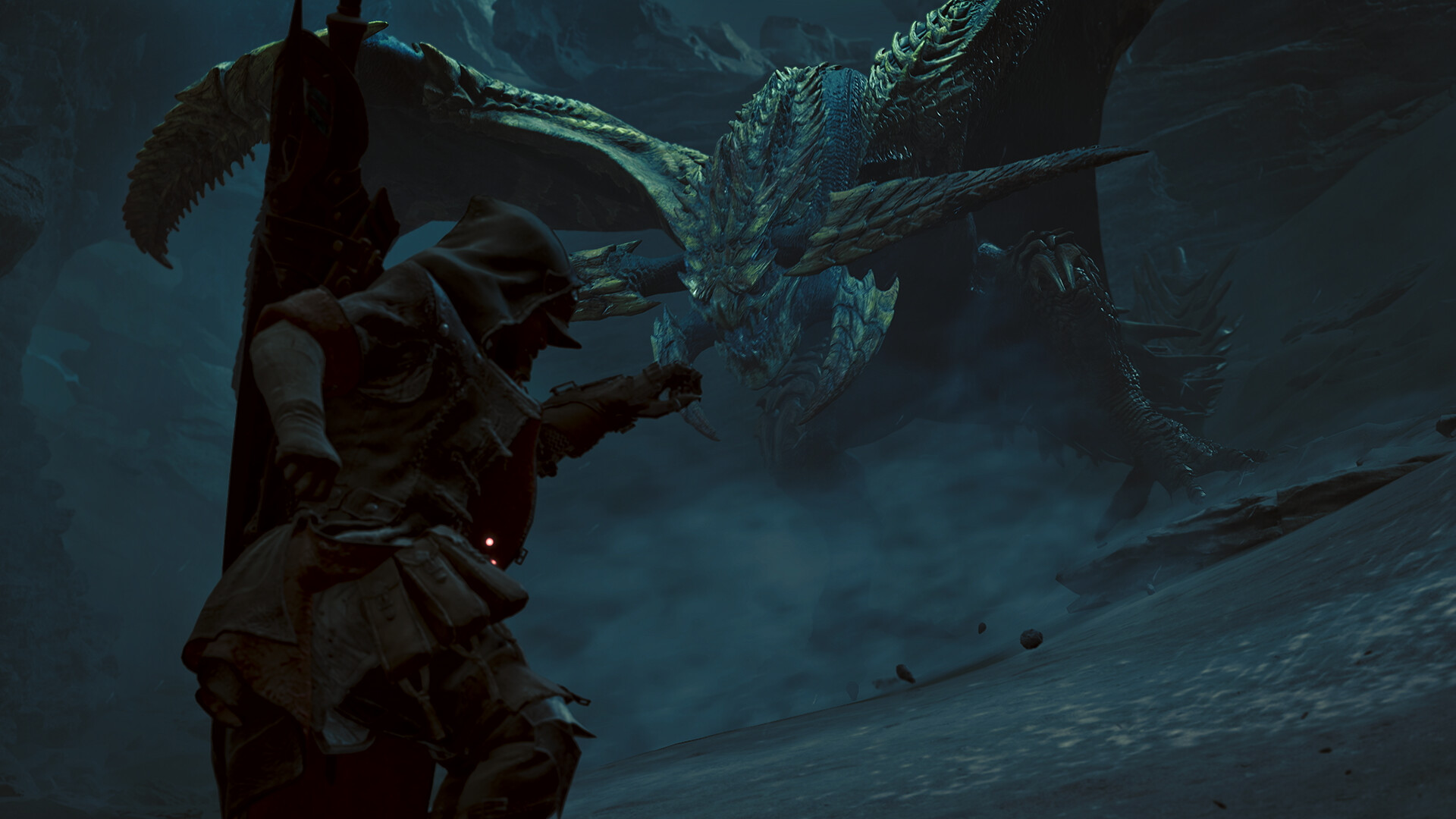
Screenshots


Reviewed by
MH Wilds Guides Editorial
Expertise: Editorial team behind MH Wilds Guides. Content is compiled from official patch notes, community wikis, and playthrough notes, then reviewed and updated on schedule.
Sources
Monster Hunter Wilds Weapons Guides →
Browse the complete weapons collection and its focused guides.
Related Guides

🔥 Popular Guides
monster hunter wilds weapons for beginners: Beginner Guide
Learn the best starter weapons, first-hour priorities, common mistakes, and when you have outgrown beginner play in Monster Hunter Wilds.
mh wilds bow patch notes: Monster Hunter Wilds Patch Notes Explained
Monster Hunter Wilds patch notes explained for bow players, including the latest version updates, winners, losses, and what to change today.
Monster Hunter Wilds Good Beginner Weapons: Complete Beginner Guide
Best starter weapons, first-hour checklist, common mistakes, and beginner progression tips for Monster Hunter Wilds.
Monster Hunter Wilds patch notes 2026-09-04: Patch Notes Explained
Explained update notes, verified fixes, content changes, and what hunters should do next in Monster Hunter Wilds.
📋 Patch Notes & Updates
🛠️ Popular Tools
Frequently Asked Questions
Quick answers from the guide · click a question to expand.
Is bow good in Monster Hunter Wilds?
Yes, bow is one of the most reliable weapons for players who like movement, precision, and consistent ranged pressure. It rewards good positioning more than raw aggression.
Is the bow build elemental or raw?
Elemental is usually the stronger route for bow when you can match the monster’s weakness. Raw can still work, but it usually gives up a lot of the weapon’s natural scaling.
What is the most important stat for bow?
Stamina support is the most important comfort stat, while elemental damage is the biggest damage stat. If you ignore stamina, everything else starts falling apart in a hurry.
Can beginners use this build?
Yes, but beginners should lean harder into stamina comfort and defensive utility before chasing a pure endgame damage setup. Bow is friendly once the rhythm clicks, but it is not a brain-off weapon.
Do I need a separate bow for every monster?
Not strictly, but having multiple elemental bows makes the build much stronger. The weapon gets noticeably better when you stop asking one bow to solve every problem in the game.
Was this guide helpful?
Rate this guide so we can improve it.
Share your own tip
Found something not in the guide? Submit it below — our editors review every tip before publishing. No account required.