 Monster Hunter Wilds
Monster Hunter Wilds Chapter 1 - 1 Desert Trotters Beginner Guide
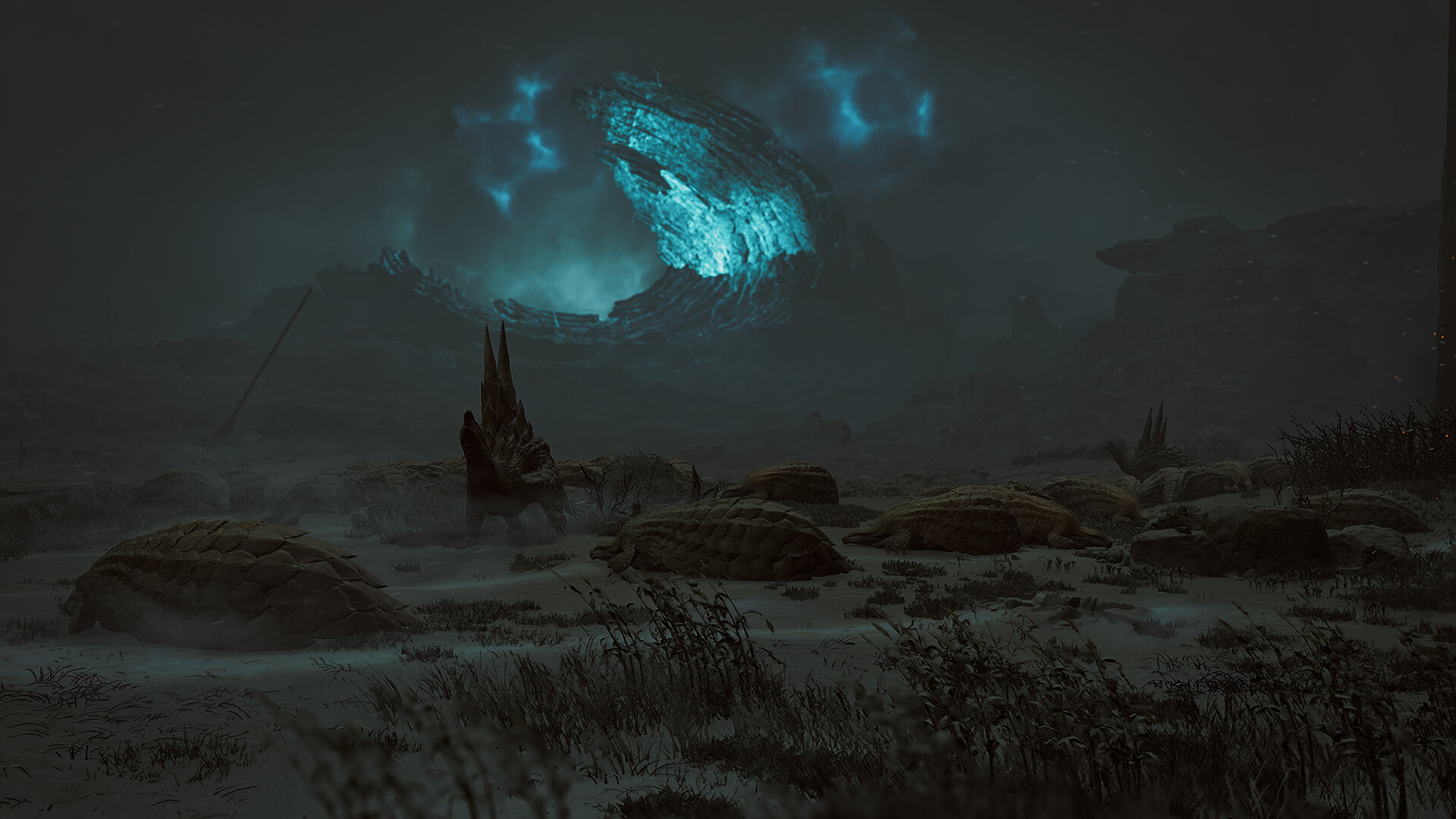
Quick Answer: Monster Hunter Wilds Chapter 1 - 1 Desert Trotters is the opening story quest where you learn movement, basic hunting flow, and early survival habits; focus on following objectives, gathering everything, and getting comfortable with one weapon before trying to optimize.
Monster Hunter Wilds is a 2025 action role-playing game developed and published by Capcom Source. It released worldwide for PlayStation 5, Windows, and Xbox Series X/S with cross-platform play on February 28, 2025 Source. If you are just starting out, “Desert Trotters” is basically the game gently grabbing your shoulders and saying, “Hey champ, let’s learn how not to get folded by the local wildlife.”
What Monster Hunter Wilds Chapter 1 - 1 Desert Trotters Actually Teaches You
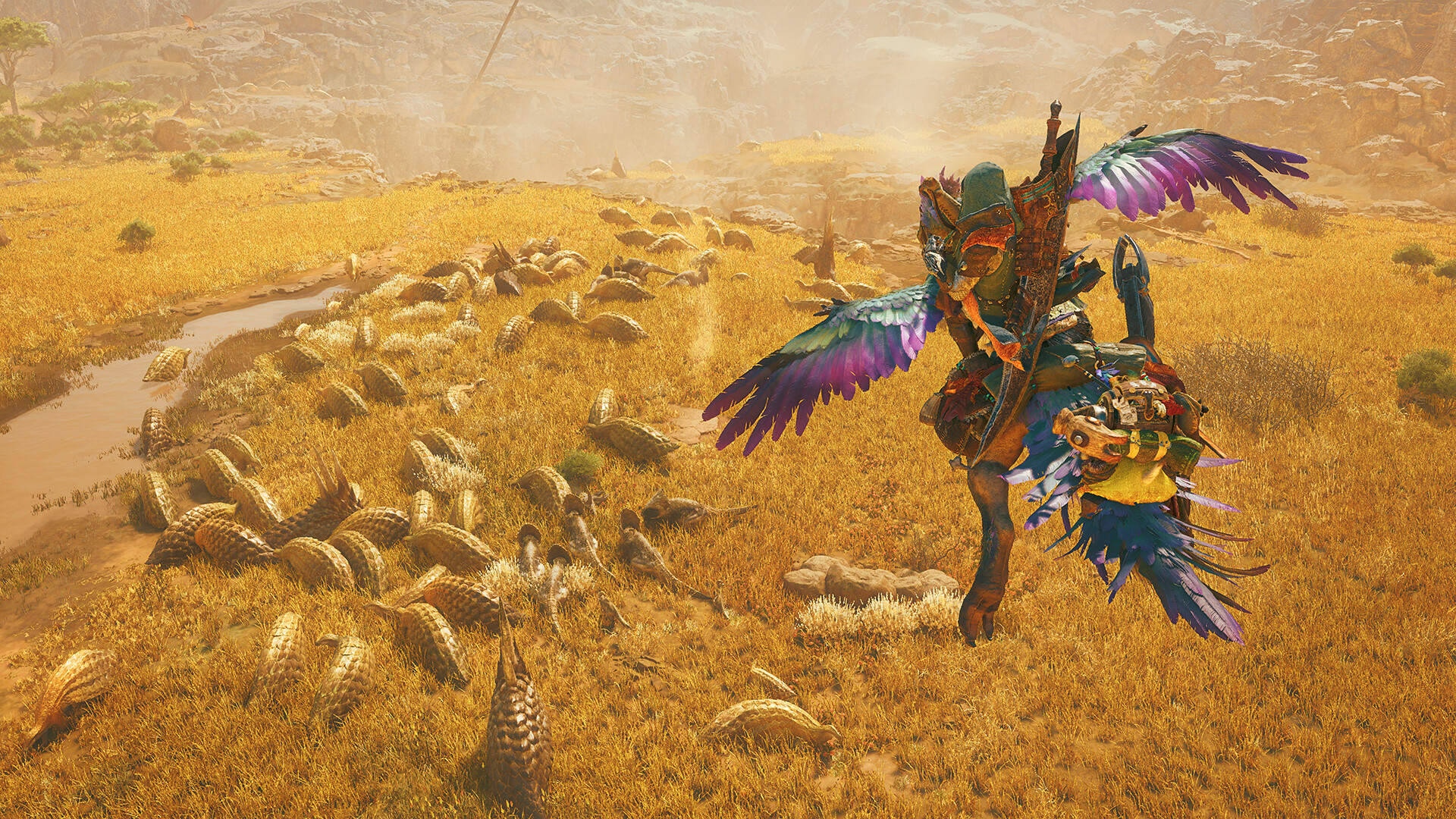
Monster Hunter Wilds Chapter 1 - 1 Desert Trotters teaches you the absolute basics of moving, tracking, collecting, and surviving long enough to complete your first real mission. The quest is not about stylish plays or perfect damage; it is about building good habits without overwhelming you with systems all at once.
The first thing you should notice is that early Monster Hunter is a tutorial in layers. You are not expected to know everything the moment you step into the desert. Instead, the game introduces things in a practical order: walk here, gather this, follow the prompt, hit the target, then survive the consequences. That gradual pacing matters because Wilds still feels like Monster Hunter at heart—positioning, preparation, and patience matter more than button mashing. If you come from action games where you can just brute-force your way through, this chapter is where the game politely corrects you.
A few examples of what this chapter tends to train:
- Basic exploration: moving between points of interest, reading the environment, and not getting lost the second the map opens up.
- Simple combat execution: landing attacks, observing monster behavior, and learning when to stop swinging.
- Early resource gathering: picking up items, mining, harvesting, and understanding that “free stuff on the ground” is Monster Hunter currency.
- Quest flow: accepting objectives, using waypoints, and completing the mission without turning it into a wandering simulator.
Think of Desert Trotters as your first “systems exam.” It is testing whether you can do the following without panicking:
- Open your menu and check objectives.
- Move efficiently toward the target.
- Gather useful materials on the way.
- Fight conservatively instead of aggressively.
- Return to camp or complete the objective when told.
If that sounds simple, good. It is supposed to be. The real challenge is resisting the urge to skip the tutorial feeling and rush ahead like you already know everything. Monster Hunter punishes overconfidence in the most classic way possible: by making you stand up after a cart and think, “Wow, that was preventable.”
For brand-new players, this chapter is also your first chance to figure out whether your chosen weapon feels natural. You do not need to master combos yet, but you do need to know whether your attacks feel too slow, too complicated, or just plain weird. If you hate your weapon here, that is not a failure; that is valuable information.
First-Hour Checklist
Your first hour should be spent learning the controls, collecting everything, and locking in one weapon that feels usable rather than flashy. The opening hour is where bad habits get planted, so the goal is to finish it with a functioning baseline: you know how to move, heal, gather, and attack without constantly opening menus like you forgot your own hands.
1) Finish the tutorial prompts instead of skipping them
The game’s early prompts are there to prevent avoidable confusion later. Pay attention when the game teaches camera control, item use, map reading, and basic combat actions. Examples of prompts worth slowing down for include movement on foot, using your slinger or equivalent utility tool if the game introduces one in your path, and opening the map to identify objectives. Skipping these because “I’ve played action games before” is how players end up lost, underprepared, and weirdly convinced the UI is the problem.
2) Gather everything you can see
During Monster Hunter Wilds Chapter 1 - 1 Desert Trotters, gather any herbs, ores, bugs, bones, and environmental pickups the game conveniently places near the route. Early on, these materials matter more than they look like they should. You will eventually need them for healing items, basic crafting, and unlocking a comfort layer in the game. If you see gathering nodes near the main path, detour for them. Yes, even if the monster is elsewhere. Especially if the monster is elsewhere.
3) Test your weapon in a low-risk way
Use the first hour to swing your chosen weapon against small targets and in safe openings against larger enemies. You are not trying to become a combo genius yet; you are checking practical things like attack speed, recovery time, and whether the weapon leaves you exposed for too long. Try simple examples:
- Great Sword: see how long charge attacks take and whether you can handle the commitment.
- Sword and Shield: test how quickly you can attack, block if available, and use items.
- Long Sword: get a feel for spacing and whether you can land clean hits without overextending.
If a weapon feels awkward in the first hour, swap it. That is normal. Monster Hunter is a series where “the best weapon” is often the one you can actually play without fighting the controls more than the monster.
4) Use healing items before you are desperate
Don’t wait until your health is at a sliver to heal for the first time. Practice healing after you take a safe hit or while the monster is disengaged. The game will often give you enough breathing room early on to experiment with item timing. This matters because panic-healing is one of the most common habits that gets new players hit again immediately.
5) Learn the map and camera together
The camera is half the fight in Monster Hunter. In your first hour, practice moving the camera while walking and while circling your target. Also check how the map is laid out, how to place markers if the game allows it, and how to orient yourself after you have gathered something off-route. Examples of useful habits:
- Rotate the camera before entering a fight.
- Mark your target area before leaving camp.
- Recenter your view after dodging or gathering.
6) Don’t blow your consumables immediately
If you start with restorative items, buffs, or limited-use tools, keep them until you have a reason to use them. Early players often pop everything “just in case,” then arrive at the first real wall with an empty pouch and no plan. A little hoarding is healthy in the first hour. Greed is bad in hunts; caution with supplies is good.
You might also like
- Monster Hunter Wilds The Proud Child of the Wilds - AT Arkveld Free Challenge Quest Release Date Beginner Guide
- Monster Hunter Wilds Sand-Scarred Soul 3/18 3/25 Beginner Guide
- Monster Hunter Wilds Beginner Guide
- Monster Hunter Wilds Beginner Guide: Getting Started Fast
- Monster Hunter Wilds Stalking Supper 3/4 3/11 Beginner Guide
Resource Priority Order
Your early resource priority should be healing first, then survival utility, then weapon comfort, and only after that niche crafting or experimentation. In Monster Hunter, new players often spend resources on whatever looks cool in the menu, but the better move is to spend on what keeps you hunting consistently.
Here is a practical priority order for the opening stretch:
| Priority | What to Spend/Hoard/Craft | Why It Matters Early | Example Use |
|---|---|---|---|
| 1 | Healing items and their materials | Keeps you alive while learning monster timing | Potions, first-aid style items, herbs |
| 2 | Basic ammo/coatings/tools if your weapon needs them | Prevents you from feeling useless mid-hunt | Bow coatings, ranged ammo, utility items |
| 3 | Armor upgrades or basic defensive gear when available | Makes mistakes less punishing | Early armor pieces, starter defense improvements |
| 4 | Weapon upgrades for your chosen main weapon | Improves hunt speed without forcing new playstyle changes | Early Great Sword or Sword and Shield upgrades |
| 5 | Experimental craft items | Fine to try later, but not before essentials | Specialized traps, niche consumables, side build materials |
The biggest early mistake is spending rare materials on multiple weapons at once. That sounds flexible, but it usually creates three weak weapons instead of one reliable one. Early on, pick one main weapon and maybe one backup if it is very similar in playstyle. For example:
- Great Sword + Hammer can both reward commitment and positioning.
- Sword and Shield + Dual Blades can both feel fast and forgiving.
- Bow + Light Bowgun can both scratch the ranged itch while you learn spacing.
If you are collecting resources, here is the right mindset:
- Hoard anything that looks like a common crafting material until you know what it does.
- Spend on healing and survival upgrades as soon as they become meaningful.
- Craft only what helps you complete hunts more safely or more consistently.
Do not empty your stash just because the crafting menu is open. Monster Hunter rewards patience, and that includes your wallet, your item box, and your material pile.
What to prioritize first in practical terms
When you return from a hunt or exploration segment, sort your loot mentally like this:
- Can this help me stay alive next hunt?
- Can this help my main weapon feel better?
- Can this unlock a useful armor piece or upgrade?
- Is this just for a future project?
If the answer is “future project,” store it. If the answer is “stay alive next hunt,” invest in it now.
What not to overspend on yet
Avoid sinking early resources into:
- Multiple weapon branches.
- Cosmetic changes that do nothing for survivability.
- Specialized crafting you do not understand yet.
- Replacing gear every time you find something slightly different.
That last one gets beginners constantly. You do not need to change equipment every five minutes. If a piece is working, keep it until an upgrade is clearly better or your progress says otherwise.
Common Mistakes New Players Make
Common mistakes in Monster Hunter Wilds Chapter 1 - 1 Desert Trotters usually come from rushing, ignoring the environment, or trying to play the game like a generic action title. The good news is that most beginner errors have very simple fixes once you know what to watch for.
Mistake: Wasting stamina or dodges too early
- Why it happens: New players panic when a monster starts moving fast and mash dodge or sprint away.
- Fix: Practice one deliberate dodge, then reposition. Save enough stamina for a second defensive option so you are not stranded.
Mistake: Overcommitting to attack strings
- Why it happens: It feels efficient to keep swinging when the monster is “almost in range.”
- Fix: Limit yourself to short attack sequences at first. Hit once or twice, then recover and watch the monster’s response.
Mistake: Ignoring item gathering
- Why it happens: The first instinct is to chase the quest objective, not stop for plants or ores.
- Fix: Make a habit of collecting every visible herb, ore node, and ground pickup on your path. In Monster Hunter, “free” materials are basically future safety.
Mistake: Trying to learn every weapon at once
- Why it happens: The weapon roster looks cool and players want to find the “best” one immediately.
- Fix: Pick one main weapon for the opening stretch, then test a second only after you understand the basics.
Mistake: Using healing too late
- Why it happens: Beginners hope to “save” the potion until the last possible moment.
- Fix: Heal as soon as you create breathing room. If you are one hit from danger, you are already late.
Mistake: Forgetting to check the objective after exploring
- Why it happens: The map and environment are interesting, so players wander.
- Fix: Open the objective or quest log after every major detour. Make sure your gathering trip still serves the mission.
Mistake: Treating the first chapter like a DPS race
- Why it happens: Many action games reward aggression, so beginners assume more hits always equal more progress.
- Fix: Focus on survival, openings, and spacing. Monster Hunter rewards clean execution more than frantic button pressure.
These are not “skill issues” in the insulting sense. They are normal learning mistakes. The fix is to slow down just enough to notice what the monster is doing and what your own character is currently committed to doing.
Common Mistakes
1. Sprinting into every encounter
You are usually better off approaching cautiously than charging in like you own the desert. New players rush because they want to keep the action moving, but Monster Hunter punishes bad entry angles. The fix is simple: stop before the fight, look at the terrain, and enter with a plan for where you will dodge or retreat.
2. Ignoring the monster’s body language
The monster’s animations are not decoration; they are warning signs. Players often miss tells because they are watching their own character too much. Fix this by forcing yourself to pause after each attack and read the enemy’s posture. Examples include a wind-up before a lunge, a pause before a roar, or a shift in movement that signals repositioning.
3. Hoarding healing items forever
Beginners like to “save” healing items for later and end the hunt with a full pouch and a cart. That is just being sentimental with consumables. Use the heal when you need it, then replenish after the hunt. The workaround is to think of healing as a tool for surviving the current mistake, not a trophy for good behavior.
4. Chasing the monster without collecting supplies
It is tempting to follow the target immediately every time it moves. But if you ignore nearby materials, you lose out on supplies that make later hunts smoother. Fix it by collecting along your route and only sprinting when the opportunity cost is real.
5. Swapping gear too often
New gear drops can make you feel like you should constantly re-equip everything. That habit is exhausting and usually makes you weaker because you never learn how a setup actually performs. Pick a weapon and a defensive baseline, then only change pieces when the improvement is clear.
Pro Tips
Tip 1. Learn one “safe combo” and one “escape habit”
Your first real improvement comes from having a short attack sequence you trust and a consistent way out of danger. For example, on Sword and Shield you might use quick basic attacks into a retreat, while on Great Sword you may prefer a single committed hit and an immediate reposition. The goal is not style points; it is repeatability.
Tip 2. Fight near terrain that helps your movement
When you first notice how open or cramped an area feels, use that knowledge. Fighting near rocks, slopes, or clear lanes can make dodging and camera control much easier. If an area feels messy, lure yourself toward a cleaner space before fully engaging.
Tip 3. Check your item bar before leaving camp
A quick item check prevents a lot of “wait, where did my heals go?” moments. Before heading out, confirm that your healing items, any weapon-specific consumables, and utility tools are where you expect them. If your setup feels messy, that is a sign to reorganize now instead of mid-hunt.
Tip 4. Use small monsters as practice dummies, not just targets
If the area has weaker creatures nearby, they are excellent for testing attack speed, camera control, and spacing. That does not mean you should waste time farming them forever. It means you should use them to learn how your weapon behaves when pressure is low.
Tip 5. Stop attacking the moment your attack will get you punished
This sounds obvious, but it is the skill that separates “survives the chapter” from “spends all night carting.” If the monster is turning, roaring, or winding up, cancel the greed. One fewer hit is better than eating a full counterattack.
Tip 6. Make your first weapon choice boring on purpose
The best beginner weapon is often not the coolest-looking one. Pick the weapon that lets you make fewer mistakes. Examples: a shielded option if you want safety, a fast weapon if you want responsiveness, or a heavy weapon if you like deliberate timing. Boring is fine. Boring clears quests.
Graduation Threshold
You are out of the beginner phase when you can finish early hunts and story steps without constantly checking every button, guide, or menu. The threshold is not a specific level; it is a behavior change. Once the game stops feeling like a series of surprises and starts feeling like a system you can read, you have graduated from pure beginner status.
A good rule of thumb is that you are ready to move on when you can do most of the following comfortably:
- Enter a hunt with the right items already equipped.
- Identify whether your weapon is safe to use in the current opening.
- Heal before panic sets in.
- Gather resources without forgetting the objective.
- Read a monster’s basic attack pattern after a few exchanges.
- Leave a hunt with a clear idea of what to improve next time.
Examples of “I’m getting it” moments include:
- You stop dying to the first obvious attack because you recognize the tell.
- You no longer need to reopen the menu every minute to remember your item setup.
- You start choosing when to attack instead of attacking whenever the monster is visible.
- You can tell whether a weapon swap is a real upgrade or just a shiny distraction.
If you want a practical self-check, ask yourself this after a hunt:
- Did I cart because I misunderstood the fight, or because I got greedy?
- Did I use my items intentionally?
- Did I gather the resources I passed?
- Did I know why I chose my weapon for that hunt?
If you can answer those questions with real confidence, you are past the “lost in the tutorial” stage. At that point, the game starts opening up in a way that makes build choices, monster matchup knowledge, and gear optimization much more meaningful. That is also when monster hunter wilds shining on early weapon choices becomes genuinely useful instead of just academic.
Pro Tips for Early Progression
Monster Hunter Wilds Chapter 1 - 1 Desert Trotters is easier when you build a few smart habits early instead of trying to “git gud” all at once. The following tips are a step beyond the obvious beginner advice and help you avoid wasting time.
Tip 1. Use the first monster you can safely observe as a timing teacher
When you find a target that gives you enough room to breathe, spend one or two exchanges just watching. Learn when it pauses, when it lunges, and when it becomes vulnerable after an attack. That knowledge matters more than raw damage in the first chapter.
Tip 2. Separate “learning attempts” from “clean attempts”
On your first try at a fight, focus on survival and observation. On the next try, focus on improving one thing only, such as item timing or attack spacing. This keeps you from trying to fix every problem at once, which is how beginners end up frustrated.
Tip 3. Keep your route efficient between gathering points
When you notice a cluster of useful materials, mentally mark that path. Over time, you will develop a little loop that gets you herbs, ores, and other materials without making the map feel like a random maze. That sort of route knowledge pays off quickly.
Tip 4. If a weapon feels sluggish, test a faster one before abandoning the game
Some players think they dislike Monster Hunter when they actually dislike one weapon’s commitment style. Before you bounce off the game entirely, try a faster option like Sword and Shield or Dual Blades, then compare it to a heavier one like Great Sword or Hammer.
Tip 5. Treat the desert like a supply line, not a backdrop
The opening area is more than scenery. It is where you learn to think like a hunter: where are the useful materials, where can you reposition, and where can you safely re-engage? Once you start seeing the environment as part of your toolkit, hunts become much smoother.
Related Guides
- Early Weapon Tier Guide
- Best Beginner Builds
- Monster Hunter Wilds Chapter 1 Walkthrough
- How to Farm Early Materials
- Beginner Armor Progression Guide
- Combat Basics and Dodging Guide
Sources
- https://en.wikipedia.org/wiki/Monster_Hunter_Wilds
- https://en.wikipedia.org/wiki/Monster_Hunter_Wilds
See also
- Monster Hunter Wilds Chemicus Nocturnus 4/22 5/6 Beginner Guide
- Monster Hunter Wilds Peak Nerscylla 5/20 5/27 Beginner Guide
- Monster Hunter Wilds Romping Around 5/20 5/27 Beginner Guide
- Monster Hunter Wilds No More Mister Ice Guy 8/19 8/26 Beginner Guide
- Monster Hunter Wilds Beginner Guide
- Monster Hunter Wilds Beginner Guide: Where to Focus First
- Monster Hunter Wilds Congalala Cravings 3/25 4/1 Beginner Guide
- Monster Hunter Wilds Eldrich Enigma 8/12 8/19 Beginner Guide
- Monster Hunter Wilds Beginner Guide: What to Do First
- Monster Hunter Wilds Beginner Guide
Screenshots


Reviewed by
MH Wilds Guides Editorial
Expertise: Editorial team behind MH Wilds Guides. Content is compiled from official patch notes, community wikis, and playthrough notes, then reviewed and updated on schedule.
Sources
Monster Hunter Wilds Monsters Guides →
Browse the complete monsters collection and its focused guides.
Related Guides

🔥 Popular Guides

Bladescale Honing MH Wilds — Skill Effect, Weapons & Tips
Bladescale Honing MH Wilds: Seregios skill, special sharpness after perfect dodge, 1.4x damage window, and Bladescale Loading for bowguns.
Monster Hunter Wilds Beginner Build Tier List
Best beginner weapons and builds in Monster Hunter Wilds, ranked by ease, safety, and usefulness for new hunters.
Monster Hunter Wilds Builds Hub — Weapons, Armor & Meta
Monster Hunter Wilds builds hub: bow, bladescale honing, armor progression, and high-intent weapon guides in one place.
Best Bow Build Monster Hunter Wilds — Skills, Armor & Progression
Best Monster Hunter Wilds bow build: Bow Charge Plus, Weakness Exploit, coating uptime, and Seregios Bladescale Loading synergy.
📋 Patch Notes & Updates
🛠️ Popular Tools
Was this guide helpful?
Rate this guide so we can improve it.
Share your own tip
Found something not in the guide? Submit it below — our editors review every tip before publishing. No account required.