 Monster Hunter Wilds
Monster Hunter Wilds Dragon Attack Beginner Guide
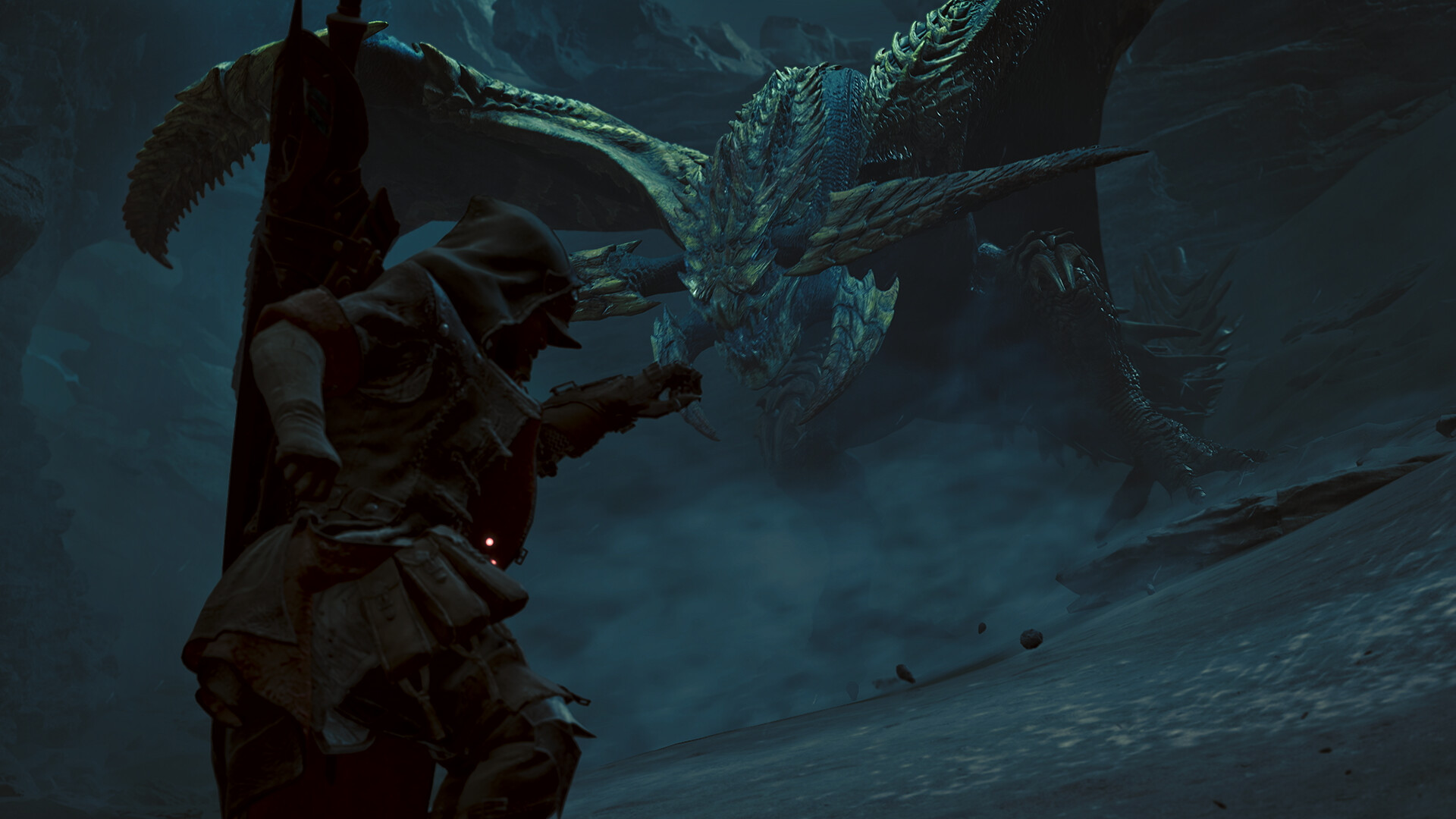
Quick Answer: Monster Hunter Wilds Dragon Attack is a beginner-focused damage type you use when a monster is weak to dragon-element attacks; the safest approach is to learn matchups, upgrade one reliable weapon, and avoid wasting rare materials early.
What Dragon Attack Means in Monster Hunter Wilds
Monster Hunter Wilds Dragon Attack is the dragon-element side of your damage kit, and it matters most when you use it against monsters that are specifically vulnerable to that element. In practice, that means you are not just chasing raw attack numbers. You are choosing a weapon, coating, ammo, or skill setup that can punish the right targets more efficiently than a general-purpose build.
For beginners, the important part is not memorizing every monster weakness on day one. It is understanding the role Dragon Attack plays in a hunt. A dragon-element weapon can feel underwhelming if you use it into the wrong matchups, but it can become a real shortcut against the right enemies. That is why experienced hunters treat element as a tool, not a universal upgrade. You bring it when the target rewards it, and you fall back on stronger raw options when it does not.
A good mental model is this:
- Raw damage is your dependable baseline.
- Dragon Attack is a matchup tool.
- Affinity, sharpness, and survivability still matter more than chasing element in isolation.
You will see this pattern across common hunt flow. A weapon like a great sword may prefer strong raw hits if you are still learning positioning. A faster weapon, such as dual blades or sword and shield, often makes better use of element because it lands many hits quickly. That does not mean one style is strictly better for dragon damage. It means your weapon choice changes how much value you actually get from the element.
This guide focuses on the first hour, resource discipline, common mistakes, and how to know when you have moved beyond beginner status. It also assumes you are still learning the rhythm of hunts, item use, and upgrade planning, which is where most new players lose more time than they need to.
Monster Hunter Wilds launched worldwide on February 28, 2025 for PlayStation 5, Windows, and Xbox Series X/S, with cross-platform play support Source. It is a 2025 action role-playing game developed and published by Capcom Source.
First-Hour Checklist
Your first hour should be spent unlocking systems, stabilizing your loadout, and building one early damage path rather than scattering progress across every menu. New players usually feel pressure to craft everything at once, but the better move is to create a simple, repeatable loop: accept quests, gather a little, fight carefully, upgrade only what improves your next hunt, then repeat.
1. Complete the opening tutorial prompts and basic movement checks
You should finish the early tutorials, then immediately test your movement, camera, and weapon controls in a low-pressure area. If the game gives you access to a training space or an early safe zone, use it before your first serious fight. Try your weapon’s three most important actions: the basic attack string, dodge or reposition, and any charged or special action your weapon uses.
Examples of what to check right away:
- Long sword users should verify how their spirit gauge fills.
- Sword and shield players should confirm item use does not feel awkward mid-combat.
- Hammer or great sword players should practice spacing so they do not whiff slow attacks.
2. Pick one weapon and stick to it for the opening stretch
You should choose one main weapon and avoid spreading materials across multiple early upgrades. The beginner trap is crafting a little of everything and ending up with several weak options instead of one useful tool. A single upgraded weapon gives you a cleaner read on whether your damage is actually improving.
Good early examples:
- Great sword if you want simple, high-impact hits and can tolerate slower swings.
- Sword and shield if you want flexibility and easy item access.
- Dual blades if you want a faster rhythm and are interested in elemental damage, including Dragon Attack setups later.
3. Accept side tasks that teach gathering and survival
You should take the beginner-friendly side objectives that force you to gather, carve, or use tools, because those tasks quietly teach the systems that matter later. These early objectives often look minor, but they teach route planning, item awareness, and how the game expects you to prepare before a hunt.
Prioritize tasks that make you:
- Gather herbs, mushrooms, ores, or bones.
- Craft basic consumables.
- Visit any camp or hub service that unlocks supply access.
- Hunt a simple target without worrying about speed.
4. Build a basic item kit immediately
You should carry a simple item set instead of going out empty-handed. Even a new hunter can waste a hunt by refusing to heal or by forgetting utility items. Put together a small, dependable kit and keep it consistent so item use becomes automatic.
Your starter kit should usually include:
- Healing items.
- A way to remove or survive common status pressure.
- A few environmental or capture tools if the game has already introduced them.
- One or two utility items you know how to use under stress.
5. Upgrade survivability before luxury damage
You should prioritize armor and comfort skills that prevent carting, because failed hunts teach less than successful ones. A small boost to health, defense, or stamina comfort is usually worth more than a greedy damage piece you cannot use safely. If the game offers early armor with simple defensive benefits, that is often the best place to spend your first materials.
6. Save rare materials until you understand your main weapon
You should hold onto uncommon drops until you know which weapon path you actually enjoy. Many beginners spend valuable monster parts on a sidearm or backup set they stop using after a few hunts. Wait until you are confident your main weapon fits your hands and your pace.
7. Test one dragon-focused option only after the basics feel stable
You should experiment with Monster Hunter Wilds Dragon Attack only after you can finish a hunt without fumbling healing, dodging, or sharpening. The reason is simple: element amplifies good habits, but it does not fix bad fundamentals. If your positioning is shaky, you will not get enough hits in the right windows to justify a narrow setup.
You might also like
- Monster Hunter Wilds Beginner Guide
- Monster Hunter Wilds Pick Your Poison 7/22 8/12 Beginner Guide
- Monster Hunter Wilds Beginner Guide: Where to Focus First
- Monster Hunter Wilds Beginner Guide: Getting Started Fast
- Monster Hunter Wilds Beginner Guide
Resource Priority Order
Your resource priority should start with survival, then a main weapon, then elemental experimentation, because that order gives you the fastest real progress. Beginners often chase shiny upgrades first, but the game rewards consistency far more than novelty.
Here is a practical priority order for the early game:
| Priority | Spend On | Why It Matters First | What to Hoard |
|---|---|---|---|
| 1 | Basic healing, trap, and survival items | Lets you finish hunts and learn patterns | Rare monster parts |
| 2 | One main weapon upgrade path | Raises your actual clear speed and comfort | Backup weapons you do not use |
| 3 | Defensive armor pieces or comfort skills | Reduces carts and healing waste | High-value crafting mats |
| 4 | A small elemental branch, including Dragon Attack | Good for matchup testing once fundamentals are stable | Rare element-specific drops |
| 5 | Specialization pieces for your favorite weapon | Builds toward a real long-term set | Flexible all-purpose materials |
The first thing to spend on is anything that helps you complete hunts cleanly. That means healing stock, sharpening support, and armor that keeps you alive. If you keep failing hunts, no amount of raw offense helps, because you do not get the rewards consistently enough to justify the build.
The second thing to invest in is the weapon you actively use. One fully upgraded early weapon is more valuable than three mediocre ones. For example, a player who commits to long sword can learn gauge rhythm and positioning faster than someone swapping between long sword, hammer, and bow every quest. A sword and shield user can get more out of comfort and item access, while a great sword user benefits from damage and timing practice.
The third thing is armor and skills that reduce friction. This is where many new players overfocus on attack bonuses and ignore how much time they lose to healing, knockbacks, or stamina issues. In the current meta, comfort often translates into real DPS because you spend more time attacking safely.
Only after that should you start chasing Dragon Attack. Use it when one of these situations applies:
- You know the monster has a weakness to dragon.
- Your main weapon benefits from frequent hits.
- You already have enough comfort to stay on offense.
Concrete examples help here. If your weapon is fast and you are fighting a target that rewards elemental pressure, a dragon-focused option can be worth it. If your weapon is slow and you are still missing half your punish windows, raw upgrades or quality-of-life skills will usually outperform a narrow dragon setup.
Common Mistakes
Common mistakes in Monster Hunter Wilds Dragon Attack usually come from misunderstanding what element is for, and from trying to optimize before learning basic hunt flow. The good news is that every one of these errors has a simple fix.
1. Chasing dragon element against every monster
This mistake happens because beginners assume a bigger elemental number always means better damage. It does not. Dragon Attack is matchup-dependent, so it loses value when the target does not reward it.
Fix: check the monster’s weakness before committing to a dragon setup, and keep one solid raw weapon as your fallback.
2. Upgrading too many weapons at once
This happens because new players want options for every situation and fear “locking in” too early. The result is thinly spread materials and no weapon that feels strong enough.
Fix: pick one main weapon for the opening hours, then use spare materials only after that weapon is stable.
3. Ignoring healing and defensive habits
This mistake is common because players want to stay aggressive and think potions slow them down. In reality, constant near-death play burns more time than it saves.
Fix: heal earlier, sharpen before you are desperate, and treat one safe retreat as part of the attack cycle.
4. Using slow attacks without learning openings
This happens because heavy weapons look strong on paper, so beginners swing them whenever possible. Slow weapons need timing, spacing, and patience.
Fix: practice against early monsters and only commit after a clear recovery animation, a knockdown, or a long whiff.
5. Selling or spending rare parts too soon
This comes from not knowing what future upgrades will ask for. Early monster parts often matter more than they seem.
Fix: keep rare materials until you know your preferred weapon path and whether the part is needed for an upgrade branch or armor set.
6. Treating armor as decoration instead of a safety tool
This mistake appears when players compare only attack perks and ignore defense or comfort. Beginner hunts are won by surviving long enough to learn.
Fix: wear the armor that keeps your hunts stable, even if the damage bonuses look modest.
Pro Tips
Advanced play starts to open up once you stop thinking of each hunt as a standalone fight and start managing momentum across quests. These tips go beyond the obvious basics and help you get more value from the same gear.
Tip 1. Learn one punish window per monster
Pick one opening on each target and build your damage around it. For example, you might only commit to a long sword counter after a roar, or save a great sword charge for a long recovery animation. This turns chaotic hunts into repeatable patterns.
Tip 2. Carry a backup raw weapon for bad element matchups
If you see that a monster resists your dragon setup or you are not confident in the matchup, switch to a stronger raw weapon path. This matters more than stubbornly forcing an element that is not paying off.
Tip 3. Use Dragon Attack when your weapon can land many clean hits
Fast weapons usually convert element better than slow ones. If your dual blades or sword and shield build keeps uptime on a weak target, dragon damage starts to matter more than it does on a heavy but slow weapon.
Tip 4. Make sharpening part of your rotation
Do not wait until your damage has clearly fallen off. Sharpen during a natural lull, after a mount, or after a monster changes zones if the game supports that flow. Good sharpness management is hidden damage.
Tip 5. Track one comfort problem at a time
If you keep carting, fix one issue first: healing timing, dodging, stamina, or positioning. Trying to solve everything at once makes it hard to see progress. A stable hunt is easier to improve than a frantic one.
Common Mistakes
The same beginner errors show up again and again because Monster Hunter Wilds rewards discipline more than impulse. This section expands on the most frequent problems and gives direct fixes you can apply immediately.
Overcommitting to combos: Players keep attacking after the safe window ends because they want to finish the string.
Why it happens: The weapon animation feels like progress, so stopping feels wasteful.
Fix: Cancel your greed early. Learn the point where your weapon should disengage, heal, or reposition.Ignoring monster behavior cues: Beginners miss tells like stance changes, audio cues, or animation windups.
Why it happens: They focus on the UI or their own attack bar rather than the target.
Fix: Watch the monster first, your cooldowns second. The safest opening is usually telegraphed clearly.Crafting niche gear before core upgrades: A dragon-focused piece looks exciting, so it gets built before foundational armor or weapon improvements.
Why it happens: Elemental builds sound advanced and feel rewarding to unlock.
Fix: Finish one dependable core set before branching into special-purpose damage.Underusing items: Potions, traps, and utility tools sit unused because players “want to save them.”
Why it happens: New hunters overvalue hoarding and undervalue hunt completion.
Fix: Use consumables to make the hunt cleaner. If an item helps you survive, it has already paid for itself.Fighting without a plan for recovery: Players know how to attack, but not how to reset after being hit.
Why it happens: They practice offense more than recovery habits.
Fix: Always know where your nearest safe reposition is before you engage.
Graduation Threshold
You are out of the beginner phase when you can finish hunts with intention instead of improvising everything on the fly. The transition is not about a specific rank or a single gear score. It is about control, consistency, and decision-making.
A good sign that you have graduated is that you can do the following without much stress:
- Pick the right weapon for the job before a hunt starts.
- Recognize when Dragon Attack is worthwhile and when raw damage is better.
- Heal, sharpen, and reposition without losing the whole fight’s momentum.
- Read a monster’s openings and punish them on purpose.
- Upgrade with a plan instead of reacting to every new drop.
You are also probably past the beginner stage when your failures become specific and explainable. Early on, a cart may just feel random. Later, you know exactly why it happened: you stayed too long after a combo, you mistimed a dodge, or you entered a dragon-focused setup into the wrong matchup.
Concrete examples of graduation:
- A long sword player can land counters only after a known cue, such as a roar or recovery animation.
- A sword and shield player knows when item utility matters more than forcing extra damage.
- A dual blades player can tell when elemental pressure is paying off and when they should swap to a safer setup.
At that point, the game stops feeling like a survival tutorial and starts feeling like a build-and-matchup game. That is the real dividing line. Not number of quests completed, not one rare weapon, and not a single boss kill. If your choices are becoming deliberate, you have moved beyond beginner play.
Related Guides
- Monster Hunter Wilds Beginner Guide Monster Hunter Wilds best early weapons
- related guide Monster Hunter Wilds beginner armor sets
- monster hunter wilds three Monster Hunter Wilds weapon tier guide
- related guide Monster Hunter Wilds early-game walkthrough
- monster hunter wilds like Monster Hunter Wilds elemental damage guide
- related guide Monster Hunter Wilds best skills for beginners
- mister ice guy 8 19 Monster Hunter Wilds farming materials guide
Sources
See also
- Monster Hunter Wilds Beginner Guide: What to Do First
- Monster Hunter Wilds Hungry for Ore 8/26 9/9 Beginner Guide
- Monster Hunter Wilds Daughters of Carabosse 4/22 5/6 Beginner Guide
- Monster Hunter Wilds Beginner Guide
- Monster Hunter Wilds Beginner Guide
- Monster Hunter Wilds Beginner Guide: Getting Started Fast
- Monster Hunter Wilds Anguish and Atrocity 4/3 4/8 Beginner Guide
- Monster Hunter Wilds Beginner Guide
- Monster Hunter Wilds Beginner Guide: The Shining Storm Rages 5/6 5/20
- Monster Hunter Wilds Beginner Guide
Screenshots


Reviewed by
MH Wilds Guides Editorial
Expertise: Editorial team behind MH Wilds Guides. Content is compiled from official patch notes, community wikis, and playthrough notes, then reviewed and updated on schedule.
Sources
Monster Hunter Wilds Monsters Guides →
Browse the complete monsters collection and its focused guides.
Related Guides

🔥 Popular Guides
Monster Hunter Wilds Good Beginner Weapons: Complete Beginner Guide
Best starter weapons, first-hour checklist, common mistakes, and beginner progression tips for Monster Hunter Wilds.
Monster Hunter Wilds patch notes 2026-09-04: Patch Notes Explained
Explained update notes, verified fixes, content changes, and what hunters should do next in Monster Hunter Wilds.
monster hunter wilds weapons for beginners: Beginner Guide
Learn the best starter weapons, first-hour priorities, common mistakes, and when you have outgrown beginner play in Monster Hunter Wilds.
Monster Hunter Wilds mh wilds balance patch notes Explained
Patch-by-patch Monster Hunter Wilds balance changes, winners, losers, and what players should do after Version 1.030.01.00.
📋 Patch Notes & Updates
🛠️ Popular Tools
Was this guide helpful?
Rate this guide so we can improve it.
Share your own tip
Found something not in the guide? Submit it below — our editors review every tip before publishing. No account required.