 Monster Hunter Wilds
Monster Hunter Wilds on PS5: Performance, Release & Features
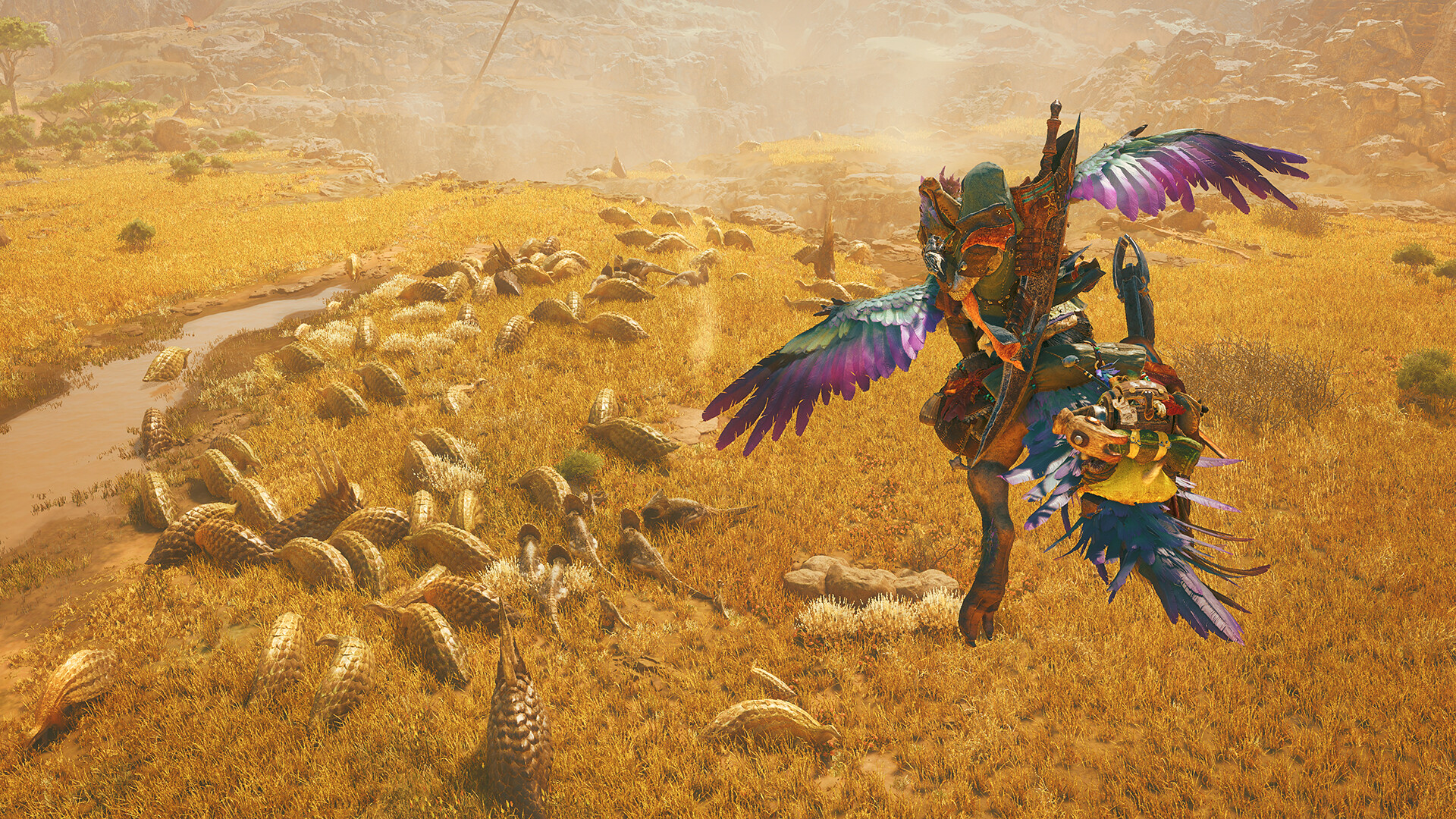
Monster Hunter Wilds is built around preparation, observation, and repeating a simple loop: scout a monster, learn its behavior, break it down, and use the rewards to improve your gear. That sounds straightforward, but the game is designed to punish rushed habits and reward steady, informed play. If you are starting out on monster hunter wilds ps5, the fastest way to get comfortable is not to chase damage first. It is to understand how the hunt flows, what your weapon wants you to do, and what is worth spending early resources on.
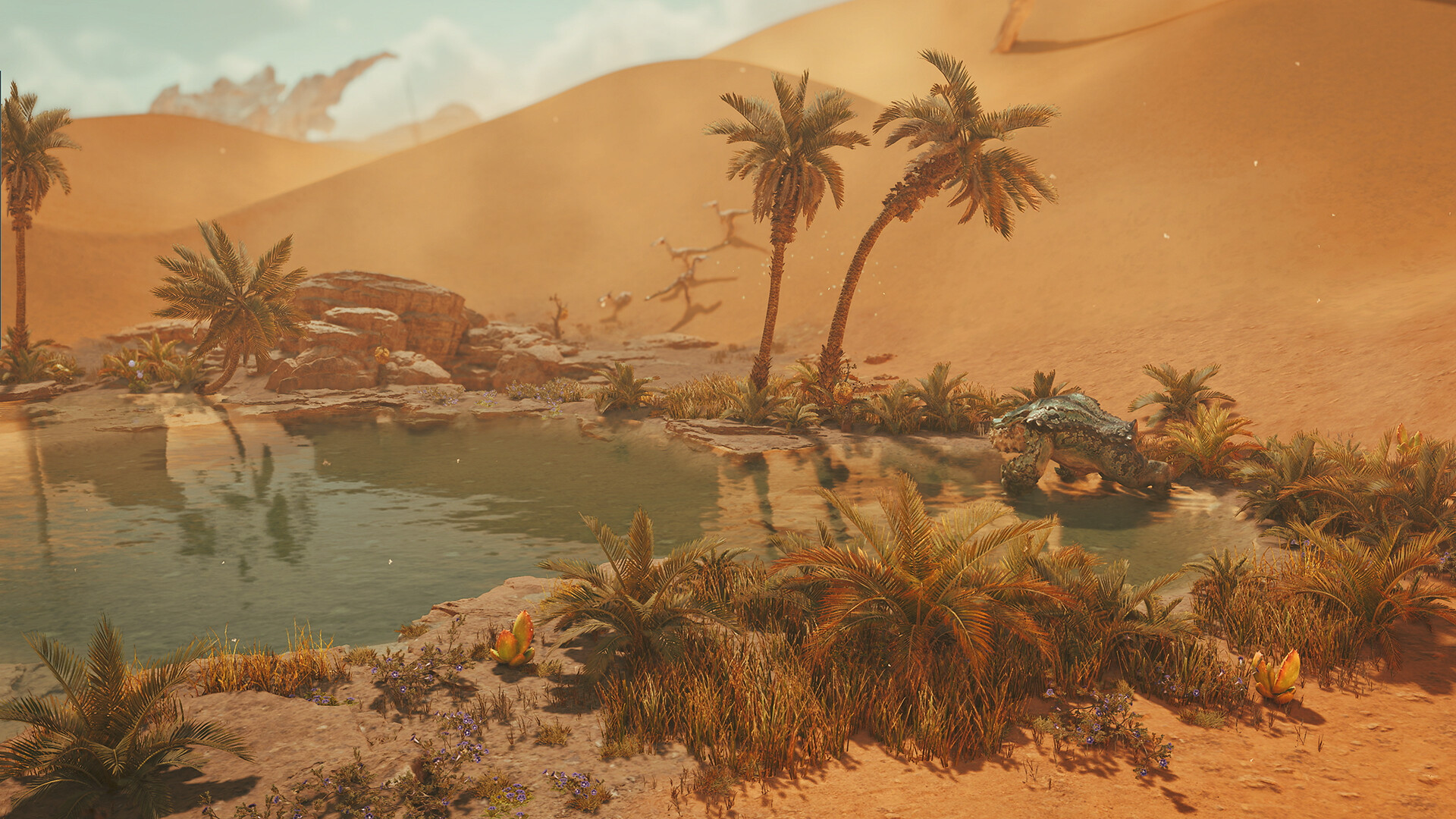
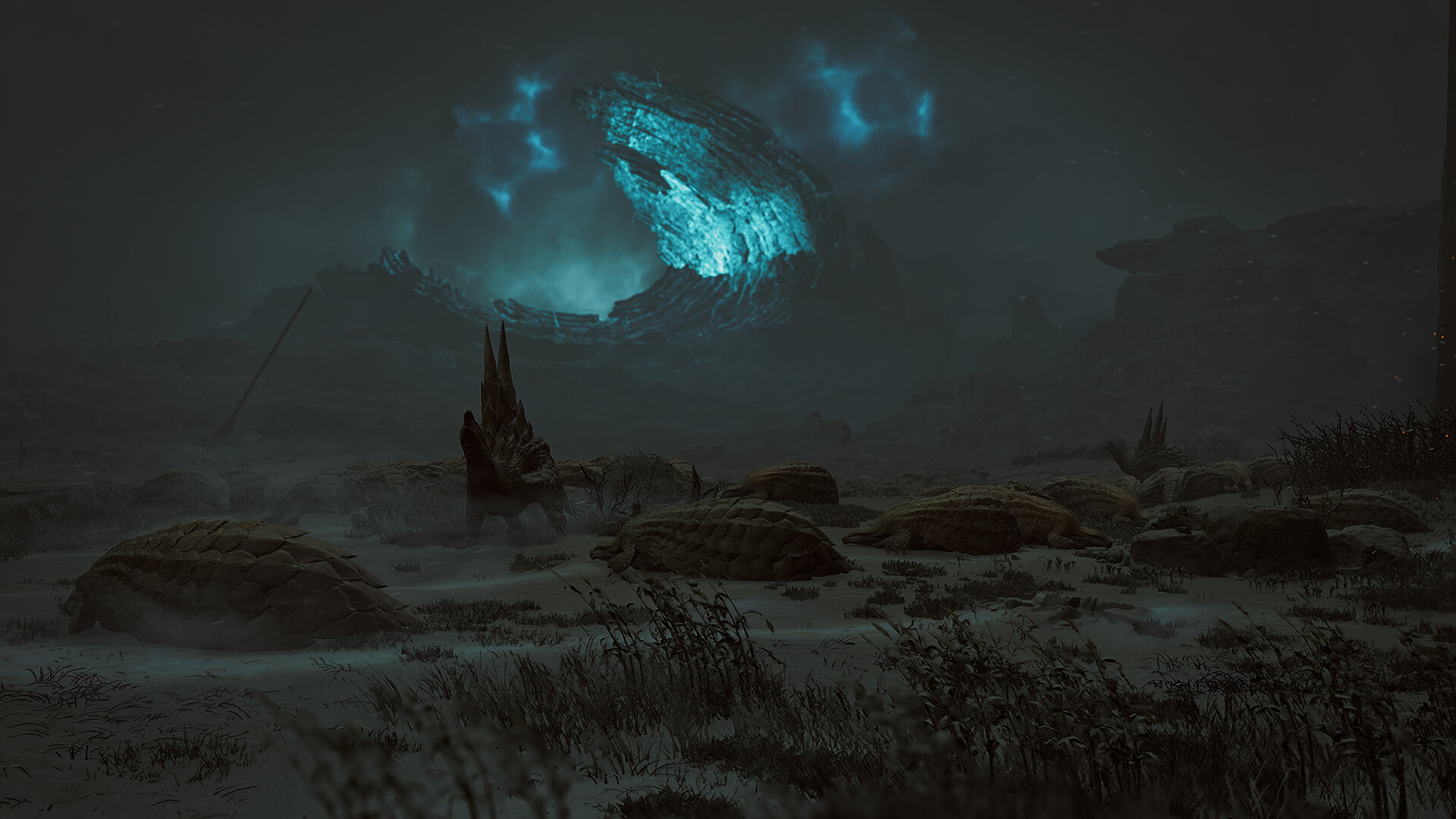
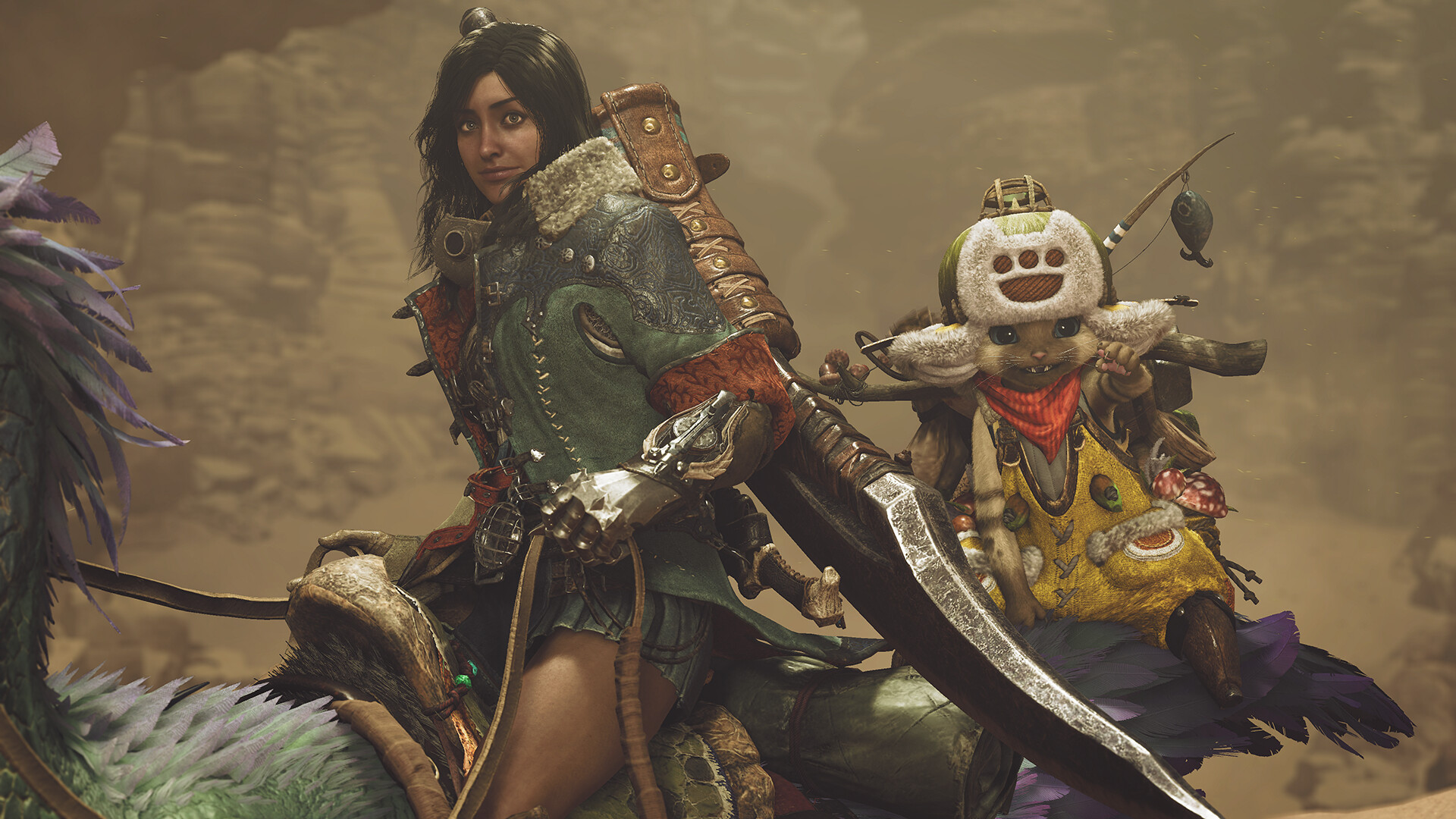
The game’s premise also matters more than it first appears. Capcom frames it as a world where “the unbridled force of nature runs wild and relentless, with environments transforming drastically from one moment to the next” Source. That design idea shows up everywhere in play: weather shifts, monster movement, and the way hunts can change after only a short delay. The sooner you treat each hunt as an adaptive problem instead of a fixed route, the smoother your start will be.
Monster Hunter Wilds is a 2025 action role-playing game developed and published by Capcom Source. It launched worldwide for PlayStation 5, Windows, and Xbox Series X/S with cross-platform play support on February 28, 2025 Source. That means the beginner advice below applies cleanly across platforms, with a few notes that are especially useful on PS5.
What You Need to Know First
At its core, Monster Hunter Wilds is not about leveling in the usual RPG sense. Your power comes from three things: your personal familiarity with a weapon, your armor and skills, and your knowledge of monster behavior. A veteran player with modest gear will often outperform a beginner wearing stronger equipment, because the game rewards execution and decision-making at least as much as raw stats.
On monster hunter wilds ps5, the early experience is easiest if you resist the urge to immediately mainline combat. Spend time learning the hub flow, inventory management, and basic field navigation. Every hunt has setup work: checking supplies, picking the right element or status tools if you have them, and knowing when to disengage to sharpen, heal, or reposition. The game’s rhythm is more deliberate than many action games, and that is intentional.
A useful mental model is this: hunting is a loop, not a sprint. You gather information, apply pressure, collect part breaks and materials, then convert those rewards into better preparedness for the next encounter. If you keep trying to brute-force the loop, you will burn items, cart more often, and feel like the game is harder than it is.
Core Mechanics That Matter Early
The most important core system is stamina and commitment. Most weapons have attack strings that lock you into animations. Beginners often fail because they swing one time too many, then get clipped while trying to roll away. The fix is simple: stop thinking in terms of “how many hits can I get in” and start thinking in terms of “what is my safe opening.” That mindset changes your survival rate immediately.
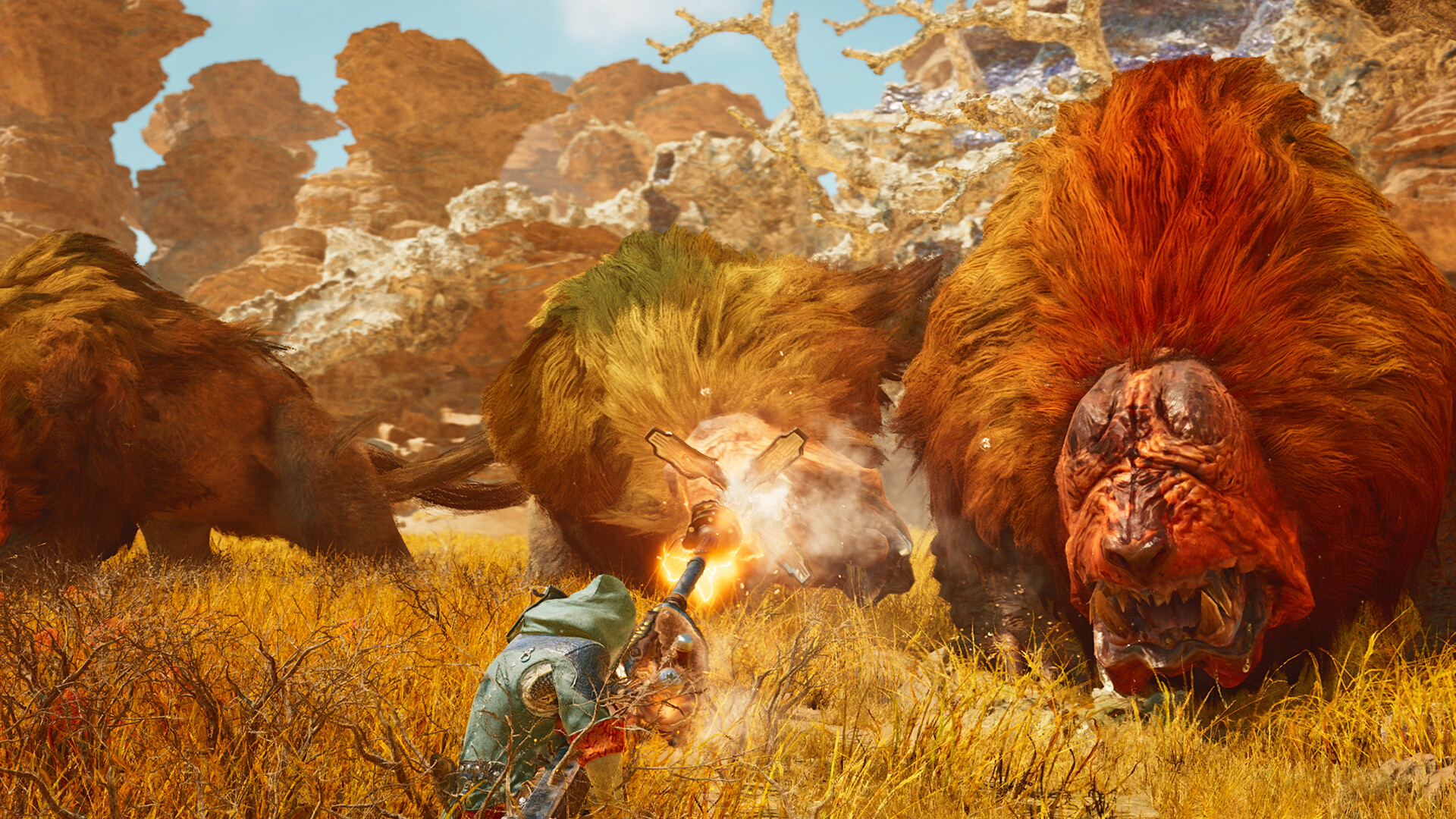
Positioning matters just as much as timing. Monsters have tells, and most of those tells are readable if you watch the head, forelegs, and body angle before the attack lands. Instead of standing directly in front of the target all the time, learn to rotate to a safer side and keep an escape route open. If a monster starts controlling space with area attacks, back off and reset rather than forcing damage into a bad angle.
Your weapon choice also changes the whole beginner experience. Fast weapons forgive positioning errors better, but they may feel technical. Heavier weapons hit harder, but they punish poor timing more severely. There is no universal best choice for new players. The correct pick is the one whose basic attack loop you can remember under pressure.
On PS5, controller comfort matters more than many beginners expect. If a button layout feels awkward after a few hunts, adjust it. A clean input setup is not a luxury in Monster Hunter; it directly affects healing, item access, and combo reliability.
First-Hour Checklist
Your first hour should be spent building competence, not hoarding confusion. These are the most useful actions to take early:
- Finish the opening onboarding and any weapon tutorials you are offered.
- Try at least two weapon types in a low-risk setting before settling on one.
- Open the item pouch and learn where healing, sharpening, and capture tools live.
- Check your map and learn how to mark targets, waypoints, and important locations.
- Practice healing and sharpening outside of panic moments so the buttons become automatic.
- Visit the smithy or equivalent equipment menu early and inspect what is craftable.
- Accept a simple hunt and focus on observing monster movement instead of forcing a fast clear.
- Loot gathering points while moving, so your inventory starts filling with basic materials.
- If the game offers a training or practice space, spend a few minutes there before committing to a weapon.
- After your first hunt, review what caused your damage taken: missed dodge, greedy combo, or bad positioning.
If you only do one thing from that list, make it the weapon trial. Early disappointment in Monster Hunter often comes from picking a weapon for style alone and then discovering that its rhythm does not fit the player. Fixing that immediately saves hours.
Early-Game Priorities
The first priority is survivability. Upgrade defensive gear when you can, but do not chase every shiny armor option at once. Early monsters are more forgiving than later ones, so use the opening stretch to build stable habits rather than perfect builds.
The second priority is learning how the economy works. Materials are not all equal, and early progression is usually bottlenecked by a few specific resources. As a rule, spend common materials freely on basic crafting and consumables, but save rarer drops for weapons and armor that you are actually going to keep using. Do not scatter upgrade materials across multiple half-finished gear sets unless you have a specific reason.
The third priority is weapon familiarity. Pick one main weapon and stay with it long enough to understand its attack windows, defensive options, and how it handles different monster sizes. You do not need to master every move immediately. You do need a reliable opener, a safe punish, and a recovery plan after a whiff.
A practical early spending order looks like this:
| Priority | What to do | Why it matters |
|---|---|---|
| 1 | Stock healing and sharpening supplies | These keep failed hunts from becoming wasted hunts |
| 2 | Upgrade one weapon line you actually use | Concentrates power instead of diluting materials |
| 3 | Improve core armor pieces | Better survivability buys room for mistakes |
| 4 | Save rare monster parts | You will know more later and make better upgrade choices |
| 5 | Craft situational items only when needed | Avoids clogging your inventory with low-value clutter |
That order is especially useful on monster hunter wilds ps5, where comfortable controller play and clear inventory habits reduce the friction of learning on a console interface.
Resource Priority Order
New players usually overspend in one of two ways: they blow useful materials on many side options, or they hoard everything until they are undergeared and underprepared. Neither helps.
Use this order as a baseline:
- Healing items and their ingredients
- Sharpening and maintenance supplies
- One main weapon upgrade path
- One practical armor set
- Capturing or trap-related tools if your hunts support them
- Niche status or element-specific items
- Extra crafting projects for later experimentation
Hoard high-value monster parts until you know whether a weapon line or armor piece is truly worth committing to. Spend common field materials more aggressively, because they are easier to replace. If the game gives you multiple currencies or tokens, prioritize anything that directly increases hunt stability before luxury purchases.
Crafting follows the same logic. Craft to remove friction. Do not craft for the sake of completion. A beginner inventory should support healing, sharpening, traversal, and one focused combat plan.
Common Mistakes to Avoid
1. Greedy attacking
The most common beginner mistake is overcommitting after one safe hit. Monster Hunter punishes that hard. The fix is to cut your combo short until you know the monster’s recovery timing. One clean hit and a safe retreat is better than three hits and a cart.
2. Ignoring defensive habits
Many new players treat healing and positioning as emergency tools instead of standard play. That leads to panic when health drops. The fix is to heal earlier than feels necessary and to reposition before you are cornered. Good players are not healing less because they are lucky; they are healing earlier because they plan for it.
3. Spreading materials too thin
Beginners often upgrade several weapons at once or craft armor that looks useful but never gets equipped again. The fix is to choose one main weapon and one dependable armor path until you understand the game better. Concentrated upgrades give you a clearer power curve.
4. Not learning monster tells
If every attack feels random, you are probably watching the wrong thing. The fix is to study monster body language: head lift, shoulder turn, tail angle, and the pause before a charge or strike. Once you learn the tells, the fight becomes much less chaotic.
5. Fighting while exhausted or unfocused
Monster Hunter demands attention. Playing tired leads to predictable mistakes: late dodges, missed item usage, and bad camera control. The fix is to keep your first sessions short and deliberate. Two good hunts are better than six sloppy ones.
When You Are Ready for the Next Phase
You are out of the beginner phase when three things are true: you can clear early hunts without burning through healing items, you understand your weapon’s safe actions well enough to punish openings on purpose, and you can tell why a hunt went wrong without guessing. When failures become diagnosable instead of mysterious, you have crossed the real threshold.
A second sign is equipment confidence. If you can look at a new armor or weapon and explain whether it helps your current plan, you are ready to start building more deliberately. At that point, the game shifts from “learning how not to die” to “optimizing around monster type, damage profile, and quest goals.”
That is also the right moment to start looking at more specialized resources:
- related guide for early weapon tier choices
- related guide for beginner armor and skill priorities
- related guide for step-by-step walkthrough help
FAQ
What should I do first in Monster Hunter Wilds?
Start with weapon testing, basic item familiarity, and one simple hunt. Learn where healing, sharpening, and the map tools are before you worry about build theory.
Is there a best beginner weapon?
There is no single best answer. The best starter weapon is the one whose timing and input flow make sense to you. If you are unsure, test two different styles and keep the one that feels most readable.
Should I save rare materials?
Yes. Early on, it is usually smarter to save rarer monster parts for gear you will keep using. Spend common materials first.
How do I avoid carting so much?
Do not overcommit to attacks, heal before you are desperate, and watch the monster’s body language. Most early carts come from greed or poor positioning, not from a lack of damage.
When should I start upgrading armor seriously?
As soon as you know which weapon and playstyle you want to keep using. Before that, make only practical upgrades that improve survival without eating rare materials too quickly.
Is `monster hunter wilds ps5` a good starting point for new players?
Yes. The PS5 version is a solid place to learn the game if you are comfortable with a controller and want the standard console hunt loop. The key is to use the first few hours for fundamentals instead of rushing progression.
You might also like
- Monster Hunter Wilds Beginner Build Tier List
- Monster Hunter Wilds Charge Blade Build
- Monster Hunter Wilds Builds Tier List
- Monster Hunter Wilds Bow Build Tier List
- Monster Hunter Wilds Best Builds Guide
Sources
You might also like
- Monster Hunter Wilds Fucium Ore Beginner Guide
- Monster Hunter Wilds A Visitor from the West Beginner Guide
- Monster Hunter Wilds Beginner Guide: Smart Monster Hunter Wilds Beginner Tips
- Monster Hunter Wilds Anguish and Atrocity 4/3 4/8 Beginner Guide
- Monster Hunter Wilds Careening Out of Control 4/22 5/6 Beginner Guide
See also
- Monster Hunter Wilds Gameplay Walkthrough
- Monster Hunter Wilds Beginner Guide: Getting Started, Basics, and Early Progression
- Monster Hunter Wilds Venom Build Guide
- Monster Hunter Wilds Character Creation Codes Beginner Guide
- Monster Hunter Wilds DLC & Expansions: Release Dates & Content
- Monster Hunter Wilds Best Greatsword Build
- Monster Hunter Wilds Builds Dual Blades
- Monster Hunter Wilds Beginner Bow Build
- Monster Hunter Wilds DLC & Expansions: Release Dates & Content
- Monster Hunter Wilds Weapons Beginner Guide
- Monster Hunter Wilds Best Katana Build Guide
- Monster Hunter Wilds Bow Build Guide
- Monster Hunter Wilds Build Guide: [Can You Build in Monster Hunter Wilds](/guides/can-you-build-in-monster-hunter-wilds)?
- Best [Monster Hunter Wilds Mods](/guides/monster-hunter-wilds-mods) 2026: How to Install
- Monster Hunter Wilds Beginner Guide: Weapons, Start-Up Tips, and Early Progression
See also
- Monster Hunter Wilds Beginner Guide: Monsters, Early Progression, and Smart Starter Habits
- Monster Hunter Wilds Weapon Tier List
- Monster Hunter Wilds Soul of the Dark Knight Beginner Guide
- Monster Hunter Wilds Alma Beginner Guide
- Monster Hunter Wilds Smithy's Seal of Quality Beginner Guide
- Monster Hunter Wilds Beginner Guide: Getting Started Fast
- Monster Hunter Wilds Fishing: Life in Microcosm Beginner Guide
- Monster Hunter Wilds Gogmazios Beginner Guide
- Monster Hunter Wilds Layered Armor Beginner Guide
- Monster Hunter Wilds All Trophies and Achievements Beginner Guide
- Monster Hunter Wilds Omega Beginner Guide
- Monster Hunter Wilds Azuz Tanned Leather Beginner Guide
- Monster Hunter Wilds An Inferno Laid Bare 7/8 7/22 Beginner Guide
- Monster Hunter Wilds Character Creation Beginner Guide
- Monster Hunter Wilds Beginner Armor Guide
Screenshots

Reviewed by
MH Wilds Guides Editorial
Expertise: Editorial team behind MH Wilds Guides. Content is compiled from official patch notes, community wikis, and playthrough notes, then reviewed and updated on schedule.
Sources
Monster Hunter Wilds Monsters Guides →
Browse the complete monsters collection and its focused guides.
Related Guides

🔥 Popular Guides
monster hunter wilds tips and tricks for beginners: A Beginner Guide
Beginner-friendly Monster Hunter Wilds guide with first-hour steps, resource priorities, common mistakes, pro tips, and progression advice.
monster hunter wilds best hbg build
Best Heavy Bowgun build guide for MH Wilds with gear, priorities, counters, and budget-to-endgame advice.
monster hunter wilds best hammer build
Best Hammer build guide for MH Wilds with gear, skills, progression, counters, and endgame options.
monster hunter wilds beginner guide 2026
Learn the first-hour checklist, resource priorities, mistakes to avoid, and when you’re ready to move beyond beginner phase.
📋 Patch Notes & Updates
🛠️ Popular Tools
Frequently Asked Questions
Quick answers from the guide · click a question to expand.
What should I do first in Monster Hunter Wilds?
Start with weapon testing, basic item familiarity, and one simple hunt. Learn where healing, sharpening, and the map tools are before you worry about build theory.
Is there a best beginner weapon?
There is no single best answer. The best starter weapon is the one whose timing and input flow make sense to you. If you are unsure, test two different styles and keep the one that feels most readable.
Should I save rare materials?
Yes. Early on, it is usually smarter to save rarer monster parts for gear you will keep using. Spend common materials first.
How do I avoid carting so much?
Do not overcommit to attacks, heal before you are desperate, and watch the monster’s body language. Most early carts come from greed or poor positioning, not from a lack of damage.
When should I start upgrading armor seriously?
As soon as you know which weapon and playstyle you want to keep using. Before that, make only practical upgrades that improve survival without eating rare materials too quickly.
Is monster hunter wilds ps5 a good starting point for new players?
Yes. The PS5 version is a solid place to learn the game if you are comfortable with a controller and want the standard console hunt loop. The key is to use the first few hours for fundamentals instead of rushing progression.
Was this guide helpful?
Rate this guide so we can improve it.
Share your own tip
Found something not in the guide? Submit it below — our editors review every tip before publishing. No account required.