 Monster Hunter Wilds
Monster Hunter Wilds Critical Eye Beginner Guide
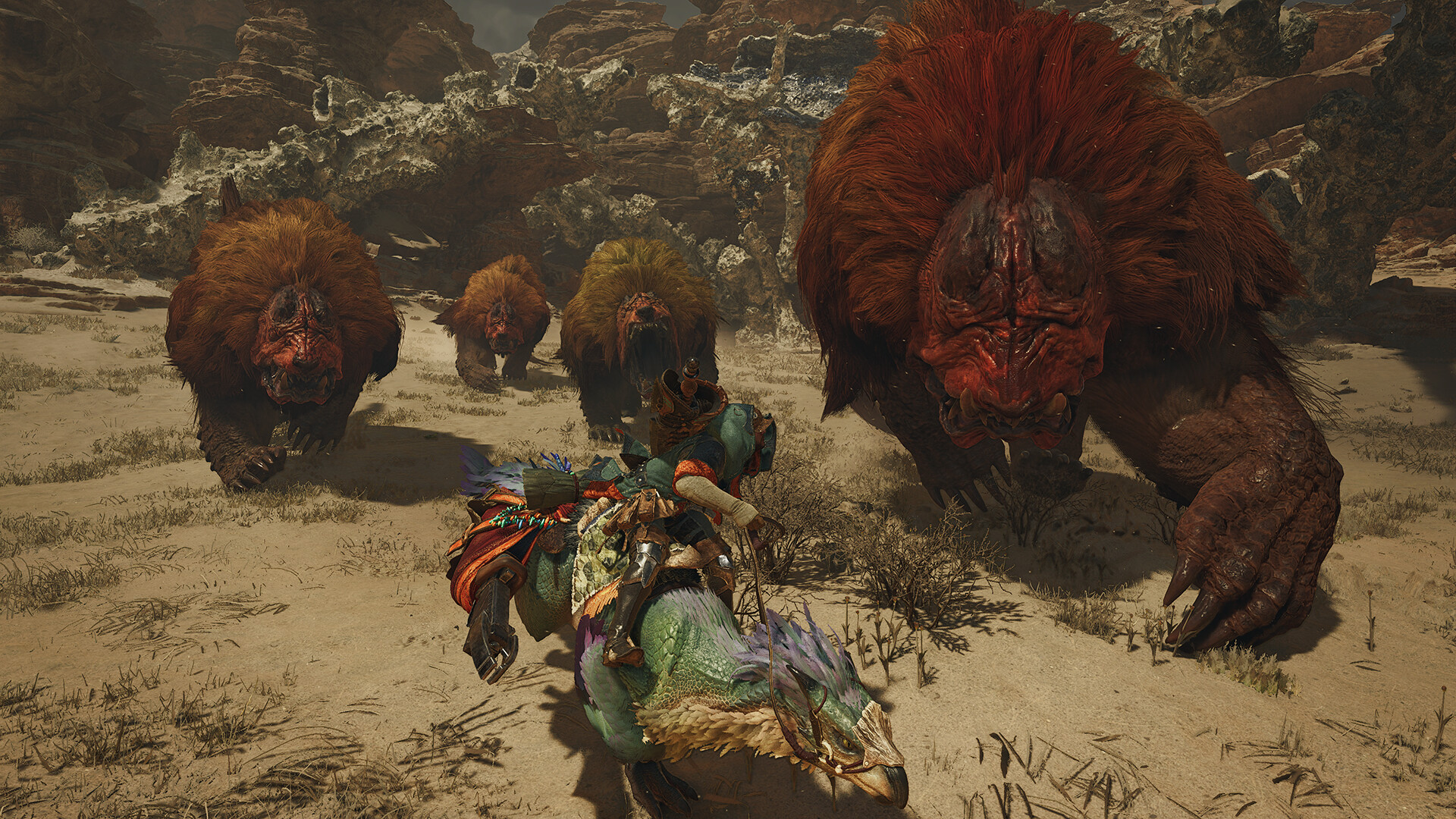
Quick Answer: Monster Hunter Wilds Critical Eye is a straightforward beginner damage skill that raises affinity, but new players should only prioritize it after basic weapon comfort, survivability, and consistent hit uptime are covered.
What Critical Eye Does and Why Beginners Care
Monster Hunter Wilds Critical Eye is an affinity-first skill, and for beginners it matters because affinity is one of the cleanest ways to increase damage without changing your weapon playstyle. In practical terms, Critical Eye helps your attacks crit more often, which makes your damage output steadier in hunts where you are already landing frequent hits. That is especially valuable on fast weapons like Dual Blades and Sword and Shield, and still useful on slower weapons like Great Sword or Hammer when you are hitting weak zones consistently.
The key beginner mistake is treating Critical Eye as a universal early-game priority. It is not. If you are missing openings, getting knocked down repeatedly, or sheathing too often to heal, then more affinity does less for you than better uptime. A hunter who lands ten clean weak-point hits with low affinity usually contributes more than one who chases a full crit setup but spends half the hunt healing, repositioning, or whiffing overcommitted attacks. That is why Critical Eye belongs in a wider build conversation, not as a standalone obsession.
For newer players, the right way to think about it is simple: Critical Eye scales with your consistency. The more often you hit the same parts, the more it pays off. If you are learning monsters like a Rathalos-style flying threat, a fast ground bruiser, or a highly mobile target that forces lots of repositioning, your first damage gains often come from learning safe windows rather than stacking crit chance immediately. Once you can keep pressure on weak points, Critical Eye becomes one of the easiest damage skills to justify.
You will also see it work best when paired with other affinity-friendly tools such as weakness targeting, weapon-specific combo discipline, and any gear that rewards repeated hit strings. On the other hand, if your armor or charm choices are forcing you to give up stamina comfort, defense, or core weapon skills, the crit gain may be too expensive for a beginner build. In the current meta, the skill is strongest when it supplements a stable foundation rather than replacing it.
First-Hour Checklist
Your first hour should focus on unlocking basic systems, learning one weapon, and building a stable loop of hunting, gathering, and upgrading. The fastest way to waste the opening hour is to bounce between too many weapons, overfarm low-value materials, or ignore gear maintenance while chasing damage skills too early.
1. Lock in one main weapon
Pick one weapon and use it through several hunts before you consider branching out. In the early game, the best weapon is the one that lets you reliably hit weak points and stay alive, not the one with the highest theoretical ceiling. If you are unsure, test a simple mobile option like Sword and Shield, a spacing tool like Long Sword, or a heavy hitter like Great Sword. Stay with one until the controls stop feeling like a negotiation.
2. Clear the first practical hunt route
Use your first hunts to learn basic monster tells, retreat timing, and item usage. Focus on monsters or quests that let you practice:
- targeting a head, tail, or other obvious weak area
- sheathing and healing without panic
- repositioning after a missed punish
- ending a hunt without using every resource on the radial wheel
Examples of useful first-hour practice targets include a charge-heavy brute type, a fast opener that forces dodges, and a flying monster that teaches camera control. The goal is not speed. It is pattern recognition.
3. Upgrade your starter gear once you can afford it
Do not sit on materials. If the game gives you a meaningful armor or weapon upgrade path early, use it. A small defense upgrade or a weapon improvement often matters more than hoarding materials for a later plan you do not yet understand. A beginner who crafts one reliable weapon upgrade and one comfortable armor set is usually in a better place than someone who owns half-finished pieces from three trees.
4. Learn the gathering loop while moving between objectives
Collect herbs, honey, ores, bones, and other obvious field resources whenever the route is safe. The point is not to stop every hunt for full-route farming; it is to build a habit of picking up high-value materials on the way. Early resource discipline matters because healing items, ammo components, and crafting ingredients are the real backbone of smooth progression.
5. Start paying attention to affinity and weak zones
This is the first place Monster Hunter Wilds Critical Eye starts becoming relevant. If your current weapon or early armor offers affinity, note whether your attacks are landing on weak points consistently. If you are mostly striking legs, tails, or body zones that are hard to access, a crit skill is less valuable than learning to angle your attacks toward better hit zones. If you are already hitting weak points often, Critical Eye becomes a real candidate for your first damage investment.
6. Build a basic item habit
By the end of the first hour, you should be comfortable using:
- healing items without opening too many menus
- stamina recovery or offensive consumables if your weapon benefits from them
- map markers or hunt notes to remember monster behavior
- restocking before you commit to another quest
That habit matters more than any one skill point.

You might also like
- Monster Hunter Wilds Beginner Guide
- Monster Hunter Wilds Beginner Guide: Getting Started Fast
- Monster Hunter Wilds Beginner Guide
- Monster Hunter Wilds No More Mister Ice Guy 8/19 8/26 Beginner Guide
- Monster Hunter Wilds Beginner Guide: Where to Focus First
Resource Priority Order
Your early resource priority should be survivability first, weapon comfort second, and damage optimization third. Beginners usually flip that order and end up with glassy builds that look efficient on paper but collapse when a hunt goes slightly wrong.
A good priority order is:
- Healing and survival items
- One main weapon path
- One reliable armor set
- Core weapon-specific skills
- Affinity and damage skills like Monster Hunter Wilds Critical Eye
- Side weapons or niche builds
- Luxury upgrades and experimental sets
This order works because the early game is about consistency. A stronger weapon does not help if you cart before you can use it. A damage skill does not help if you are eating every positional mistake. Critical Eye belongs in the middle-to-late beginner bracket because it shines when your gameplay already has enough accuracy to convert affinity into real damage.
What to hoard
Hold onto materials that are broadly useful or annoying to replace:
- ore and bone-type materials that branch into multiple trees
- monster parts from early important targets
- consumable ingredients used for healing or support craft chains
- upgrade materials tied to your chosen weapon line
If the game gives you limited or semi-limited enhancement materials, avoid spending them on temporary gear unless it is a clear power spike. New players often burn rare materials on a stopgap item and then have nothing left for the first genuinely efficient upgrade.
What to spend immediately
Spend on anything that stabilizes hunts:
- stronger basic healing options
- armor upgrades that prevent one-shots or near-one-shots
- weapon upgrades that improve reach, sharpness, or raw consistency
- utility items that make repeated farming smoother
If you are deciding between a slight crit bump and a major comfort upgrade, the comfort upgrade usually wins early. That is also why Critical Eye is often a better second-wave skill than an opening-wave skill. It pays more when your hunt rhythm is already stable.
What to craft first
Craft your first targeted build around one weapon identity, not a mixed shopping list. A clean beginner setup usually looks like:
- one primary weapon
- one armor set with survivability and a relevant offensive trait
- a small consumable kit
- one backup plan for stamina or positioning issues
For weapons that attack rapidly and benefit from repeated hits, affinity support is more attractive earlier. For slower weapons, a beginner is often better served by core attack, sharpness, or skill uptime before leaning into crit stacking. In practice, Monster Hunter Wilds Critical Eye becomes a better craft priority once you know you can actually land enough attacks to justify it.
Simple priority table
| Priority | Spend on | Why it matters early | Example result |
|---|---|---|---|
| 1 | Healing and survival items | Keeps you in hunts longer | Fewer carts, more learning |
| 2 | Main weapon upgrades | Raises baseline performance | Faster kills, cleaner openings |
| 3 | Reliable armor upgrades | Prevents small mistakes from snowballing | More forgiving positioning |
| 4 | Core weapon skills | Supports your chosen playstyle | Better combo consistency |
| 5 | Critical Eye and affinity support | Converts accuracy into damage | More crits on weak points |
Common Mistakes
Common newbie mistakes in Monster Hunter Wilds usually come from overvaluing damage and undervaluing hunt stability. The fix is rarely complicated, but it does require changing your priority order.
Chasing Critical Eye too early
- Why it happens: affinity sounds like a direct damage upgrade, so new players lock onto it immediately.
- Fix: build one stable weapon, one survivable armor set, and enough healing economy first. Add Monster Hunter Wilds Critical Eye after your hunts stop collapsing from basic mistakes.
Ignoring weak points and hitting whatever is closest
- Why it happens: the nearest body part is usually the safest to attack, so beginners stay there.
- Fix: learn two or three consistent target zones per monster, then commit to them during real openings. A crit build is much stronger when your hits land on high-value zones.
Carrying too many unrelated materials
- Why it happens: loot feels scarce early, so players hoard everything.
- Fix: keep broad-use crafting mats, dump or ignore low-value clutter, and only farm specialized parts when a specific upgrade needs them.
Upgrading several weapons at once
- Why it happens: every weapon looks promising in the first hours.
- Fix: choose one main weapon and one backup only if necessary. A focused upgrade path gets you to meaningful power faster than a split resource pool.
Using damage skills as a substitute for movement discipline
- Why it happens: crit and attack bonuses are visible, while positioning improvement is harder to measure.
- Fix: spend one hunt concentrating only on staying in front of weak points and surviving the monster’s punish windows. Then reevaluate your damage skills.
Burning healing items too freely
- Why it happens: many beginners heal at the first sign of damage instead of after the monster’s commitment.
- Fix: learn when to heal after a knockback, roar pause, or long recovery animation. Better item timing raises your actual damage more than a small stat bump.
Common Mistakes
The beginner phase in Monster Hunter Wilds usually breaks down because players optimize the wrong layer of the hunt. They want build power before they have hunt control. That shows up most clearly with affinity skills, because Critical Eye is easy to understand but easy to misapply.
A few errors deserve special attention:
Overfitting to a single skill line
- Why players fall into it: build videos and skill descriptions make one skill look like the whole answer.
- Fix: treat Monster Hunter Wilds Critical Eye as one part of a balanced loadout. Pair it with weapon comfort, survivability, and hit-zone discipline.
Not checking whether the weapon even benefits from the skill yet
- Why players fall into it: they copy a general damage idea across all weapons.
- Fix: ask whether your chosen weapon is landing frequent, accurate hits. Fast, consistent weapons usually make better early use of affinity than slow, inconsistent play.
Ignoring the opportunity cost of armor pieces
- Why players fall into it: they see one attractive stat and miss what they are giving up.
- Fix: compare the full piece, not just the affinity line. A weaker defensive piece can cost more hunts than the crit bonus saves.
Fighting every monster the same way
- Why players fall into it: early monsters can feel similar until the game starts punishing that assumption.
- Fix: learn which targets reward constant pressure and which ones punish overcommitment. Adjust when you chase crit uptime and when you hold back.
Skipping gear upgrades because “the next tier will be better”
- Why players fall into it: they expect a fast climb and do not want to spend resources twice.
- Fix: upgrade the gear that is carrying your current hunts. Good enough now is better than theoretical later.
Pro Tips
The beginner-to-intermediate jump is mostly about timing, targeting, and resource discipline. These tips are useful once you have the basics down and want cleaner hunts without forcing a full endgame build.
Tip 1. Use affinity only when your hit rate is stable
If you notice that a hunt has become predictable and you are landing repeated hits on the same monster part, that is the moment to lean harder into Monster Hunter Wilds Critical Eye. Affinity gets much more valuable when your attack pattern is disciplined.
Tip 2. Build around a repeatable opening, not your fanciest combo
If your weapon has one easy punish after a roar, topple, or recovery animation, build your early damage plan around that window. A repeatable head break or tail punish is better than an advanced string you rarely finish.
Tip 3. Track whether a fight is about uptime or survival
Against slow bruisers, you can often afford more offense and crit support. Against mobile threats, the limiter is usually your ability to stay close safely. That distinction tells you whether Critical Eye is ready to matter or still too early to prioritize.
Tip 4. Keep one flexible armor setup for unknown hunts
When you enter a new monster fight, do not over-specialize immediately. A balanced set with survivability and a modest damage line is more useful than a narrow crit stack that only works when everything goes right.
Tip 5. Review why each cart happened
If you cart once, identify whether it came from greed, bad positioning, item delay, or unfamiliar animation timing. Once you know the cause, you can decide whether the answer is more defense, better movement, or a more efficient skill loadout.
Tip 6. Treat weak-point knowledge as a damage stat
Knowing where to stand and what to hit is functionally a damage boost. That is why beginners often get more value from practicing head and tail routes than from immediately forcing more affinity.
Graduation Threshold
You are out of the beginner phase when you can clear hunts with stable item usage, consistent weak-point targeting, and a clear reason for every armor and weapon choice. That is the practical threshold, not a level, rank, or quest count.
A good sign that you have graduated from beginner status is when you can answer these questions without hesitation:
- Which weapon do I actually understand well enough to play under pressure?
- Which monster parts am I consistently hitting, and why?
- Do I know when Monster Hunter Wilds Critical Eye improves my build and when it is just decoration?
- Can I explain why I chose my armor pieces beyond “they had good numbers”?
- Do I finish hunts with enough healing and crafting resources left to continue farming efficiently?
If you can do all of that, you are no longer learning the game’s basic language. You are optimizing. At that point, affinity skills like Critical Eye start to become part of a deliberate damage plan rather than a hopeful stat upgrade.
You should also consider yourself past beginner status when your hunts stop being rescue operations. In the beginner phase, a lot of decisions are reactive: heal now, run now, sharpen now, retreat now. Once you move past that, you start planning for the next two monster actions, not just the current one. That shift matters more than any single weapon tree. It is also where a focused build starts outperforming a generic one, because you finally have the consistency to cash in on the extra crit chance.
Next-Step Internal Links
Once you finish the beginner layer, the next useful reads are the ones that convert general comfort into real build direction, matchup knowledge, and progression planning.
- monster hunter that tips for early-game weapon choices and which one fits your pace
- related guide for best starter armor and skill priority by weapon type
- related guide for full story progression and urgent hunt walkthroughs
- monster hunter pick tips for damage skills explained, including affinity and crit scaling
- related guide for weapon-specific builds and upgrade paths
- related guide for monster weak points and hunt prep by target
- monster hunter wilds shining for resource farming routes and early material management
Related Guides
- Monster Hunter Wilds early weapon tier list
- Monster Hunter Wilds best beginner armor sets
- Monster Hunter Wilds affinity and crit build guide
- Monster Hunter Wilds story walkthrough
- Monster Hunter Wilds weapon progression guide
- Monster Hunter Wilds monster weak points guide
- Monster Hunter Wilds resource farming guide
Sources
See also
- Monster Hunter Wilds Beginner Guide: Getting Started Fast
- Monster Hunter Wilds Beginner Guide: What to Do First
- Monster Hunter Wilds Hungry for Ore 8/26 9/9 Beginner Guide
- Monster Hunter Wilds Daughters of Carabosse 4/22 5/6 Beginner Guide
- Monster Hunter Wilds Beginner Guide
- Monster Hunter Wilds Beginner Guide
- Monster Hunter Wilds Anguish and Atrocity 4/3 4/8 Beginner Guide
- Monster Hunter Wilds Beginner Guide: Getting Started Fast
- Monster Hunter Wilds Beginner Guide
- Monster Hunter Wilds Beginner Guide: The Shining Storm Rages 5/6 5/20
Screenshots


Reviewed by
MH Wilds Guides Editorial
Expertise: Editorial team behind MH Wilds Guides. Content is compiled from official patch notes, community wikis, and playthrough notes, then reviewed and updated on schedule.
Sources
Monster Hunter Wilds Monsters Guides →
Browse the complete monsters collection and its focused guides.
Related Guides

🔥 Popular Guides
Monster Hunter Wilds Good Beginner Weapons: Complete Beginner Guide
Best starter weapons, first-hour checklist, common mistakes, and beginner progression tips for Monster Hunter Wilds.
Monster Hunter Wilds patch notes 2026-09-04: Patch Notes Explained
Explained update notes, verified fixes, content changes, and what hunters should do next in Monster Hunter Wilds.
monster hunter wilds weapons for beginners: Beginner Guide
Learn the best starter weapons, first-hour priorities, common mistakes, and when you have outgrown beginner play in Monster Hunter Wilds.
Monster Hunter Wilds mh wilds balance patch notes Explained
Patch-by-patch Monster Hunter Wilds balance changes, winners, losers, and what players should do after Version 1.030.01.00.
📋 Patch Notes & Updates
🛠️ Popular Tools
Was this guide helpful?
Rate this guide so we can improve it.
Share your own tip
Found something not in the guide? Submit it below — our editors review every tip before publishing. No account required.