 Monster Hunter Wilds
Monster Hunter Wilds A Break in the Clouds Beginner Guide
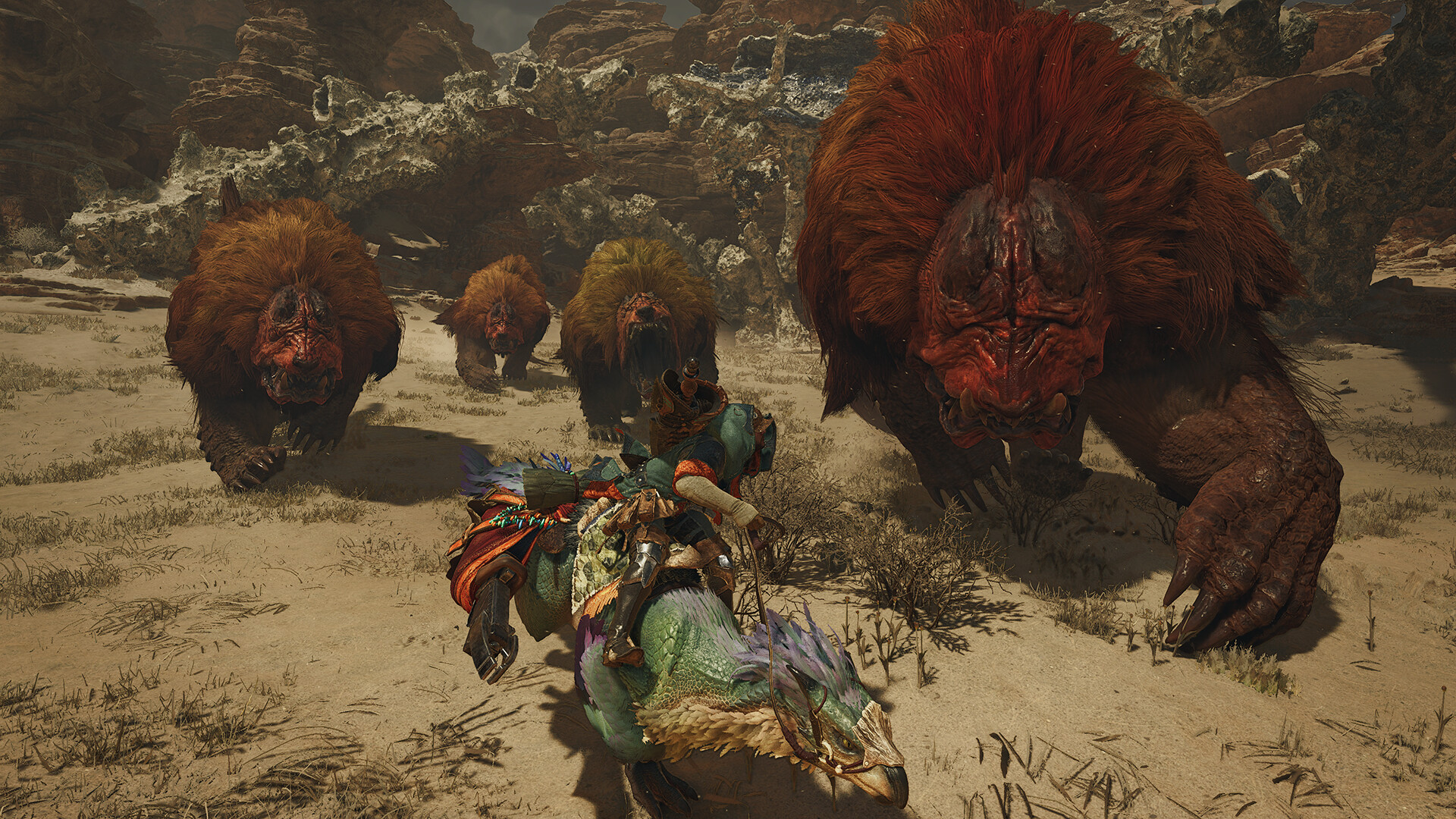
Quick Answer: Monster Hunter Wilds A Break in the Clouds is a beginner-friendly early-game progression guide that helps you prioritize quests, upgrades, and core systems so you build momentum fast without wasting scarce materials or time.
What `A Break in the Clouds` Means For Beginners
A Break in the Clouds is best treated as your onboarding window, where the right choices matter more than raw mechanical execution. Monster Hunter Wilds launched worldwide on February 28, 2025, on PlayStation 5, Windows, and Xbox Series X/S with cross-platform play support, so most new players are learning the same systems at the same time across the current meta Source.
For a first-time hunter, the goal is not to “master” everything immediately. The goal is to stabilize three things: your damage uptime, your survivability, and your resource economy. If you do that, the opening stretch of Wilds becomes far less punishing and much easier to read.
First-Hour Checklist
Your first hour should focus on unlocking core tools, building one usable set, and avoiding wasteful spending. Use this checklist in order.
- Advance the main story until you unlock your central hub loop and basic camp-to-hunt flow.
- Check every tutorial prompt for weapon-specific mechanics, then test your chosen weapon on low-risk targets before committing.
- Craft or equip the strongest weapon and armor pieces you can make without draining rare materials.
- Stock basic healing and utility items before attempting longer hunts.
- Set your item loadout and radial shortcuts so healing is never buried in menus.
- Talk to every relevant NPC once after each major progression step to catch unlocks, side systems, and request chains.
- Accept only a small number of optional hunts or side tasks early; keep your route main-story focused until your gear stabilizes.
What To Do First
Start by learning one weapon, not every weapon. Monster Hunter rewards system mastery, and beginners usually lose more time by swapping constantly than by committing to a single tool and understanding its rhythm.
Then do the practical setup work:
- Equip your best available weapon, even if the upgrade is modest.
- Slot in defensive armor if your current set is fragile.
- Refill healing supplies after every hunt.
- Save loadouts once your item bar feels comfortable.
What To Ignore Early
Ignore perfect optimization, cosmetic farming, and “build theory” until your basic hunt loop is stable. Early materials are more valuable than they look, and spending them on sidegrades that you replace quickly is a classic beginner trap.

Resource Priority Order
You should spend early resources on survival, consistency, and unlock progression before anything else. The most efficient order is below.
| Priority | Spend On | Why It Matters |
|---|---|---|
| 1 | Healing items and restockable basics | These prevent failed hunts and wasted progression time |
| 2 | Weapon upgrades for your main weapon | Raw performance scales faster than niche comfort picks |
| 3 | Armor pieces with immediate defense value | Early survivability smooths out learning mistakes |
| 4 | Quest unlocks and progression triggers | Main-story advancement opens better systems and gear |
| 5 | Crafting mats for a single main build path | Spreading resources too thin slows your growth |
What To Hoard
Hoard rare monster parts, upgrade materials, and any item that looks like a limited-use progression component. If you are unsure whether a material is rare, do not convert it into a cosmetic or experimental craft unless the upgrade is clearly stronger than your current setup.
What To Spend Freely
Spend freely on consumables that directly improve hunt success, especially healing and basic support tools. In a beginner phase, a successful hunt with modest item use is better than a failed hunt with a perfectly preserved inventory.
What To Craft First
Craft the first reliable version of your main weapon path, then armor that improves your ability to survive mistakes. If a piece increases consistency without demanding rare materials, it usually belongs near the top of your queue.
Common Newbie Mistakes
Most early mistakes come from rushing, overspending, or ignoring the game’s information density. Fixing those habits early saves a lot of friction later.
Mistake 1: Switching Weapons Too Often
New players often sample too many weapons before they understand any of them.
Fix: Pick one weapon for the first stretch of the game and learn its core loop, range, commitment windows, and safest punish options. You can branch out later once your hunts feel controlled rather than reactive.
Mistake 2: Spending Rare Materials on Sidegrades
Beginners frequently craft whatever looks interesting, then discover the item is temporary.
Fix: Compare every upgrade against your current needs. If the new piece is only slightly different, keep your rare materials for a clearer power increase or a more stable progression piece.
Mistake 3: Ignoring Item Prep
A lot of failed hunts are really inventory problems, not combat problems.
Fix: Restock healing and utility items before leaving town, then build a loadout so your baseline setup is always one click away. Treat prep as part of the hunt, not as optional housekeeping.
Mistake 4: Overcommitting To Aggression
Beginners often attack until stamina, positioning, or timing collapses.
Fix: Learn to disengage after a short combo and reset your spacing. Monster Hunter favors controlled damage windows, not constant button pressure.
Mistake 5: Taking Every Side Activity Immediately
Side tasks are useful, but scattering your attention too early slows main progression.
Fix: Follow the main path until your gear and systems open up, then return for optional content with better damage and survivability.
How To Know You’re Out Of The Beginner Phase
You are out of the beginner phase when your hunts become repeatable instead of chaotic. That means you can clear most early targets without panic healing, you understand your weapon’s core punish windows, and you know which resources are worth keeping.
A practical graduation check looks like this:
- You can complete standard hunts without running out of healing because of avoidable damage.
- You know your weapon’s safest opener, mid-combo exit, and emergency disengage.
- You have one main gear path instead of a pile of disconnected pieces.
- You understand which items are consumable, which are progression mats, and which should be hoarded.
- You can read a monster’s basic behavior and respond without guessing every time.
Once those are true, you are no longer in the “survive the tutorial layer” phase. You are ready to start tuning for efficiency, sharper damage windows, and more specialized builds.
Beginner Progression Benchmarks
Use these markers to decide whether to keep learning fundamentals or start pushing into more advanced optimization.
| Stage | What You Can Do | What You Should Focus On |
|---|---|---|
| Beginner | You are still learning menus, hunts, and weapon rhythm | Survival, item prep, and one weapon |
| Stabilized | Hunts are consistent and deaths are usually preventable | Upgrade efficiency and cleaner execution |
| Ready To Advance | You can clear content without depending on emergency recovery | Build planning, matchup knowledge, and farming routes |
Next Steps
Your next step should be to move from survival-first play into structured progression with a focused build and a clear route through content. For that, the most useful follow-up reads are related guide for a weapon-specific starter setup, related guide for early armor and upgrade planning, and monster hunter wilds where for a step-by-step main story walkthrough.
If you are still unsure where to go, start with your chosen weapon guide first. That gives you the cleanest return on time because it improves every hunt you take after the opening hours.
Sources
Screenshots


Reviewed by
MH Wilds Guides Editorial
Expertise: Editorial team behind MH Wilds Guides. Content is compiled from official patch notes, community wikis, and playthrough notes, then reviewed and updated on schedule.
Sources
Monster Hunter Wilds Monsters Guides →
Browse the complete monsters collection and its focused guides.
Related Guides
🔥 Popular Guides
monster hunter wilds best hammer build
Best Hammer build guide for MH Wilds with gear, skills, progression, counters, and endgame options.
monster hunter wilds best hbg build
Best Heavy Bowgun build guide for MH Wilds with gear, priorities, counters, and budget-to-endgame advice.
monster hunter wilds weapons difficulty tier list
Best Monster Hunter Wilds weapons ranked by difficulty, comfort, and current meta strength with S/A/B tiers, tips, mistakes, and patch notes.
monster hunter wilds tips and tricks for beginners: A Beginner Guide
Beginner-friendly Monster Hunter Wilds guide with first-hour steps, resource priorities, common mistakes, pro tips, and progression advice.
📋 Patch Notes & Updates
🛠️ Popular Tools
Was this guide helpful?
Rate this guide so we can improve it.
Share your own tip
Found something not in the guide? Submit it below — our editors review every tip before publishing. No account required.