 Monster Hunter Wilds
Monster Hunter Wilds Oilwell Basin Beginner Guide
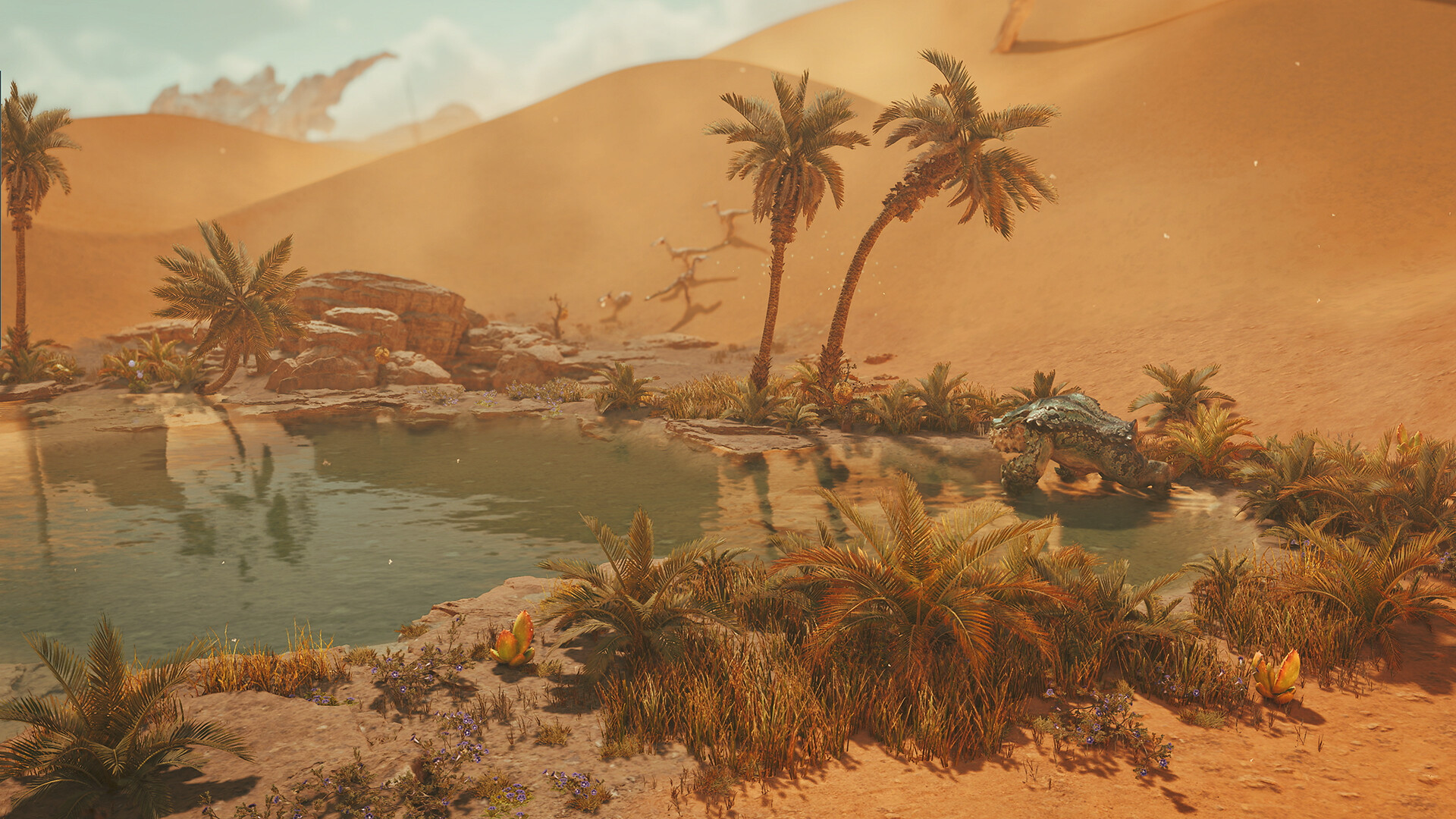
Quick Answer: Monster Hunter Wilds Oilwell Basin is easiest for beginners when you treat it like a resource loop first and a boss arena second: learn the heat-safe routes, gather everything, upgrade steadily, and only pick hard fights when your healing and weapon sharpness are under control.
Monster Hunter Wilds is a 2025 action role-playing game developed and published by Capcom Source, and that matters here because the Oilwell Basin feels built around the series' modern approach: open traversal, readable resource routes, and hunts that punish rushing more than they reward bravado. It also launched worldwide on February 28, 2025 with cross-platform play for PlayStation 5, Windows, and Xbox Series X/S Source, so a lot of new hunters are arriving from different platforms with very different comfort levels. If the Basin is where your confidence starts wobbling a little, that is normal. This region looks like a giant industrial furnace had a bad day and decided to become a biome.
The good news is that the area is actually fantastic for learning core Monster Hunter habits. It teaches route planning, safe gathering, stamina awareness, and the old series truth that preparation wins more fights than panic dodging. The bad news is that new players often enter it like a standard action map, get clipped by the environment, burn through healing, and then blame the monster. Sometimes it really is the monster. A lot of the time, though, the Basin is just exposing messy fundamentals.
This beginner guide is built to fix that. We will cover what to do in your first hour, what to spend and hoard, the mistakes that keep sending hunters back to camp, when you have officially graduated from beginner mode, and the next guides worth checking after you are comfortable here. The idea is simple: make the Oilwell Basin feel less like lava-flavored homework and more like a hunting ground you can actually read.
What To Do In Your First Hour
Your first hour in Monster Hunter Wilds Oilwell Basin should be spent unlocking familiarity, stocking core supplies, and testing safe combat habits rather than chasing perfect clears. If you try to force big kills before you understand the terrain, you usually end up wasting healing items, dropping sharpness at the worst time, and forgetting where the easy gathering pockets are.
A solid first-hour checklist looks like this:
- Follow the main route slowly once before you start farming side materials.
- Pick up every obvious gather point you pass, even if the item seems low value.
- Mark mental landmarks near narrow paths, ledges, heat-heavy sections, and open combat zones.
- Practice entering and leaving combat instead of staying glued to a monster.
- Watch how much healing you consume in one ordinary fight.
- Return to camp and restock before supplies become a crisis.
- Check what immediate gear upgrades are available from the materials you already found.
- Run one more lap through the area with gathering as the priority and combat as the bonus.
That may sound cautious, but it saves a ton of frustration. In a region like the Basin, map knowledge is basically a hidden stat. If you know where you can reposition, where you can safely sharpen, and where gathering clusters tend to appear, fights immediately become less chaotic.
There are three things beginners should actively test in that first session.
Learn your safe disengage windows
The Oilwell Basin rewards knowing when to stop hitting the monster. For example, if you are using a slower weapon and your combo leaves you planted in front of a sweep or body check, you need to identify the point where one extra swing becomes greed. If you use a faster weapon, test short poke-and-move patterns rather than emptying your whole stamina bar on a flashy sequence. In practical terms, do a few attack strings, back out, heal or sharpen if needed, then go back in. That loop teaches more than one reckless all-in attempt.
Build a gathering route, not just a combat route
New players often remember where they fought but not where they gathered. That is backwards. You want to notice the easy-to-repeat loops: camp to nearby nodes, a safe bend with multiple pickups, a passage that connects two useful pockets, then back toward the hunt path. Even basic materials matter because they support consumables, upgrades, and the rhythm of future hunts. If one route gives you steady herbs, ore, or crafting ingredients while another route only gives you a dramatic view and a cart back to camp, pick the boring route. Future you will be grateful.
Test your sustain before hard targets
Before you commit to tougher encounters in the Basin, ask a very simple question: can you finish a normal hunt here without feeling item-starved? If you are ending fights with no healing, low stamina control, and wrecked sharpness management, you are not underleveled in the emotional sense, but you are underprepared in the practical sense. Fix that loop first. Do one cleaner hunt with better pacing. Then step up.
A nice side benefit is that this first-hour routine teaches you how Monster Hunter Wilds wants to be played generally, not just in this region. Since this is a successor to Monster Hunter: World (2018) Source, a lot of its onboarding flow still nudges players toward learning systems through repetition, observation, and small efficiency gains instead of giant tutorial pop-ups. The Basin simply turns that lesson up a notch and adds more heat.
Resource Priority Order For Oilwell Basin
Your best resource priority in Monster Hunter Wilds Oilwell Basin is to spend on survival and weapon uptime first, hoard flexible upgrade materials second, and craft specialized tools only after your baseline loop feels stable. Beginners get into trouble when they dump materials into niche gear too early or use every crafting item the moment they get it.
Here is the cleanest priority order for most players:
| Priority | What to focus on | Why it comes first |
|---|---|---|
| 1 | Healing and recovery supplies | Keeps hunts alive while you learn routes and monster patterns |
| 2 | Whetstone-adjacent upkeep habits and weapon maintenance support | Damage falls apart fast if your weapon flow is sloppy |
| 3 | Early armor and weapon upgrades from common materials | Gives reliable progression without waiting on rare drops |
| 4 | Flexible crafting materials | Lets you respond to new quests without emergency farming |
| 5 | Specialized consumables and situational tools | Useful later, but easy to overinvest in too early |
The first bucket is non-negotiable.
Spend first on survival consistency
If the choice is between making something flashy and making sure you can heal through mistakes, pick healing every time. The Oilwell Basin is rough on beginners because environmental pressure and monster pressure stack together. You might take chip damage repositioning, then get clipped by a tail, then panic-roll into worse terrain, and suddenly the hunt is wobbling. That is why herbs, potion chains, and any reliable recovery setup should be treated as your first line item.
A practical beginner rule:
- Keep enough healing for a full hunt, not just the opening engagement.
- Refill after every trip if your stock dipped more than expected.
- Treat a near-empty pouch as a warning sign, not a badge of honor.
If you are constantly scraping by with one heal left, you do not need more swagger. You need better resource discipline.
Hoard broad-use upgrade materials
The next thing to protect is your pool of broadly useful materials. Ore, bones, and common monster parts usually have more long-term value than new players expect because they feed multiple branches of progression. You may be tempted to spend them immediately because a menu says you can craft something new. Resist the shiny button reflex. If a material can support several weapon paths or help with armor improvements, it is often smarter to wait until your preferred weapon style is clearer.
This especially matters if you are still deciding between, say, a faster mobile weapon and a heavier commitment weapon. Early overcrafting can leave you with lots of gear you do not actually enjoy using.
Craft specialized items later, not never
Situational tools absolutely matter in Monster Hunter. The issue is timing. If you burn materials on narrow-use consumables before you have your baseline supplies and upgrades settled, you can make the early game feel poorer than it really is. A good pattern is:
- Craft what directly supports your next few hunts.
- Avoid mass-crafting niche items just because the recipe unlocked.
- Save some flexible materials for surprise roadblocks.
Think of it like packing for a rough hike. Water, food, and shoes first. Fancy gadget later.
Upgrade with purpose
When you do start spending more aggressively, ask what problem the upgrade solves. Does it help you survive longer in drawn-out fights? Does it make your current weapon feel smoother? Does it let you stay aggressive without constant sharpening breaks? If the answer is yes, great. If the answer is mostly "the icon looks cool," maybe hold off for a minute. Monster Hunter has always been a little dangerous for people who love menus. The Basin will punish menu optimism pretty quickly.

You might also like
- Monster Hunter Wilds Beginner Guide
- Monster Hunter Wilds Beginner Guide: Where to Focus First
- Monster Hunter Wilds Pick Your Poison 7/22 8/12 Beginner Guide
- Monster Hunter Wilds Beginner Guide
- Monster Hunter Wilds Beginner Guide: Getting Started Fast
Common Mistakes
The most common Monster Hunter Wilds Oilwell Basin mistakes are rushing fights, ignoring the map, overspending materials, and treating every bad hunt like a pure combat problem. Beginners usually fall into these traps because the zone looks dramatic enough to suggest constant action, but it really rewards preparation, patience, and route control.
Here are the big ones and how to fix them.
Mistake 1. Fighting deep into a bad area
The mistake: You keep chasing a monster into cramped, hazardous, or awkward terrain instead of resetting the engagement.
Why players fall into it: New hunters worry that backing off means losing damage or momentum.
Fix: If the monster drifts into a messy section, disengage and reposition to a cleaner patch when possible. In the Basin, a safer fighting floor is often worth more than forcing one extra combo. If your camera, footing, or visibility gets ugly, that is your cue to move.
Mistake 2. Using healing only after panic damage
The mistake: You wait until your health is scary low before healing.
Why players fall into it: Players want to be efficient and avoid "wasting" items.
Fix: Heal before the danger zone if the monster has fast follow-up pressure or the environment is still hurting you. Efficient healing is not always late healing. In practice, topping up at a stable moment prevents the classic two-hit spiral.
Mistake 3. Crafting too many side upgrades too soon
The mistake: You spread materials across multiple armor pieces or weapon paths before your main setup is stable.
Why players fall into it: The forge menu makes everything look equally urgent.
Fix: Choose one primary weapon route and one sensible armor progression track for now. Bank common extras until you know what your build actually needs. Early discipline pays off much more than early variety.
Mistake 4. Forgetting sharpness and stamina during long scrambles
The mistake: You stay locked into the fight until your weapon performance tanks and your movement options feel terrible.
Why players fall into it: Adrenaline. Also, Monster Hunter has a way of making five seconds feel like half a second.
Fix: Build micro-resets into your hunt rhythm. After a knockdown ends, after the monster relocates, or after you evade a big move, check whether you should sharpen, recover, or simply breathe for a second. Small resets stop big collapses.
Mistake 5. Treating gathering as optional busywork
The mistake: You sprint past nodes because you only care about the target monster.
Why players fall into it: Gathering does not feel exciting in the moment.
Fix: Gather on the way to and from objectives until the route becomes automatic. In a zone like the Oilwell Basin, those little pickups become healing, upgrades, and the difference between a smooth next hunt and another emergency supply run.
Mistake 6. Staying on a weapon that feels wrong
The mistake: You force yourself to keep using a weapon class that is technically strong but practically miserable for you.
Why players fall into it: Online chatter can make people think there is a "correct" beginner weapon.
Fix: If your attacks constantly whiff, your movement feels sluggish, or you dread every engagement, test another weapon type. For example, a player struggling with long commitment animations may feel much better on something quicker and more reposition-friendly. Comfort matters because comfortable players learn faster.
Mistake 7. Blaming the monster for every failed hunt
The mistake: Every cart gets filed under "cheap move" instead of "what broke in my loop?"
Why players fall into it: It is easier on the ego, and some monster moves really do feel rude.
Fix: After a failed attempt, identify one specific breakdown: bad healing timing, bad positioning, low supplies, poor route choice, or overcommitting after a stagger. Fix one thing at a time. That is how Monster Hunter stops feeling random and starts feeling readable.
Pro Tips
The best Monster Hunter Wilds Oilwell Basin pro tips are all about shaving friction out of the hunt: shorter downtimes, cleaner routes, better resets, and fewer self-inflicted disasters. Once you understand the basics, these are the habits that make the zone feel much less hostile.
Tip 1. Start every run with a purpose
Go into the Basin asking one question: "Am I here to hunt, gather, or upgrade?" That sounds simple, but it changes your whole pace. A gathering run should be route-focused and low risk. A hunt run should begin with a full pouch and clean gear. An upgrade run should target the materials that unlock your next useful step. Mixing all three every time is how you end up wandering around half-prepared, like a hunter who forgot what quest board they clicked.
Tip 2. Use monster movement as your maintenance window
When a monster changes area, do not just sprint after it on autopilot. That travel time is often your best chance to sharpen, top off healing, or grab nearby materials. New players chase instantly because they fear losing pressure, but the real loss is arriving at the next arena with bad sharpness, half health, and zero plan.
Tip 3. Learn one emergency escape route in each troublesome section
The Basin gets much easier once you know where to run when things go sideways. Pick a few spots that tend to cause trouble and memorize the cleanest exit line from each one. It does not need to be fancy. You just want a reliable path that lets you heal, reset the camera, or regroup without getting pinballed. This is one of those habits that feels small until it saves a hunt.
Tip 4. Let short combos do the work
This area quietly punishes combo greed. If you are still learning a monster, use shorter strings even when you think you could fit more. A couple of safe hits into a clean dodge often beats one ambitious sequence that gets you clipped, forces a heal, and breaks your momentum. That trade becomes especially obvious in long Basin fights where sustained control matters more than highlight-reel bravado.
Tip 5. Farm during easy hunts, not after a bad loss
If you know you will need common crafting and upgrade materials soon, gather them during low-stress runs instead of waiting until a frustrating wall appears. Emergency farming after repeated failures always feels worse. Calm farming during routine hunts feels productive. Same materials, very different mood.
Tip 6. Watch your item drain, not just your hunt time
A hunt can feel "fine" and still reveal a problem if it burns way too many supplies. If every Basin run eats most of your healing and leaves you limping to the finish, that is not stable progression. Look at your item usage as a hidden performance review. Clean hunts usually conserve more than they consume.
Tip 7. Upgrade for your actual pain point
When you finally spend those banked materials, fix the problem you are actually experiencing. If survivability is the issue, prioritize that. If your weapon feels clunky because you lose uptime, invest there. If your hunts are failing because you simply cannot maintain pressure without constant recovery, solve that loop first. A lot of beginners upgrade for abstract future power when the real issue is present-tense comfort.
How To Know You Are Out Of The Beginner Phase
You are out of the beginner phase in Monster Hunter Wilds Oilwell Basin when the area stops feeling unpredictable and starts feeling manageable even when hunts go slightly wrong. Graduation is less about a single boss kill and more about repeated signs that your fundamentals are holding up under pressure.
A good graduation threshold looks like this:
- You can enter the Basin with a plan instead of improvising everything.
- You recognize the useful gathering path without needing to stop and think.
- You finish ordinary hunts without regularly running out of healing.
- You sharpen, heal, and reposition on purpose rather than as a panic reaction.
- You know when to disengage instead of chasing bad damage.
- You can recover from one mistake without the whole hunt collapsing.
- Your upgrades are targeted, not random.
That last point matters more than people think. A beginner often crafts reactively: one bad hunt, one random armor piece, one experimental weapon branch, then another panic craft. A graduated player is not necessarily stronger in raw numbers; they are clearer. They know what they are building toward and why.
There are also a few "feel" indicators that are easy to miss.
The zone no longer taxes your attention every second
At first, the Oilwell Basin can feel like it is always asking something from you: watch the terrain, watch the monster, watch your items, watch your route, watch your stamina, and maybe watch your sanity while you are at it. Once you graduate, some of that load drops away. You start moving through the space more naturally. You recognize where fights tend to get awkward. You remember where the easy gather points are. You stop treating every corner like a surprise exam.
You can adjust mid-hunt
A true beginner tends to run one script: attack until hurt, heal when scared, chase when monster leaves. A more developed hunter can adapt. Maybe the arena is bad, so they reset. Maybe supplies are draining too fast, so they play more compact. Maybe a route to the next area gives them a moment to gather and recover. That flexibility is a huge sign that you have moved past the pure beginner stage.
You are ready to branch out
Once the Basin feels readable, you are in a good place to start caring more about optimization, matchups, weapon-specific improvements, and cleaner farm cycles. That is where targeted build and progression guides become much more useful. Before then, many optimization guides are honestly overkill. They are like giving speed-run homework to someone still learning where the exits are.
If you want a practical self-test, run a few Basin hunts back to back and ask:
| Sign | Still beginner-phase | Moving past beginner |
|---|---|---|
| Route knowledge | Frequently lost or inefficient | Moves through the zone with purpose |
| Item use | Often runs critically low | Usually finishes with buffer left |
| Combat pacing | Overcommits and panics | Resets and re-engages deliberately |
| Upgrades | Crafts reactively | Spends resources with a clear goal |
If you see yourself landing in the right-hand column more often, congratulations, you are no longer in the tutorial-in-spirit phase. The Basin has stopped driving and started riding shotgun.
Related Guides
The best next-step guides after this Monster Hunter Wilds Oilwell Basin beginner walkthrough are the ones that sharpen your progression path, your weapon decisions, and your route efficiency. Once you are comfortable surviving here, the real fun starts: squeezing more value out of every hunt and turning "I hope this works" into "yeah, I know what I’m doing now."
Start with these:
- monster hunter more tips - Monster Hunter Wilds best early-game weapon picks
- related guide - Monster Hunter Wilds early armor upgrade priority
- Monster Hunter Wilds Beginner Guide - Monster Hunter Wilds Oilwell Basin walkthrough and route map
- related guide - Monster Hunter Wilds beginner build paths by weapon type
- monster hunter wilds three - Monster Hunter Wilds best items to craft first
- related guide - Monster Hunter Wilds monster weak points guide
- monster hunter like tips - Monster Hunter Wilds solo progression tips
- related guide - Monster Hunter Wilds multiplayer hunting basics
A good order is to read the weapon picks guide first, then the early armor progression piece, then circle back to a dedicated Basin walkthrough if you want a cleaner farming loop. That sequence helps because it mirrors how real progression usually happens. First you decide how you want to fight, then you support that style with sensible gear, then you optimize where and how you farm. Nice and tidy. Monster Hunter rarely stays tidy for long, but it is good while it lasts.
FAQ
Is Oilwell Basin supposed to feel hard early on?
Yes, Oilwell Basin is supposed to feel demanding early because it combines normal monster pressure with environmental strain and route complexity. New players often assume they are underpowered when the real issue is unfamiliarity. Once you know your safe paths, understand when to disengage, and stop burning items too late, the same area becomes much more reasonable.
Should I farm in Oilwell Basin before pushing the next hunts?
Yes, if your supplies and upgrades feel shaky, a short farm loop is usually worth it. The trick is not turning farming into endless stalling. Do enough gathering to stabilize healing, maintenance, and your next meaningful upgrade, then return to progression. You want support farming, not procrastination farming.
What is the biggest survival tip for this region?
The biggest survival tip is to stop treating every second as attack time. Short resets are huge here. If the monster repositions, if your weapon needs upkeep, or if the terrain turns ugly, take the moment. Many early failures in Monster Hunter Wilds Oilwell Basin come from players trying to maintain pressure when the smarter play is to restore control.
Should beginners switch weapons if the Basin feels miserable?
Yes, sometimes the weapon is the issue. If your current weapon makes you feel glued to the floor, constantly out of position, or unable to recover from mistakes, trying a more comfortable option is sensible. You do not need to marry the first weapon that looked cool in camp. Monster Hunter is full of "this looked amazing until I actually had to survive with it" moments.
How much should I gather versus hunt?
You should gather enough that your next few hunts feel supported, then shift the focus back to combat. In practice, that means collecting materials naturally along your route, doing occasional dedicated loops when stock is low, and avoiding the trap of sprinting past everything. A little consistent gathering beats desperate material runs later.
When should I start caring about builds?
Start caring about builds once your basic hunt loop is stable. If you are still getting lost, forgetting to heal early, or spending too much on random gear, detailed build optimization is premature. First make the Basin comfortable. After that, build guides become much more valuable because you can actually feel the difference they make.
Sources
- https://en.wikipedia.org/wiki/Monster_Hunter_Wilds
- https://en.wikipedia.org/wiki/Monster_Hunter_Wilds
See also
- Monster Hunter Wilds Beginner Guide: What to Do First
- Monster Hunter Wilds Hungry for Ore 8/26 9/9 Beginner Guide
- Monster Hunter Wilds Beginner Guide
- Monster Hunter Wilds Daughters of Carabosse 4/22 5/6 Beginner Guide
- Monster Hunter Wilds Beginner Guide
- Monster Hunter Wilds Beginner Guide: Getting Started Fast
- Monster Hunter Wilds Beginner Guide
- Monster Hunter Wilds Beginner Guide: The Shining Storm Rages 5/6 5/20
- Monster Hunter Wilds Careening Out of Control 4/22 5/6 Beginner Guide
- Monster Hunter Wilds Beginner Guide
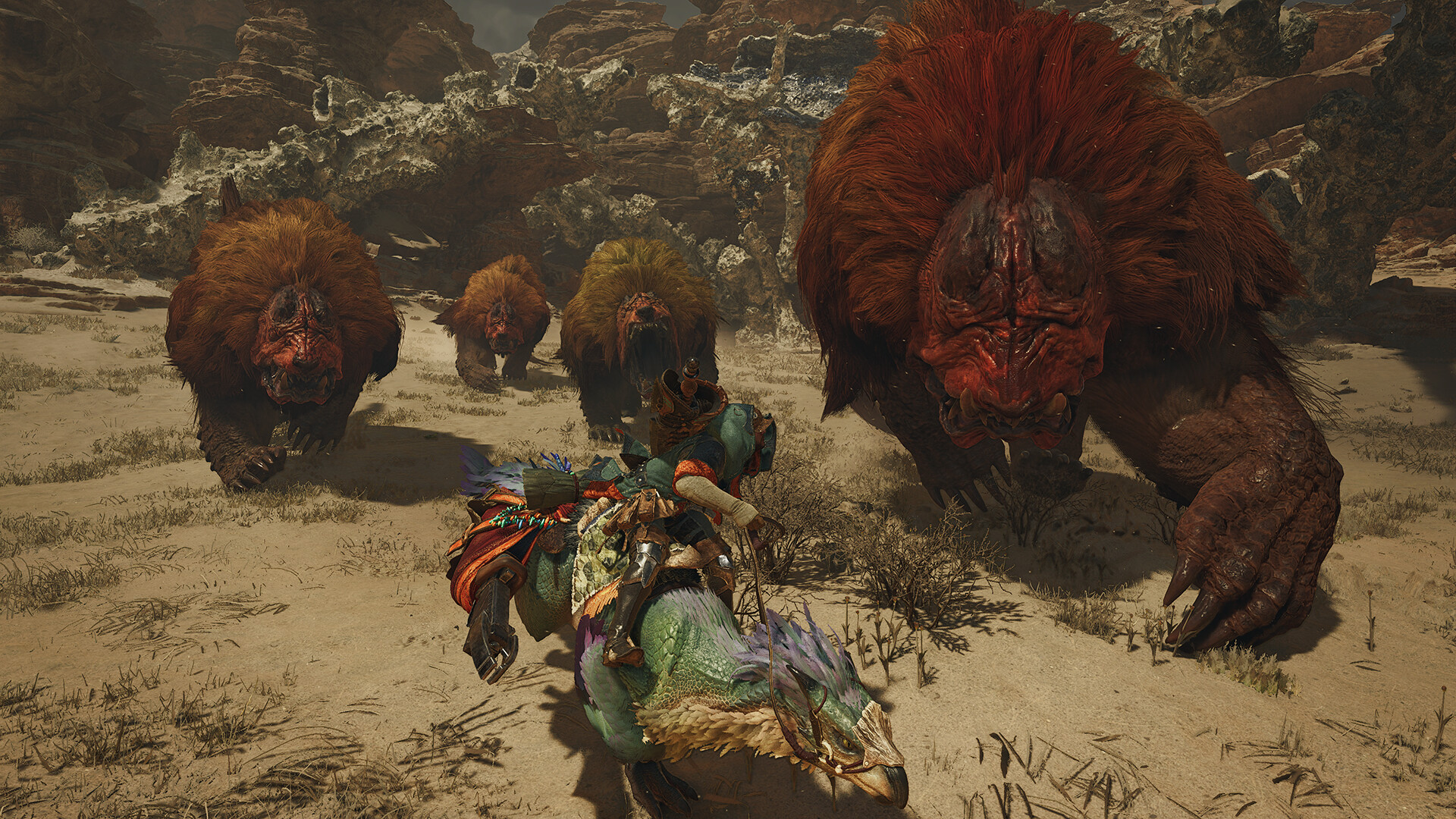
Screenshots


Reviewed by
MH Wilds Guides Editorial
Expertise: Editorial team behind MH Wilds Guides. Content is compiled from official patch notes, community wikis, and playthrough notes, then reviewed and updated on schedule.
Sources
Monster Hunter Wilds Monsters Guides →
Browse the complete monsters collection and its focused guides.
Related Guides


🔥 Popular Guides
Monster Hunter Wilds Good Beginner Weapons: Complete Beginner Guide
Best starter weapons, first-hour checklist, common mistakes, and beginner progression tips for Monster Hunter Wilds.
Monster Hunter Wilds patch notes 2026-09-04: Patch Notes Explained
Explained update notes, verified fixes, content changes, and what hunters should do next in Monster Hunter Wilds.
monster hunter wilds weapons for beginners: Beginner Guide
Learn the best starter weapons, first-hour priorities, common mistakes, and when you have outgrown beginner play in Monster Hunter Wilds.
Monster Hunter Wilds mh wilds balance patch notes Explained
Patch-by-patch Monster Hunter Wilds balance changes, winners, losers, and what players should do after Version 1.030.01.00.
📋 Patch Notes & Updates
🛠️ Popular Tools
Frequently Asked Questions
Quick answers from the guide · click a question to expand.
Is Oilwell Basin supposed to feel hard early on?
Yes, Oilwell Basin is supposed to feel demanding early because it combines normal monster pressure with environmental strain and route complexity. New players often assume they are underpowered when the real issue is unfamiliarity. Once you know your safe paths, understand when to disengage, and stop burning items too late, the same area becomes much more reasonable.
Should I farm in Oilwell Basin before pushing the next hunts?
Yes, if your supplies and upgrades feel shaky, a short farm loop is usually worth it. The trick is not turning farming into endless stalling. Do enough gathering to stabilize healing, maintenance, and your next meaningful upgrade, then return to progression. You want support farming, not procrastination farming.
What is the biggest survival tip for this region?
The biggest survival tip is to stop treating every second as attack time. Short resets are huge here. If the monster repositions, if your weapon needs upkeep, or if the terrain turns ugly, take the moment. Many early failures in Monster Hunter Wilds Oilwell Basin come from players trying to maintain pressure when the smarter play is to restore control.
Should beginners switch weapons if the Basin feels miserable?
Yes, sometimes the weapon is the issue. If your current weapon makes you feel glued to the floor, constantly out of position, or unable to recover from mistakes, trying a more comfortable option is sensible. You do not need to marry the first weapon that looked cool in camp. Monster Hunter is full of "this looked amazing until I actually had to survive with it" moments.
How much should I gather versus hunt?
You should gather enough that your next few hunts feel supported, then shift the focus back to combat. In practice, that means collecting materials naturally along your route, doing occasional dedicated loops when stock is low, and avoiding the trap of sprinting past everything. A little consistent gathering beats desperate material runs later.
When should I start caring about builds?
Start caring about builds once your basic hunt loop is stable. If you are still getting lost, forgetting to heal early, or spending too much on random gear, detailed build optimization is premature. First make the Basin comfortable. After that, build guides become much more valuable because you can actually feel the difference they make.
Was this guide helpful?
Rate this guide so we can improve it.
Share your own tip
Found something not in the guide? Submit it below — our editors review every tip before publishing. No account required.