 Monster Hunter Wilds
Monster Hunter Wilds Scarlet Forest Beginner Guide
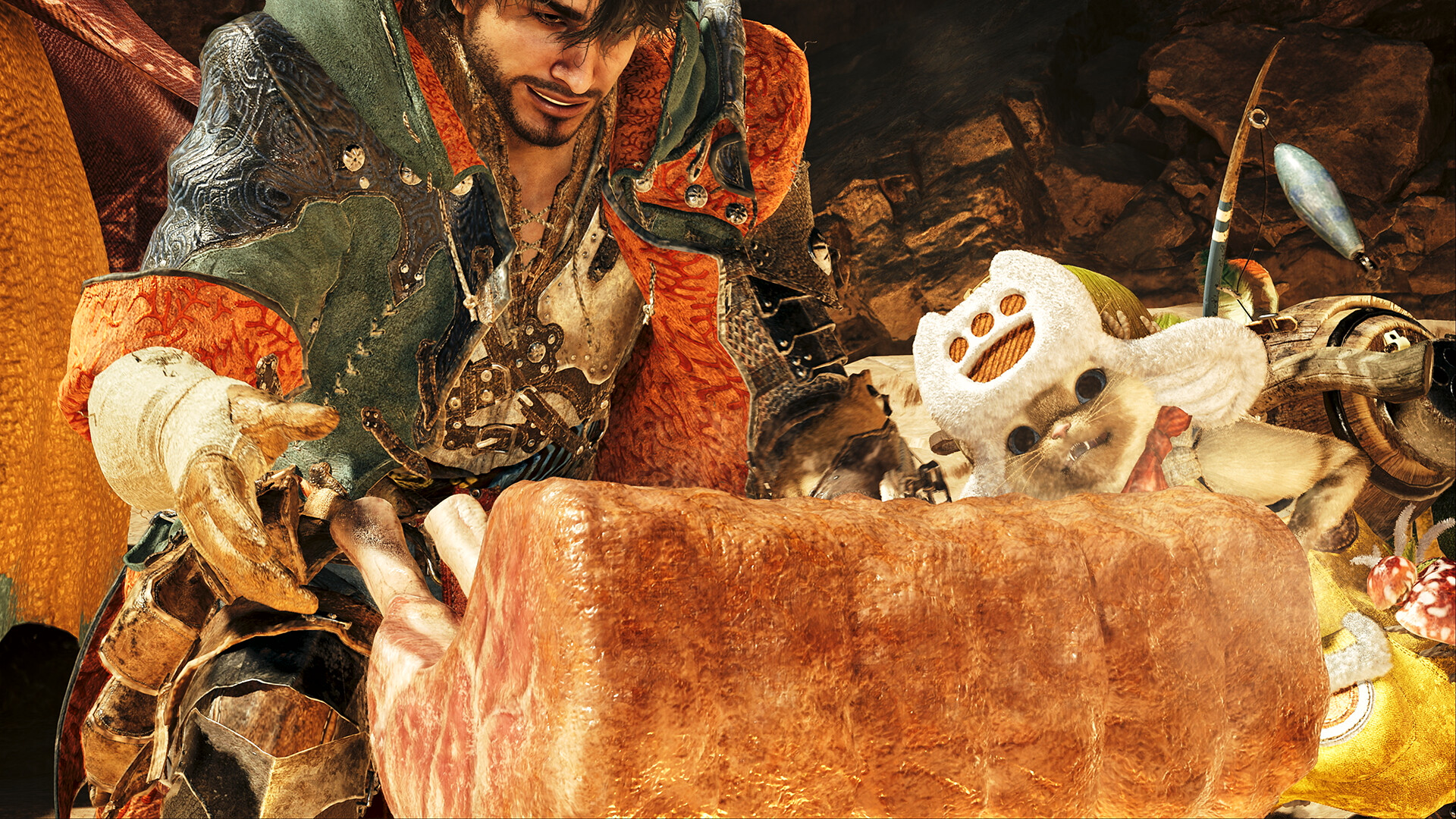
Quick Answer: Monster Hunter Wilds Scarlet Forest is one of the best early regions to learn hunting basics, gather core materials, and practice movement, but beginners should focus on upgrades, healing items, and one weapon path instead of trying to do everything at once.
Why Scarlet Forest Matters Early
Monster Hunter Wilds Scarlet Forest is a strong early-game learning zone because it teaches three things at the same time: map awareness, resource collection, and safe combat pacing. The area rewards players who slow down and build habits instead of rushing toward the next hunt. That matters in a game like Monster Hunter Wilds, a 2025 action role-playing game developed and published by Capcom, which released worldwide for PlayStation 5, Windows, and Xbox Series X/S with cross-platform play on February 28, 2025 Source.
In practical terms, the Scarlet Forest is where many new hunters first realize that success is not only about landing hits. It is also about reading terrain, understanding how to stock your pouch, and knowing when to leave a fight to recover. That combination makes it a good place to learn the series loop: prepare, hunt, carve, craft, repeat. It also helps that the environment naturally pushes you to interact with gathering points, small monsters, and safe routes through dense areas.
For beginners, the main value of the region is that it lets you practice without overcommitting. You can gather herbs, ores, and monster parts while getting used to weapon timing. You can also learn where to pause and how to reset a messy fight. In the current meta, the most consistent early progress comes from building comfort with basic actions rather than chasing flashy damage.
A good Scarlet Forest mindset looks like this:
- Learn the map instead of sprinting past it.
- Collect everything you can carry that supports healing, traps, and upgrades.
- Hunt one or two monsters repeatedly instead of constantly changing targets.
- Use the region to practice mount, mobility, and camera control under pressure.
- Treat every failed hunt as information about positioning and item use.
If you keep those habits, the forest stops feeling like a confusing opening zone and starts acting like a training ground for the rest of the game.
First-Hour Checklist
Your first hour in Monster Hunter Wilds Scarlet Forest should be spent unlocking comfort, supplies, and one reliable weapon routine. The goal is not to clear the region perfectly. The goal is to leave the first hour with a working item pouch, a weapon you understand, and enough map knowledge to avoid wasting time on avoidable mistakes.
1. Finish the early story prompts and tutorial hunts
Do the opening story objectives before wandering too far off-route. These first steps usually introduce core systems such as your weapon basics, gathering, and quest flow. If the game gives you a guided hunt or a simple objective in or near the Scarlet Forest, complete it before experimenting. Examples of what to pay attention to include:
- Your weapon’s basic combo loop and recovery windows.
- How the game signals a hunt objective versus a free-roam target.
- How to interact with the environment while moving between objectives.
This matters because the first hour is where bad habits get locked in. If you skip the early prompts, you may miss the cleanest explanation of how the game wants you to use tools, restock, and track progress.
2. Gather healing and crafting materials immediately
The first things to pick up are healing supports and common crafting ingredients. Focus on gathering nodes you pass naturally rather than making long detours. In early Monster Hunter play, a stocked pouch is worth more than a slightly faster route. Look for:
- Herbs for basic healing support.
- Honey for stronger healing item crafting.
- Any ore, bone, or environmental material the game exposes near the route.
You do not need to memorize every spawn point right away. Just build the habit of checking gathering spots every time you move between quest markers or monster tracks.
3. Set one weapon and commit to it
Choose one weapon type for the first stretch and stay with it long enough to understand its rhythm. Beginners often switch because a weapon looks stronger in a video, but switching too early makes learning slower. Good first-hour goals are to test:
- A fast weapon if you want forgiving recovery.
- A mid-speed weapon if you want a balanced learning curve.
- A heavier weapon only if you are willing to learn commitment and spacing.
Do not ask your first hour to teach you everything. Ask it to teach you one weapon well enough that the next hunt feels controlled.
4. Restock and organize your pouch
Whenever the game gives you access to camp or a rest point, organize your pouch before the next hunt. You want healing, basic crafting ingredients, and any beginner utility items in easy reach. If the game allows loadout management early, create a simple starter preset so you are not rebuilding your kit every time.
A practical early setup usually includes:
- Healing items first.
- Materials for crafting more healing items.
- One or two utility tools for control or capture.
- Anything the game explicitly recommends for the current hunt.
5. Learn one route through Scarlet Forest
Pick one safe route from camp or hub to the quest area and use it several times. Repetition makes the map easier to read. On your first hour route, pay attention to:
- Landmark shapes.
- Slopes, ledges, and drop points.
- Places where the camera gets cluttered.
- Shortcuts you can use after a fight or when chasing a target.
This is how you stop feeling lost later. The forest is easier when your brain has one reliable path instead of many half-remembered ones.
First-hour priorities at a glance
| Priority | What to do | Why it matters |
|---|---|---|
| High | Finish tutorial hunts and early story prompts | Unlocks core systems and prevents missed mechanics |
| High | Gather healing and crafting materials | Keeps you stocked for longer hunts |
| High | Choose one weapon and stick with it | Builds muscle memory faster |
| Medium | Restock and create a starter loadout | Reduces downtime between hunts |
| Medium | Learn one route through the forest | Cuts down on confusion and backtracking |
If you only complete those five things, your first hour will already be productive. You do not need perfect performance. You need a stable foundation.
You might also like
- Monster Hunter Wilds Beginner Guide
- Monster Hunter Wilds Beginner Guide
- Monster Hunter Wilds Beginner Guide: Getting Started Fast
- Monster Hunter Wilds Beginner Guide
- Monster Hunter Wilds No More Mister Ice Guy 8/19 8/26 Beginner Guide
Resource Priority Order
Your resource priority order in Monster Hunter Wilds Scarlet Forest should favor survival, then upgrades, then convenience. Beginners usually spend too early on cosmetics, side materials, or weapon experiments they are not ready to support. That creates a shortage later when the game asks for a sharper build or a more reliable item pouch.
The easiest way to think about early resource use is this: spend to stay alive, hoard to stay flexible, craft to improve one build. The forest gives you enough opportunities to gather materials, but it also tempts you to waste them on low-impact upgrades. Resist that pressure until your core loop is stable.
What to spend on first
Spend your earliest materials and currency on the things that improve every hunt:
- Basic healing support and the ingredients to replenish it.
- Armor or defense upgrades that reduce the cost of mistakes.
- Weapon upgrades for the one weapon you actually use.
- Loadout convenience, such as item sets or restock-friendly presets if available.
If you are choosing between an upgrade that boosts your main weapon and a side weapon you only tested once, prioritize the main weapon. The same logic applies to armor. Early survivability beats niche optimization.
What to hoard first
Hold onto rare materials until you know what build you want. In Monster Hunter, many new players spend monster parts as soon as they get them, only to realize later that a different weapon or armor set would have been better. Hoard:
- Rare monster parts.
- Upgrade materials that seem limited.
- Anything needed for multiple branching recipes.
- Special drops you have not yet seen used in a recipe.
A good rule is to avoid committing rare materials until you have used the weapon for several hunts and understand whether you like its pace.
What to craft first
Craft basic combat support before luxury tools. In practice, that means:
- Healing items and their better versions.
- Utility tools for capture, control, or field management.
- Weapon upgrade steps that are clearly part of your chosen path.
- A spare supply of whatever you burn through most often.
Do not rush into crafting every possible option. You are better off with a small, dependable item kit than a wide inventory of half-leveled materials.
Resource priority table
| Resource type | Early priority | Best use case | Beginner mistake to avoid |
|---|---|---|---|
| Healing materials | Very high | Surviving longer hunts | Using them too freely in easy fights |
| Weapon upgrade materials | Very high | Raising damage on one main weapon | Spreading upgrades across multiple weapons |
| Armor upgrade materials | High | Reducing punishment from mistakes | Saving everything and never improving defense |
| Rare monster parts | High to hoard | Later branching recipes | Spending them before choosing a build |
| Utility items | Medium | Capture, control, and recovery | Ignoring them entirely |
Spending logic that works
The cleanest early economy pattern is simple: use common materials aggressively, save rare parts, and upgrade the one weapon you have committed to. If the game presents a choice between a short-term comfort purchase and a long-term power gain, pick whichever helps your current hunts end more safely. A hunt that ends cleanly returns more materials than a risky one that drags on or fails.
This becomes especially important in Monster Hunter Wilds Scarlet Forest, where easy access to gathering can make you feel rich even when you are actually only stocked with low-tier materials. Keep a strong distinction between “common enough to spend” and “rare enough to save.”
Common Mistakes
Common beginner mistakes in Monster Hunter Wilds Scarlet Forest usually come from trying to play the game like a standard action RPG instead of a hunt-based survival loop. The fix is not complicated, but it does require discipline. Most problems come from impatience, item neglect, or swapping tools too often.
Mistake 1: Switching weapons after every bad hunt
New players often assume the weapon is the problem when the real issue is timing or positioning. This happens because each weapon feels awkward until its basic rhythm clicks.
Fix: stay on one weapon for several hunts and learn its safe punish windows. If a monster keeps hitting you during recovery, slow down and reduce combo length before changing weapons.
Mistake 2: Ignoring healing item crafting
Many beginners use up all healing items and then keep fighting without rebuilding supply. That turns one bad exchange into a chain failure.
Fix: gather herbs and honey whenever you pass them, and restock after any hunt that drained your pouch. Keep a crafting habit, not just a consumption habit.
Mistake 3: Chasing the monster instead of controlling the space
New hunters often sprint after the target through cluttered terrain and lose track of their own position. The result is wasted stamina, messy camera angles, and avoidable hits.
Fix: use the Scarlet Forest’s terrain to your advantage. Take cleaner paths, attack when the monster stops, and reposition before committing again.
Mistake 4: Spending rare materials too early
It is easy to think every drop should be used immediately, especially when a new recipe appears. That leads to regret when a better weapon branch unlocks later.
Fix: save rare parts until you know your main weapon path. If a material is clearly uncommon, treat it as a future investment rather than instant crafting fuel.
Mistake 5: Treating armor as optional
Some beginners chase offensive upgrades and ignore defense until they start getting knocked out in two hits. That creates a false sense that the game is “too hard.”
Fix: upgrade armor when available, especially if you are still learning monster patterns. A little more durability buys time to learn.
Mistake 6: Failing to use utility tools
A lot of new players forget traps, capture tools, or environment aids because they are focused only on attacking. That makes hunts longer and riskier than they need to be.
Fix: bring one utility option into every hunt and practice using it on easier targets first. Once it becomes routine, it will save time on harder hunts too.
These mistakes are normal, but you should correct them early. The game becomes much more readable once you stop wasting resources on uncertainty and start building a repeatable hunt rhythm.
Common Mistakes
The title may be simple, but the underlying systems are not. Beginner errors usually happen when players try to optimize before they understand the basics. The best fix is to build a stable routine first, then increase complexity only after the routine holds up.
Mistake 1: Overcommitting every combo
Players often keep attacking because the opening felt good, then eat a punish when the monster turns.
Why it happens: early hits are satisfying, and many weapons reward confidence.
Fix: stop one hit earlier than you think you need to, especially when learning. Watch for monster recovery and reposition before restarting the combo.
Mistake 2: Ignoring the map and environmental routes
Some players treat Scarlet Forest like a flat arena and miss safer approaches, shortcuts, and escape lines.
Why it happens: combat focus crowds out navigation awareness.
Fix: spend part of each session learning one landmark chain, one escape path, and one shortcut route between camp and the hunt zone.
Mistake 3: Hoarding everything forever
New players sometimes save all materials “for later” and end up underpowered during the period when upgrades matter most.
Why it happens: they are afraid of making the wrong craft.
Fix: spend common materials on core survival and main-weapon upgrades. Save only the truly limited parts.
Mistake 4: Using too many items at once without a plan
Beginners may drink healing, use a buff, place a trap, and then still stand in front of the monster.
Why it happens: they know items matter but not when to use them.
Fix: tie each item to a purpose. Heal after disengaging, trap when the monster is controlled, and buff before entering a committed damage window.
Mistake 5: Hunting while underprepared
Some players leave camp with an empty item pouch or unfinished equipment and hope skill will cover the gap.
Why it happens: impatience.
Fix: take a minute to restock, confirm your main weapon, and check your healing items before leaving. The minute you save by rushing often comes back as a failed hunt.
Mistake 6: Not learning when to disengage
A lot of beginners stay in danger because they do not want to “waste” the opening they earned.
Why it happens: they think constant aggression equals efficiency.
Fix: disengage after a messy exchange, heal, then re-enter on your terms. A clean reset is usually faster than forcing a bad follow-up.
Pro Tips
Advanced beginner play in Monster Hunter Wilds Scarlet Forest is about reducing wasted motion. Once you can survive the basics, you improve by making each action do more work for you.
Tip 1. Use the first safe opening to reset your camera
If the monster moves behind terrain, behind foliage, or into a tight corridor, use that moment to correct the camera before you attack again. Clear sightlines matter more than squeezing in one extra hit. Two examples are a retreat into a narrow path or a turn around a tree cluster where the camera starts clipping.
Tip 2. Chain gathering into movement
When you move from one objective to another, treat the route as a harvest loop. Pick up herbs, ore, or other common materials on the way instead of planning separate farming runs too early. That is especially useful in Monster Hunter Wilds Scarlet Forest, where traversal naturally passes through useful nodes.
Tip 3. Practice short punish strings, not full combos
Early hunts improve faster when you learn the smallest reliable punish your weapon can do safely. For many weapons, that is one or two attacks after a monster whiffs. Short strings are safer against fast targets and help you avoid overcommitting in open terrain.
Tip 4. Keep one emergency item slot mentally reserved
Reserve one mental slot for recovery or control rather than spending your entire pouch on damage support. If a hunt goes wrong, you want at least one answer available. That could be a healing item, a trap, or another utility tool depending on your loadout.
Tip 5. Learn monster behavior from animation endings
Do not only watch the attack itself. Watch what happens after the attack ends. Many monsters have a recovery posture, a turn delay, or a reposition step that gives you a better opening than the strike itself. Two easy examples are a heavy slam that leaves the monster planted for a moment and a charging move that ends with a turn-back delay.
Tip 6. Use failures to tune your item kit
If you fainted because you ran out of heals, adjust your pouch. If you lost because the fight dragged on, adjust your weapon upgrade priority. If you got lost, adjust your route. Each failure in the forest should change one thing in your setup before the next hunt.
Tip 7. Do not judge a weapon by one hunt
Some weapons only feel good after you understand their timing. Try them against multiple situations: an agile target, a larger target, and a target that forces movement. A weapon that looks weak in one scenario may become much stronger once your positioning improves.
These are not flashy tricks. They are consistency tricks. That is what gets beginners through the Scarlet Forest without burning time on repeated mistakes.
Graduation Threshold
You are out of the beginner phase when you can enter Monster Hunter Wilds Scarlet Forest with a plan, execute that plan without constant menu panic, and finish hunts while spending fewer resources than you recover. The threshold is not a rank or a story chapter by itself. It is a consistency check.
A good way to judge your readiness is to ask whether you can do the following without hesitation:
- Leave camp with a full item pouch and the correct weapon loadout.
- Identify the main route to your target without getting lost.
- Survive a mistake without immediately needing a reset.
- Use healing and utility items at the right moment instead of in panic.
- Decide whether a new material is worth spending or saving.
You are also likely past the beginner stage when the forest stops feeling dense and starts feeling legible. In other words, you know where common resources sit, where you usually get caught, and which monster patterns are still costing you time. At that point, you are no longer learning the existence of systems. You are learning how to refine them.
A useful practical benchmark is this: when you can repeat a hunt, adjust one variable, and understand the result, you have graduated from raw survival mode. Examples of good adjustment loops include:
- Swapping one healing item for another support tool.
- Upgrading your main weapon before your armor, then comparing the result.
- Changing your route through Scarlet Forest to reduce travel mistakes.
- Testing one short combo instead of a full string to see if your opening improves.
That is the real line between beginner and intermediate play. Beginners react to what happens. Intermediate players prepare for what they expect to happen.
Related Guides
These sibling guides would naturally sit next to this article:
- Monster Hunter Wilds Weapon Tier Guide
- Monster Hunter Wilds Best Early Builds
- Monster Hunter Wilds Story Walkthrough
- Monster Hunter Wilds Armor Progression Guide
- Monster Hunter Wilds Item and Crafting Guide
- Monster Hunter Wilds Monster Weakness Guide
Sources
- https://en.wikipedia.org/wiki/Monster_Hunter_Wilds
- https://en.wikipedia.org/wiki/Monster_Hunter_Wilds
See also
- Monster Hunter Wilds Beginner Guide: Where to Focus First
- Monster Hunter Wilds Pick Your Poison 7/22 8/12 Beginner Guide
- Monster Hunter Wilds Beginner Guide
- Monster Hunter Wilds Beginner Guide: What to Do First
- Monster Hunter Wilds Beginner Guide: Getting Started Fast
- Monster Hunter Wilds Beginner Guide
- Monster Hunter Wilds Hungry for Ore 8/26 9/9 Beginner Guide
- Monster Hunter Wilds Daughters of Carabosse 4/22 5/6 Beginner Guide
- Monster Hunter Wilds Beginner Guide
- Monster Hunter Wilds Beginner Guide: Getting Started Fast
Screenshots

Reviewed by
MH Wilds Guides Editorial
Expertise: Editorial team behind MH Wilds Guides. Content is compiled from official patch notes, community wikis, and playthrough notes, then reviewed and updated on schedule.
Sources
Monster Hunter Wilds Monsters Guides →
Browse the complete monsters collection and its focused guides.
Related Guides


🔥 Popular Guides
Monster Hunter Wilds Good Beginner Weapons: Complete Beginner Guide
Best starter weapons, first-hour checklist, common mistakes, and beginner progression tips for Monster Hunter Wilds.
Monster Hunter Wilds patch notes 2026-09-04: Patch Notes Explained
Explained update notes, verified fixes, content changes, and what hunters should do next in Monster Hunter Wilds.
monster hunter wilds weapons for beginners: Beginner Guide
Learn the best starter weapons, first-hour priorities, common mistakes, and when you have outgrown beginner play in Monster Hunter Wilds.
Monster Hunter Wilds mh wilds balance patch notes Explained
Patch-by-patch Monster Hunter Wilds balance changes, winners, losers, and what players should do after Version 1.030.01.00.
📋 Patch Notes & Updates
🛠️ Popular Tools
Was this guide helpful?
Rate this guide so we can improve it.
Share your own tip
Found something not in the guide? Submit it below — our editors review every tip before publishing. No account required.