 Monster Hunter Wilds
Monster Hunter Wilds The Struggle to Survive: Beginner Guide
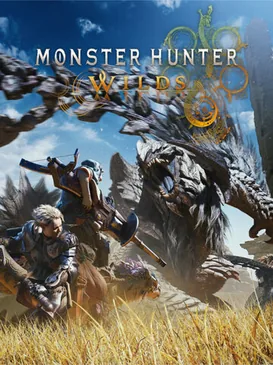
Quick Answer: Monster Hunter Wilds The Struggle to Survive is all about staying alive long enough to learn hunts, upgrade your gear steadily, and avoid wasting early resources on flashy but inefficient choices.
Monster Hunter Wilds is a 2025 action role-playing game developed and published by Capcom, and it launched worldwide on PlayStation 5, Windows, and Xbox Series X/S with cross-platform play on February 28, 2025. Source
Getting Started: What Your First Hour Should Actually Be
Your first hour in Monster Hunter Wilds should be spent learning systems, not chasing perfect damage. The game’s early phase is where most players get smacked around by simple stuff like poor healing habits, forgetting to upgrade, or trying to “main” a weapon before they even know how the hunt rhythm works. If you treat the opening stretch as a survival boot camp instead of a speedrun, the rest of the game gets way smoother.
1) Finish the early tutorial flow before you wander off
Your first priority is to push through the opening story and tutorial prompts until the game gives you real control over hunting prep and progression. Don’t get distracted by every shiny gathering node or every side path right away. Early Monster Hunter is famous for hiding important unlocks behind “just one more cutscene” energy, and Wilds is no different in spirit.
Do these things as soon as you can:
- Talk to every NPC that has a quest marker or tutorial prompt.
- Open the menus and learn where your item pouch, equipment, and map live.
- Read weapon tutorials for the one or two weapons that actually interest you.
- Check whether the game has introduced your base camp services, because those are your survival backbone.
If you skip the basics now, you’ll pay for it later when you can’t remember how to restock potions, switch gear, or track objectives quickly under pressure.
2) Pick one safe weapon and stick with it for the opening hunts
The best beginner move is to choose one weapon that feels reliable, not the one that looks coolest in a clip. You want something with clear animations, forgiving timing, and a decent safety buffer while you’re still learning monster tells.
Good starter behavior looks like this:
- Use one weapon for several hunts before judging it.
- Prefer consistency over flashy combos.
- Practice hit-and-run attacks instead of committing to long strings.
- Learn how your weapon sheaths and how fast you can heal afterward.
For example, if a heavy weapon makes you whiff on fast targets, swap to something more mobile. If a fast weapon makes you panic and spam, slow down and focus on one clean opening at a time. In Monster Hunter Wilds The Struggle to Survive phase, surviving the first few encounters matters more than being optimal.
3) Stock your pouch like you expect to make mistakes
You will make mistakes. That’s not a maybe; that’s the Monster Hunter experience. So build your pouch for recovery and basic preparation instead of assuming every hunt will be clean.
Try to keep these habits from the start:
- Carry healing items and know how to quick-use them.
- Bring basic buffs or utility items the game introduces early.
- Restock after every hunt before leaving the hub.
- Keep some room in your inventory for gathered materials.
If you’ve ever lost a hunt because you ran out of healing in the middle of a messy fight, you already know why this matters. The goal is not “never get hit.” The goal is “get hit, recover, and keep the hunt alive.”
4) Fight one monster at a time unless the game clearly says otherwise
In early hunts, the worst possible decision is chasing chaos. If more than one monster is around, reposition, wait for separation, or use the environment to create space. New players often see a second monster nearby and think, “Free damage!” What actually happens is two large lizards, wyverns, or angry creatures decide you’re the problem.
A safer approach is:
- Pull the target away from the edge of the area.
- Watch for enemy pathing and engage after the field clears.
- Avoid greed when another monster is entering the zone.
- Use the map and terrain to reset the situation.
That habit alone can save more healing items than any early armor upgrade.
5) Build the habit of checking rewards after every hunt
After a hunt, don’t just mash through the results screen and sprint to the next quest. Look at what materials you earned, what parts dropped, and what your smithing options might be opening up. Monster Hunter rewards players who notice patterns early.
Ask yourself:
- Did I get a part I need for armor?
- Can I upgrade my weapon now?
- Did I unlock a useful quest or tool?
- Is my next hunt likely to need more resistance, defense, or mobility?
That tiny pause is how beginners start turning random wins into a real progression plan.
How to Spend, Save, and Craft Without Bricking Your Progress
Your resource priority in Monster Hunter Wilds should favor survival gear, weapon upgrades, and flexible materials over cosmetic or speculative crafting. The early game is very much about not wasting the stuff that quietly makes hunts easier. If you blow materials on the first shiny option, you often end up underpowered when the game starts asking real questions.
Resource priority order for beginners
Here’s a practical priority order that keeps you from accidentally sabotaging your own progress:
| Priority | What to spend on first | Why it matters | What to hoard |
|---|---|---|---|
| 1 | Healing and basic survival items | Keeps you alive while learning monster patterns | Rare crafting materials |
| 2 | Weapon upgrades for your chosen main weapon | Better damage and smoother hunts | Materials for alternate weapon paths |
| 3 | Armor pieces that improve comfort and defense | Reduces one-shots and panic healing | Unique drops needed for later sets |
| 4 | Quest unlocks and progression-related crafting | Opens the game up faster | Currency for emergency restocks |
| 5 | Experimental gear for side weapons | Good for fun later, not the first priority | Everything you aren’t sure about yet |
This order works because beginner hunts are won by stability, not by squeezing every last point of offense out of your build. A weapon upgrade that makes your opening combo safer is worth more than a niche craft you won’t use.
What to hoard, what to use, and what to ignore
The classic beginner trap is treating all resources the same. They’re not. Some things are meant to be used quickly, some should be saved for a specific gear spike, and some are best ignored until you understand the ecosystem better.
Hoard these:
- Rare monster parts tied to major weapon or armor upgrades.
- Materials that appear to be used in multiple recipes.
- Any item the game labels as scarce, limited, or high-value.
- Currency if you know a big upgrade is coming soon.
Use these freely:
- Basic healing items.
- Early consumables that can be replaced easily.
- Common gathering materials needed to keep your pouch stocked.
- Defensive tools that help you survive a hunt right now.
Ignore or delay these:
- “Maybe later” crafts for weapons you haven’t practiced with.
- Side upgrades that don’t help your current hunts.
- Fashion-first decisions before you have a stable build.
If you’re ever unsure, ask one question: “Does this make my current hunts safer?” If the answer is no, it probably belongs in the “save for later” pile.
Crafting priorities that keep you alive
Crafting in the early game should focus on tools that reduce downtime. You want fewer forced retreats, fewer panic heals, and fewer moments where you’re stranded without options.
Your best early craft targets are usually:
- Survival consumables you burn through regularly.
- Weapon components that improve consistency.
- Armor pieces that smooth out mistakes.
- Utility items that help you reposition or recover.
Examples of smart early crafting decisions include upgrading your main weapon instead of spreading resources across three weapon types, making a more durable armor set instead of chasing a mixed set with unclear benefits, and keeping your item pouch stocked so every hunt starts from a clean baseline.
In Monster Hunter Wilds The Struggle to Survive, the best players are not the ones who hoard forever. They’re the ones who spend just enough to keep momentum going while preserving rare materials for meaningful upgrades.
You might also like
- Monster Hunter Wilds Sand-Scarred Soul 3/18 3/25 Beginner Guide
- Monster Hunter Wilds Beginner Guide
- Monster Hunter Wilds Beginner Guide: Getting Started Fast
- Monster Hunter Wilds Chemicus Nocturnus 4/22 5/6 Beginner Guide
- Monster Hunter Wilds Stalking Supper 3/4 3/11 Beginner Guide
Common Mistakes New Hunters Make, and How to Fix Them
Common beginner mistakes in Monster Hunter Wilds usually come from impatience, overcommitment, or not understanding how much value the game places on preparation. The good news is that every one of these mistakes has a simple fix if you catch it early.
1) Healing too late
This mistake happens when players wait until they are almost out of health before drinking a potion or using a recovery item. It usually comes from trying to squeeze in one more attack, which is how a “small mistake” turns into a cart.
Fix: Heal as soon as you know you’ve lost the exchange, not after you’re already one hit from disaster. If the monster has finished a combo and you have space, that’s your cue to recover.
2) Chasing damage instead of openings
Beginners often think Monster Hunter is about attacking constantly. It isn’t. It’s about hitting during safe windows and backing off when the monster is about to punish greed.
Fix: Limit yourself to one clean combo or one strong strike per opening. Watch for patterns like tail swipes, roars, charge attacks, or recovery pauses, then commit only when the monster has clearly spent its turn.
3) Ignoring gear upgrades because “skill will carry”
This one is a favorite among players who come from action games with more forgiving progression. Monster Hunter does not reward stubborn undergearing. You can absolutely play well and still get flattened if your equipment is too weak for the hunt.
Fix: Upgrade your main weapon and at least a few armor pieces regularly. If a hunt feels suddenly brutal, don’t assume you’re just bad. Check whether your gear has fallen behind.
4) Bringing too many different weapons too early
Trying every weapon at once sounds fun, but in the beginner phase it often means you never learn spacing, timing, or stamina management on any of them. You become “kind of okay” with five tools instead of comfortable with one.
Fix: Pick one main weapon and one backup at most. Learn one weapon well enough to survive, then branch out later when you understand the game’s fundamentals.
5) Forgetting to restock before the next quest
After a successful hunt, a lot of players rush into the next one and wonder why they’re suddenly underprepared. The game doesn’t always remind you loudly enough, and that’s how you start a fight with no healing or missing key items.
Fix: Build a post-hunt routine: check rewards, restock consumables, repair your loadout mentally, and only then queue the next mission.
6) Fighting in bad terrain because the monster is already there
Sometimes beginners stay in a cramped spot, a slope, or a cluttered area because they don’t want to lose time. That’s a bad trade if your camera gets blocked or your movement gets awkward.
Fix: Reposition before you commit. If the terrain is working against you, lure the monster to a better angle or move to a more open area.
7) Selling or spending rare materials too quickly
Early-game excitement makes people want immediate upgrades. The problem is that some materials are needed for much better gear later, and burning them too early can slow you down for hours.
Fix: If a material looks uncommon or tied to a major monster drop, save it until you know what it crafts. When in doubt, don’t spend it just because you can.
How to Know You’re Out of the Beginner Phase
You’re out of the beginner phase in Monster Hunter Wilds when basic survival stops feeling like a scramble and starts feeling routine. That doesn’t mean you’ve mastered the game; it means you’ve stopped reacting to every hunt like it’s a surprise exam.
Signs you’re ready to move on
You are probably past the beginner stage when most of these are true:
- You can clear hunts without burning through your healing immediately.
- You know when to attack and when to disengage for your chosen weapon.
- You understand your core item loadout without checking the menu every five seconds.
- You regularly upgrade gear instead of wearing the same early set forever.
- You can identify the monster’s dangerous attacks before they land.
- You stop panicking when the fight goes sideways and instead reposition cleanly.
That’s the real milestone. Not “I beat one monster once,” but “I can do this reliably.” Reliability is the dividing line between beginner survival and actual hunting competence.
A practical graduation test
If you want a simple self-check, ask yourself whether you can do the following without feeling lost:
- Start a hunt, get into position, and engage without fumbling menus.
- Recognize when your health is low and recover before it becomes critical.
- Use your weapon’s basic loop without overthinking every button press.
- Leave a hunt knowing exactly what you need to improve next.
If you can do those things, you’re leaving the beginner zone behind. At that point, Monster Hunter Wilds The Struggle to Survive shifts from “How do I not die?” to “How do I optimize?”
What comes after beginner survival
Once the early survival phase ends, your goals change. You start looking at damage windows, elemental choices if your weapon benefits from them, armor skills that suit your playstyle, and hunt-specific prep. Instead of just trying to stay alive, you begin asking whether your build is actually efficient.
That’s also the moment where side weapons, specialized armor pieces, and more advanced item management become worth your attention. The beginner phase is about surviving. The next phase is about shaping your hunts.
If you’re ready for that jump, use monster hunter more tips for a deeper weapon choice breakdown, then move into related guide for early build planning and monster hunter shining tips for a step-by-step walkthrough of the opening hunts.
Pro Tips for Surviving Harder Hunts Early
Pro tips in Monster Hunter Wilds are usually small adjustments with huge payoff, especially if you use them the moment a hunt starts to feel messy. These aren’t flashy tricks; they’re the kind of habits that make you look mysteriously “good” even though you’re just being disciplined.
Tip 1. Fight near an escape route
Pick your position so you can disengage quickly when the monster starts a dangerous animation. This matters most in tight areas, near cliffs, and around cluttered terrain where camera control can get ugly fast. A safe lane behind you often matters more than perfect damage uptime.
Tip 2. Use the monster’s recovery, not your own panic
After a big attack, most monsters have a brief recovery window. That is your real opening. If you attack while they are winding up, you’re gambling. If you attack while they’re recovering, you’re playing Monster Hunter properly. Watch for lunges, roar pauses, missed charges, and landing recovery as your cue.
Tip 3. Keep one “panic reset” item ready
Whatever item the game gives you early that helps you recover, reposition, or stabilize should stay accessible in your loadout. The point is to stop treating your inventory like a museum and start treating it like a toolbox. If the fight turns ugly, a clean reset is often worth more than one extra hit.
Tip 4. Spend your first opening on positioning, not aggression
When the hunt begins, don’t rush into the monster’s face just because you can. Move to a better angle first. Getting to the side or slightly behind the target can make your first real exchange much safer, especially against monsters with straightforward charges or frontal swipes.
Tip 5. Practice “one mistake, one correction”
If you get clipped by the same move twice, stop and change something immediately. The adjustment might be as simple as staying farther away, attacking less greedily, or circling in the opposite direction. Beginners lose hunts because they repeat the same bad answer. Intermediate players improve because they correct on the fly.
Tip 6. Build a habit around post-hunt review
After every tough hunt, ask what killed you, what consumed your healing, and whether your gear was the problem or your decision-making was. This takes less time than failing the same quest three more times. It also helps you notice patterns like “I always get hit after overcommitting” or “I need more mobility on this weapon.”
Related Guides
- Monster Hunter Wilds Early Weapon Tier Guide
- Monster Hunter Wilds Best Beginner Builds
- Monster Hunter Wilds Opening Walkthrough
- Monster Hunter Wilds Resource and Crafting Guide
- Monster Hunter Wilds Armor Skills Explained
- Monster Hunter Wilds Solo Play Tips
FAQ
What is the best weapon for beginners in Monster Hunter Wilds?
The best beginner weapon is usually the one that feels safest and easiest to understand, not the one with the highest ceiling. Look for a weapon that lets you attack, reposition, and recover without constantly overcommitting.
Should I upgrade armor or weapons first?
Weapons first if your damage feels too low and hunts are dragging on, armor first if you are getting flattened too quickly. In most beginner cases, a balanced approach works best: keep your main weapon current and upgrade enough armor to stop easy deaths.
Is it bad to switch weapons early?
No, but switching too often can slow your learning. If you want to explore other options, do it after you’ve gotten comfortable with one main weapon and one backup.
How do I stop running out of healing items?
Restock after every hunt, bring only what you’ll actually use, and heal earlier instead of waiting until you’re in danger. The best fix is building the restock habit into your routine.
When should I start caring about builds?
Start caring once you understand your weapon, your basic survival tools, and the monsters’ attack patterns. Before that, simple defensive and comfort choices matter more than chasing an ideal build.
Sources
- https://en.wikipedia.org/wiki/Monster_Hunter_Wilds
- https://en.wikipedia.org/wiki/Monster_Hunter_Wilds
See also
- Monster Hunter Wilds Peak Nerscylla 5/20 5/27 Beginner Guide
- Monster Hunter Wilds Romping Around 5/20 5/27 Beginner Guide
- Monster Hunter Wilds Congalala Cravings 3/25 4/1 Beginner Guide
- Monster Hunter Wilds Beginner Guide
- Monster Hunter Wilds Eldrich Enigma 8/12 8/19 Beginner Guide
- Monster Hunter Wilds Beginner Guide: Where to Focus First
- Monster Hunter Wilds Beginner Guide: What to Do First
- Monster Hunter Wilds Beginner Guide
- Monster Hunter Wilds Pick Your Poison 7/22 8/12 Beginner Guide
- Monster Hunter Wilds Beginner Guide: Getting Started Fast
Screenshots


Reviewed by
MH Wilds Guides Editorial
Expertise: Editorial team behind MH Wilds Guides. Content is compiled from official patch notes, community wikis, and playthrough notes, then reviewed and updated on schedule.
Sources
Monster Hunter Wilds Monsters Guides →
Browse the complete monsters collection and its focused guides.
Related Guides


🔥 Popular Guides
Monster Hunter Wilds Good Beginner Weapons: Complete Beginner Guide
Best starter weapons, first-hour checklist, common mistakes, and beginner progression tips for Monster Hunter Wilds.
Monster Hunter Wilds patch notes 2026-09-04: Patch Notes Explained
Explained update notes, verified fixes, content changes, and what hunters should do next in Monster Hunter Wilds.
monster hunter wilds weapons for beginners: Beginner Guide
Learn the best starter weapons, first-hour priorities, common mistakes, and when you have outgrown beginner play in Monster Hunter Wilds.
Monster Hunter Wilds mh wilds balance patch notes Explained
Patch-by-patch Monster Hunter Wilds balance changes, winners, losers, and what players should do after Version 1.030.01.00.
📋 Patch Notes & Updates
🛠️ Popular Tools
Frequently Asked Questions
Quick answers from the guide · click a question to expand.
What is the best weapon for beginners in Monster Hunter Wilds?
The best beginner weapon is usually the one that feels safest and easiest to understand, not the one with the highest ceiling. Look for a weapon that lets you attack, reposition, and recover without constantly overcommitting.
Should I upgrade armor or weapons first?
Weapons first if your damage feels too low and hunts are dragging on, armor first if you are getting flattened too quickly. In most beginner cases, a balanced approach works best: keep your main weapon current and upgrade enough armor to stop easy deaths.
Is it bad to switch weapons early?
No, but switching too often can slow your learning. If you want to explore other options, do it after you’ve gotten comfortable with one main weapon and one backup.
How do I stop running out of healing items?
Restock after every hunt, bring only what you’ll actually use, and heal earlier instead of waiting until you’re in danger. The best fix is building the restock habit into your routine.
When should I start caring about builds?
Start caring once you understand your weapon, your basic survival tools, and the monsters’ attack patterns. Before that, simple defensive and comfort choices matter more than chasing an ideal build.
Was this guide helpful?
Rate this guide so we can improve it.
Share your own tip
Found something not in the guide? Submit it below — our editors review every tip before publishing. No account required.