 Monster Hunter Wilds
Monster Hunter Wilds Best Dual Blades Build Guide
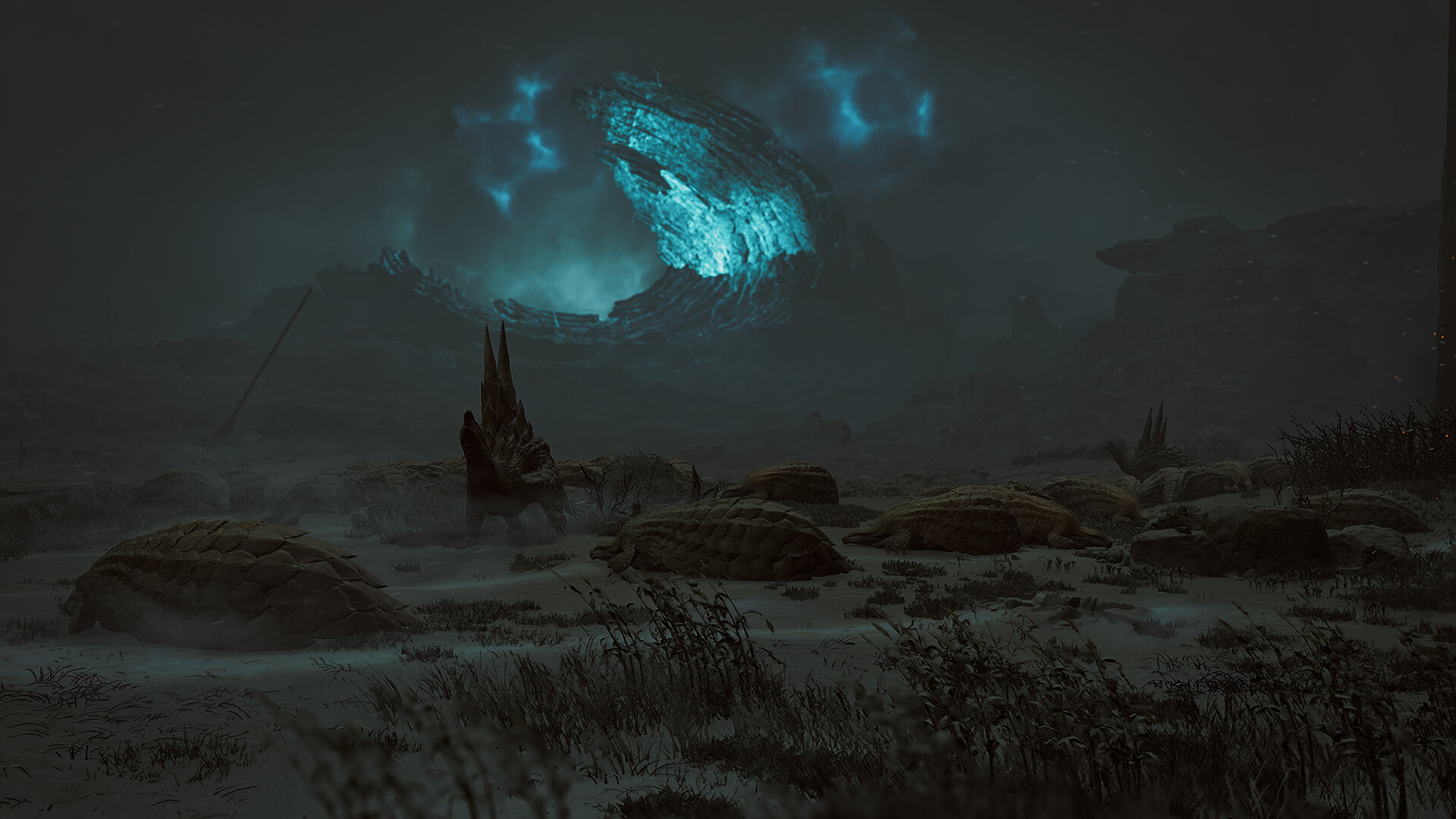
Quick Answer: The monster hunter wilds best dual blades build is a fast, stamina-friendly elemental setup that leans into affinity, sharpness upkeep, and aggressive uptime so you can stick to monsters like a caffeinated backflipping gremlin.
Build Identity
The best dual blades build in Monster Hunter Wilds is an aggressive elemental DPS setup that rewards nonstop pressure, careful stamina management, and constant position shifting.
Dual Blades are at their strongest when you stay glued to weak points, keep Demon Mode active at the right moments, and avoid overcommitting into bad monster animations. If you like weapons that turn hunts into a blur of slashes, this is your happy place. If you want a calmer, more deliberate playstyle, maybe build insect glaive tips on a slower weapon will suit you better.
What This Build Does Well
- Delivers high sustained damage through rapid hits.
- Scales well with elemental and affinity-focused gear.
- Punishes openings without needing huge windup attacks.
- Feels mobile, flexible, and easy to reposition with.
What It Does Not Do Well
- Burns through stamina if you mash without discipline.
- Loses value when sharpness management is sloppy.
- Can feel rough against highly mobile monsters that deny stickiness.
- Needs good target knowledge to reach its full damage potential.
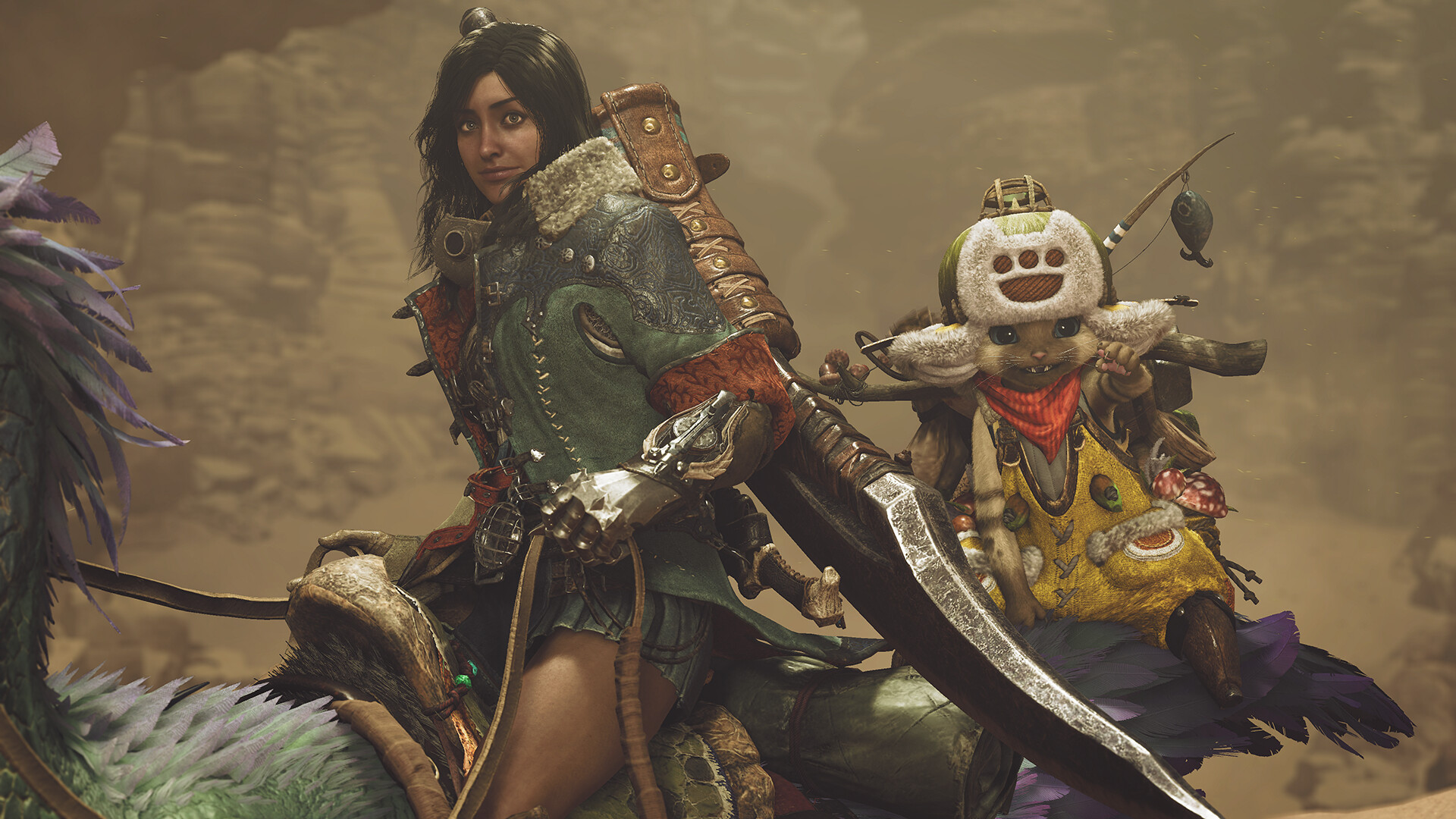
Monster Hunter Wilds launched worldwide on February 28, 2025 for PlayStation 5, Windows, and Xbox Series X/S, with cross-platform play support, according to the game’s public release information Source. Capcom’s official store page also describes a world where environments transform drastically from moment to moment, which is a pretty fitting backdrop for a weapon that never really stops moving Source.
Stat and Attribute Priorities
The best stat priority for a Dual Blades setup is elemental damage first, then sharpness upkeep, then affinity and raw damage support.
- Elemental attack
- Dual Blades hit so often that element usually gives you the best return per swing in the current meta.
- Affinity
- Crits matter because rapid multi-hit weapons multiply the value of consistent crit uptime.
- Sharpness management
- Losing sharpness is a huge damage leak on a weapon that depends on constant contact.
- Stamina efficiency
- Demon Mode and relentless dodging both eat stamina, so comfort here translates directly into more uptime.
- Raw attack
- Useful, but usually secondary to element unless your specific weapon or matchup strongly favors raw.
- Survivability comfort
- A little extra defense, evasion comfort, or healing utility can be worth more than greedy damage if it keeps you in the fight.
Practical Priority Rule
- If you are choosing between a pure attack option and an element-boosting option, lean element for most hunts.
- If the monster resists your chosen element, swap to a better matchup before stacking more raw.
- If your sharpness is constantly falling off mid-combo, fix that before chasing more damage.
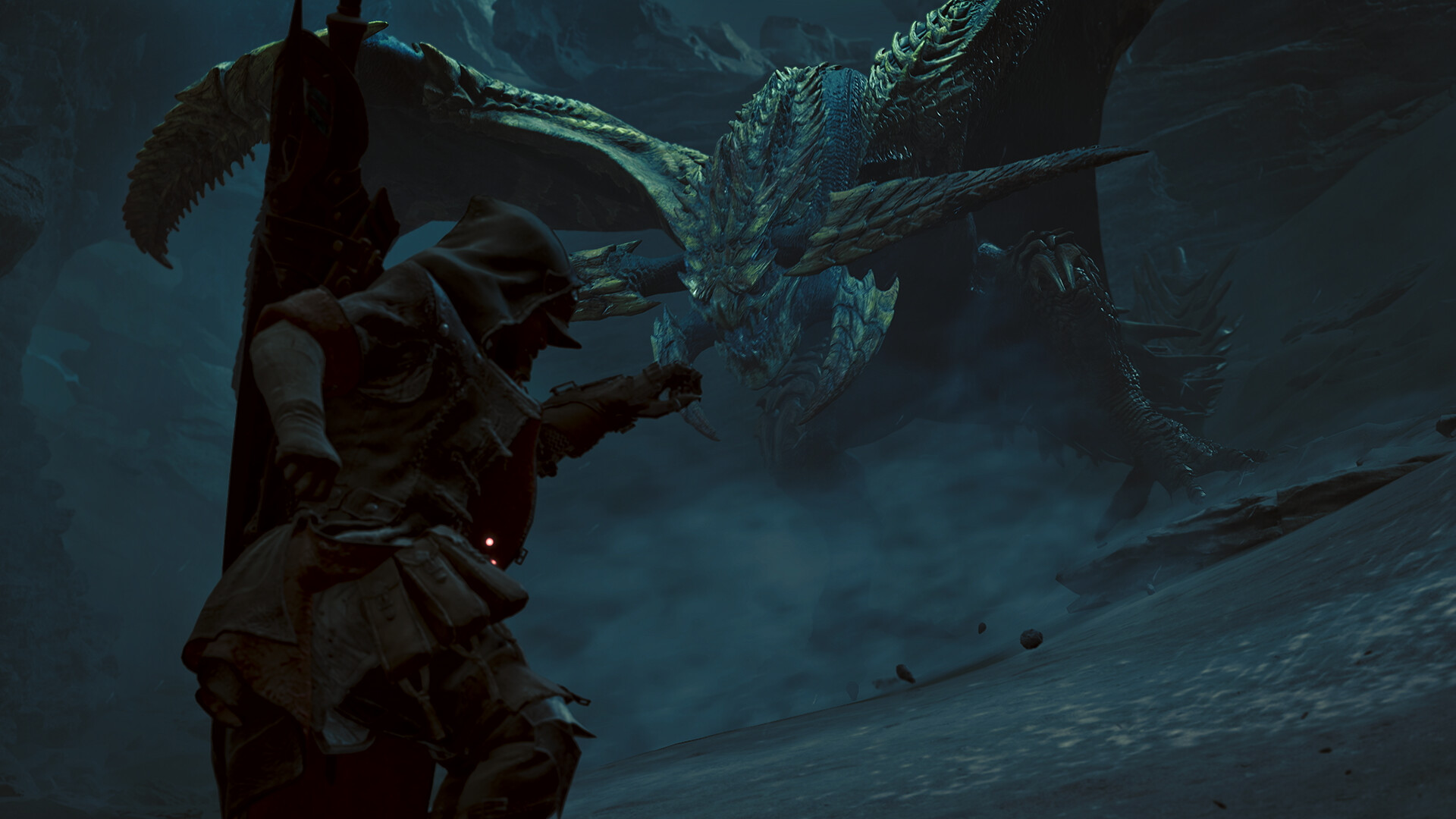
Skill Priority and Combat Rotation
The ideal rotation for Dual Blades is to buff, enter Demon Mode during openings, maintain pressure with short committed strings, and disengage only when stamina or sharpness needs a reset.
Core Combat Loop
- Pre-buff before the engage
- Eat, sharpen, and activate any long-duration damage or utility buffs first.
- Close distance with mobility tools
- Use your movement to get onto the monster’s weak side or rear rather than chasing the head blindly.
- Enter Demon Mode for pressure windows
- Spend your stamina where it matters, not while the monster is sprinting away like it owes you money.
- Use short attack strings
- Favor controlled strings that let you dodge-cancel or reposition before you get clipped.
- Exit to recover stamina and sharpen
- Don’t treat Demon Mode like a permanent lifestyle choice.
- Re-engage on a weak point
- Target legs, tail, or other safe openings until the monster gives you a real punish window.
Skill Priority Table
| Priority | Skill / Effect | Why It Matters |
|---|---|---|
| High | Elemental attack boost | Best damage scaling for rapid-hit weapons |
| High | Sharpness upkeep / loss reduction | Keeps your damage from dropping off mid-hunt |
| High | Affinity support | Improves crit consistency across many small hits |
| Medium | Stamina management | Lets you stay aggressive longer without burning out |
| Medium | Evade / mobility support | Helps you stay attached to moving targets |
| Low | Pure raw attack stacking | Good, but often less efficient than element first |
Rotation Tips
- Save your longest commitment windows for knockdowns, traps, or obvious recovery animations.
- If the monster is slippery, stay patient and chip from safe angles instead of forcing full combos.
- When in doubt, one clean re-entry is better than three panic swings.
Best Gear and Loadout
The best Dual Blades loadout is built around an elemental weapon, sharpness support, and armor pieces or skills that reward sustained aggression rather than one huge burst.
| Slot | Item | Reason |
|---|---|---|
| Weapon | Best available Dual Blades for the monster’s weakness | Elemental pairing is usually your biggest damage lever |
| Head | Piece with elemental or affinity support | Helps scale the weapon’s rapid-hit damage |
| Chest | Piece with stamina or sharpness utility | Keeps your core loop running smoothly |
| Arms | Piece that boosts damage consistency | Good place for crit or attack support |
| Waist | Piece with mobility or sustain | Makes sticking to targets easier |
| Legs | Piece with evade or stamina comfort | Helps you survive while staying aggressive |
| Talisman / Charm | Best available utility or damage charm | Flex slot for whatever your current setup lacks |
| Mantle / Tool | Defensive or uptime tool | Gives you a safety net during risky openings |
What to Look for on Gear
- Elemental damage bonuses that match your chosen hunt.
- Sharpness-related perks or anything that helps you preserve uptime.
- Affinity boosts that improve crit consistency.
- Stamina comfort if you notice Demon Mode draining you too fast.
- Defensive utility if you are still learning monster patterns.
Loadout Philosophy
Your armor pieces do not need to be perfect to feel strong. A good Dual Blades build is often more about avoiding dead stats than chasing a single “best-in-slot” label. If a piece gives you element, affinity, and useful comfort, that is usually better than a flashy piece that looks cool but does nothing for your actual hunts. Fashion Hunter is important, but living through the hunt is slightly more important.
Budget vs Endgame Variant
The budget version uses accessible comfort pieces and a decent elemental weapon, while the endgame version stacks sharper damage synergies and tighter uptime tools.
Budget Starter Variant
Use this if you are still progressing through the game or don’t have ideal decorations, charms, or high-end armor yet.
- Weapon: Any Dual Blades with a solid elemental matchup
- Armor: Mix pieces that give stamina comfort, evasion, and basic attack support
- Skill focus: Elemental damage, basic affinity, survivability, sharpness preservation
- Goal: Keep the build functional and easy to pilot, even if it is not min-maxed
Endgame Variant
Use this once you have access to better armor combinations and can support more specialized skills.
- Weapon: Best-in-slot elemental Dual Blades for the matchup
- Armor: Pieces that stack element, affinity, and sharpness efficiency together
- Skill focus: High element scaling, crit consistency, stamina control, and reduced downtime
- Goal: Maximize uptime and hit count so your damage stays high through the whole hunt
Cheap Substitutes That Still Work
- Replace premium affinity pieces with anything that offers comfortable crit support.
- Swap ideal sharpness tools for simpler upkeep if that is what you have.
- If your elemental weapon choice is weak, use a stronger general-purpose blade until you can upgrade.
Counters and Hard Matchups
The hardest matchups for Dual Blades are monsters that move constantly, punish short-range commitment, or force long periods of downtime.
What Shuts This Build Down
- High mobility monsters
- You spend more stamina chasing than actually dealing damage.
- Long-range area denial
- Breath attacks, lingering zones, and wide hitboxes make close pressure risky.
- Frequent disengage patterns
- If the monster keeps resetting position, your sustained DPS falls apart.
- Element-resistant targets
- Bad elemental matchups can make the build feel underpowered.
How to Adapt
- Swap to the monster’s weakest element before the hunt.
- Use shorter, safer strings instead of greedy full commitments.
- Hold stamina for dodges, not just offense.
- Focus on knockdowns, traps, and environmental openings.
- If a monster refuses to stay in melee range, play a little more patiently and punish only after clean commits.
Common Mistake to Avoid
- Spamming Demon Mode without a plan.
- Ignoring sharpness until damage visibly falls off.
- Chasing the monster in straight lines instead of cutting off movement.
- Sticking to one element for every hunt just because it is convenient.
Advanced Tips for Better Uptime
The best Dual Blades players win through consistency, not reckless button mashing.
- Attack weak points whenever possible
- Small hits add up fast when they are landing on the correct zone.
- Treat stamina like a damage resource
- If you burn it all at once, you lose your ability to dodge and keep pressure.
- Sharpen during natural downtime
- Don’t wait until your damage is already awful.
- Use openings surgically
- Dual Blades excel at punishing short recovery windows, not pretending every opening is a full combo invitation.
- Stay flexible with positioning
- Your best damage often comes from being slightly off-center, not standing directly in front of the monster’s attack cone.
FAQ
Is Dual Blades good for beginners in Monster Hunter Wilds?
Yes, Dual Blades are beginner-friendly because they are mobile and intuitive, but they still reward learning stamina control and monster positioning.
Should I build raw or elemental damage?
Elemental damage is usually the better first choice for Dual Blades because the weapon lands so many hits that element scales extremely well.
Do I need perfect gear for this build to work?
No, a budget elemental setup can already feel strong if you prioritize comfort, sharpness, and a favorable matchup.
When should I use Demon Mode?
Use Demon Mode during safe openings, knockdowns, and moments when you can stay on target without immediately needing to dodge out.
What is the biggest mistake Dual Blades players make?
The biggest mistake is overcommitting and draining stamina too early, which turns a high-pressure weapon into a flailing liability.
Sources
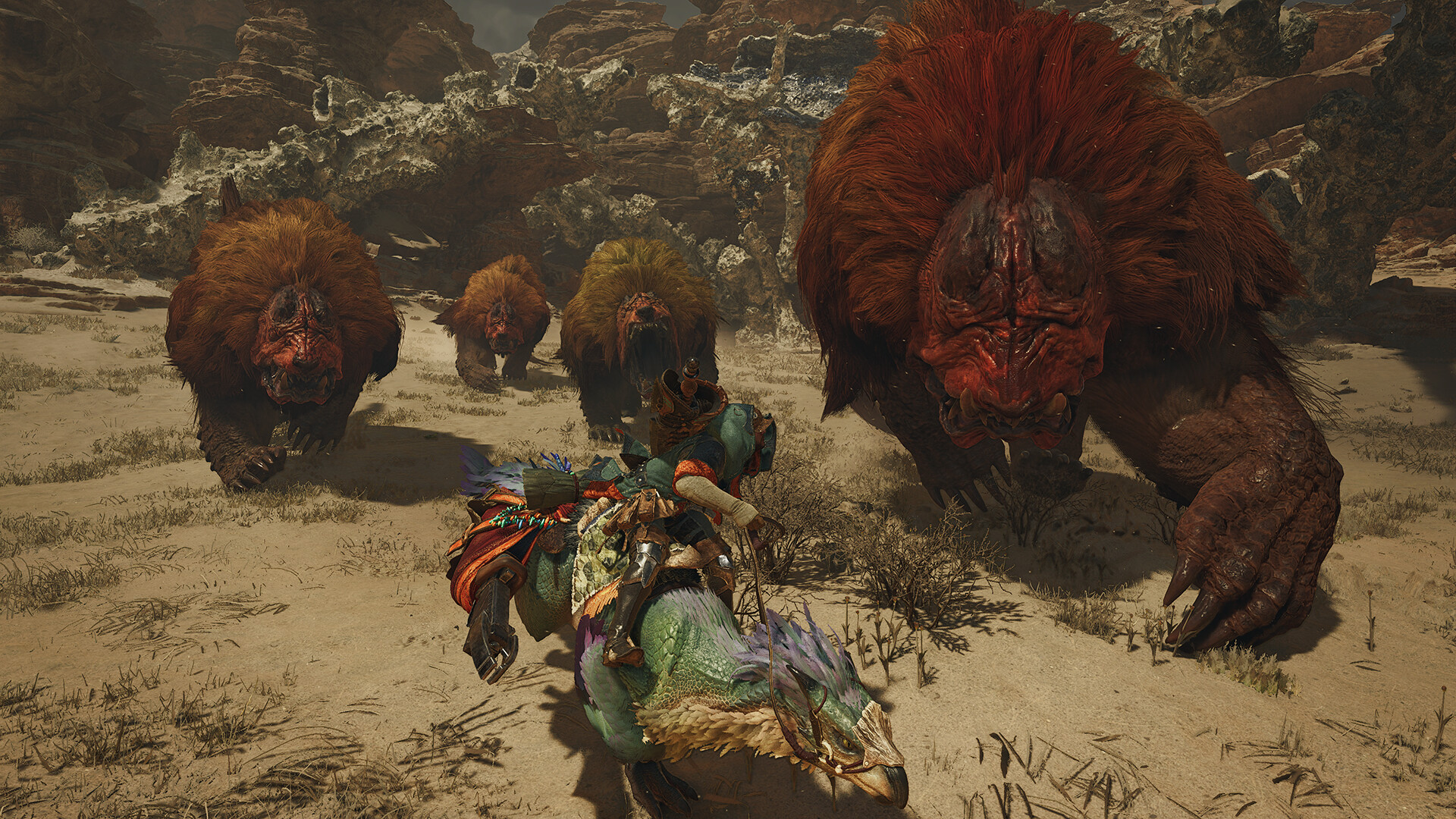
Screenshots


Reviewed by
MH Wilds Guides Editorial
Expertise: Editorial team behind MH Wilds Guides. Content is compiled from official patch notes, community wikis, and playthrough notes, then reviewed and updated on schedule.
Sources
Monster Hunter Wilds Weapons Guides →
Browse the complete weapons collection and its focused guides.
Related Guides

🔥 Popular Guides
Monster Hunter Wilds Good Beginner Weapons: Complete Beginner Guide
Best starter weapons, first-hour checklist, common mistakes, and beginner progression tips for Monster Hunter Wilds.
Monster Hunter Wilds patch notes 2026-09-04: Patch Notes Explained
Explained update notes, verified fixes, content changes, and what hunters should do next in Monster Hunter Wilds.
monster hunter wilds weapons for beginners: Beginner Guide
Learn the best starter weapons, first-hour priorities, common mistakes, and when you have outgrown beginner play in Monster Hunter Wilds.

Monster Hunter Wilds mh wilds balance patch notes Explained
Patch-by-patch Monster Hunter Wilds balance changes, winners, losers, and what players should do after Version 1.030.01.00.
📋 Patch Notes & Updates
🛠️ Popular Tools
Frequently Asked Questions
Quick answers from the guide · click a question to expand.
Is Dual Blades good for beginners in Monster Hunter Wilds?
Yes, Dual Blades are beginner-friendly because they are mobile and intuitive, but they still reward learning stamina control and monster positioning.
Should I build raw or elemental damage?
Elemental damage is usually the better first choice for Dual Blades because the weapon lands so many hits that element scales extremely well.
Do I need perfect gear for this build to work?
No, a budget elemental setup can already feel strong if you prioritize comfort, sharpness, and a favorable matchup.
When should I use Demon Mode?
Use Demon Mode during safe openings, knockdowns, and moments when you can stay on target without immediately needing to dodge out.
What is the biggest mistake Dual Blades players make?
The biggest mistake is overcommitting and draining stamina too early, which turns a high-pressure weapon into a flailing liability.
Was this guide helpful?
Rate this guide so we can improve it.
Share your own tip
Found something not in the guide? Submit it below — our editors review every tip before publishing. No account required.