 Monster Hunter Wilds
Monster Hunter Wilds Best Greatsword Build
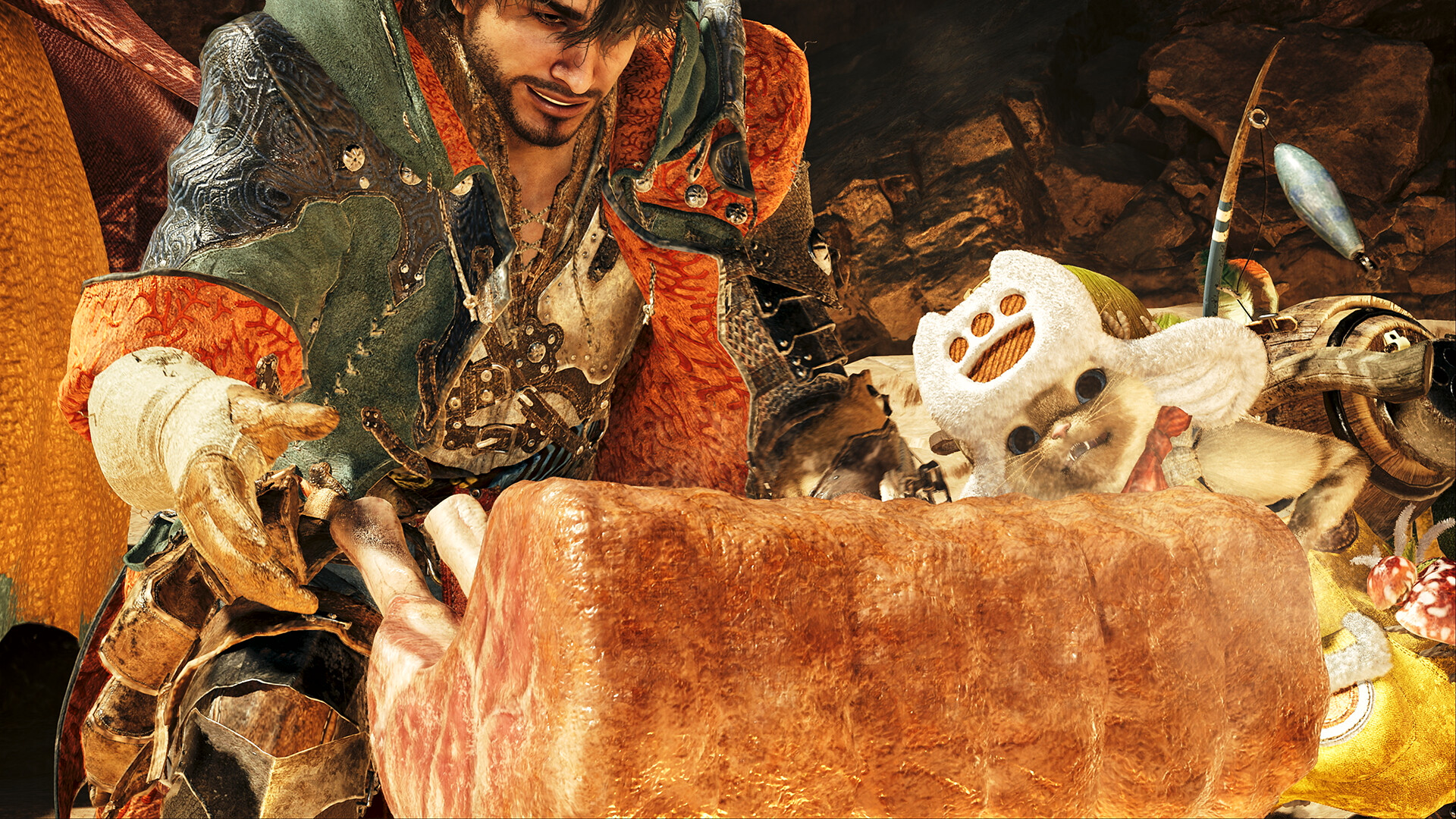
Quick Answer: The monster hunter wilds best greatsword build is a charged-attack powerhouse that stacks raw damage, sharpness comfort, and opening control so you can land huge True Charged Slash-style hits without getting bullied by monster movement.
Build Identity
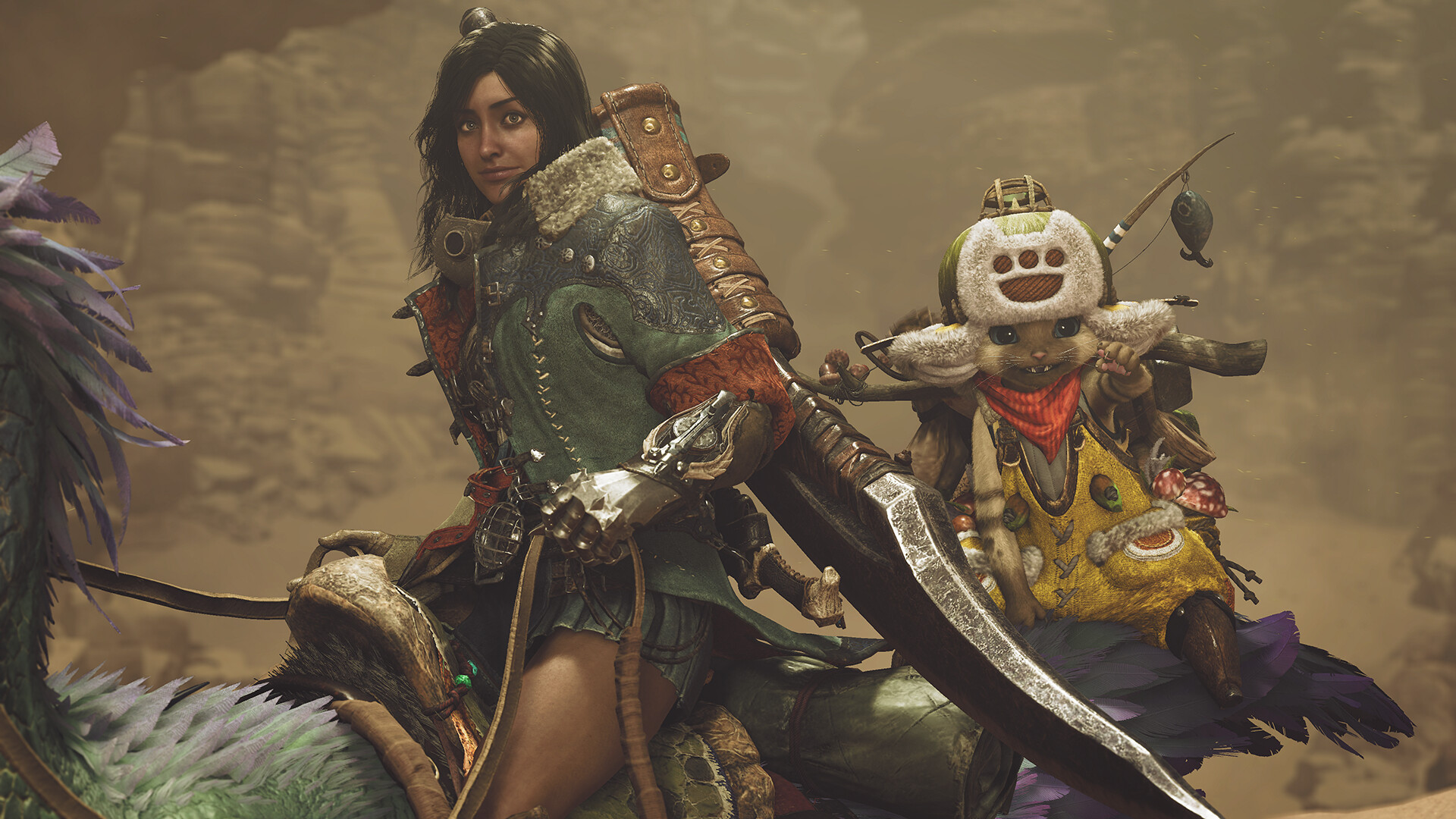
This greatsword build is a slow, punishing burst setup built for hunters who like turning one clean opening into a giant chunk of monster health.
The playstyle is simple at heart: read the monster, position early, commit late, and cash out hard. Greatsword is not about constant button mashing; it’s about timing, patience, and that delicious “one swing, one problem solved” energy.
What the build does best
- Deletes large openings with heavy charged hits
- Rewards monster knowledge more than raw reflex spam
- Feels amazing in solo and coordinated multiplayer
- Scales well with raw damage and sharpness upkeep
- Lets you play like a tactical baseball bat with legs
One-line elevator pitch
If you want the monster hunter wilds best greatsword build for big, clean punishment windows, this is the raw damage-first setup that turns monster tells into paid time off.
Why Greatsword Works So Well in Wilds
Greatsword is excellent in Monster Hunter Wilds because the series’ monster design always rewards anticipation, and Wilds’ dynamic environments make positioning matter even more.
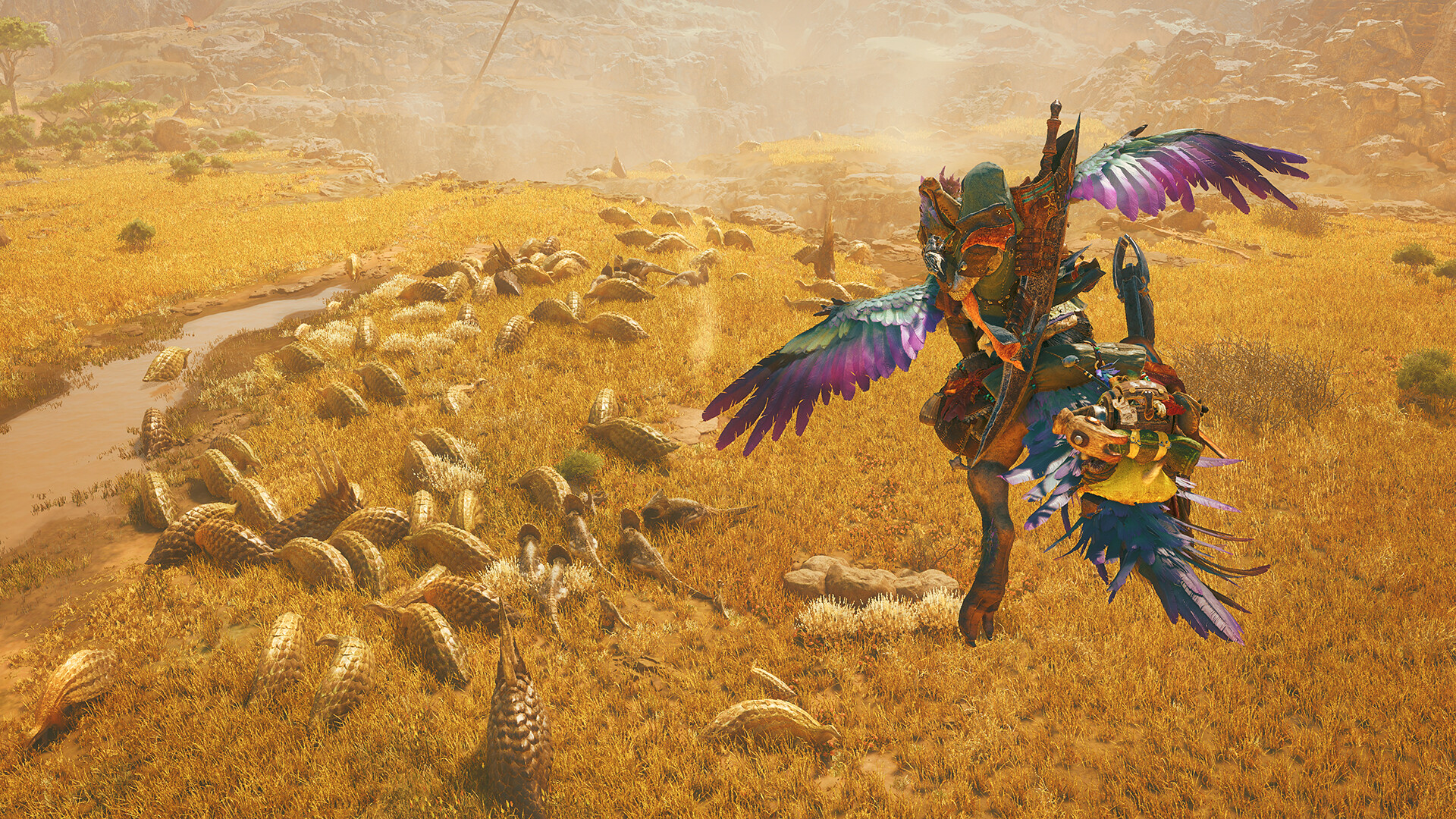
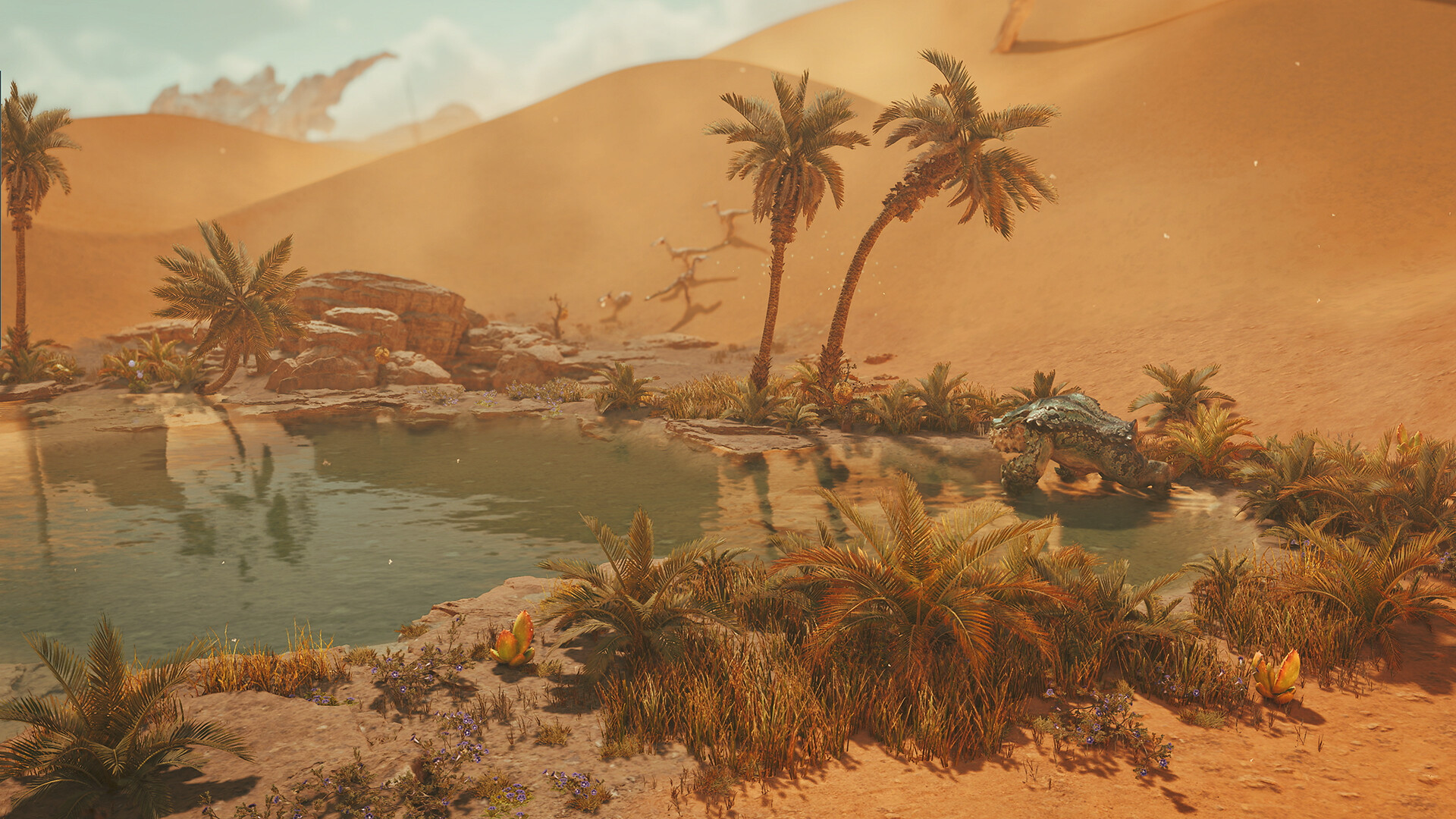
The franchise is also built around that “living world” feel, with the game described as having “environments transforming drastically from one moment to the next” Source. That matters a lot for Greatsword, because terrain shifts, monster pathing, and sudden repositioning can either create your dream opening or ruin your swing arc. Tiny steps, huge consequences. Classic Greatsword nonsense.
Monster Hunter Wilds launched worldwide on February 28, 2025 for PlayStation 5, Windows, and Xbox Series X/S with cross-platform play Source. That broad launch means a lot of hunters are still settling into their preferred weapons, but Greatsword remains one of the most reliable “learn the monster, profit” choices in the current meta.
Stat and Attribute Priorities
Your best Greatsword stats should prioritize raw damage, sharpness comfort, and enough survival to stay in the fight long enough to actually swing.
Priority list
Raw attack / weapon damage
Greatsword scales best when each committed hit hits like a truck, not a polite tap.Affinity / crit consistency
Crits make your big hits more threatening, especially when your build already focuses on fewer, higher-value attacks.Sharpness upkeep
Losing sharpness hurts Greatsword more than people expect because your whole plan revolves around landing high-quality hits.Charge efficiency / execution comfort
Anything that helps you reach your strongest hits more reliably is worth serious consideration.Stamina and mobility comfort
Not because Greatsword is stamina-hungry, but because good repositioning keeps you alive and in charge range.Defensive padding
A cart is a DPS loss with emotional damage, so a little survivability goes a long way.
What to avoid overvaluing
- Pure elemental stacking unless the matchup strongly favors it
- Overinvesting in speed at the expense of damage
- “Cute” utility that sounds nice but doesn’t improve charged-hit uptime
- Tank stats that don’t help you survive the exact moves that usually kill Greatsword users
Skill Rotation and Ability Priority
Your Greatsword priority is to create openings, charge your strongest hit, and repeat without getting greedy.
Core combat loop
Watch for the monster’s recovery animation
- Your best damage comes from punishing guaranteed downtime, not from chasing every twitch.
Position first, charge second
- Greatsword lives and dies by angle management, so start moving early.
Use your strongest charge when the monster is locked in
- Save the biggest commitment for knockdowns, long recovery frames, or safe environmental traps.
Spend smaller hits only to maintain pressure
- Don’t ruin a perfect setup just to poke the air like an anxious fencer.
Reset your spacing after every major swing
- Greatsword is strongest when you are already where you need to be.
Ability priority table
| Priority | Action | Why it matters |
|---|---|---|
| 1 | Monster reading and pre-positioning | Greatsword damage depends on arriving early to the correct spot |
| 2 | Big charged punish on hard openings | This is where your build cashes in the most damage |
| 3 | Short reposition tools | Keeps you aligned without wasting your main punish window |
| 4 | Sharpness recovery / maintenance | Preserves damage quality over a long hunt |
| 5 | Defensive fallback options | Helps you survive when a charge window vanishes |
Simple rule of thumb
If the monster is about to move, don’t get greedy. If the monster is stuck, swing like you mean it.
Gear and Loadout
Your best Greatsword loadout should center on a high-raw weapon, crit-friendly armor skills, and enough comfort to keep your charge timing clean.
| Slot | Item | Reason |
|---|---|---|
| Weapon | High-raw Greatsword | Raw damage is the backbone of the build’s burst plan |
| Head | Crit or attack-focused headpiece | Helps stack damage consistency without overcomplicating the setup |
| Chest | Sharpness or damage chestpiece | Keeps your strongest hits effective for longer |
| Arms | Affinity-oriented arms | Improves crit uptime and overall burst efficiency |
| Waist | Utility or attack waistpiece | Flexible slot for comfort or more offense |
| Legs | Mobility or survival legs | Helps you stay positioned for charge windows |
| Charm / Talisman | Damage or sharpness charm | Best used to patch whichever part of the build feels weakest |
| Mantle / Tool slot | Opening control tool | Anything that helps create safe punish moments is premium here |
Gear selection logic
The ideal loadout is not about chasing every offensive stat at once. Greatsword wants a clean balance of:
- high raw damage
- reliable crit support
- sharpness protection
- enough comfort to actually land charges
If you’re unsure where to start, build around the weapon first and then add skill support that makes your big swings easier to land. The weapon is the boss here; the armor is just the hype crew.
Budget vs Endgame Variant
Your starter Greatsword build should focus on consistency and survivability, while your endgame version should squeeze out more raw burst and crit value.
Budget starter variant
This version is for early progression or anyone still learning monster patterns.
- Prioritize the highest raw weapon you can craft or upgrade
- Use mixed armor pieces with useful damage or comfort skills
- Take sharpness help if your weapon has poor upkeep
- Add defensive options if you are carting during charge commits
- Prefer easy-to-farm pieces over perfect synergy
Endgame variant
This version is for hunters who already understand Greatsword spacing and want stronger punish windows.
- Stack raw damage first, then crit consistency
- Lean harder into sharpness maintenance if your weapon demands it
- Replace “nice-to-have” comfort with damage boosters when you are confident
- Fine-tune your loadout around the monsters you fight most
- Keep one comfort option if the fight is especially movement-heavy
Budget vs endgame comparison
| Version | Best for | Tradeoff |
|---|---|---|
| Budget starter | Learning the weapon and progressing smoothly | Lower burst ceiling |
| Endgame | Maximizing punish damage and efficiency | Less forgiving if your timing is sloppy |
Counters and Hard Matchups
Fast, erratic monsters with short punish windows are the biggest problem for Greatsword because they deny the long charge commitments your build loves.
What shuts this build down
- Monsters that reposition constantly
- Fights with tiny punish windows
- Long multi-hit pressure that interrupts charge attempts
- Highly mobile targets that punish overcommitment
- Erratic aerial or displacement-heavy patterns
How to adapt
- Use smaller punish options instead of forcing the biggest charge every time
- Pre-position earlier than you think you need to
- Save your strongest hit for guaranteed downtime only
- Swap in more comfort if the hunt is turning into a movement exam
- Play slower rather than trying to “out-reaction” the monster
Matchup adjustment table
| Matchup problem | What it does | How to respond |
|---|---|---|
| Constant movement | Cancels your charging lanes | Predict movement and take earlier angles |
| Short recovery | Cuts off your big punish | Use smaller hits and wait for real openings |
| Pressure spam | Interrupts setup | Prioritize survival and spacing |
| Arena clutter | Ruins swing lines | Fight toward open space when possible |
Build Tiers
This Greatsword setup performs best when you think in tiers: starter, midgame, and endgame.
| Tier | Focus | What to look for |
|---|---|---|
| Starter | Learn spacing and survive hunts | Raw weapon, basic comfort, simple armor skills |
| Midgame | Improve consistency | Better sharpness control, more affinity, cleaner openings |
| Endgame | Maximize burst | High raw, crit synergy, and optimized utility |
Practical Hunting Tips
Your Greatsword damage goes up fast when you stop swinging at air and start swinging at intention.
- Aim for monster recovery states, not panic reaction
- Fight near terrain that does not ruin your charge line
- Reset after every whiff instead of forcing a second bad swing
- Learn which attacks leave the monster wide open
- Treat positioning as part of the damage, not a separate step
If you want to pair this with broader melee fundamentals, a weapon basics guide and a monster opening windows guide will help a lot.
FAQ
Is Greatsword good for solo play in Monster Hunter Wilds?
Yes, Greatsword is one of the best solo weapons if you enjoy learning patterns and punishing mistakes hard. It rewards patience more than frantic aggression.
Is this the monster hunter wilds best greatsword build for beginners?
Yes, if you keep the setup simple and prioritize raw damage with enough comfort to land charges safely. Beginners should avoid overly greedy glass-cannon versions at first.
Should Greatsword use elemental damage?
Usually raw is the safer default for Greatsword unless a matchup strongly favors element and your gear supports it well. Big charged hits generally love raw more than fuss.
What is the biggest mistake Greatsword players make?
Greed. Most new Greatsword hunters try to force the biggest charge every time and end up missing openings, getting interrupted, or eating floor texture.
How do I improve my damage without changing gear?
Improve your spacing, learn recovery animations, and only commit to your strongest hit when the monster is truly locked down. Better timing beats fancier stats more often than people admit.
Sources
Screenshots

Reviewed by
MH Wilds Guides Editorial
Expertise: Editorial team behind MH Wilds Guides. Content is compiled from official patch notes, community wikis, and playthrough notes, then reviewed and updated on schedule.
Sources
Monster Hunter Wilds Weapons Guides →
Browse the complete weapons collection and its focused guides.
Related Guides

🔥 Popular Guides
monster hunter wilds best hammer build
Best Hammer build guide for MH Wilds with gear, skills, progression, counters, and endgame options.
monster hunter wilds best hbg build
Best Heavy Bowgun build guide for MH Wilds with gear, priorities, counters, and budget-to-endgame advice.
monster hunter wilds weapons difficulty tier list
Best Monster Hunter Wilds weapons ranked by difficulty, comfort, and current meta strength with S/A/B tiers, tips, mistakes, and patch notes.
monster hunter wilds tips and tricks for beginners: A Beginner Guide
Beginner-friendly Monster Hunter Wilds guide with first-hour steps, resource priorities, common mistakes, pro tips, and progression advice.
📋 Patch Notes & Updates
🛠️ Popular Tools
Frequently Asked Questions
Quick answers from the guide · click a question to expand.
Is Greatsword good for solo play in Monster Hunter Wilds?
Yes, Greatsword is one of the best solo weapons if you enjoy learning patterns and punishing mistakes hard. It rewards patience more than frantic aggression.
Is this the monster hunter wilds best greatsword build for beginners?
Yes, if you keep the setup simple and prioritize raw damage with enough comfort to land charges safely. Beginners should avoid overly greedy glass-cannon versions at first.
Should Greatsword use elemental damage?
Usually raw is the safer default for Greatsword unless a matchup strongly favors element and your gear supports it well. Big charged hits generally love raw more than fuss.
What is the biggest mistake Greatsword players make?
Greed. Most new Greatsword hunters try to force the biggest charge every time and end up missing openings, getting interrupted, or eating floor texture.
How do I improve my damage without changing gear?
Improve your spacing, learn recovery animations, and only commit to your strongest hit when the monster is truly locked down. Better timing beats fancier stats more often than people admit.
Was this guide helpful?
Rate this guide so we can improve it.
Share your own tip
Found something not in the guide? Submit it below — our editors review every tip before publishing. No account required.