 Monster Hunter Wilds
Monster Hunter Wilds Exhaust Functionality Beginner Guide
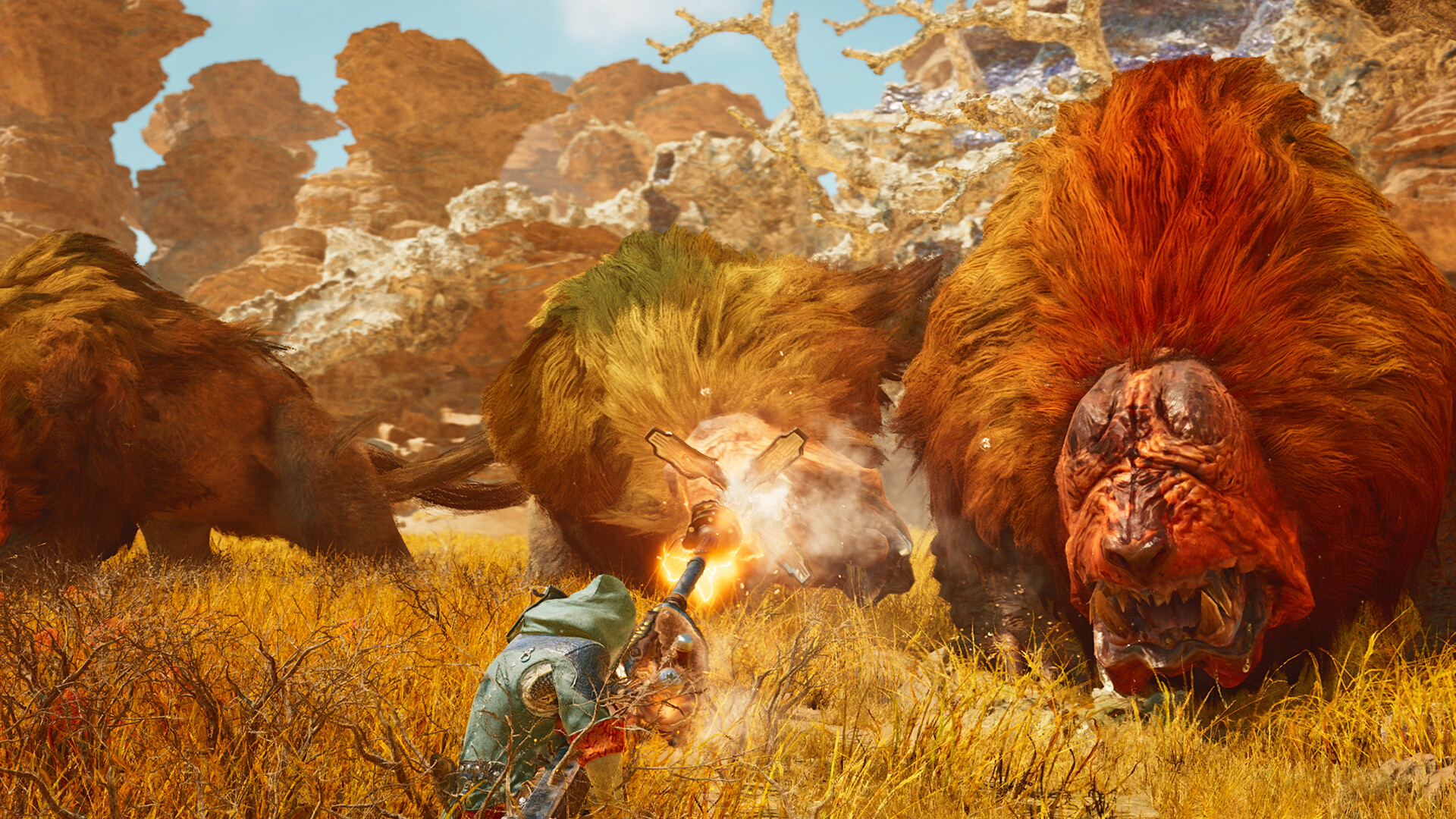
Quick Answer: Monster Hunter Wilds Exhaust Functionality weakens monsters by building up fatigue, creating openings, reducing aggression, and helping your team control hunts more safely and consistently.
Monster Hunter Wilds is a 2025 action role-playing game developed and published by Capcom, and it launched worldwide on PlayStation 5, Windows, and Xbox Series X/S with cross-platform play on February 28, 2025. Source
What Exhaust Functionality Actually Does
Monster Hunter Wilds Exhaust Functionality is the system that lets certain attacks wear monsters down until they act slower, leave more openings, and become easier to manage. In plain terms, exhaustion is not the same as raw damage. It is a pressure tool. You are not just trying to empty a health bar; you are trying to make the monster less dangerous while you continue doing damage.
That matters because a lot of beginners treat every hit as equal. In practice, some hits build fatigue better than others, and some weapon types are much better at applying it during long openings. When a monster is exhausted, you often see behavior changes that are easy to miss if you do not know what to watch for. A tired monster may chain fewer aggressive actions, move less cleanly, or give you extra breathing room after a missed attack. In hunts, that can be the difference between barely surviving and controlling the fight.
The useful beginner mindset is simple: exhaustion is a tempo advantage. For example, if a Great Sword player lands heavy hits during a knockdown, or a Hammer player keeps pressure on the head, the monster can spend more of the hunt in a weakened state. A hunting party that coordinates exhaust pressure with traps, wall bangs, and status effects usually has smoother hunts than a team that only chases damage numbers.
There is also a practical learning angle. Some monsters are more disruptive than dangerous at first, because their movement and aggression overwhelm new players. Exhaust-style pressure helps solve that. If you are struggling against a fast target, watching for exhaustion tells and adjusting your hit locations can calm the fight down.
Three beginner examples help make it concrete:
- A Hammer user repeatedly striking the head can help fatigue a monster while also chasing stun.
- A Sword and Shield player can keep steady contact during small openings, turning short punish windows into persistent pressure.
- A Long Sword user may not think of exhaustion first, but consistent safe pressure still contributes when it is applied in the right parts of the fight.
The key point is that Monster Hunter Wilds Exhaust Functionality is not a flashy standalone mechanic you press a button for. It is a fight-shaping result of sustained pressure, weapon choice, and target selection. Once you recognize it, you will stop reading hunts as “am I dealing enough damage?” and start reading them as “am I controlling the monster’s pace?”
First-Hour Checklist
Your first hour should focus on learning controls, unlocking basic systems, and setting up one reliable weapon path instead of trying to master everything at once. The fastest mistake new hunters make is wandering into too much optional content before they have a stable foundation. The goal in the opening hour is not to optimize. It is to become comfortable enough that the game’s systems stop fighting you.
Here is a clean first-hour checklist:
- Finish the introductory missions and pay attention to the basic combat tutorial prompts.
- Test at least three weapon types in a controlled setting before committing to one.
- Buy or craft only the most obvious starter gear upgrades instead of overinvesting.
- Gather basic materials whenever the route is convenient, especially from nodes you pass naturally.
- Learn how to restock, cook, and recover after hunts so you do not enter the next quest underprepared.
- Watch for any early tutorial about elemental damage, item usage, and monster tracking.
- Practice using one defensive option consistently, such as evasion, guard, or repositioning.
- Fight one small monster and one larger target to see how pacing changes between them.
The best order is usually this: learn movement first, then item use, then one weapon, then your first gear loop. For example, a beginner who starts with a heavy weapon like Great Sword should not be judging the weapon by whether they can instantly land big hits. They should ask whether they can reliably finish a combo after a monster whiffs an attack. A beginner who tries Dual Blades should instead ask whether they can stay near the target without getting clipped during retaliation. A Lance or Sword and Shield player should use the first hour to understand how often they can safely stay in the monster’s face.
Use the first hour to establish a “default hunt routine”:
- Accept the quest.
- Check your item pouch.
- Confirm your weapon is upgraded enough for the area.
- Track the monster without sprinting past useful gathering nodes.
- Fight with a simple plan rather than improvising every exchange.
- Return, restock, and adjust after the hunt.
This routine matters because Monster Hunter Wilds rewards repetition. The game’s combat becomes much easier when you stop treating each hunt as a unique puzzle and start treating it as a test of habits. A stable loop also helps you notice whether exhaustion pressure is doing its job. If the monster seems more sluggish after a sustained series of head hits, tail pressure, or repeated body blows, that is useful feedback. It tells you your weapon and approach are working.
A beginner-friendly first hour is not about speed. It is about reducing unknowns. By the time the hour ends, you should know which weapon feels natural, which items you actually use, and what your next hunt is trying to teach you.
You might also like
- Monster Hunter Wilds Beginner Guide
- Monster Hunter Wilds No More Mister Ice Guy 8/19 8/26 Beginner Guide
- Monster Hunter Wilds Pick Your Poison 7/22 8/12 Beginner Guide
- Monster Hunter Wilds Beginner Guide: Where to Focus First
- Monster Hunter Wilds Beginner Guide: Getting Started Fast
Resource Priority Order
You should spend on survival and weapon progression first, hoard rare upgrade mats until you know what you are building, and craft consumables only when they directly solve your current hunt problems. Beginners often scatter resources across too many gear pieces, which leaves them underpowered everywhere instead of strong somewhere.
A practical priority order looks like this:
| Priority | Spend On | Why It Comes First | Example Use |
|---|---|---|---|
| 1 | Core weapon upgrades | Weapon power affects every hunt immediately | Upgrading a main Great Sword or Bow before cosmetic or niche gear |
| 2 | Basic survival items | Healing, status cures, and utility keep hunts from collapsing | Potions, antidotes, traps, and ammo coatings where relevant |
| 3 | One armor set that fits your weapon | A focused set gives real value instead of scattered bonuses | Guard-oriented gear for Lance, comfort gear for SnS |
| 4 | Useful crafting materials | These become upgrade bottlenecks later | Monster parts, ore, and gathering drops you know you will need |
| 5 | Optional side investments | Helpful, but not urgent | Secondary weapons, niche decorations, or experimental sets |
The most important habit is to hoard rare materials until you understand your preferred weapon and playstyle. If you are new, you do not yet know whether you value safer play, more aggressive pressure, or better support tools. Spending a rare drop on the first shiny option usually slows you down later. A better approach is to keep uncommon pieces until they clearly improve your main loadout.
For Monster Hunter Wilds Exhaust Functionality specifically, your resource decisions should support longer, cleaner fights. That means items and gear that let you stay on the monster longer without getting forced out. If you are building around a weapon that naturally pressures stamina or fatigue states, then upgrades that improve consistency matter more than flashy burst choices. For example, a Hammer user benefits from staying in position to keep head pressure going. A Sword and Shield user benefits from mobility and recovery tools that let them maintain contact. A Bow user may value ammo or coating management so pressure stays steady across the whole hunt.
You should also be conservative with crafting. Craft what you will actually consume. If you are not failing hunts because of poison, do not bulk craft antidote-heavy inventory just because you can. If you are not dying to chip damage, do not overfocus on defense at the expense of offensive progression. Early on, damage and survivability are both tools for consistency, but weapon upgrades usually have the biggest impact on your ability to finish hunts cleanly.
A useful beginner rule is: if the resource makes your current weapon work better every single hunt, it is probably worth spending now. If it only helps in special situations, hold it unless a specific monster is forcing the issue.
Common Newbie Mistakes
New players lose more hunts by making avoidable planning errors than by missing raw mechanics. The good news is that each one has a straightforward fix once you know what to look for.
1. Chasing damage instead of control
Many beginners swing for the biggest number they can reach and ignore positioning, which makes hunts chaotic and unsafe. This usually happens because damage feels like the obvious measure of progress. The fix is to value openings, target selection, and uptime. For example, a Hammer player should keep working the head, a Blademaster should choose safe punish windows, and a ranged weapon user should maintain distance without abandoning pressure.
2. Ignoring exhaustion tells
Players often miss the signs that a monster is tiring because they are focused on their own combo route. That makes them waste chances to capitalize. The fix is to watch for slower movement, sloppier follow-ups, and fewer clean retaliations. If the monster seems less explosive after repeated pressure, shift into more aggressive punishes instead of backing off too early.
3. Overusing one combo
New hunters get attached to a single attack string and try to force it into every situation. This usually causes repeated carts because the monster does not stay still long enough. The fix is to build a simple three-mode habit: short punish, medium punish, and reset. A Great Sword does not always need a full charge. A Dual Blades player does not always need to stay in full commit mode. A Long Sword player should not spend every opening on the longest route available.
4. Entering hunts underprepared
A lot of beginners leave the hub with an empty pouch, low healing supplies, or no backup utility. They assume skill will carry them. The fix is to treat prep as part of the hunt. Restock healing items, check your weapon, and bring any status cures the target commonly causes. If a monster has poison, fire, or stun pressure, prepare for that before leaving.
5. Splitting resources across too many builds
Players often craft multiple armor sets too early because every new skill looks useful. That leaves them with several half-finished loadouts and no strong main setup. The fix is to build one primary weapon and one supporting armor path first. Once you have a stable main set, branch into alternatives.
6. Fighting the monster instead of the terrain
Beginners frequently stand in bad positions because they are watching the monster and not the arena. The fix is to use the field more actively. Reposition to safer ground, use environmental features when available, and stop letting walls or narrow paths trap you into bad trades.
These mistakes are especially costly when you are trying to understand Monster Hunter Wilds Exhaust Functionality. If you are always out of position, you will never notice when the monster becomes tired, and you will never capitalize on the opening you created. The mechanic only matters if you are present and ready when it triggers.
How to Read Exhaust Pressure In Hunts
You can tell you are using exhaustion well when the monster starts giving you more time between attacks, fewer clean counterpokes, and more vulnerable moments after sustained pressure. This is easier to notice on some hunts than others, but the general pattern is consistent: the monster stops feeling relentless and starts feeling interruptible.
A simple way to learn this is to compare three fight situations:
- A fresh opening at the start of the hunt.
- A mid-fight exchange after several clean hits to the same general area.
- A late-fight phase where you have been controlling the pace for a while.
If the monster’s behavior becomes more manageable over time, your pressure is doing something. For many beginners, that “something” is the first real sign that Monster Hunter Wilds Exhaust Functionality is working. You do not need a damage meter to understand it. You just need to notice that your punish windows are becoming more frequent or more forgiving.
Different weapon styles show this in different ways. A Hammer or Hunting Horn style of play can make the hunt feel slower and more controlled because repeated head pressure creates strong crowd-control value. A Sword and Shield player may see shorter but more frequent chances to attack safely. A Bow or other ranged weapon can keep steady pressure while avoiding the most dangerous retaliation windows, which helps the monster stay on the defensive. Even a weapon that is not traditionally associated with fatigue can contribute if it stays consistently active and chooses the right body parts.
The important thing is to separate exhaustion from raw stagger. A monster can flinch, trip, or get knocked down for different reasons. Exhaustion is about the overall effect on its stamina and pace, not just one dramatic animation. That means you should not expect every fight to “announce” exhaustion in an obvious way. Some hunts become easier by degrees. The monster attacks a little less cleanly, recovers a little slower, or fails to chain pressure as efficiently as before. Those are all valuable signs.
Two practical examples help:
- If a monster is constantly rushing you early, then later starts pausing after each exchange, your pressure is paying off.
- If a monster that was hard to keep still begins missing follow-up attacks or backing off more often, you are likely creating fatigue-related openings.
Learn to use that window. Do not spend it on movement unless you need to avoid a lethal response. That is where beginners often waste the advantage they worked to create.
Pro Tips
Tip 1. Aim for consistency, not peak combos
Use your most reliable punish route after a monster whiffs, especially in your first several hunts. A smaller combo that lands every time is better than a longer route that gets interrupted and loses pressure.
Tip 2. Treat the head as a priority when your weapon supports it
If you are using Hammer, Hunting Horn, or another head-friendly style, make the monster’s head your default target when safe. That often helps both stun and exhaustion-style pressure, which means your control value compounds.
Tip 3. Reset position before greed
If the monster starts a new attack chain while you are still finishing a long animation, cancel the ego play and move. Surviving long enough to keep pressure on is more valuable than forcing one extra hit.
Tip 4. Keep one utility item ready for the hunt’s main problem
Bring the one thing that solves your target’s most annoying behavior, whether that is a cure, a trap, or another support item. The best beginners are the ones who remove the fight’s most repetitive hazard before it becomes a cart.
Tip 5. Use exhaustion as a cue to advance, not retreat
When the monster starts slowing down, that is often the best time to step in and increase pressure. Many beginners do the opposite and give away the turn. If the monster is tired, press the advantage with safe attacks.
Tip 6. Build your first set around comfort, then tighten it later
Early on, a set that helps you survive and stay active is better than a fragile damage-focused build. Once you can finish hunts cleanly, then you can start narrowing the set toward more specialized offense.
Tip 7. Track your own failure point
Notice whether you usually fail because of healing mistakes, bad positioning, or greedy attacks. Fix the biggest leak first. That single correction often improves your hunt success more than changing gear.
Tip 8. Relearn each new monster once
Do not assume your first monster plan applies to the next one. Even similar monsters can punish different habits. Take one cautious hunt to identify the target’s pattern before trying to force an aggressive route.
Graduation Threshold
You are out of the beginner phase when you can enter a hunt with a plan, execute it without constant panic, and identify why a failure happened without guessing. That does not mean you have mastered the game. It means you have moved from survival mode into deliberate play.
A few signs show you are ready to move on:
- You know which weapon class you are actually committing to.
- You can finish standard hunts without burning through all your resources.
- You understand when to attack, when to reset, and when to keep pressure on.
- You can recognize when a monster is being controlled by fatigue or other pressure.
- You stop learning new fights from scratch and start applying a repeatable framework.
For Monster Hunter Wilds Exhaust Functionality, the graduation threshold is especially clear. You are past the beginner stage when you no longer ask, “What is exhaustion?” and instead ask, “How do I build around it?” That is the shift from awareness to usage. For example, a beginner may only notice that a monster looks tired. An intermediate player will deliberately choose head pressure, safe commitment windows, and item support to make that state happen more often.
Another useful marker is loadout discipline. Beginners change gear every time they see a new skill. Intermediate hunters keep a stable main setup and only branch out when a specific monster or hunt objective justifies it. They also understand resource value better. They do not waste rare materials just because a craft is available. They save them for a build path that actually changes hunt outcomes.
You will also know you have graduated when you can help another player through an early hunt without overexplaining every step. If you can say, “Use a safe opening, keep your item pouch stocked, and watch for when the monster slows down,” you have internalized the core loop.
A practical benchmark: if you can lose a hunt and immediately diagnose whether the issue was gear, positioning, stamina management, or overcommitting, you are no longer a complete beginner. You are learning the game in the way Monster Hunter is meant to be learned.
Related Guides
- monster hunter wilds shining Early Weapon Tier List for Monster Hunter Wilds
- related guide Best Beginner Builds for Monster Hunter Wilds
- Monster Hunter Wilds Beginner Guide Monster Hunter Wilds Story Walkthrough
- related guide Best Weapons for New Players in Monster Hunter Wilds
- monster hunter like tips Monster Hunter Wilds Armor Skills Explained
- related guide Monster Hunter Wilds Status Effects Guide
Sources
See also
- Monster Hunter Wilds Beginner Guide
- Monster Hunter Wilds Beginner Guide: What to Do First
- Monster Hunter Wilds Hungry for Ore 8/26 9/9 Beginner Guide
- Monster Hunter Wilds Daughters of Carabosse 4/22 5/6 Beginner Guide
- Monster Hunter Wilds Beginner Guide
- Monster Hunter Wilds Beginner Guide
- Monster Hunter Wilds Beginner Guide: Getting Started Fast
- Monster Hunter Wilds Anguish and Atrocity 4/3 4/8 Beginner Guide
- Monster Hunter Wilds Beginner Guide
- Monster Hunter Wilds Beginner Guide: The Shining Storm Rages 5/6 5/20
Screenshots

Reviewed by
MH Wilds Guides Editorial
Expertise: Editorial team behind MH Wilds Guides. Content is compiled from official patch notes, community wikis, and playthrough notes, then reviewed and updated on schedule.
Sources
Monster Hunter Wilds Monsters Guides →
Browse the complete monsters collection and its focused guides.
Related Guides


🔥 Popular Guides
Monster Hunter Wilds Good Beginner Weapons: Complete Beginner Guide
Best starter weapons, first-hour checklist, common mistakes, and beginner progression tips for Monster Hunter Wilds.
Monster Hunter Wilds patch notes 2026-09-04: Patch Notes Explained
Explained update notes, verified fixes, content changes, and what hunters should do next in Monster Hunter Wilds.
monster hunter wilds weapons for beginners: Beginner Guide
Learn the best starter weapons, first-hour priorities, common mistakes, and when you have outgrown beginner play in Monster Hunter Wilds.
Monster Hunter Wilds mh wilds balance patch notes Explained
Patch-by-patch Monster Hunter Wilds balance changes, winners, losers, and what players should do after Version 1.030.01.00.
📋 Patch Notes & Updates
🛠️ Popular Tools
Was this guide helpful?
Rate this guide so we can improve it.
Share your own tip
Found something not in the guide? Submit it below — our editors review every tip before publishing. No account required.