 Monster Hunter Wilds
Monster Hunter Wilds Fire Attack Beginner Guide
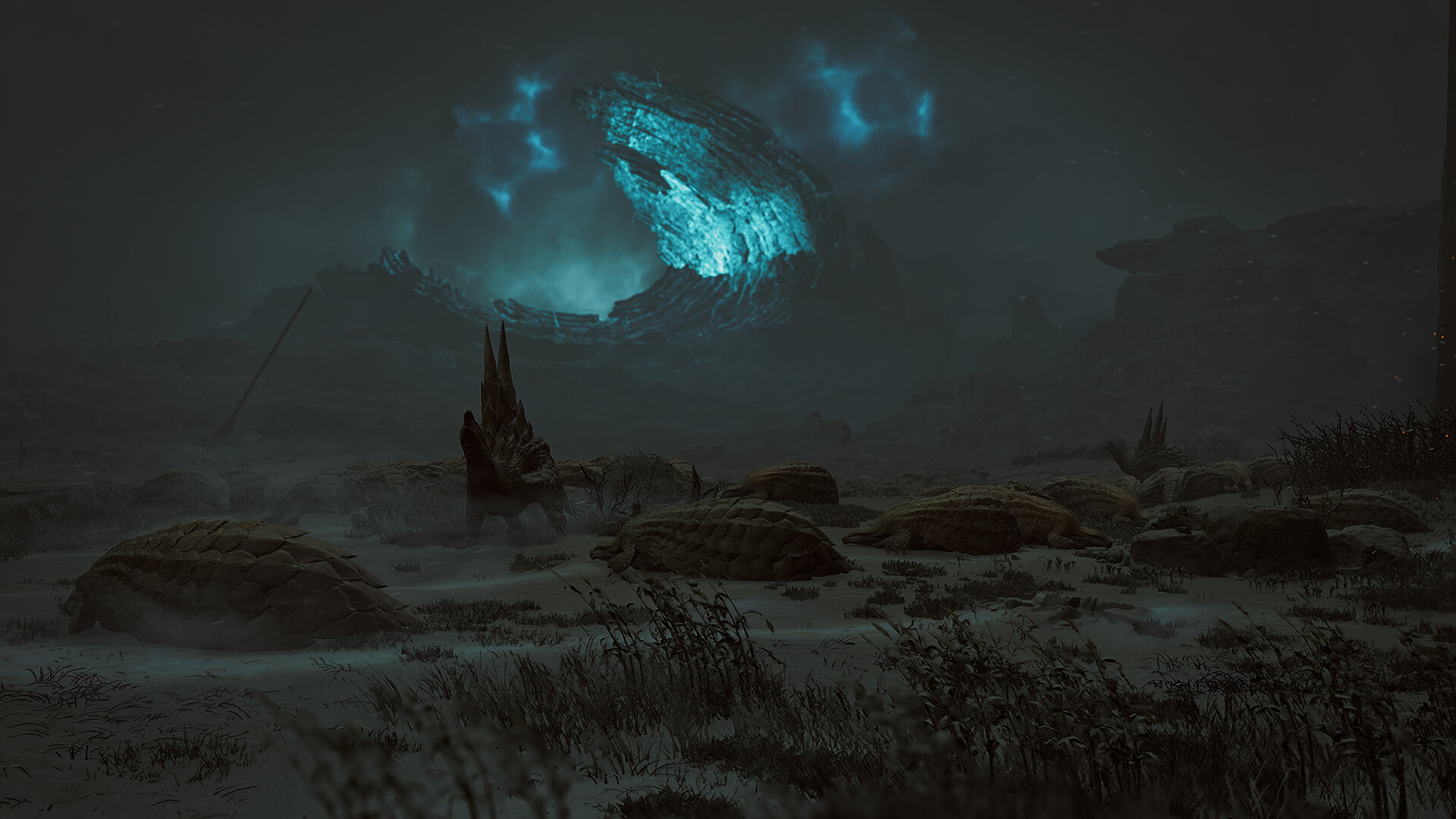
Quick Answer: Monster Hunter Wilds Fire Attack is a beginner-friendly damage path built around exploiting monster weaknesses with fire weapons, coatings, or skills while keeping your gear, items, and upgrades focused on steady early progress.
Monster Hunter Wilds is a 2025 action role-playing game developed and published by Capcom Source. It released worldwide for PlayStation 5, Windows, and Xbox Series X/S with cross-platform play support on February 28, 2025 Source. A Nintendo Switch 2 version is currently in development Source.
What Fire Attack Means In Monster Hunter Wilds
Monster Hunter Wilds Fire Attack means building your offense around fire-element damage, fire-boosting skills, and the habit of using the right weapon and items against monsters that are weak to heat. In practical terms, it is not just “use a fire weapon and hope for the best.” It is a simple damage plan: identify a target that takes good fire damage, equip something that actually applies fire consistently, and support that choice with the right upgrades and consumables.
For a beginner, the important part is consistency. A fire build only feels strong when you are hitting enough weak spots, keeping uptime high, and not wasting resources on the wrong upgrades. That means your early goal is not to chase the most exotic setup. Your goal is to get one fire-friendly weapon online, learn which monsters are weak to it, and avoid spending rare materials on gear that will be replaced immediately.
Three things usually define an early fire setup:
- A weapon or ammo type that can apply fire often enough to matter
- Armor or skills that increase elemental damage, sharpness comfort, or survival
- Item habits that let you keep pressure on instead of backing off every few seconds
This approach works well for several common hunting situations. A flying monster that gives you short openings rewards quick, repeated elemental hits. A slow, large monster with exposed weak points can be worn down efficiently with fire if you stay on target. Even in hunts where raw damage competes with element, fire still matters because it can be the cleanest answer to specific matchups and early progression choices.
A beginner should also understand the difference between elemental damage and raw damage. Raw damage is the weapon’s baseline hitting power. Fire damage is the bonus pressure that helps when the monster is weak to it. If your weapon swings feel good but your fire contribution is tiny, you may be overinvesting in a stat that is not helping enough yet. If your fire value is solid but you keep missing weak parts, the build will still feel weak. The best Monster Hunter Wilds Fire Attack setup is the one that balances those two sides without asking you to play perfectly.
First-Hour Checklist
Your first hour should be spent unlocking basic systems, testing one fire-friendly weapon path, and collecting the materials you will need to avoid unnecessary backtracking. The point is to leave the opening stretch with a clear plan, not a full endgame build.
Start with these actions as soon as you can:
- Finish the opening progression until the game gives you access to meaningful gear management.
- Check your available weapon trees and look for the earliest fire-oriented option in the weapon type you enjoy most.
- Compare a fire weapon against your current option in terms of reach, comfort, and how easily it can land on weak points.
- Craft or equip the most obvious starter upgrades you can make without draining rare materials.
- Accept early hunts that let you practice on predictable targets rather than rushing into the hardest available encounter.
- Stock basic healing, stamina support, and whatever elemental or utility items your chosen weapon uses.
- Save monster parts that look rare or multi-purpose instead of spending them on temporary gear too early.
The first hour is also the right time to test your weapon’s feel. If you are using a melee weapon, check whether it can reliably reach the head, wings, or tail on moving targets. If you are using ranged tools, make sure you understand how ammo, coatings, or resource consumption affects your hunt flow. The best early fire weapon is the one you can actually keep on target while learning monster tells.
Here is a practical opening route:
- Complete the introductory hunt or tutorial chain and unlock your item and forge menus.
- Open the smithing options and identify any fire-based weapon line available to you.
- Pick one weapon family and commit for the first stretch instead of spreading materials across three or four choices.
- Hunt a few manageable targets and check whether fire damage feels better than your current baseline.
- Upgrade only the pieces that improve your current hunt cycle, not every shiny new item.
- Keep an eye on monster weaknesses and note which creatures let your fire damage shine.
- Put excess time into gathering and crafting rather than repeating the same low-value hunt.
A simple rule helps here: if a hunt teaches you something or unlocks a needed material, it was worth doing. If it only gave you a tiny upgrade after draining your stockpile, it was probably a detour.
You might also like
- Monster Hunter Wilds Beginner Guide
- Monster Hunter Wilds Beginner Guide
- Monster Hunter Wilds Beginner Guide: Getting Started Fast
- Monster Hunter Wilds Beginner Guide
- Monster Hunter Wilds No More Mister Ice Guy 8/19 8/26 Beginner Guide
Best Early Fire Attack Priorities
Your early priorities should be weapon access, hunt consistency, and survival comfort before you chase damage optimization. Fire Attack sounds like a pure offense build, but early Monster Hunter is usually won by making your hunts smoother, not by forcing the highest possible number on a status screen.
The most important priority is selecting one weapon line and sticking with it long enough to learn its rhythm. A fire build on a weapon you do not understand is worse than a plain weapon you use well. The second priority is getting enough survivability to avoid repeated carting, because dying resets your momentum and slows your material gains. The third is improving your elemental output only after the first two are stable.
A good early priority stack looks like this:
| Priority | What to focus on | Why it matters early | Example of a good sign |
|---|---|---|---|
| 1 | One weapon family with a fire option | Lets you learn reach, timing, and openings | You can finish hunts without fumbling the controls |
| 2 | Basic survival tools | Keeps you in the hunt long enough to learn | You stop using healing items after every small mistake |
| 3 | Fire-boosting pieces | Increases value against weak targets | Hunts against vulnerable monsters end noticeably faster |
| 4 | Crafting economy | Prevents material waste | You still have rare parts after upgrading |
| 5 | Comfort skills or utility | Makes repeated hunts easier | You land more hits because you are not repositioning constantly |
If you are choosing between two early upgrades, pick the one that helps more hunts in more situations. For example, a modest increase in survivability that saves a cart is often more valuable than a tiny fire increase that only shows up on perfect openings. The same logic applies to weapon choice. A lance user who can stay on a target and poke continuously may get more value from fire than a greatsword user who only lands a few charged hits and spends the rest of the hunt repositioning.
Weapon examples matter here because early fire priority is highly class dependent:
- A dual blades user usually cares about maintaining close contact and spending elemental pressure over many hits.
- A bow user may care more about keeping fire-safe aim and not running dry on useful shots or coatings.
- A switch axe or longsword player may value a fire weapon that fits their normal combo flow and keeps sharpness manageable.
That is why the best beginner guidance is not “always chase the highest fire number.” It is “choose the fire option that fits your weapon and your current skill level.”
Resource Priority Order
Your resource priority order should be survival items first, upgrade materials second, and luxury crafting third. Beginners often reverse this and burn through rare monster parts or currency on gear that looks exciting but does not improve actual hunt results.
A practical order is:
- Healing and recovery items you will use every hunt
- Basic weapon and armor upgrades that improve consistency
- Fire-specific weapon branches or elemental support pieces
- Crafting materials that open more options later
- Experimental side pieces and convenience gear
That order works because it protects momentum. If you always have enough healing and basic support items, you can keep hunting and learning. If you spend everything on one flashy weapon and then run dry, you are forced into grind loops that slow progression.
Here is a simple hoard-versus-spend guide:
| Resource type | Early priority | Spend or hoard? | Reason |
|---|---|---|---|
| Healing items | Very high | Spend freely | They directly reduce failed hunts |
| Common gathering materials | High | Spend when needed | Easy to replace, useful for basic crafting |
| Rare monster parts | Very high | Hoard until sure | Often needed for multiple upgrades later |
| Weapon upgrade stones or equivalent materials | High | Spend on your main weapon | They improve your core hunting tool |
| Fire-specific enhancement materials | Medium to high | Spend only on chosen build | Good value if your target actually takes fire damage |
| Side-grade armor pieces | Low to medium | Hoard until the set matters | Temporary gear can trap resources |
The key beginner mistake is treating every upgrade as urgent. In Monster Hunter, “upgrade now” should mean “this helps me kill or survive more efficiently over the next few hunts.” If a craft does not do that, it can wait.
For a Fire Attack path, resource priorities also depend on the weapon type. A melee user may need sharpness-related upkeep and stamina support. A ranged user may need ammo or coating ingredients, plus resources to maintain safe positioning. In both cases, the same rule applies: keep the hunt loop stable first, then add damage.
A few specific examples help anchor the logic:
- If you have enough materials for a basic fire weapon upgrade and a minor armor upgrade, the weapon upgrade usually wins first.
- If you are failing hunts because you are getting knocked out, put resources into comfort and defense before elemental damage.
- If you are farming a fire-weak monster repeatedly, it is worth investing more into fire-specific upgrades than into a general-purpose side branch.
This is also where good inventory discipline pays off. Do not convert every gathering find into crafting right away. Hold onto materials that could unlock multiple future paths, especially rare drops from monsters you have only fought once or twice. A beginner who hoards intelligently has more options later and wastes less time backtracking.
Common Mistakes And Fixes
Beginners usually lose value with fire builds by overcommitting too early, ignoring monster weakness, or spending materials in the wrong order. These mistakes are common because fire damage looks straightforward on paper, but Monster Hunter rewards planning and matchup awareness.
Using fire against monsters that do not care about it
Players do this because “element build” sounds strong in every fight. The fix is to check monster weaknesses before committing to a fire loadout and keep a backup weapon or flexible plan for resistant targets.Chasing fire damage before learning the weapon
New players often blame low damage on the build when the real issue is missed attacks. The fix is to practice on easier hunts until you can land your basic combos or shots consistently, then add elemental investment.Spending rare parts on temporary gear
This happens because the newest craft looks like a clear upgrade. The fix is to reserve rare drops for weapons or armor pieces that will stay relevant for several hunts, not just the next one.Ignoring survivability in favor of offense
Many beginners think more damage always means faster progress. The fix is to keep enough healing, defense, and comfort that you can complete hunts without repeated failures.Standing too far from the monster to use fire efficiently
Fire damage often depends on staying on target and hitting the right zones. The fix is to learn positioning for your weapon type, whether that means staying close with dual blades or maintaining safe, controlled spacing with ranged options.Treating every fire skill as mandatory
Newer players assume they need every elemental bonus immediately. The fix is to build around one or two meaningful upgrades first and add more only when your core setup is stable.Ignoring sharpness, ammo economy, or resource upkeep
A fire weapon that constantly loses effectiveness through upkeep problems will feel weak. The fix is to include the maintenance system for your weapon in your build plan, not just the elemental number.
The simplest way to avoid these errors is to ask one question after every hunt: did I lose because my build was bad, or because my execution and choices were loose? Most of the time, the answer is the second one.
Common Mistakes
The most common beginner mistakes in Monster Hunter Wilds Fire Attack are avoidable once you know what to watch for.
- Overvaluing a fire number on the menu: Players see a higher elemental value and assume it is always better. The reason is that menus are easy to compare and hard to interpret in context. The fix is to test whether the weapon actually fits the monster and your playstyle before investing.
- Ignoring weak points: Fire damage is much better when you hit the monster’s vulnerable parts instead of armored zones. The reason is that beginners often focus on safety rather than accuracy. The fix is to learn which parts you can reliably reach on each monster and aim there.
- Burning rare materials too early: New players want immediate upgrades and spend drops on gear they outgrow quickly. The reason is fear of missing out on power. The fix is to keep one “main path” and only spend rare resources there until you know the build is sticking.
- Skipping basic item prep: A fire setup still needs healing, stamina, or ammo support. The reason is that damage builds feel more exciting than logistics. The fix is to stock your hunt pouch before leaving and keep a repeatable restock routine.
- Fighting every monster with the same plan: Not every target is a fire target. The reason is that one build feels simpler than swapping strategies. The fix is to carry a backup approach or at least accept that some hunts are better with a different damage type.
Pro Tips
The better your understanding of monster behavior, the more value you get from Monster Hunter Wilds Fire Attack. These tips go beyond basic “use fire on weak monsters” advice and help you turn that idea into actual hunt performance.
Tip 1. Open with information, not commitment
Start a hunt by observing the monster’s movement pattern before spending your strongest items or committing to a long combo. If a monster like a fast aerial target keeps forcing you to reposition, hold your heavier fire bursts for the openings you can actually reach.
Tip 2. Pair fire with comfort, not greed
When you find a fire weapon with decent stats, compare it against your current comfort tools before swapping. A weapon that lets you stay mobile, avoid whiffs, and keep pressure on will often outperform a stronger-looking option that disrupts your timing.
Tip 3. Use multi-part pressure
If your weapon can hit several body parts during a single opening, aim to connect with the part you can reach most reliably. On large monsters, that may mean a wing, foreleg, or tail rather than forcing every hit onto the head.
Tip 4. Save elemental commitment for repeat hunts
Fire becomes much better once you know the target’s behavior. After one or two hunts, you will know whether the monster stays grounded, how often it creates openings, and which side you should stand on. That knowledge improves your fire damage more than another small upgrade often will.
Tip 5. Build around your most common mistake
If you usually miss because you overextend, add safety and recovery. If you usually lose damage because you hesitate, reduce animation-heavy choices and use a faster fire-friendly weapon path. Good beginner builds fix the player’s habits, not just the weapon sheet.
Tip 6. Keep one flexible backup
Even if your main plan is Monster Hunter Wilds Fire Attack, keep a non-fire option in mind for resistant hunts or special objectives. That gives you a practical escape route when a matchup does not favor your main element.
Graduation Threshold
You are out of the beginner phase when you can build, hunt, and recover without needing the game to carry you through every decision. That does not mean you know everything. It means the basics are stable enough that your next improvements are about efficiency rather than survival.
A good graduation threshold looks like this:
- You can identify when fire is a strong choice and when it is not.
- You have one weapon family you can use confidently in real hunts.
- You understand which resources are safe to spend and which should be saved.
- You can clear routine hunts without feeling lost in the menus.
- You know how to adjust after a failed hunt instead of repeating the same mistake.
You are still a beginner if you regularly run into these problems:
- You upgrade gear randomly because you are unsure what matters.
- You need constant outside guidance to decide whether a monster is a fire target.
- You cart because your build looks good on paper but does not match your execution.
- You cannot explain why one weapon is better than another for your current goals.
A practical milestone is consistency. Once you can enter a hunt, choose your fire setup with a reason, manage your items, and finish the hunt without panic, you have crossed the beginner line. After that, the game becomes less about “what do I do now?” and more about “how do I make this faster, cleaner, and safer?”
That is also the point where you should start comparing specialized build options, set bonuses, and matchup-specific gear instead of generic starter picks. A good marker is when your current fire build no longer feels like an emergency solution and starts feeling like a deliberate tool.
If you have reached that stage, you are ready for deeper build work, hunting route optimization, and weapon-specific mastery instead of basic survival.
Related Guides
- Monster Hunter Wilds Fire Attack Build Guide
- Monster Hunter Wilds Early Weapon Tier List
- Monster Hunter Wilds Beginner Walkthrough
- Monster Hunter Wilds Armor Skills Explained
- Monster Hunter Wilds Elemental Damage Guide
- Monster Hunter Wilds Best Early Weapons
Sources
- https://en.wikipedia.org/wiki/Monster_Hunter_Wilds
- https://en.wikipedia.org/wiki/Monster_Hunter_Wilds
See also
- Monster Hunter Wilds Pick Your Poison 7/22 8/12 Beginner Guide
- Monster Hunter Wilds Beginner Guide: Where to Focus First
- Monster Hunter Wilds Beginner Guide: Getting Started Fast
- Monster Hunter Wilds Beginner Guide
- Monster Hunter Wilds Beginner Guide: What to Do First
- Monster Hunter Wilds Hungry for Ore 8/26 9/9 Beginner Guide
- Monster Hunter Wilds Daughters of Carabosse 4/22 5/6 Beginner Guide
- Monster Hunter Wilds Beginner Guide
- Monster Hunter Wilds Beginner Guide
- Monster Hunter Wilds Beginner Guide: Getting Started Fast
Screenshots


Reviewed by
MH Wilds Guides Editorial
Expertise: Editorial team behind MH Wilds Guides. Content is compiled from official patch notes, community wikis, and playthrough notes, then reviewed and updated on schedule.
Sources
Monster Hunter Wilds Monsters Guides →
Browse the complete monsters collection and its focused guides.
Related Guides

🔥 Popular Guides
Monster Hunter Wilds Good Beginner Weapons: Complete Beginner Guide
Best starter weapons, first-hour checklist, common mistakes, and beginner progression tips for Monster Hunter Wilds.
Monster Hunter Wilds patch notes 2026-09-04: Patch Notes Explained
Explained update notes, verified fixes, content changes, and what hunters should do next in Monster Hunter Wilds.
monster hunter wilds weapons for beginners: Beginner Guide
Learn the best starter weapons, first-hour priorities, common mistakes, and when you have outgrown beginner play in Monster Hunter Wilds.
Monster Hunter Wilds mh wilds balance patch notes Explained
Patch-by-patch Monster Hunter Wilds balance changes, winners, losers, and what players should do after Version 1.030.01.00.
📋 Patch Notes & Updates
🛠️ Popular Tools
Was this guide helpful?
Rate this guide so we can improve it.
Share your own tip
Found something not in the guide? Submit it below — our editors review every tip before publishing. No account required.