 Monster Hunter Wilds
Monster Hunter Wilds Guard Up Beginner Guide
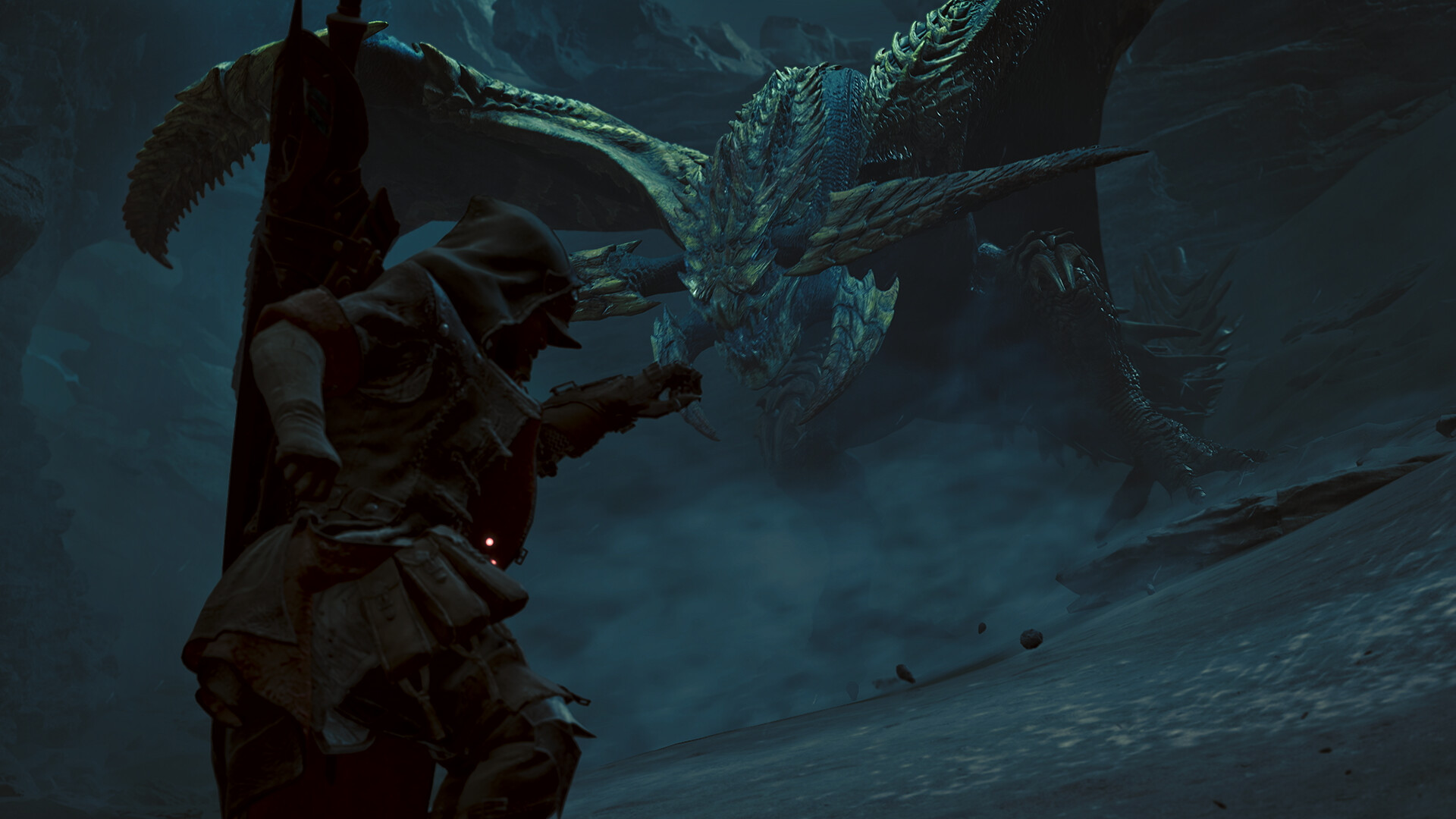
Quick Answer: Monster Hunter Wilds Guard Up lets you block attacks that normally pierce standard guarding, making shield play safer against heavy monster moves when your weapon and opening are right.
What Guard Up Does And Why Beginners Should Care
Monster Hunter Wilds Guard Up is the skill that expands what your guard can actually stop, and that matters most when a monster uses a special attack, beam, grab-like pressure, or other move that would otherwise force you to evade or eat the hit. For a beginner, the value is simple: it turns some “I have no answer” moments into normal block-and-reset situations.
The important part is not to treat Guard Up as a permanent permission slip to stand still. It is a defensive tool that works best when you already understand your weapon’s block timing, stamina management, and monster pacing. In practice, it becomes most useful on shielded weapons and guard-capable styles that want to stay close without giving up too much tempo. Examples of the kinds of situations where players typically care about it include a beam-style punish window, a heavy tail or body slam that is difficult to read on the first hunt, and a charged monster attack that would otherwise blow through a standard block setup.
For newer players, Guard Up is also a pacing tool. It reduces the need to overreact to every unusual animation, which means fewer panic rolls and fewer lost openings. That matters in hunts where you are still learning tells from large monsters, because the difference between “guard and stay in position” and “roll away, then spend time re-approaching” is often the difference between steady damage and a messy hunt. If you are already building around shields, this skill can be one of the first defensive upgrades that changes how comfortable a fight feels.
It is also worth being clear about scope. Guard Up does not replace core guard management, and it does not make every attack safe to eat. It is a specialized layer on top of your normal defense package. Think of it as a way to widen the set of moves you can answer, not as a full survival solution. That distinction matters, because beginners often slot it in and then assume they can ignore stamina drain, knockback, or poor positioning. They cannot. The skill is strongest when it supports a disciplined guard game rather than a careless one.
Monster Hunter Wilds itself is a 2025 action role-playing game developed and published by Capcom Source, and it launched worldwide for PlayStation 5, Windows, and Xbox Series X/S on February 28, 2025 with cross-platform play support Source. That matters because the early community understanding of defense skills is still being refined in the current meta, so beginners should focus on fundamentals first and treat Guard Up as an efficiency upgrade rather than a build identity by itself.
First-Hour Checklist
Your first hour should establish a workable weapon, a basic item loop, and one defensive habit you can repeat across hunts. The fastest way to waste early progression is to sample too many systems without locking in a practical loadout, so the checklist below is built to get you from “fresh character” to “I can survive my first real sequence of hunts” without overload.
1. Pick one weapon and learn its guard rules
If you are using a shielded weapon, test how it handles standard blocking, guard points, and stamina loss before you chase damage skills. Examples of good early testing targets are a low-pressure small monster, a tutorial hunt, or an early large monster that gives you time to observe animation tells. The point is to learn whether your chosen weapon wants active guarding, countering, or evasive repositioning.
If you are not using a shielded weapon, you still benefit from understanding what Guard Up does, because it tells you which attacks are “special defense checks” and which are just ordinary hitbox pressure. That knowledge helps when you later swap weapons or support a co-op group with a different role.
2. Build one reliable item pouch setup
Fill your pouch with the basics first: healing, stamina support if available, and the minimum utility items you know you will actually use. Beginners often carry too many situational tools and forget to keep the essentials topped off. A simple loadout is more effective than a cluttered one.
A practical first-hour approach looks like this:
- Keep healing items near the top of your item bar.
- Reserve one slot or shortcut for stamina recovery if your weapon uses frequent guarding or long pursuit.
- Carry capture or trap tools only once you know the hunt flow and have a reason to use them.
- Replace random pickup clutter after every hunt instead of letting the pouch become inconsistent.
3. Complete the first two or three hunts with a defensive focus
Do not rush to optimize damage in the first hour. Use your first hunts to identify which monster actions feel unsafe on reaction and which ones you can answer with guard, dodge, or spacing. Examples include a charging body line, a lunging bite chain, or a wide area slam. Record which animation started the problem, not just which move hit you.
If you are using a weapon with Monster Hunter Wilds Guard Up relevance, test whether the skill changes your response to a move you previously had to flee. If the answer is yes, that tells you the skill has immediate value for your setup. If the answer is no, you may still need more base guard support, better timing, or simply a different approach to the fight.
4. Spend early resources only on obvious upgrades
Your first hour should not go into experimental crafting. Upgrade the weapon you are actually carrying, reinforce your basic defense if the game has given you the option, and avoid scattering materials across side projects. The goal is to reach a stable point where your next hunt is easier because of what you already spent, not because you unlocked a dozen half-finished options.
A good rule in the opening stretch is that any resource you cannot explain in one sentence should probably stay in storage until you understand the system better.
5. Learn one repeatable monster opening
Every beginner should leave the first hour with one concrete pattern they can exploit. Examples are a safe heal after a long recovery animation, a punish after a missed leap, or a block-and-counter sequence after a telegraphed slam. If you are playing a guard weapon, identify one attack that is safe to hold, one that is better to reposition around, and one that is the reason Guard Up matters in the first place.
That gives you a real combat loop instead of reactive button pressing, which is the difference between surviving and actually learning the game.
You might also like
- Monster Hunter Wilds Beginner Guide
- Monster Hunter Wilds Beginner Guide
- Monster Hunter Wilds Beginner Guide: Getting Started Fast
- Monster Hunter Wilds Beginner Guide
- Monster Hunter Wilds No More Mister Ice Guy 8/19 8/26 Beginner Guide
Resource Priority Order
Your resource priority should favor survivability, weapon stability, and flexibility before luxury crafting or niche experimentation. Beginners often spend too early on cosmetic or low-impact upgrades, then find themselves short on the materials that actually smooth the next few hunts. The correct order is usually boring, but it works.
Spend first on the weapon you will keep using
Your main weapon is the highest-return investment because it affects every hunt. Even a modest improvement to the weapon you already understand is more valuable than a flashy side branch you cannot pilot well yet. Examples: if you are committed to a shield weapon, keep that line moving before you diversify into a second damage type; if you are swapping between categories, pick one “main” and one “backup,” not five partial options.
Then hoard materials that unlock future flexibility
Once your main weapon is stable, start banking the materials that commonly gate upgrades, armor adjustments, or useful utility crafts. Do not burn everything at the first chance to make something new. In monster hunter systems, early hoarding is not greed; it is how you avoid dead-end crafting and repeated farm loops.
The practical rule is:
- Hoard anything rare-looking until you know its upgrade path.
- Spend common drops on immediate quality-of-life needs.
- Keep one reserve stack of universal healing and survival items.
- Do not craft duplicate gear pieces just because they are available.
Spend defensive resources only when they solve a real problem
If Monster Hunter Wilds Guard Up is helping you survive specific attacks, that is a strong sign to invest in the rest of the guard package around it. However, do not chase every defensive upgrade at once. A shield build usually needs a coherent mix of block strength, stamina comfort, and positioning discipline. If you fix only one of those, you can still get worn down.
A useful comparison:
| Priority | Best early use | Why it matters | Common beginner error |
|---|---|---|---|
| Main weapon upgrades | Core damage and reach | Improves every hunt | Spreading materials across multiple weapon types |
| Healing and support items | Survival and recovery | Prevents failed hunts | Hoarding items and not using them |
| Guard/defense support | Block consistency | Makes shield play reliable | Treating Guard Up as enough by itself |
| Niche craft projects | Situational utility | Useful later | Crafting before understanding the hunt loop |
Save premium-looking materials for confirmed upgrades
If a material is uncommon, clearly tied to a higher tier, or has multiple possible uses, keep it until you know the build path. This is especially important if you are early in the game and still deciding whether you want a guard weapon, a mobility weapon, or a support role in co-op.
A beginner who spends rare drops on the wrong branch usually loses more time farming them back than they gained from the temporary upgrade. That is true in most monster hunter progression systems, and it is especially true when your early hunts are still teaching you what your preferred weapon actually wants.
Common Mistakes
Beginners make the same few mistakes with Guard Up and shield play, and most of them come from misunderstanding what defensive skills can and cannot do. The fix is usually simple once you identify the real problem.
Mistake 1: Assuming Guard Up blocks everything
Players see a strong defensive skill and start trusting every attack to it, then get punished by stamina drain, knockback, or moves that still require timing and positioning.
Why it happens: the skill sounds like a universal answer, so it is easy to overgeneralize.
Concrete fix: use Guard Up only for the moves you have already tested, and keep a normal dodge or reposition habit for everything else. Examples include a beam, a grab-like special, or a delayed slam that you know is meant to pressure guard.
Mistake 2: Ignoring stamina management
Beginners often block too long, fail to step out, and then get broken open because the guard held but the stamina bar did not.
Why it happens: blocking feels safer than moving, so players stay planted too long.
Concrete fix: guard in shorter sequences, release after the monster’s attack finishes, and always leave room to recover stamina before the next big swing. If your weapon wants to stand its ground, build your rhythm around “block, answer, reset.”
Mistake 3: Overinvesting in Guard Up before learning basic patterns
Some players slot the skill early and think that means they can skip attack recognition and spacing.
Why it happens: it is easier to add one defensive upgrade than to learn several monster tells.
Concrete fix: use the skill as a supplement, not a substitute. Pick one early monster and learn three actions: a safe block, a safe dodge, and a punish window after recovery. That gives you actual fight knowledge.
Mistake 4: Carrying too many situational items
Beginners pack their inventory with traps, thrown tools, and niche consumables, then forget the items they use every minute.
Why it happens: new players assume more options always means better preparation.
Concrete fix: keep healing, stamina support, and one or two utility items as your default. Bring trap-oriented tools only when you know the monster, the quest type, or the capture plan.
Mistake 5: Switching weapons every hunt
Changing weapons constantly prevents you from learning the real guard timing, spacing, and damage windows of any one kit.
Why it happens: the game offers variety, and it is tempting to sample everything immediately.
Concrete fix: pick one weapon for a long enough stretch that its defensive rhythm becomes automatic. If you are using a shield weapon, spend enough time with it to know when Guard Up changes the outcome and when it does not.
Mistake 6: Using guard play in bad positions
Some players block in corners, against terrain, or while the monster controls the center of the arena.
Why it happens: the block button feels like safety, even when the map position is bad.
Concrete fix: after any successful block, immediately check your angle relative to the monster and the terrain. A good guard position still needs space to recover, heal, or counter.
Pro Tips
Advanced beginners can get a real edge by treating Guard Up as part of a larger combat plan instead of a single defensive checkbox. These tips matter once you can already survive basic hunts and want cleaner, more consistent clears.
Tip 1. Test the skill against one known problem attack
When you meet a monster move that clearly beats normal blocking, use that move as your benchmark. Example scenarios include a beam, a charging special, or an oversized finisher animation. If Guard Up changes the outcome, you have found a fight-specific reason to keep it slotted.
Tip 2. Pair guard play with short punish strings
After a successful block, use a compact offensive response instead of overcommitting. This is especially important on weapons that can counter quickly after defense. A short punish keeps your stamina and positioning stable, which matters more than greedily chasing damage.
Tip 3. Learn which attacks are better dodged than blocked
Not every dangerous move should be answered with a shield. Some attacks are easier to evade, some are better to walk out of, and some are exactly why Guard Up exists. The edge comes from knowing the difference. A good example is when a monster’s wide lateral hit is easy to evade, but its central special pressure is the one you reserve the guard answer for.
Tip 4. Reset your camera before committing to defense
A beginner often blocks while visually lost, which leads to late reactions or awkward backpedaling. Before a major exchange, make sure the monster is framed clearly and your next move is visible. That is especially valuable in close-range fights where shield play can get tunnel vision.
Tip 5. Treat the first minute of a hunt as scouting, not racing
The opening phase of a fight is where you should identify which animation tells matter and which attacks the monster likes to repeat. Use that time to observe. Once you recognize the pattern, then you can decide whether Monster Hunter Wilds Guard Up is the correct answer or whether another tool is better.
Tip 6. Keep one escape lane open
Even strong guard setups fail when you block yourself into a wall or a slope. Before you plant and absorb pressure, check that you can backstep, circle, or roll out after the exchange. This matters in co-op too, where ally positioning can accidentally trap you in a bad angle.
Graduation Threshold
You are out of the beginner phase when you can predict, prepare for, and recover from monster pressure without relying on panic reactions. That is the real threshold, not a quest count or a cosmetic unlock. A player can be “new” mechanically but already past the beginner phase in decision-making if they understand their weapon, their inventory, and the monster’s attack rhythm.
A practical way to judge it is by your consistency across hunts. You have likely graduated from beginner status when you can do most of the following without thinking hard:
- Recognize at least one dangerous special attack on sight.
- Decide in advance whether to block, dodge, or reposition.
- Finish hunts without overusing healing items.
- Maintain a usable item pouch and refill it between quests.
- Explain why Guard Up is in your build, not just that it exists.
- Recover from a bad exchange without losing the whole fight’s tempo.
Examples of “you are still a beginner” behavior include blocking everything, running out of stamina because you never reset, or swapping loadouts every session without learning one pattern deeply. Examples of “you are moving on” behavior include deliberately saving Guard Up for specific threats, using a stable main weapon, and entering a hunt with a plan for the first major monster sequence.
The most reliable sign is this: if you can load into a new hunt, identify the one move that would normally force you out of your comfort zone, and answer it correctly on the first or second try, you are no longer playing blind. You may still be refining execution, but the beginner phase is already behind you.
That matters because Monster Hunter Wilds is built around repeated learning loops, and the launch window on PlayStation 5, Windows, and Xbox Series X/S has pushed a lot of players into the same early mastery curve Source. The sooner you stop treating each hunt as a fresh panic test, the sooner you start playing the game the way it is meant to be played: as pattern recognition with deliberate resource use.
Common Mistakes
These are the mistakes that most often stall early progress, even for players who understand the basics of action games.
Mistake: Upgrading too many gear paths at once.
Why it happens: multiple weapons and armor options look useful early.
Fix: commit to one main weapon and one defense plan until you know what your build actually needs.Mistake: Burning rare materials on temporary gear.
Why it happens: early upgrades feel urgent, so players spend first and question later.
Fix: save uncommon drops for confirmed progression steps and use common materials for short-term comfort.Mistake: Treating Guard Up as a complete defense solution.
Why it happens: the skill is strong enough to feel like a shortcut.
Fix: pair it with stamina discipline, spacing, and basic monster pattern knowledge.Mistake: Ignoring monster recovery windows.
Why it happens: beginners focus on surviving the attack and miss the follow-up opportunity.
Fix: after every block or evade, look for one safe punish instead of hesitating.Mistake: Fighting from bad terrain.
Why it happens: the monster forces movement and players stop checking their position.
Fix: reset the fight angle after each exchange and keep an exit lane open.Mistake: Changing habits every time a hunt goes badly.
Why it happens: a single failure encourages overcorrection.
Fix: adjust one variable at a time so you can tell what actually improved the result.
Related Guides
- Monster Hunter Wilds Weapon Tier List
- Monster Hunter Wilds Best Early Builds
- Monster Hunter Wilds Story Walkthrough
- Monster Hunter Wilds Armor Skills Explained
- Monster Hunter Wilds Shield Weapons Guide
- Monster Hunter Wilds Beginner Hunting Tips
Sources
- https://en.wikipedia.org/wiki/Monster_Hunter_Wilds
- https://en.wikipedia.org/wiki/Monster_Hunter_Wilds
See also
- Monster Hunter Wilds Pick Your Poison 7/22 8/12 Beginner Guide
- Monster Hunter Wilds Beginner Guide: Where to Focus First
- Monster Hunter Wilds Beginner Guide: Getting Started Fast
- Monster Hunter Wilds Beginner Guide
- Monster Hunter Wilds Beginner Guide: What to Do First
- Monster Hunter Wilds Hungry for Ore 8/26 9/9 Beginner Guide
- Monster Hunter Wilds Daughters of Carabosse 4/22 5/6 Beginner Guide
- Monster Hunter Wilds Beginner Guide
- Monster Hunter Wilds Beginner Guide
- Monster Hunter Wilds Beginner Guide: Getting Started Fast
Screenshots


Reviewed by
MH Wilds Guides Editorial
Expertise: Editorial team behind MH Wilds Guides. Content is compiled from official patch notes, community wikis, and playthrough notes, then reviewed and updated on schedule.
Sources
Monster Hunter Wilds Monsters Guides →
Browse the complete monsters collection and its focused guides.
Related Guides

🔥 Popular Guides
Monster Hunter Wilds Good Beginner Weapons: Complete Beginner Guide
Best starter weapons, first-hour checklist, common mistakes, and beginner progression tips for Monster Hunter Wilds.
Monster Hunter Wilds patch notes 2026-09-04: Patch Notes Explained
Explained update notes, verified fixes, content changes, and what hunters should do next in Monster Hunter Wilds.
monster hunter wilds weapons for beginners: Beginner Guide
Learn the best starter weapons, first-hour priorities, common mistakes, and when you have outgrown beginner play in Monster Hunter Wilds.
Monster Hunter Wilds mh wilds balance patch notes Explained
Patch-by-patch Monster Hunter Wilds balance changes, winners, losers, and what players should do after Version 1.030.01.00.
📋 Patch Notes & Updates
🛠️ Popular Tools
Was this guide helpful?
Rate this guide so we can improve it.
Share your own tip
Found something not in the guide? Submit it below — our editors review every tip before publishing. No account required.