 Monster Hunter Wilds
Monster Hunter Wilds Insect Glaive Guide Walkthrough
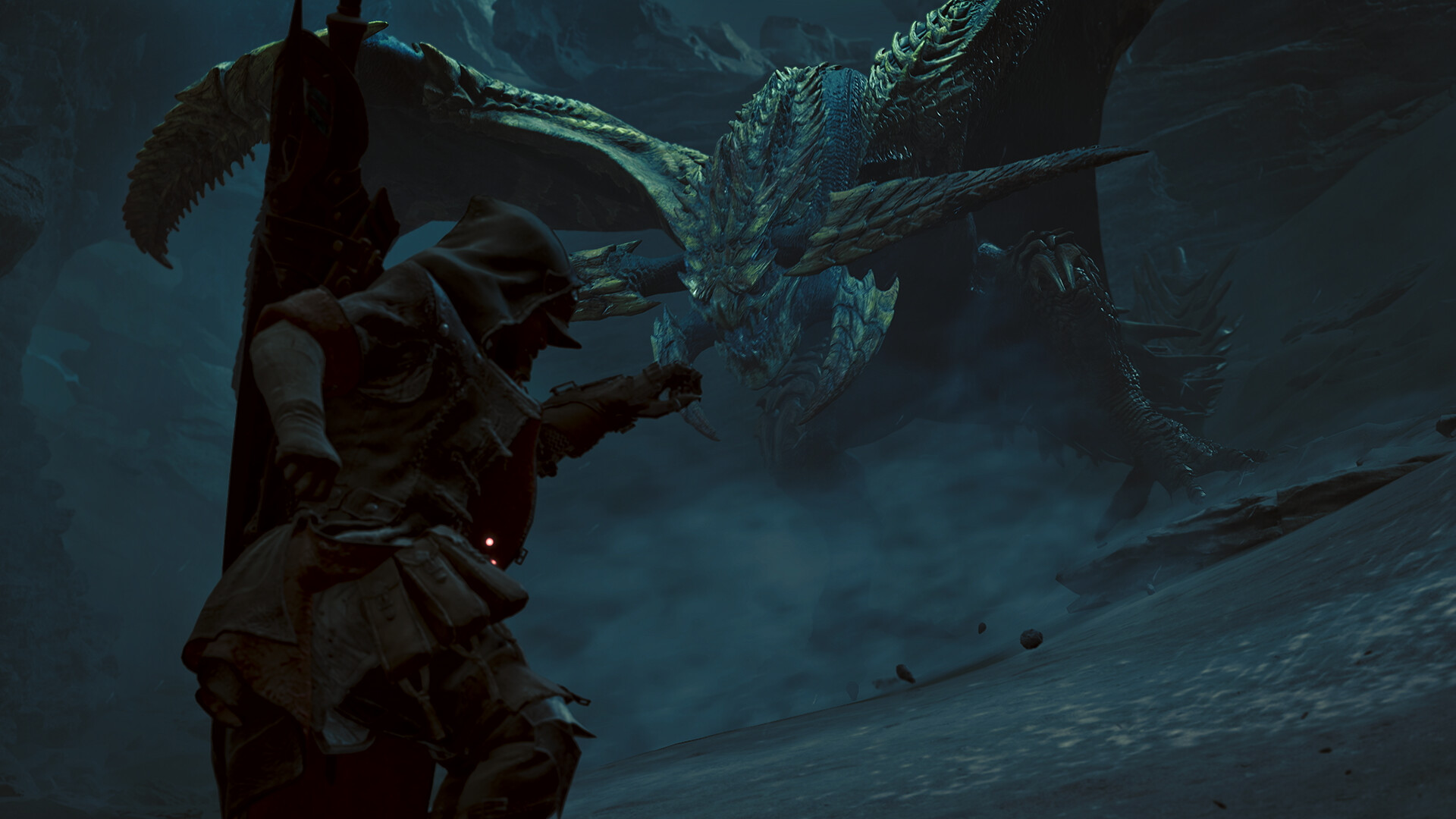
Quick Answer: This monster hunter wilds insect glaive guide shows how to build momentum, stay airborne safely, and clear hunts efficiently by mastering extract upkeep, vault timing, and target priority.
Prerequisites
You should enter this route with a mobile weapon mindset, solid basic armor, and a comfort level for reading monster openings rather than trading hits.
- Weapon familiarity: You should already know your Kinsect recall, vault, and aerial attack timing before attempting harder hunts.
- Equipment: Use an Insect Glaive with reliable raw damage and an element or status that matches your target’s weakness if you have one.
- Armor goal: Prioritize survivability, stamina comfort, and skills that support sharpness, stamina management, or aerial uptime.
- Party setup: Solo is absolutely viable, but a co-op party helps if you want safer extract windows and less punishment during learning.
- Difficulty mindset: Treat the route as a positioning challenge, not a brute-force damage race.
- Consumables: Bring healing items, sharpening support, and any hunt-specific resistance tools you normally rely on.
- Knowledge check: Have a basic understanding of monster hitzones and tells; this weapon rewards target selection more than button mashing.
If you are also refining your broader kit, see build insect for complementary loadout ideas.
What the Insect Glaive Wants You to Do
The Insect Glaive wants you to control space, maintain buffs, and punish monsters where they are weakest.
This weapon is at its best when you keep your extracts active, use vaults to reposition, and land grounded combos after safe aerial pressure. Many players overcommit to staying airborne, but the strongest monster hunter wilds insect glaive guide advice is simple: use the air to create openings, then return to the ground for efficient damage.
Core combat priorities
- Red extract first: Your priority is usually offense, since it improves your attack flow and combo payoff.
- White extract second: Use it to improve mobility and make repositioning easier.
- Orange extract third: It helps round out your durability and usually makes the full set feel complete.
- Grounded damage matters: Aerial attacks are useful, but grounded strings often give better sustained output when the monster is vulnerable.
- Kinsect control matters: Send the Kinsect out early so you can keep extract uptime from slipping.
- Short commitments win: The weapon shines when you take quick, clean punish windows.
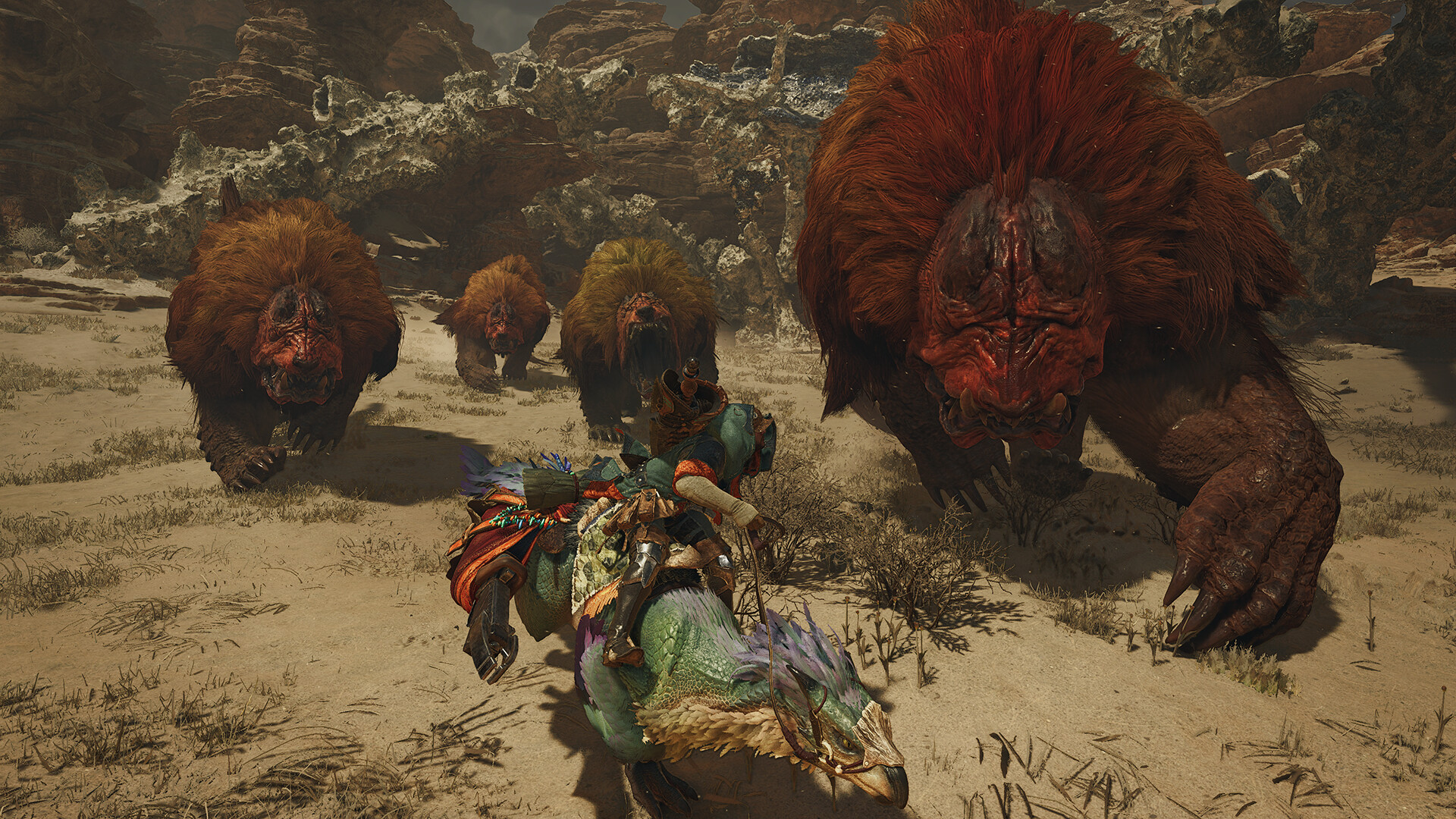
Step-by-Step Route
Follow this route in order to move from basic setup to consistent hunt clears.
Step 1: Prepare your loadout before entering the hunt
Start by building a loadout that supports uptime, recovery, and mobility.
- Equip your preferred Insect Glaive with a Kinsect you can control comfortably.
- Bring healing items and sharpening support.
- Slot defensive comfort if you are still learning a monster’s patterns.
- If the monster has a clear weakness, choose an element or status that supports the hunt.
Step 2: Open by securing extracts
Begin every hunt by building your extract cycle instead of attacking immediately.
- Target a safe body part to collect the most valuable extract first.
- Reposition if the monster is too aggressive to approach directly.
- Refresh your Kinsect habitually so you do not drift into a low-buff state.
- Do not chase fancy airborne routes until your main buff loop is active.
Step 3: Use vaults to create angle advantage
Vaulting is for positioning, not just spectacle.
- Jump only when the monster has committed to a slow attack or is facing away.
- Use aerial movement to change your angle and reach safer hitzones.
- If you land a knockdown, convert that into grounded damage quickly.
- Avoid staying above a monster that can swat you down easily.
Step 4: Shift into grounded damage during real openings
Your main damage comes from controlled punish windows.
- After a safe vault or evasion, return to grounded combos.
- Hit weak spots rather than continuing a low-value aerial loop.
- Refresh extracts whenever you can do so without losing the opening.
- If the monster moves, reset rather than forcing a greedy follow-up.
Step 5: Use aerial attacks as a tactical tool
Aerial attacks are best when they solve a problem.
- Use them to reposition over attacks.
- Use them to access parts of the monster that are briefly unsafe from the ground.
- Use them to keep pressure when the monster’s movement becomes awkward.
- Stop using them if they make you miss easy grounded damage.
Step 6: Maintain Kinsect uptime throughout the hunt
Your Kinsect is part of your damage rhythm, not a side mechanic.
- Send it out during recovery frames or safe openings.
- Retrieve extracts before they expire or become inconvenient to refresh.
- Keep an eye on your target so you do not waste time on low-value pickups.
- Re-center your rhythm after every big monster movement change.
Step 7: Finish by protecting your uptime, not forcing a rush
Late-hunt success comes from discipline.
- Keep healing aggressively if you get clipped.
- Sharpen before you are forced into a bad moment.
- Do not panic-vault into predictable danger.
- Stay patient and close the hunt with your strongest, cleanest openings.
Hardest Encounters and How to Handle Them
The hardest encounters for an Insect Glaive user are fast, wide-sweeping monsters that punish careless airtime and overextended chases.
Some monsters are hard because they deny safe extract collection, while others are difficult because they punish predictable vertical movement. The solution is usually the same: slow down, gather buffs safely, and treat the fight as a spacing puzzle.
| Encounter problem | Why it is hard for Insect Glaive | Concrete tactic |
|---|---|---|
| Fast pressure monsters | They reduce your time to set up extracts and punish greedy jumps | Wait for longer recovery animations, then take extracts and reset |
| Wide-area sweep attacks | They catch airborne movement and knock you out of rhythm | Vault only after the attack begins, not before it is obvious |
| Highly mobile targets | They make aerial follow-up damage inconsistent | Stay grounded more often and use Kinsect mobility to keep contact |
| Aggressive phase transitions | They break your setup and force panic movement | Back off, re-establish buffs, and re-enter on a safe angle |
The most dangerous mistake
The most dangerous mistake is using the Insect Glaive like a pure aerial weapon.
- If you stay in the air too long, you lose damage efficiency.
- If you vault without a plan, you become easy to punish.
- If you ignore extract upkeep, your entire kit feels weaker.
- If you tunnel on one body part, you may miss better hitzones and safer punish opportunities.
Best response pattern
The best response pattern is simple: collect, reposition, punish, reset.
- Collect your core extracts safely.
- Reposition with vaults only when the monster commits.
- Punish with grounded strings during real openings.
- Reset before your buffs fall off or the monster’s next sequence starts.
Rewards and Loot
The rewards for following this route are stronger hunt consistency, better clear speed, and smoother progression through monster parts and materials.
Monster Hunter Wilds rewards the usual Monster Hunter loop: monster materials, quest completion progress, equipment crafting options, and the satisfaction of opening up new build paths. The exact loot depends on the target, but an Insect Glaive-focused route tends to pay off through better part breaks and safer farming because you can stay active without overcommitting.
What you gain from consistent Insect Glaive play
- Hunt materials: Useful for crafting and upgrading your weapon and armor.
- Monster parts: Often easier to secure when you can reach awkward angles.
- Quest progress: Lets you move deeper into the game’s challenge structure.
- Build flexibility: A strong glaive setup supports both elemental and comfort-oriented play.
- Practice value: Each hunt improves your extract management and target reading.
Progression benefits
- Better confidence against monsters with irregular movement.
- More reliable clears when you are farming specific targets.
- Easier adaptation to co-op or solo play.
- More efficient use of openings, which helps in longer fights.
If you want to expand your approach, check elden ring tips for a broader related guide on hunt preparation and weapon synergy.
Missables
You can miss temporary hunt value if you ignore side opportunities, break windows, or quest-specific conditions during a run.
For a weapon like this, the biggest missables are not usually permanent story locks, but they can still cost you valuable materials, momentum, or optional objectives.
- Part breaks: If you ignore breakable parts, you may lose material opportunities tied to those breaks.
- Optional capture or carve windows: Some hunts reward different outcomes depending on how you finish them.
- Temporary gather windows: Environmental resources or monster openings may vanish if you overchase damage.
- Quest-specific objectives: Special conditions can be missed if you finish too quickly or ignore side tasks.
- Learning windows: If you rush a hunt, you may miss the chance to memorize attack cues that matter later.
How to avoid missables
- Break parts when it is safe to do so.
- Watch for quest objectives before ending the hunt.
- Do not ignore rare openings just because you are chasing raw damage.
- If a monster changes behavior mid-hunt, adjust rather than forcing your old plan.
Practical Insect Glaive Tips
These tips make the weapon feel smoother immediately.
- Keep extract upkeep as a habit, not an afterthought.
- Use aerial movement to fix your position, not to avoid doing real damage forever.
- Learn which monster animations give you enough time for a safe Kinsect cycle.
- Prioritize weak spots and break opportunities over flashy loops.
- Heal early if your position is bad; the weapon rewards clean restarts.
FAQ
Is the Insect Glaive good for solo play?
Yes, it is very strong in solo play because you control the pace, extract cycle, and positioning without relying on teammates.
Should I stay airborne as much as possible?
No, grounded damage is usually your best sustained option, while aerial attacks are mainly for positioning, pressure, and safe repositioning.
What should I collect first with Kinsect extracts?
Red extract is usually the first priority because it most directly improves your offense and combo flow.
Is this weapon beginner-friendly?
It is approachable, but it becomes much better once you learn monster patterns and stop overusing the air as a default defense.
What type of monsters are hardest for Insect Glaive?
Fast, sweeping, highly mobile monsters are the toughest because they punish careless vaults and make extract upkeep harder.
Sources
Screenshots


Reviewed by
MH Wilds Guides Editorial
Expertise: Editorial team behind MH Wilds Guides. Content is compiled from official patch notes, community wikis, and playthrough notes, then reviewed and updated on schedule.
Sources
Monster Hunter Wilds Monsters Guides →
Browse the complete monsters collection and its focused guides.
Related Guides
🔥 Popular Guides
monster hunter wilds weapons for beginners: Beginner Guide
Learn the best starter weapons, first-hour priorities, common mistakes, and when you have outgrown beginner play in Monster Hunter Wilds.
mh wilds bow patch notes: Monster Hunter Wilds Patch Notes Explained
Monster Hunter Wilds patch notes explained for bow players, including the latest version updates, winners, losses, and what to change today.
Monster Hunter Wilds Good Beginner Weapons: Complete Beginner Guide
Best starter weapons, first-hour checklist, common mistakes, and beginner progression tips for Monster Hunter Wilds.
Monster Hunter Wilds patch notes 2026-09-04: Patch Notes Explained
Explained update notes, verified fixes, content changes, and what hunters should do next in Monster Hunter Wilds.
📋 Patch Notes & Updates
🛠️ Popular Tools
Frequently Asked Questions
Quick answers from the guide · click a question to expand.
Is the Insect Glaive good for solo play?
Yes, it is very strong in solo play because you control the pace, extract cycle, and positioning without relying on teammates.
Should I stay airborne as much as possible?
No, grounded damage is usually your best sustained option, while aerial attacks are mainly for positioning, pressure, and safe repositioning.
What should I collect first with Kinsect extracts?
Red extract is usually the first priority because it most directly improves your offense and combo flow.
Is this weapon beginner-friendly?
It is approachable, but it becomes much better once you learn monster patterns and stop overusing the air as a default defense.
What type of monsters are hardest for Insect Glaive?
Fast, sweeping, highly mobile monsters are the toughest because they punish careless vaults and make extract upkeep harder.
Was this guide helpful?
Rate this guide so we can improve it.
Share your own tip
Found something not in the guide? Submit it below — our editors review every tip before publishing. No account required.