 Monster Hunter Wilds
Monster Hunter Wilds PS5 Update Patch Notes Explained
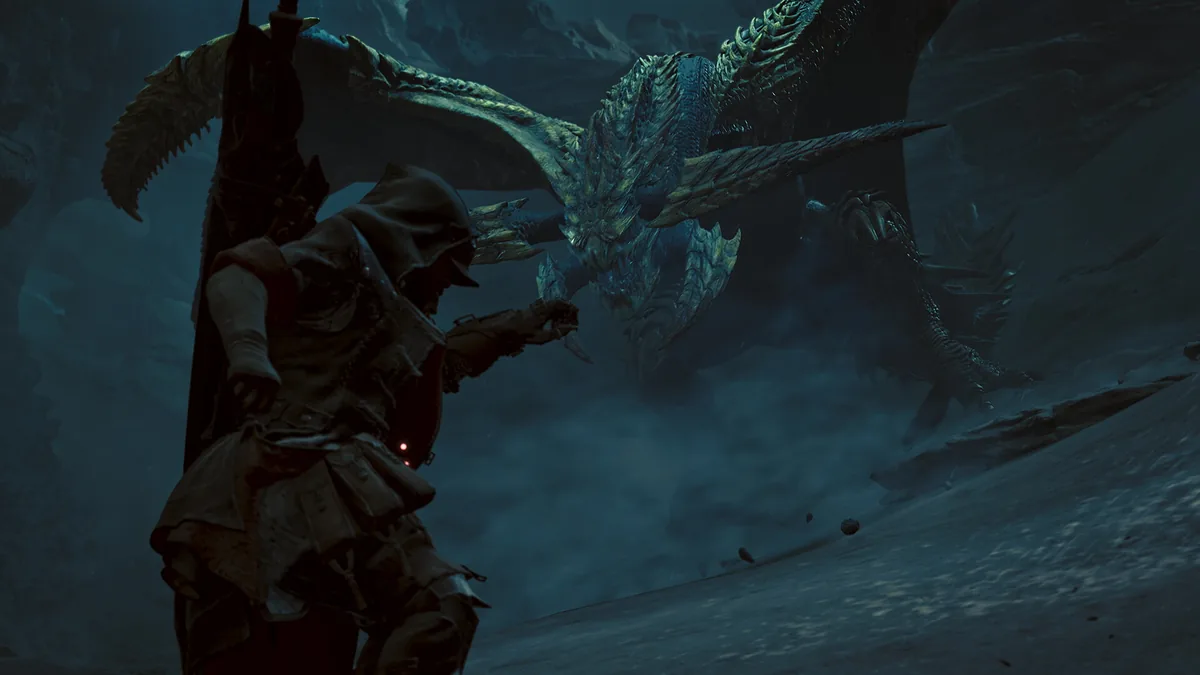
Quick Answer: The current monster hunter wilds ps5 update is a rolling set of title updates and fix patches, with major releases like Ver. 1.011.00.00 on May 28, 2025 and Ver. 1.020.00.00 on June 30, 2025, plus later support updates continuing into 2025 and 2026.
TL;DR Change Summary
The monster hunter wilds ps5 update series has been a steady mix of title updates, bug fixes, and balance adjustments rather than one giant one-and-done patch. The most important anchors in the current official update trail are Ver. 1.010.00.00, released on Friday, April 4, 2025 at 3:00 a.m. UTC, Ver. 1.011.00.00, released on Wednesday, May 28, 2025 at 12:30 a.m. UTC, and Ver. 1.020.00.00, released on Monday, June 30, 2025 at 4:30 a.m. UTC. Official update listings also show later support continuing with Ver. 1.021.00.00 on Wednesday, August 13, 2025 and Ver. 1.040.00.00 on Tuesday, December 16, 2025. Source
For PS5 players, the practical headline is simple: this is not a patch where you log in, see one shiny new mode, and call it a day. It is a live-service-style cadence of content drops and cleanup passes, which means your loadout decisions and farming priorities can shift under your feet between updates. That matters in Monster Hunter more than in a lot of games because your real power is not just your weapon choice, but how much time you have invested in the right armor skills, decorations, and material routes.
The official update pages identify the major beats as:
- Ver. 1.010.00.00: First Free Title Update
- Ver. 1.011.00.00: Title Update, Bug Fixes and Balance Adjustments
- Ver. 1.020.00.00: Second Free Title Update
- Ver. 1.021.00.00: Title Update
- Ver. 1.040.00.00: Title Update Source
That pattern is worth reading literally. A “title update” in Monster Hunter usually means content and system changes layered on top of the base hunt loop, while “bug fixes and balance adjustments” usually means the kind of patch that quietly changes what feels efficient, safe, or worth building. If you are coming back to the game after a break, the safest assumption is that your old comfort set may still work, but it may not be the cleanest answer anymore.
The only thing that is not changing is the core fantasy: brutal monsters, changing environments, and a world that pushes you to adapt on the fly. But how you prepare for hunts, and which routes are worth your limited time, absolutely does change with each PS5 update cycle. That is the part most hunters feel first, even before they notice the patch number.
Winners: What Got Better
The biggest winners in a Monster Hunter Wilds PS5 update are usually players who benefit from new title-update content, cleaner balance, and more reliable hunt flow. Even when the official summary is short, the shape of these patches still tells you who comes out ahead: active players, build crafters, and anyone who was waiting for the game to stabilize before committing their materials. The update trail itself shows repeated support across multiple versions, which is already a positive signal for PS5 players because it means Capcom is still actively tuning the experience rather than leaving the release state untouched. Source
The clearest winners are the hunters who like to keep multiple sets ready. When a title update lands, the value of a diversified inventory goes up fast. A player with only one “main weapon plus one meta armor set” is often stuck waiting for the dust to settle. A player with backup builds for raw damage, elemental damage, and comfort skills can pivot much faster. That is especially relevant in Monster Hunter Wilds, where the game’s two-faced world design and changing conditions already reward flexibility. Source
Players Who Stayed Current
Players who logged in around the major update windows are the obvious winners because they get the new content first and can react before the meta fully hardens. That matters after Ver. 1.010.00.00 on April 4, 2025, Ver. 1.011.00.00 on May 28, 2025, and Ver. 1.020.00.00 on June 30, 2025. The people doing early progression in those windows get first crack at new mechanics, fresh farming opportunities, and any new gear or event-facing systems that arrived with the title updates. Source
The practical edge looks like this:
- You can identify which armor skills are still worth slotting before the wider playerbase crowds the same farm.
- You can test hunt routes while materials are still being mapped out by the community.
- You can decide whether to invest in a weapon type before a balance pass shifts its comfort level.
That is not flashy, but it is real. In Monster Hunter, timing is power.
Flexible Build Crafters
Flexible build crafters also gain a lot from these updates because balance patches tend to reward adaptability more than stubbornness. If you have a Great Sword loadout for heavy punish windows, a Dual Blades setup for mobile pressure, and a Long Sword build for sustained counter play, you are in a much better spot than a hunter who has sunk everything into one static setup. That is especially true when a patch is described as “bug fixes and balance adjustments,” because those are the exact kinds of updates that can make a previously awkward weapon feel smoother or make a comfort skill more or less valuable. Source
Here is the cleanest way to think about the winners side of the patch:
| Hunter Type | Why the Patch Helps | Example Use Case |
|---|---|---|
| Early adopters | First access to new content windows | Pushing story and post-story hunts immediately after Ver. 1.020.00.00 |
| Build crafters | Better payoff from tuning and reslotting | Reworking armor sets after balance adjustments in Ver. 1.011.00.00 |
| Returnees | Chance to come back after stability improves | Re-entering the game after several title updates have landed |
Players With Time To Farm
Players who can farm efficiently are winners because patch cycles often create short-lived demand spikes for specific materials. Even when the update notes do not spell out the exact drop tables in the summary, the community reality is predictable: once a new title update drops, hunters chase newly relevant monsters, crafting paths, and upgrade checks. If you already know your routing, you get ahead of the rush.
A few examples of the kind of farming advantage this creates:
- Repeating a monster hunt that sits on a reliable armor upgrade path.
- Prioritizing parts used across multiple weapon trees instead of only one niche craft.
- Stockpiling general upgrade materials before the next balance pass changes what people consider mandatory.
That means the “winner” category is not only about power. It is also about efficiency. The players who treat the patch as a scheduling problem usually come out cleaner than the ones who just mash quests until they hit a wall.
You might also like
- Monster Hunter Wilds The Proud Child of the Wilds - AT Arkveld Free Challenge Quest Release Date Beginner Guide
- Monster Hunter Wilds Beginner Guide
- Monster Hunter Wilds Chapter 3 - 2 Nothing Frozen Nothing Gained Beginner Guide
- Monster Hunter Wilds Beginner Guide
- Monster Hunter Wilds patch notes 1.042.00.0 Explained
Losers: What Got Nerfed Or Removed
The losers in a monster hunter wilds ps5 update are usually the players leaning on one-note builds, stale routes, or assumptions that the launch version will always behave the same way. The official notes we have here do not list a specific weapon nerf or a named monster removal in the summary snippets, so this section has to stay grounded in what the patch labeling actually supports: bug fixes, balance adjustments, and title-update content shifts. That still has consequences, because in Monster Hunter a “balance adjustment” can hit comfort, uptime, or damage consistency even when the headline does not look dramatic. Source
The most realistic losers are hunters who refuse to adapt. If you have been relying on a loadout that only works because the current meta has not moved yet, that is where patch day bites. It does not usually feel like a hard nerf in one obvious line item. It feels like a hunt taking longer, a dodge window feeling tighter, or a specific skill no longer covering sloppy play as well as it did before.
Narrow Builds
Narrow builds are the clearest casualty of repeated update cycles. A setup built around one exploit, one comfort layer, or one monster-specific weakness can age badly once the game gets another round of tuning. That is true even if the patch is mostly “bug fixes and balance adjustments,” because fixing a bug often means removing accidental value from a strategy that had become widely used. Source
Examples of build fragility in practice:
- A weapon set that only feels good when a particular combo interaction is untouched.
- An armor build that over-relies on one skill stacking too efficiently.
- A farming route that assumes a certain quest loop remains untouched after the update.
If you were sitting on a hyper-specialized setup before Ver. 1.011.00.00 or Ver. 1.020.00.00, that is the kind of build most likely to feel “nerfed” even without a direct red line in the notes.
Lazy Farm Routes
Lazy farm routes lose value every time the game gets a meaningful content drop. That is not a moral judgment, just Monster Hunter economics. When title updates add or rebalance content, the most brain-dead route often stops being the best route. Players who kept running the same hunt because it was comfortable tend to fall behind hunters who re-check their material priorities after each patch.
This is where the game’s update cadence matters:
- Ver. 1.010.00.00 opens the door to a changed early post-launch environment.
- Ver. 1.011.00.00 brings balance adjustments that can reshape efficiency.
- Ver. 1.020.00.00 adds another full title update layer on top. Source
So the loser is often not a weapon class in the abstract. It is the player who did not notice the patch changed the value of their routine.
Hunters Ignoring Stability Fixes
Hunters who ignore stability fixes also lose out, because a cleaner game is a less annoying game, and Monster Hunter’s tempo depends heavily on responsiveness. Even if a fix does not sound exciting, it can improve the feel of quest flow, menuing, or encounter reliability. That matters a lot in a game where one dropped dodge or one weird interaction can waste several minutes of setup.
A few examples of the hidden cost of ignoring that:
- If your usual session starts with the same crash, hitch, or bug, you are burning time before the hunt even begins.
- If a balance adjustment changes monster behavior or weapon feel, you may be playing with outdated assumptions.
- If you skip a patch and then jump into co-op, you can end up mismatched with the current live environment.
In short, the losers are the hunters who treat update notes like optional bedtime reading. That strategy is usually expensive.
Player Action Items Starting Today
The right move after a Monster Hunter Wilds PS5 update is to re-check your builds, re-evaluate your farm list, and stop assuming your old best route is still best. Because the official update stream includes multiple title updates and balance passes, your most efficient play today may not be the same one you ran before Ver. 1.011.00.00 or Ver. 1.020.00.00. Source
What to do now is fairly straightforward:
- Re-scan your main weapon build and your backup weapon build.
- Compare your current armor skills against what you actually use in hunts, not what looked cool on paper.
- Check whether your favorite farming loop is still your fastest path for the materials you need.
- Update your co-op habits so everyone is aligned on the current version environment.
- Revisit any weapon tree or armor set you had postponed because you thought a later patch might improve it.
Rebuild Priority
Your first move should be to decide whether your current main set is a “keep,” a “trim,” or a “replace.” If the weapon still feels smooth and your hunt times are stable, you probably do not need a full respec. If the build only works when everything goes right, that is a warning sign. After balance patches, comfort often matters more than theoretical peak damage because consistency wins more hunts than spreadsheet pride.
Good candidates for review:
- Your most-used damage skills.
- Any skill you stacked because it was overperforming in the current meta.
- Any defensive layer that you only added because a monster was giving you trouble before the patch.
If you are unsure, compare your loadout against two real scenarios: a solo hunt against a familiar target and a co-op hunt where chaos naturally increases. If the build collapses in the second case, it is too brittle for live play.
Farm Route Changes
You should also change your farm route if your current loop exists only because it was the easiest route, not the best one. Title updates tend to change what is efficient, even when they do not announce that in a flashy way. A route that was perfect before Ver. 1.020.00.00 may now be just “fine,” and in Monster Hunter, “fine” is often another way of saying “wasting time.”
The farm route check should include:
- Whether the monster or quest you are repeating still feeds your top-priority gear.
- Whether a new update introduced a better path for the same materials.
- Whether your route is still worth running in co-op or should be done solo for speed.
A clean habit here is to keep a short list of what you actually need for the next armor or weapon upgrade. That stops you from chasing random drops just because the hunt feels familiar. Familiar is not efficient. Ask any hunter who has burned an evening on the wrong target.
Respec And Reorder
If your build has too much dead weight, respec it. That sounds blunt, but it is the right answer after a serious update cycle. Monster Hunter rewards structure, not sentimental attachment to every point you ever slotted. If a patch made a comfort skill less necessary, or if a new title update shifted how often you can maintain offense, then your old skill order may be holding you back.
Use this order of operations:
- Keep skills that directly support your main weapon’s core loop.
- Drop skills that only help in rare situations.
- Reorder slots around the hunts you are actually doing now.
- Save one version for solo play and one for co-op if your sessions usually mix both.
That is the practical takeaway from the patch cycle: treat your loadout like a living thing, not a museum piece.
What The Update Pattern Means For PS5 Hunters
The update pattern means PS5 hunters should treat Monster Hunter Wilds as a moving target, not a finished box. The official timeline shows a clear cadence of launch-era support, title updates, and later maintenance, with major milestones on April 4, 2025, May 28, 2025, June 30, 2025, August 13, 2025, and December 16, 2025. That is enough to tell you the game is being actively shaped over time, and that has direct consequences for how you should invest your materials and attention. Source
For PS5 specifically, this is good news if you like a game that keeps getting tuned. A living update path means the rough edges can get sanded down and the content ladder can keep expanding. It also means you should be cautious about overcommitting to any one “best” setup too early. The people who thrive in this kind of environment are the hunters who keep one eye on patch notes and the other on their inventory screen.
That is especially relevant in a game built around changing environments and an ecosystem-driven hunt structure. When the world itself is meant to feel dynamic, the update schedule becomes part of the game’s rhythm. You are not just reacting to monsters. You are reacting to how Capcom keeps changing the rules around those monsters.
A few concrete examples of what that means in practice:
- A weapon you ignored at launch may become worth re-testing after a balance pass.
- A comfortable armor set may stop being optimal once a newer title update changes the value of certain skills.
- A farming route that was “good enough” can become a waste of time if a later patch shifts the target list.
If you are the kind of player who wants to squeeze every hour out of a PS5 hunt session, the lesson is simple: patch notes are part of the gear grind now. Ignore them, and you will eventually feel it in your hunt times.
Sources
See also
- Monster Hunter Wilds How to Play Early New Zealand Trick Method Beginner Guide
- Monster Hunter Wilds patch notes 1.042.00.00 Explained
- Monster Hunter Wilds Tongue-Tied 3/11 3/18
- Monster Hunter Wilds Beginner Guide: Getting Started Fast
- Monster Hunter Wilds Sand-Scarred Soul 3/18 3/25 Beginner Guide
- Monster Hunter Wilds patch notes 1.042.00.02 Explained
- Monster Hunter Wilds Chapter 1 - 2 Village of Whispering Winds Beginner Guide
- Monster Hunter Wilds Chapter 3 - 1 Born from the Flame Beginner Guide
- Monster Hunter Wilds Beginner Guide: Where to Focus First
- Monster Hunter Wilds No More Mister Ice Guy 8/19 8/26 Beginner Guide
スクリーンショット


レビュー担当
MH Wilds Guides Editorial
専門分野: Editorial team behind MH Wilds Guides. Content is compiled from official patch notes, community wikis, and playthrough notes, then reviewed and updated on schedule.
出典
🔥 急上昇ワード
Monster Hunter Wilds Rapid Morph
Monster Hunter Wilds の Rapid Morph は、Charge Blade と Switch Axe のモーフ動作を高速化し、高レベルではモーフ攻撃のダメージも伸ばす。
Monster Hunter Wilds Yian Kut-Ku武器
Monster Hunter WildsのYian Kut-Ku武器について、性能、作り方、使いどころ、周回のコツ、切り替えどきまでまとめて解説。
Monster Hunter Wilds Xu Wu アーマー
Monster Hunter Wilds の Xu Wu アーマーとは何か、どう鍛造するか、Hunter Gatherer の実用性、そして使うべきタイミングとスルーするタイミングを解説。
Monster Hunter Wilds の「What We Protect」リファレンスガイド
Monster Hunter Wilds の What We Protect:解放条件、Blangonga狩猟の詳細、クエスト場所、使いどころ、よくある勘違いをまとめて解説。
📋 パッチノート解説
🛠️ 人気ツール
このガイドは役に立ちましたか?
改善のため、このガイドを評価してください。
Share your own tip
Found something not in the guide? Submit it below — our editors review every tip before publishing. No account required.