 Monster Hunter Wilds
Monster Hunter Wilds Attack Boost Beginner Guide
Quick Answer: Monster Hunter Wilds Attack Boost is a straightforward early damage skill that helps new hunters clear quests faster, but it works best when paired with good weapon uptime, sharpness, and core survival skills rather than rushed, all-in damage stacking.
Monster Hunter Wilds is a 2025 action role-playing game developed and published by Capcom, and it launched worldwide on PlayStation 5, Windows, and Xbox Series X/S with cross-platform play on February 28, 2025.Source A Nintendo Switch 2 version is also in development.Source
What Monster Hunter Wilds Attack Boost Actually Does
Monster Hunter Wilds Attack Boost is a beginner-friendly damage choice that should be treated as a consistency skill, not a magic fix for weak play. In practical terms, it matters most when your hits are already landing regularly, your weapon stays sharpened, and you are not carting or overcommitting after every opening.
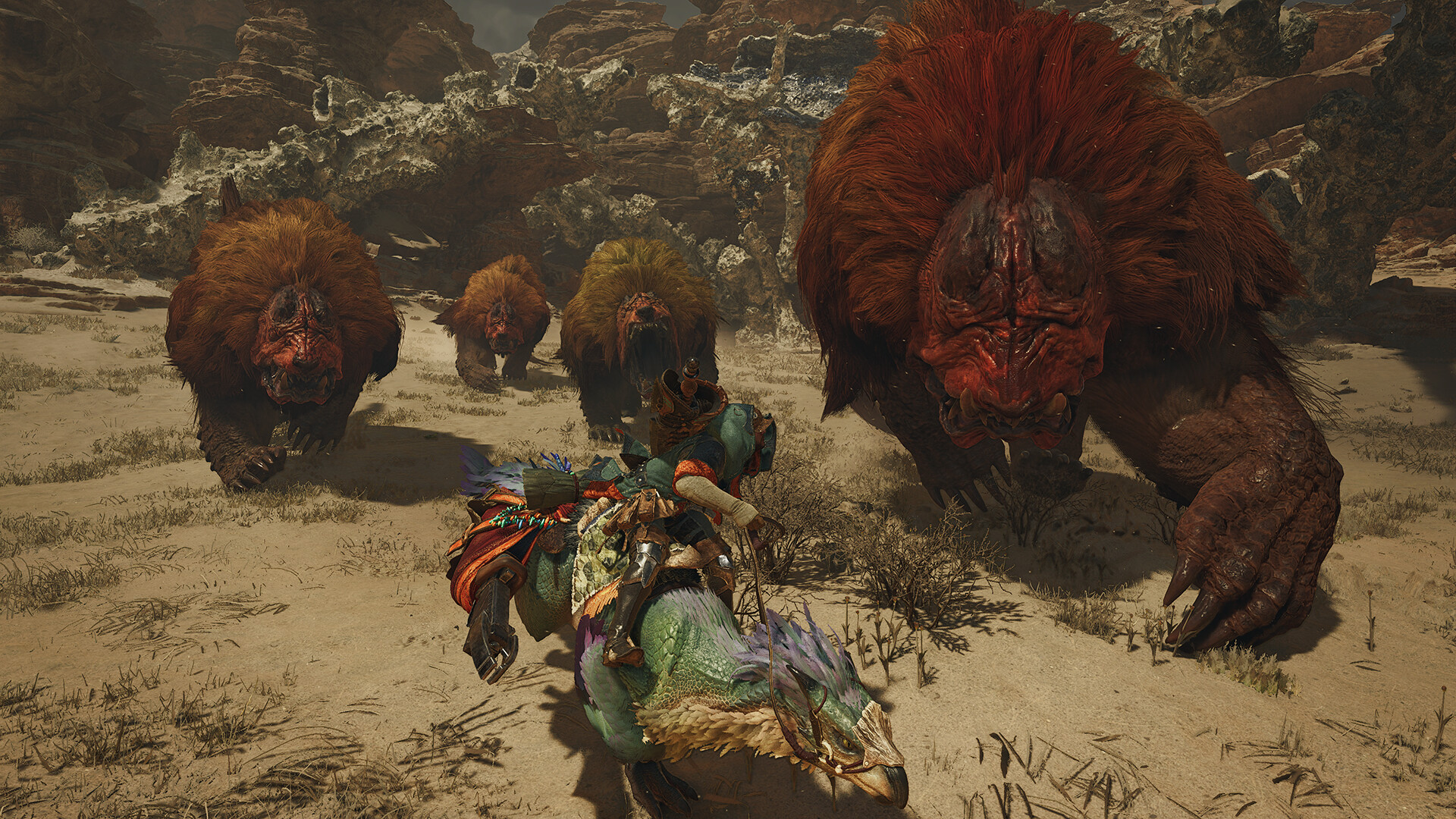
For new players, the reason Attack Boost gets so much attention is simple: raw damage is easy to understand. You see a bigger number, and that feels like progress. But Monster Hunter systems reward total hunt efficiency, not just attack stat inflation. If you are missing head windows on a monster like Doshaguma, getting knocked out of Spirit combo rhythm on Long Sword, or spending half a fight recovering from poor positioning against a fast target such as Lala Barina, then more attack only solves part of the problem.
A better beginner mindset is this: use Monster Hunter Wilds Attack Boost when you want smoother quest clear times, but never at the expense of health, stamina, sharpness, or weapon-specific uptime. A Great Sword user who charges on a predictable opening gets more value from Attack Boost than a Hammer player who cannot stay on target. A Bow user benefits only if coatings, stamina control, and aim are already stable. A Dual Blades player needs enough comfort to keep Demon Mode pressure active; otherwise, the skill is just a small bonus on a messy fight.
When Attack Boost is worth prioritizing
- You are landing most of your attacks on weak points like the head, forelegs, or tail tips.
- Your weapon has decent sharpness management or low downtime.
- You want a universal damage skill that works on almost any loadout.
- You are still learning a weapon and do not yet want to commit to niche damage synergies.
When it is not the best first pick
- You are constantly healing, getting stunned, or failing to finish combos.
- Your gear is underupgraded and defense is causing carts.
- Your weapon needs comfort skills more urgently, such as stamina support or sharpness control.
- You are fighting a monster whose openings are still not familiar enough to exploit.
Monster Hunter Wilds Attack Boost is therefore best understood as a flexible anchor in early build planning, not the whole build. If you use it alongside sensible defensive choices, you get a cleaner beginner experience and better hunt flow.
First-Hour Checklist for New Hunters
Your first hour should focus on unlocking systems, stabilizing your weapon choice, and collecting enough resources to stop feeling gear-starved. The biggest mistake beginners make is grinding too early before they have a usable loop. In Monster Hunter Wilds, your first hour is about setting up the rest of the game, not maxing anything out.
1. Finish the opening flow and talk to every relevant NPC
You should push through the early story prompts, basic cutscenes, and mandatory tutorials until the game opens its core hub routines. Prioritize any NPC who gives you access to crafting, weapon management, item loadouts, or field support. Do not skip dialogue just because it looks optional; in Monster Hunter, many systems are introduced once and then assumed to be understood.
Examples of what to look for:
- Your smithy or equipment craft menu.
- Item box access for organizing potions, rations, and trap materials.
- Quest board or mission selector.
- Palico or companion-related setup options, if available in the current progression step.
2. Pick one weapon and stay with it
You should commit to one weapon for the first hour instead of cycling through five of them. Monster Hunter skill expression comes from repetition, and new players improve faster by learning one moveset deeply. If you are unsure, start with a weapon that gives clear punish windows and readable reach, such as Sword and Shield, Great Sword, Hammer, or Long Sword depending on your comfort.
A good first-hour weapon decision looks like this:
- Great Sword if you like simple, big punish windows.
- Sword and Shield if you want safety and item flexibility.
- Hammer if you like head pressure and KO potential.
- Long Sword if you want smoother flow and counter learning.
3. Upgrade your starter gear only enough to survive
You do not need perfect armor immediately. You need enough defense to stop random chip damage from becoming carts. If the early game gives you upgrade materials, spend them on survivability and basic consistency before chasing damage-only pieces. This is where beginner Attack Boost planning fits naturally: take the damage if it comes cheaply, but do not ignore your armor rating just to chase it.
4. Buy and stock basic consumables
Your item box should not be empty after the first few hunts. Build a starter kit with healing and utility items so you can recover from mistakes and keep learning monsters instead of retreating constantly.
Use this simple starting checklist:
- Potions and First-Aid-type healing items
- Antidotes or poison cure equivalents
- Rations or stamina recovery items
- Whetstones or sharpening support if your weapon needs them
- Trap tools if your early quests allow capture play
5. Learn one monster by observation, not by rushing DPS
The first hour is the best time to build monster-reading habits. Pick one early target and spend time watching tells before trying to optimize damage. Doshaguma-style heavy swipes, agile insect-like threat patterns such as Lala Barina, and larger apex-style pacing all teach different fundamentals: spacing, commitment, and recovery punishment.
Your goal is to identify:
- Safe openings after big attacks.
- Which hit zones are easiest to reach.
- When the monster is leaving itself exposed.
- Which moves force you to reposition instead of greed.
6. Capture or carve with intent
If the game’s early quests let you choose between slaying and capturing, do not treat the decision as random. Capturing often saves time and may reduce risk when you are still learning. Slaying may be better when you need specific materials or want a clean practice loop on the monster’s full behavior set. The right choice depends on what you need next, not on habit.
If you finish the first hour having chosen a weapon, stabilized your healing, and unlocked your first meaningful equipment loop, you are on track. That is the real beginner win condition.
You might also like
- Monster Hunter Wilds Beginner Guide
- Monster Hunter Wilds Beginner Guide
- Monster Hunter Wilds Beginner Guide: Getting Started Fast
- Monster Hunter Wilds Pick Your Poison 7/22 8/12 Beginner Guide
- Monster Hunter Wilds Beginner Guide: Getting Started Fast
Resource Priority Order: What to Spend, Hoard, and Craft First
Your resource priority should favor stability, then learning, then damage optimization. The temptation in early Monster Hunter is to spend everything immediately, but efficient hunters hoard the right things and spend the wrong things only when they noticeably improve hunt success.
| Priority | Spend on | Hoard | Why it matters early |
|---|---|---|---|
| 1 | Healing and survival consumables | Rare crafting drops | Prevents carts and keeps hunts stable |
| 2 | Weapon upgrades for your main weapon | Weapon trees you are not using | Your main damage source should scale first |
| 3 | Armor upgrades that improve comfort | Fashion-only or side-set crafting | Early defense boosts consistency more than style |
| 4 | Utility items like traps, bombs, whetstones, coatings | Unused specialty materials | Improves hunt control and capture options |
| 5 | Damage skills like Monster Hunter Wilds Attack Boost | Overflow currency and spare mats | Best once you can already survive and connect hits |
Craft first: the basics that prevent downtime
Your first crafting priority should be items that stop hunt interruption. Potions, stamina recovery, sharpening support, and status cures are more important than niche damage boosters because they keep you actively fighting. A beginner who can heal fast and stay in combat usually gains more value than a beginner who carries a slightly higher attack stat but spends time running back to camp.
Hoard early: rare monster materials and upgrade branches
Do not burn unique monster parts on every shiny early option. Many beginner mistakes come from converting rare drops into gear that gets replaced too soon. If you have a choice between creating a side weapon you may never use and upgrading the weapon you already understand, choose the main weapon. The same applies to armor: keep rare pieces until you know which skills match your playstyle.
Spend early: on your comfort, not your ego
A lot of players want to force damage skills like Monster Hunter Wilds Attack Boost into every slot because it looks efficient on paper. Early on, that is often a trap. A defensive or utility skill that lets you survive two extra hits can be worth more than a small raw damage increase, especially while you are still learning invulnerability timing, animation commitment, and monster pacing.
Craft with a plan, not with excitement
Before you craft anything, ask:
- Does this improve my main weapon?
- Does this reduce hunt failure?
- Does this help on multiple monsters?
- Will I still use it in several quests from now?
If the answer is no, wait. The early game rewards patience more than novelty collecting.
Common Mistakes New Players Make and How to Fix Them
New players usually fail in predictable ways, and each mistake has a practical fix. The good news is that most early losses are not caused by bad reflexes; they come from poor resource use, overaggressive play, or misunderstanding how Monster Hunter rewards consistency.
1. Chasing damage before learning monster openings
Players often stack raw damage or tunnel on Monster Hunter Wilds Attack Boost because it sounds like the fastest route to stronger hunts. They do this because damage numbers are visible and satisfying.
- Fix: Spend your first sessions learning one monster’s punish windows. Fight for the head or tail only after you know where the safe pause is after a roar, lunge, or recovery animation.
2. Changing weapons every quest
Beginners switch weapons because every moveset looks fun, but this prevents real mastery.
- Fix: Pick one main weapon for at least several hunts. If you want variety, keep one backup weapon later, not immediately. Use the same monster against both weapons only after you know one well.
3. Ignoring sharpness, ammo, coatings, or stamina management
Players often see only attack power and forget that actual DPS depends on execution and upkeep.
- Fix: Build habits around weapon maintenance. Sharpen before reaching low sharpness, conserve stamina on weapons that need it, and keep coatings or ammo loadouts ready before leaving camp.
4. Spending rare materials on temporary gear
A classic early-game problem is making every new armor piece the moment it becomes available.
- Fix: Upgrade the gear you will keep using. If a piece only gives a small improvement but costs a rare drop, compare it to the next likely set instead of crafting on impulse.
5. Healing too late
New players often wait until they are nearly dead, then panic-heal and get clipped.
- Fix: Heal after a monster commits to a long animation or after you create distance. Learn to use small safe windows instead of gambling on a late heal.
6. Standing in front of every monster
Beginners assume front-facing damage is the easiest because the camera sees the target clearly.
- Fix: Move to the side of the head, back leg, or tail depending on your weapon. Against heavy hitters, lateral positioning often gives you better survival and better hit access.
7. Treating capture and kill as interchangeable
Some players finish every hunt one way because they never check whether the quest goal or material need changes the best option.
- Fix: Capture when you want a faster, safer finish and slay when you need specific rewards or want more practice on the full encounter.
These mistakes are common because the game is built around learning by failure. Fixing them early gives you a much smoother climb than any single damage skill ever will.
Pro Tips for Faster Early Progress
Advanced beginner play is mostly about reducing wasted time. Once you stop making obvious mistakes, the next layer is building small efficiencies that keep you in control. These tips are not flashy, but they produce cleaner hunts and better resource conversion.
Tip 1. Use your first big opening for setup, not greed
When a monster gives you a long recovery animation, use it to refresh sharpness, apply a buff, or reposition rather than always going for the biggest combo. That is especially useful on slower weapons like Great Sword or Hammer, where one bad overcommit can erase the entire opening.
Tip 2. Learn one punish per monster before learning the whole kit
Instead of memorizing everything at once, identify one reliable punish on each enemy. For example, learn the post-charge window on a bulky brute-type target, the recovery after a leap on a fast insectoid threat, and the tail-turn punish on a large turning monster. One solid punish is enough to build confidence.
Tip 3. Keep a “safe damage” plan and a “greedy damage” plan
A safe plan is what you use when you are learning, and a greedy plan is what you use after the monster is exhausted, trapped, or clearly locked in recovery. Beginners often try to use the greedy plan all the time. Swap between the two based on monster behavior and stamina state.
Tip 4. Treat item use as part of your combo
Do not think of healing and buffing as downtime. In Monster Hunter, drinking a potion after a dodge, sharpening after a knockback, or placing a trap at the edge of a retreat path is all part of your combat rhythm. The less you break your own flow, the more damage you actually deal.
Tip 5. Build around what you hit, not what looks good on paper
If you consistently strike legs, forearms, or tails, choose skills and armor that support that play pattern. If you always land head hits with a blunt weapon, build around that. Monster Hunter Wilds Attack Boost is useful, but your real power comes from matching build choices to actual combat behavior.
Tip 6. Use the hunt’s momentum to decide your next upgrade
After each successful quest, ask whether you lost because of damage, survivability, or execution. If damage was the issue, lean slightly more into offense. If you carted, take comfort first. If you ran out of healing or traps, prioritize resource supply. That feedback loop is how good beginners become consistent hunters.
Graduation Threshold: When You Are No Longer a Beginner
You are out of the beginner phase when you can clear standard hunts consistently without depending on panic healing, random gear swaps, or trial-and-error on every monster. The shift is less about HR, gear score, or a specific milestone and more about whether your decisions are stable under pressure.
A good graduation checklist looks like this:
- You can identify a monster’s safest punish window without looking it up mid-hunt.
- You know when to heal, sharpen, or reposition without losing control of the fight.
- Your main weapon choice feels natural enough that you are not thinking about every input.
- You have a basic armor plan, not a pile of unrelated gear pieces.
- You understand when Monster Hunter Wilds Attack Boost is a helpful add-on versus when survival or utility would be better.
- You can complete hunts without relying on carts as a learning tool every time.
For most players, the moment you stop asking “what does this move do?” and start asking “how do I punish this move better?” is the real breakpoint. That means you have moved from survival mode into optimization mode.
Signs you are ready for the next phase
- You are upgrading for specific matchups instead of general confusion.
- You are choosing between damage and comfort based on the monster, not on habit.
- You can return to camp with a purpose instead of because everything went wrong.
- You have at least one weapon you can play confidently across multiple monster types.
What to do after graduating
Once you are past the beginner stage, start exploring more specialized builds, weapon matchup knowledge, and monster-specific strategy. This is the point where your attention shifts from “How do I survive?” to “How do I improve clear time, damage uptime, or comfort for this encounter?”
If you want to keep growing, move into a structured build guide like related guide, a weapon-specific progression path like monster hunter wilds shining, or a quest flow breakdown such as related guide.
Related Guides
- Monster Hunter Wilds Early Game Tier List
- Monster Hunter Wilds Best Beginner Weapons
- Monster Hunter Wilds Armor Progression Guide
- Monster Hunter Wilds Weapon Combos Guide
- Monster Hunter Wilds Story Walkthrough
- Monster Hunter Wilds Farming Guide
- Monster Hunter Wilds Capture vs Kill Guide
Sources
- https://en.wikipedia.org/wiki/Monster_Hunter_Wilds
- https://en.wikipedia.org/wiki/Monster_Hunter_Wilds
See also
- Monster Hunter Wilds No More Mister Ice Guy 8/19 8/26 Beginner Guide
- Monster Hunter Wilds Beginner Guide: Where to Focus First
- Monster Hunter Wilds Beginner Guide
- Monster Hunter Wilds Hungry for Ore 8/26 9/9 Beginner Guide
- Monster Hunter Wilds Daughters of Carabosse 4/22 5/6 Beginner Guide
- Monster Hunter Wilds Beginner Guide: What to Do First
- Monster Hunter Wilds Anguish and Atrocity 4/3 4/8 Beginner Guide
- Monster Hunter Wilds Beginner Guide
- Monster Hunter Wilds Beginner Guide
- Monster Hunter Wilds Beginner Guide: Getting Started Fast
Screenshots

Reviewed by
MH Wilds Guides Editorial
Expertise: Editorial team behind MH Wilds Guides. Content is compiled from official patch notes, community wikis, and playthrough notes, then reviewed and updated on schedule.
Sources
Monster Hunter Wilds Monsters Guides →
Browse the complete monsters collection and its focused guides.
Related Guides


🔥 Popular Guides
Monster Hunter Wilds Good Beginner Weapons: Complete Beginner Guide
Best starter weapons, first-hour checklist, common mistakes, and beginner progression tips for Monster Hunter Wilds.
Monster Hunter Wilds patch notes 2026-09-04: Patch Notes Explained
Explained update notes, verified fixes, content changes, and what hunters should do next in Monster Hunter Wilds.
monster hunter wilds weapons for beginners: Beginner Guide
Learn the best starter weapons, first-hour priorities, common mistakes, and when you have outgrown beginner play in Monster Hunter Wilds.
Monster Hunter Wilds mh wilds balance patch notes Explained
Patch-by-patch Monster Hunter Wilds balance changes, winners, losers, and what players should do after Version 1.030.01.00.
📋 Patch Notes & Updates
🛠️ Popular Tools
Was this guide helpful?
Rate this guide so we can improve it.
Share your own tip
Found something not in the guide? Submit it below — our editors review every tip before publishing. No account required.