 Monster Hunter Wilds
Monster Hunter Wilds Master's Touch Beginner Guide
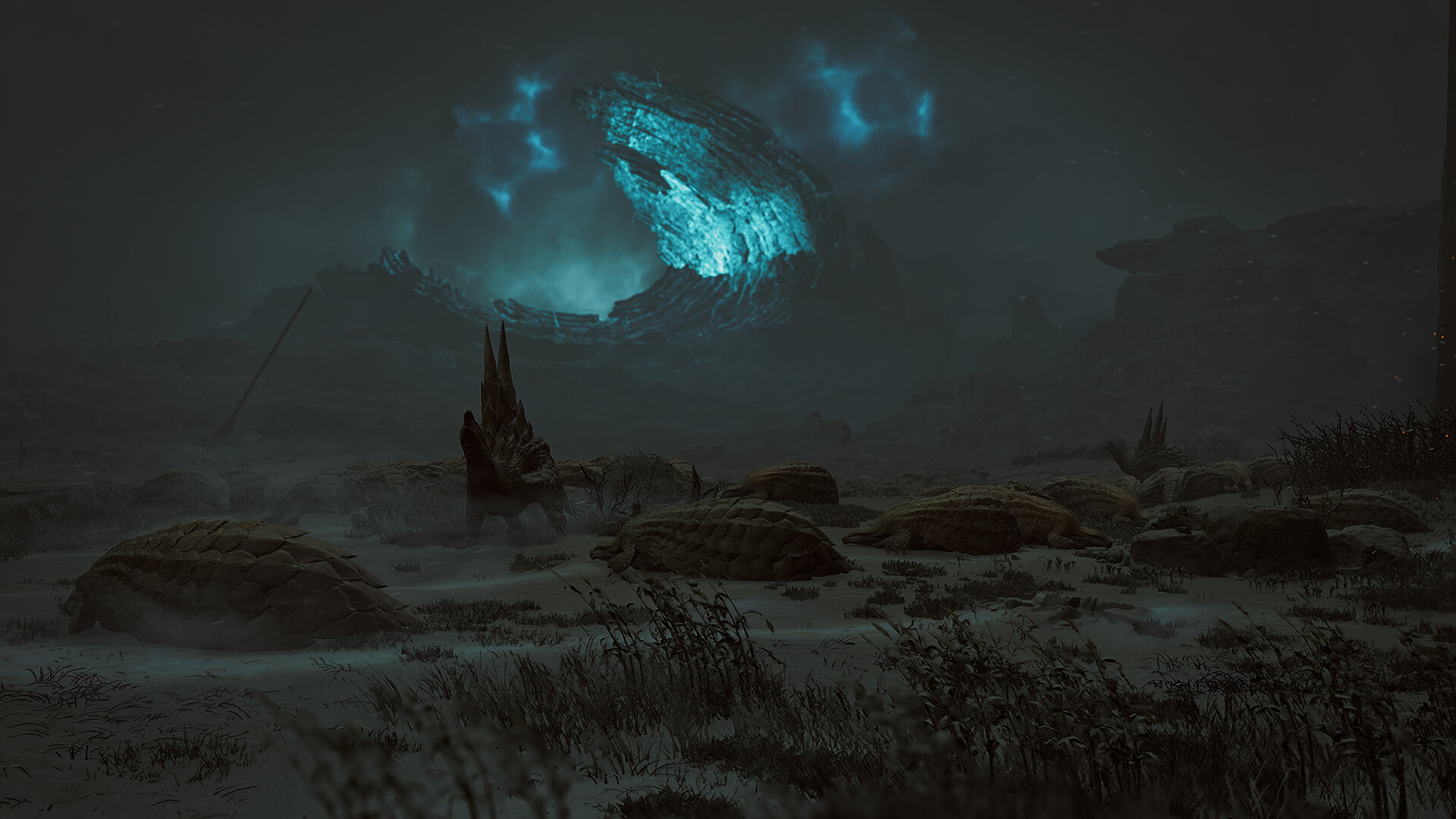
Quick Answer: Monster Hunter Wilds Master's Touch is a sharpness-management armor skill that rewards frequent critical hits, and beginners should treat it as a midgame-to-lategame efficiency tool rather than something to force immediately.
Monster Hunter Wilds is a 2025 action role-playing game developed and published by Capcom Source, and that matters for this topic because the series still follows the same core build logic: survivability and consistency come first, then you layer in damage efficiency like Master's Touch once your gear foundation is stable. Since Wilds launched worldwide on February 28, 2025 with cross-platform play on PlayStation 5, Windows, and Xbox Series X/S Source, a lot of new hunters are entering the same learning curve at once, and Master's Touch is one of the most commonly misunderstood progression targets.
For a true beginner, the important thing is not memorizing one armor skill name. The important thing is understanding what that skill actually solves. Master's Touch is traditionally valuable because it reduces sharpness loss when your build lands enough critical hits. That means it shines on weapons and setups that attack often, stay on weak points, and can maintain affinity reliably. If you are still missing openings, bouncing on bad hitzones, or forgetting to sharpen between phases, the skill can look stronger on paper than it feels in actual hunts.
This guide is built around that beginner reality. Instead of treating Monster Hunter Wilds Master's Touch as a one-skill shortcut, we will frame it inside early progression: what to do in your first hour, what to craft first, what to stop wasting, when to start chasing affinity-based skills, and how to tell when you are ready to move from “learning hunts” into “building sets.”
What Monster Hunter Wilds Master's Touch Actually Does for Beginners
Monster Hunter Wilds Master's Touch matters because it helps preserve weapon sharpness during critical hits, but beginners should view it as a payoff skill, not a starter crutch. In practical play, sharpness affects damage consistency, hitstop feel, and whether your attacks cleanly connect against tougher body parts. If your sharpness falls too fast, your hunt tempo slows down because you either lose damage or spend more time sharpening. Master's Touch is attractive because it can reduce that friction, but only when your build and execution support it.
For most new players, the trap is assuming any famous meta skill is automatically best-in-slot from minute one. That is rarely how Monster Hunter progression works. Early on, your account power is limited by basic materials, low-rank armor access, and how cleanly you can read monster patterns. A comfort skill that keeps you alive through mistakes often produces faster clears than a damage skill you cannot activate efficiently.
Here is how to think about Master's Touch in beginner terms:
- It is strongest when you land frequent critical hits instead of random body shots.
- It is better on weapons that chew through sharpness quickly or attack often enough to feel the value over a full hunt.
- It becomes more appealing once you can consistently maintain affinity through gear, weapon traits, or repeatable weak-point pressure.
- It loses value if you spend most of the fight healing, whiffing, disengaging, or hitting armored zones that already disrupt your damage loop.
A simple way to evaluate the skill is to ask whether it is solving your real problem. If your issue is “I faint too much against aggressive targets,” prioritize defense, health management, and positioning. If your issue is “I reach blue or green sharpness too fast and my weapon feels terrible by the second area transition,” then a sharpness skill starts making more sense. If your issue is “I do not crit often enough for this to matter,” then affinity support should come before forcing Master's Touch.
Three real hunt scenarios show the difference clearly:
- A Long Sword player landing clean spirit combos on accessible weak zones gets much more practical value from preserved sharpness than a new Great Sword player still learning charge timing.
- A Dual Blades user who stays in melee range and attacks continuously can feel sharpness pressure much faster than a Hammer user fishing for safer, heavier openings.
- A Sword and Shield beginner using items mid-combat and sticking to monster forelegs or head weak points may get good uptime, but only if their affinity support is already functional.
The headline is simple: Monster Hunter Wilds Master's Touch is good when the rest of your build and play already point toward clean crit uptime. Before that, it is a future milestone, not an immediate obligation.
First-Hour Checklist for a Strong Start
Your first hour should focus on system setup, item stocking, weapon commitment, and basic hunt discipline rather than chasing an endgame-style Master's Touch setup. Monster Hunter games frontload a lot of information, and new players fall behind when they treat the opening as pure story progression instead of an account-building phase.
Use this checklist in your opening session:
- Pick one main weapon and one backup weapon. Commit to one primary weapon for at least several hunts so you learn spacing, combo exits, and recovery windows. Good beginner examples are Sword and Shield for flexibility, Hammer for readable punish windows, and Long Sword for strong flow once you understand timing.
- Run the training or low-risk practice content before serious farming. Test your bread-and-butter attacks, dodge timing, guarding if your weapon has it, and how long sharpening takes during neutral. You want muscle memory before a large monster starts forcing panic inputs.
- Collect everything in your path. Early herbs, ore, bonepiles, and insects are never wasted. Even if the immediate craft result looks minor, these materials usually feed potions, traps, ammo paths, armor pieces, or future upgrade trees.
- Build a habit loop for healing and sharpening. After every safe knockdown, area change, or disengage, check health, whetstone use, and item count. This single discipline prevents a huge amount of beginner downtime.
- Learn your weapon’s safest reliable combo. Do not optimize for maximum stylish damage immediately. Optimize for the string you can land consistently after a roar recovery, short topple, or side-step punish.
- Craft core consumables early. Prioritize standard healing items, status recovery if available, and hunt utility items over niche crafting experiments.
- Eat or prepare before each hunt if the game systems allow it. New players lose free value by entering hunts unbuffed. Even modest food or prep bonuses can stabilize early clears.
- Check armor skills on every new piece instead of only looking at defense. This is where your future Master's Touch path starts. You are not forcing the skill yet, but you should begin learning how gear pieces contribute to a build identity.
- Upgrade your current weapon before branching sideways. One relevant upgrade on your main weapon usually does more for real hunt performance than spreading materials across three half-finished trees.
- Watch the monster for one minute before hard committing. Early hunts teach positioning. Circle the target, identify the head and foreleg danger zones, see how long its recovery is after lunges or roars, then commit to punishes.
The first hour is also the right time to set expectations. Monster Hunter Wilds, released on February 28, 2025 with cross-platform play Source, is bringing in players from multiple ecosystems, so a lot of advice online will skew toward efficient multiplayer clears. That is useful later, but in your first hour solo fundamentals matter more. A player who understands sharpening windows, weak-point discipline, and safe healing will transition into a Master's Touch build much more smoothly than a player who simply copied a gear wishlist.
If you want a clean progression mindset, think in layers: first survive, then maintain uptime, then improve sharpness management, then optimize crit-based efficiency. That sequence keeps your early game stable and stops you from overinvesting in a single skill before your account is ready.
You might also like
- Monster Hunter Wilds Beginner Guide: Getting Started Fast
- Monster Hunter Wilds Beginner Guide
- Monster Hunter Wilds No More Mister Ice Guy 8/19 8/26 Beginner Guide
- Monster Hunter Wilds Beginner Guide: Where to Focus First
- Monster Hunter Wilds Pick Your Poison 7/22 8/12 Beginner Guide
Resource Priority Order: What to Spend, Hoard, and Craft First
Your best early resource priority is to spend on core weapon upgrades and consumables, hoard flexible monster materials and upgrade currencies, and craft only the items that directly improve hunt uptime. Beginners often get stuck because they treat every new material as equally disposable. In practice, some resources are immediate power, while others are account equity you want to preserve until your gear direction is clearer.
The easiest way to understand this is by category.
| Priority | Spend Early | Hoard Early | Craft First |
|---|---|---|---|
| Highest | Main weapon upgrades | Rare monster parts | Healing items |
| High | Basic armor upgrades on keeper pieces | Upgrade currencies and tickets | Whetstone-adjacent utility if needed |
| Medium | One or two armor pieces with useful comfort skills | Multi-weapon branching materials | Traps and capture support |
| Low | Sidegrade weapon experiments | Niche elemental parts until you need them | Situational status cures beyond current hunt needs |
Here is the practical order to follow:
- First priority: your main weapon path Your weapon defines hunt speed more than scattered armor experimentation. If you are using Long Sword, Hammer, or Dual Blades, a timely upgrade improves every opening you already know. If you split those materials across several trees, all of them stay mediocre.
- Second priority: consumables you use every hunt Potions, healing upgrades, whetstone access, and standard prep items create real consistency. A player who enters every hunt fully stocked clears more content than a player wearing slightly better armor but constantly underprepared.
- Third priority: armor pieces with broad value Early comfort skills are usually more reliable than niche offensive stacking. Look for pieces that help survivability, stamina management, evasion feel, or general uptime. These are the pieces you can wear while your future Master's Touch route is still incomplete.
- Fourth priority: flexible materials Rare drops, limited currencies, or multi-use crafting parts should be saved until you know whether your weapon tree wants raw, elemental, or affinity-oriented progression. This is especially important if you think you may transition into a crit-focused set later.
- Fifth priority: side projects Testing multiple weapons is healthy, but only after your primary hunt tool is stable. A beginner Great Sword, Charge Blade, and Insect Glaive collection built all at once usually means no weapon is sharp enough, strong enough, or familiar enough.
Examples make this clearer:
- If your Sword and Shield can take a direct upgrade now, that is usually higher value than crafting a speculative elemental branch you may not use for several hunts.
- If you have enough materials for either two mediocre armor swaps or one weapon upgrade plus potion restock, the weapon plus consumables is usually the better choice.
- If you unlock a piece with attractive offensive text but poor practical synergy with your current play, it is often better to bank the materials and wait for an affinity-supportive upgrade that actually pairs with Monster Hunter Wilds Master's Touch later.
The biggest resource mistake around Master's Touch is overcommitting too early. Because the skill is tied to sharpness efficiency, new players sometimes dump premium materials into half-finished affinity concepts before they can maintain pressure on monsters. A better route is to build a stable generic set, identify whether your weapon really needs heavy sharpness support, and then transition once hunts are clean enough for crit uptime to matter.
When to Start Building Around Master's Touch
You should start building around Monster Hunter Wilds Master's Touch when your hunts are stable, your sharpness loss is a recurring problem, and you can support the skill with reliable affinity or weak-point uptime. That usually happens after the true beginner phase, not during your earliest gear steps.
A lot of players ask the wrong question here. They ask, “Is Master's Touch strong?” The better question is, “Am I already playing in a way that unlocks its value?” The answer depends on three things:
- Weapon behavior Fast-hitting or sharpness-hungry weapons tend to benefit earlier. Dual Blades, Long Sword, and Sword and Shield are classic examples of weapons that can feel sharpness pressure quickly during extended uptime. By contrast, a newer Hammer or Great Sword player may get more mileage from positioning and survivability first.
- Affinity support Master's Touch traditionally scales with crit consistency, so it becomes meaningfully better when your build has enough affinity sources to activate it often. If your current gear rarely crits, then the skill is not solving enough of your hunt.
- Targeting discipline The skill feels much better when you can stay on favorable hitzones. A player who regularly clips tails, armored limbs, or poor body zones may not see enough value compared with simply sharpening at safe intervals.
Use these signs as a graduation point into a first real Master's Touch setup:
- You can finish routine hunts without carting unless the matchup is genuinely new.
- You know when to disengage and sharpen instead of panic-healing in melee.
- Your weapon frequently drops sharpness during successful hunts, not because of mistakes, but because your uptime is improving.
- You already recognize which monster parts are safe and efficient to hit.
- You are comparing armor skills for synergy rather than equipping random defense upgrades.
Here are three useful examples:
- A Long Sword player consistently reaching spirit loop pressure on head or foreleg windows is a good candidate because hunt uptime is already there.
- A Dual Blades player who stays aggressive but keeps bleeding sharpness between knockdowns may gain obvious value from this transition.
- A Sword and Shield player who has learned item use, short punish strings, and weak-point routing can start mixing comfort and crit support more confidently.
This is also the point where build identity matters. If your future path is raw-damage uptime, Master's Touch can be one of the glue skills that keeps your weapon effective over an entire encounter. If your path is elemental specialization, you may need to evaluate whether element support, stamina management, or other offensive skills are more urgent first. If your path is comfort-heavy solo progression, the skill may be excellent later but not mandatory now.
Treat Monster Hunter Wilds Master's Touch as a conversion skill. It converts already-good play into better efficiency. It does not replace the fundamentals that create that good play in the first place.
Common Mistakes
The biggest beginner mistakes around Monster Hunter Wilds Master's Touch come from rushing meta ideas before learning hunt fundamentals. These errors are common because the skill has a strong reputation, and new players often hear about “best builds” before they understand how those builds function in live hunts.
Mistake 1: Forcing Master's Touch before you have reliable affinity Why players fall into it: They hear the skill is strong and assume it is universally strong on any set. Fix: Build crit support and weak-point discipline first. If your hits are not critting often, use broader-value armor pieces until your setup can actually sustain the skill.
Mistake 2: Prioritizing defense numbers only Why players fall into it: Defense is visible and easy to compare, while skills are less intuitive early on. Fix: Read every armor skill line. A slightly lower-defense piece with useful comfort or offensive synergy can outperform a raw defense upgrade in actual hunt flow.
Mistake 3: Crafting too many weapon trees at once Why players fall into it: Every new branch looks exciting, and beginners want to “cover all matchups.” Fix: Finish one main weapon path first. Use Long Sword, Hammer, or Sword and Shield as your stable core before branching into a second weapon.
Mistake 4: Sharpening only when the weapon feels terrible Why players fall into it: They tunnel on damage windows and forget maintenance until bounce or damage loss becomes obvious. Fix: Sharpen during known downtime: after area transitions, long knockdowns, trap windows, or when the monster retargets in multiplayer.
Mistake 5: Hitting any body part instead of chasing consistent weak zones Why players fall into it: Staying alive feels safer than contesting head or foreleg space. Fix: Learn one or two reliable target zones per monster. Even partial weak-point discipline makes crit-based skills much more consistent.
Mistake 6: Spending rare materials on speculative armor pieces Why players fall into it: A single skill name looks tempting in the crafting menu. Fix: Hold rare parts until you know whether the full piece supports your weapon plan. One isolated skill often does less than a coherent partial set.
Mistake 7: Ignoring comfort because “meta means full damage” Why players fall into it: Endgame build discussions often assume high execution and matchup knowledge. Fix: Keep survivability and uptime skills if they reduce carts and panic healing. A living hunter with stable pressure outdamages a theoretical glass-cannon beginner.
Mistake 8: Treating every hunt like a speedrun Why players fall into it: Social content tends to showcase clean, aggressive clears. Fix: Slow the pace against new monsters. Spend the first minute reading movement, recovery, and roar timing before taking larger punish windows.
The common thread is simple: Master's Touch is an efficiency multiplier, and multipliers only matter when the base game is already functioning. Clean inputs, part targeting, and material discipline are what make the skill worth chasing.
Pro Tips
The best pro tips for Monster Hunter Wilds Master's Touch are about increasing real hunt uptime so the skill pays out over a full encounter. These are not flashy endgame tricks; they are high-value habits that start mattering as soon as you move beyond raw beginner play.
Tip 1. Build around your most repeatable opening
If your Long Sword only reliably lands spirit pressure after roars and trip windows, design your set for that pattern instead of an idealized combo loop. A smaller but consistent crit window gets more value from sharpness preservation than a larger combo you almost never finish.
Tip 2. Use sharpening as route planning, not emergency recovery
The best sharpening windows are usually predictable. Area transitions, mounts, traps, long knockdowns, and ally aggro swaps in multiplayer all create safe maintenance time. When you plan around those windows, Master's Touch becomes a bonus layer instead of your only answer to sharpness loss.
Tip 3. Learn two target zones per monster, not one
Some monsters expose head weak points inconsistently. If you only chase the best theoretical hitzone, your uptime drops. Practice a primary and secondary target, such as head plus forelegs or head plus tail base, so your affinity and damage stay stable when the monster’s posture changes.
Tip 4. Comfort skills can increase effective Master's Touch value
This sounds backwards, but it is true in live hunts. Better stamina feel on Dual Blades, cleaner evasion on Sword and Shield, or safer recovery on Long Sword often means more uninterrupted pressure. More pressure means more crit opportunities, which makes sharpness-saving effects more relevant.
Tip 5. Review why you lost sharpness, not just how much
If you are losing sharpness because you stayed aggressive on weak points, that is healthy pressure and a good candidate for Master's Touch support. If you are losing it because you hit armored parts or missed spacing repeatedly, the skill will not fix the underlying issue.
Tip 6. Multiplayer changes skill feel
Because Monster Hunter Wilds supports cross-platform play across PlayStation 5, Windows, and Xbox Series X/S from its February 28, 2025 release Source, many beginners will spend a lot of time in co-op. In multiplayer, monster targeting becomes less stable, which can either help or hurt Master's Touch. You may get longer free strings when the monster is facing someone else, but you may also lose clean weak-point access more often. Adjust your expectations accordingly.
Tip 7. Upgrade rhythm matters more than perfect gear names
A timely weapon upgrade plus a decent mixed set often outperforms an underdeveloped “future Master's Touch” concept. Whenever your current hunts start dragging, check whether your issue is actually stale weapon progression before assuming you need a specific signature skill.
How to Know You Are Out of the Beginner Phase
You are out of the beginner phase when your hunt decisions are intentional, your resource spending has a clear direction, and Monster Hunter Wilds Master's Touch starts looking like a logical optimization instead of a mysterious buzzword. Graduation in Monster Hunter is not about a specific hour count. It is about whether the core loop has become readable.
Here are the clearest signs:
- You know your weapon’s safe punish strings without checking move lists.
- You can identify at least one weak-point plan on sight for most routine targets.
- You restock and prep automatically before a hunt.
- You sharpen proactively instead of waiting for obvious damage loss.
- You can look at an armor piece and immediately tell whether it helps your actual playstyle.
- You finish familiar hunts with few panic heals and fewer wasted openings.
- You are saving rare materials for planned upgrades instead of impulse crafts.
This progression is visible across weapon types. A beginner Hammer player becomes intermediate when they stop fishing randomly for head hits and start reading stun windows with purpose. A Sword and Shield player graduates when item use, short combo confirms, and repositioning feel seamless. A Long Sword player moves out of beginner territory when they can maintain pressure without overcommitting into every counter opportunity.
The same principle applies to build planning. Early on, players ask, “What armor is strongest?” After graduation, they ask, “What does my current hunt pattern need?” That is the real shift. Once you start framing gear in terms of uptime, affinity, sharpness stability, survivability, or matchup comfort, you are doing actual Monster Hunter buildcraft.
This is also the point where internal specialization becomes worthwhile. You can now look at monster hunter three tips paths for early affinity sets, related guide progression weapon trees, or related guide monster-specific walkthroughs and get real value from them because you have the baseline to apply that information.
A good self-test is simple: if you can explain why Master's Touch is good for one of your weapons and unnecessary for another, you are no longer a true beginner. You are in the phase where optimization decisions matter, and that is where Monster Hunter gets especially rewarding.
Related Guides
These are the next guides that make the most sense once you understand the basics of Monster Hunter Wilds Master's Touch and early progression:
Sources
- https://en.wikipedia.org/wiki/Monster_Hunter_Wilds
- https://en.wikipedia.org/wiki/Monster_Hunter_Wilds
See also
- Monster Hunter Wilds Beginner Guide
- Monster Hunter Wilds Beginner Guide: Getting Started Fast
- Monster Hunter Wilds Beginner Guide: What to Do First
- Monster Hunter Wilds Hungry for Ore 8/26 9/9 Beginner Guide
- Monster Hunter Wilds Beginner Guide
- Monster Hunter Wilds Daughters of Carabosse 4/22 5/6 Beginner Guide
- Monster Hunter Wilds Beginner Guide
- Monster Hunter Wilds Beginner Guide: Getting Started Fast
- Monster Hunter Wilds Beginner Guide
- Monster Hunter Wilds Beginner Guide: The Shining Storm Rages 5/6 5/20
Screenshots


Reviewed by
MH Wilds Guides Editorial
Expertise: Editorial team behind MH Wilds Guides. Content is compiled from official patch notes, community wikis, and playthrough notes, then reviewed and updated on schedule.
Sources
Monster Hunter Wilds Monsters Guides →
Browse the complete monsters collection and its focused guides.
Related Guides

🔥 Popular Guides
Monster Hunter Wilds Good Beginner Weapons: Complete Beginner Guide
Best starter weapons, first-hour checklist, common mistakes, and beginner progression tips for Monster Hunter Wilds.
Monster Hunter Wilds patch notes 2026-09-04: Patch Notes Explained
Explained update notes, verified fixes, content changes, and what hunters should do next in Monster Hunter Wilds.
monster hunter wilds weapons for beginners: Beginner Guide
Learn the best starter weapons, first-hour priorities, common mistakes, and when you have outgrown beginner play in Monster Hunter Wilds.
Monster Hunter Wilds mh wilds balance patch notes Explained
Patch-by-patch Monster Hunter Wilds balance changes, winners, losers, and what players should do after Version 1.030.01.00.
📋 Patch Notes & Updates
🛠️ Popular Tools
Was this guide helpful?
Rate this guide so we can improve it.
Share your own tip
Found something not in the guide? Submit it below — our editors review every tip before publishing. No account required.