 Monster Hunter Wilds
Monster Hunter Wilds Dareel's Special Research Report Beginner Guide
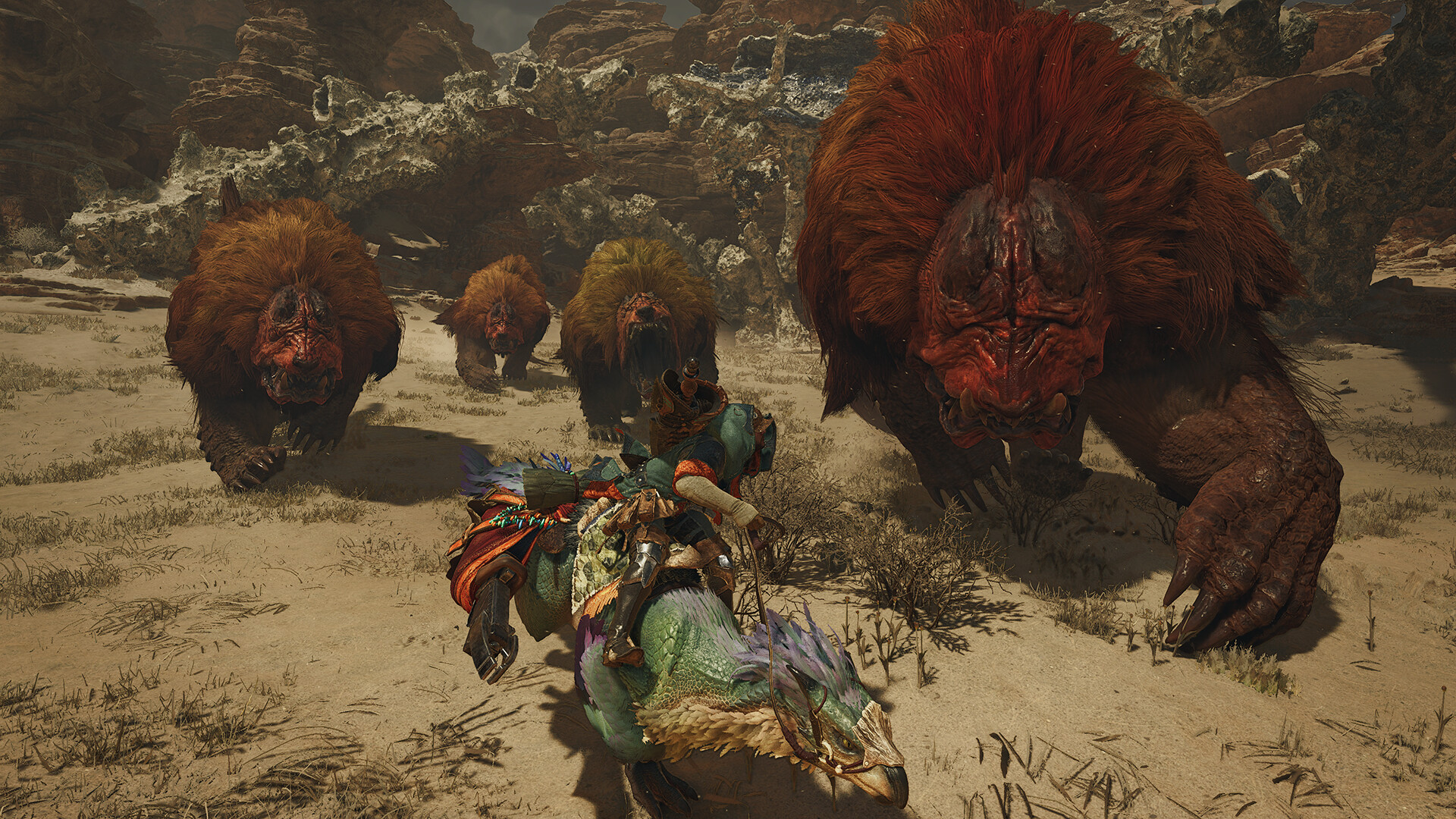
Quick Answer: Monster Hunter Wilds Dareel's Special Research Report is best tackled by playing the main loop normally, then prioritizing quest progress, upgrade materials, and monster tracking so you can finish the report without wasting early resources.
What This Guide Covers
Monster Hunter Wilds is a 2025 action role-playing game developed and published by Capcom, and it launched worldwide on February 28, 2025 for PlayStation 5, Windows, and Xbox Series X/S with cross-platform play support Source. For a beginner, that matters because the game follows the usual Monster Hunter rhythm: hunt, carve, craft, repeat, then suddenly you are emotionally attached to a weapon tree you didn’t plan to use.
Dareel’s Special Research Report sits right in that early-game maze. The task is simple in theory and very Monster Hunter in practice: you need to observe, gather, and understand enough about the world and its monsters to keep moving forward without burning all your materials on the first shiny upgrade you see. New players usually do one of two things. They either hoard everything until their pouch becomes a museum, or they spend resources so freely that their next upgrade becomes a sad, empty promise.
This guide focuses on the first hour, what to spend and what to save, the most common beginner errors, and the point where you are no longer a beginner. It also includes practical references for how Dareel’s Special Research Report fits into the wider progression loop, because in Monster Hunter, “just do the quest” often turns into “why do I suddenly need five different bugs, three monster parts, and a better grasp of armor spheres?”
First-Hour Checklist
Your first hour should be spent unlocking systems, not chasing perfect gear, because Monster Hunter Wilds rewards momentum more than perfection. The best beginner start is to follow the game’s early story beats, open the map and camp systems, and leave the session with a functional weapon, a basic armor set, and a clear idea of where Dareel’s Special Research Report fits into your route.
1. Push the main progression until the game opens up
Your first priority is to clear the opening tutorial flow and any early forced hunts or story missions that unlock the core menu systems. In Monster Hunter, the difference between “I can play” and “I can actually progress efficiently” is usually a small set of unlocks: blacksmith access, item crafting, map tools, and monster tracking features. If Dareel’s Special Research Report asks for research-style progress, that means you want the systems that help you identify monster behavior and gather evidence before you start wandering off to pet every shiny plant in sight.
Look for the first moments where the game gives you freedom to:
- visit the hub or equivalent base area,
- talk to every key NPC marked as relevant,
- open the forge and inspect weapon trees,
- check the quest board or mission progression log,
- and confirm how camps, fast travel, and map markers work.
Two practical examples:
- If the game gives you a story hunt against an early monster like a tutorial target, complete it before doing optional side wandering.
- If a gathering node is highlighted near camp, grab a sample, but do not turn the whole hour into a mining marathon.
2. Pick one weapon and stick with it for now
Your first hour is not the time for weapon identity crisis. Choose one weapon that feels readable, learn its basic combo loop, and use it for several hunts before judging it. In Monster Hunter Wilds, early comfort beats theoretical damage every time because a weapon you actually land hits with is stronger than a “top choice” you fumble repeatedly.
Good beginner-friendly behavior looks like this:
- test the weapon in a low-risk hunt or training area,
- learn the basic engage, disengage, and recovery rhythm,
- commit to one weapon class until you know your dodge timing,
- and only then start browsing alternatives.
Concrete examples:
- If you start with a slow weapon like Great Sword, focus on safe openings and charged hits rather than trying to play like a speedrunner.
- If you try something fast like Dual Blades, practice stamina management before assuming you can press buttons forever.
- If you use a utility-heavy weapon like Sword and Shield, get used to item usage and positioning rather than ignoring them.
3. Build a basic loadout and stop tinkering
You should assemble a practical item loadout early and leave it alone unless the game forces a change. A beginner loadout is not a fashion statement; it is a set of tools that keeps hunts from going sideways when the monster decides your face is the new map point. This is especially important if Dareel’s Special Research Report expects you to gather or observe specific targets, because those hunts tend to go better when you have healing, buffs, and capture or utility items ready.
Your initial loadout should cover:
- healing,
- emergency recovery,
- stamina support if your weapon needs it,
- and any basic utility items the game introduces early.
Do not overcomplicate it. The first hour is for simple habits:
- restock after hunts,
- replenish what you used,
- and keep your pouch from turning into junk drawer chaos.
4. Gather only what is immediately useful
The early game tempts you to gather everything in sight. Resist that urge until you understand what each resource is for. In Monster Hunter Wilds, raw materials usually fall into three broad beginner buckets: consumables, crafting ingredients, and upgrade materials. Gather enough to support your current weapon and armor, plus a small buffer for common consumables, then move on.
Useful beginner examples:
- Herbs and honey-type materials are usually worth collecting because they support healing items.
- Ore and bone-type materials are often worth grabbing when you pass them naturally on the route.
- Rare-looking drops should be marked mentally, not farmed obsessively, until you know the recipe or upgrade path.
5. Check whether Dareel’s task is tied to a hunt, a scan, or a delivery
The safest approach to Monster Hunter Wilds Dareel's Special Research Report is to treat it like a mixed objective until proven otherwise. Early research-style quests in Monster Hunter games often involve watching monster behavior, gathering evidence, completing hunts, or turning in specific materials. Read the objective carefully and break it into concrete tasks before you start.
A good beginner rule:
- if the report asks for monster info, hunt or observe first;
- if it asks for items, gather only the required materials;
- if it asks for progress, advance the story or field guide step that unlocks the next trigger.
That keeps you from doing three hunts, nine gathers, and one completely unrelated detour because the objective text was vague.

You might also like
- Monster Hunter Wilds Beginner Guide
- Monster Hunter Wilds Beginner Guide
- Monster Hunter Wilds Chemicus Nocturnus 4/22 5/6 Beginner Guide
- Monster Hunter Wilds Beginner Guide: Getting Started Fast
- Monster Hunter Wilds Congalala Cravings 3/25 4/1 Beginner Guide
Resource Priority Order
Your resource priority order should favor survival, then progression, then experimentation, because Monster Hunter punishes luxury spending long before it rewards it. The early economy in Monster Hunter Wilds is about maintaining enough gear and consumables to keep advancing through hunts without delaying upgrades that actually matter.
| Priority | Spend On | Save/Hoard | Why It Matters |
|---|---|---|---|
| 1 | Basic healing and recovery items | Rare monster parts | Staying alive beats a slightly fancier weapon that sits unused |
| 2 | Weapon upgrades on your chosen main | Materials for other weapon branches | One strong weapon is better than five half-finished ones |
| 3 | Armor pieces with obvious survivability gains | Decorative or niche pieces | Early defense and comfort skills make hunts smoother |
| 4 | Crafting essentials for your current loop | Everything that “might be useful later” | You will need space and consistency more than hoarding pride |
| 5 | Camp or route conveniences, when available | Duplicate low-value drops | Anything that reduces downtime is usually worth it early |
What to spend first
Spend first on anything that lets you continue hunting with less friction. That means healing, basic upgrades, and one clear equipment path. If the blacksmith offers a modest upgrade to the weapon you actually use, that is usually a better investment than splitting your parts across multiple types. The beginner trap is to think flexibility means variety. In practice, flexibility means your main weapon is reliable enough to carry you through whatever the hunt throws at you.
Examples of sensible early spending:
- upgrade your primary weapon once you see a clear performance bump,
- craft or buy healing support items before chasing niche utility,
- replace obviously weak armor pieces when the game offers a straightforward upgrade,
- and only branch out when you have a stable base set.
What to hoard first
Hoard monster parts that look like they belong to later weapon trees, rare materials that gate upgrades, and anything that the game only drops in limited quantities from a monster you have not mastered yet. If a part drops from a hunt that is still teaching you patterns, keep it. Early Monster Hunter has a habit of making you regret casual crafting decisions five hunts later.
Useful hoarding habits:
- keep extra rare drops until you know the weapon path,
- hold on to materials that unlock multiple recipes,
- stash crafting components you do not understand yet,
- and avoid using rare drops on side projects before your main set is functional.
What to craft first
Craft the few items that improve every hunt, not just one specific fight. That usually means healing, stamina support if relevant, and the first useful upgrade to your main weapon or armor. Monster Hunter Wilds, like the series before it, is less about building a huge inventory and more about building a dependable hunt routine.
For Dareel’s Special Research Report specifically, crafting should support the tasks the report is likely to ask for:
- if tracking is required, make sure you have the basics for staying out long enough to observe,
- if repeated hunting is required, prioritize sustain and consistency,
- if deliveries or collection are involved, leave inventory space for the actual objective items.
The short version is simple: spend on things that reduce failure, hoard the pieces you do not yet understand, and craft with your current weapon path in mind. The game will always hand you another shiny thing later. That is basically Monster Hunter’s whole personality.
Common Mistakes
Beginner mistakes in Monster Hunter Wilds usually come from trying to play it like a faster action game, when the series is really about preparation and disciplined execution. The fix is almost always boring in the best possible way: simplify your choices, focus on one route, and stop spending resources as if the blacksmith runs on goodwill.
Mistake 1: Switching weapons after every bad hunt
Players do this because the first rough fight makes their current weapon feel “wrong,” so they keep changing instead of learning spacing and timing.
The fix is to keep one weapon for several hunts and learn its safe openings. Try a slow weapon on one monster, a fast one on another, and a utility weapon if you want a second comparison, but do not swap every time a fight goes poorly.
Mistake 2: Spending rare materials on side gear too early
Players do this because every new weapon or armor piece looks tempting, and the early game does not always make the cost obvious.
The fix is to pick one main weapon and one survival-focused armor path, then keep rare monster parts in reserve until you know the build direction. If a part is a key upgrade material, treat it like it is already spoken for.
Mistake 3: Ignoring the item loadout
Players do this because they assume healing and support items are optional or that they can improvise mid-hunt.
The fix is to set a basic loadout before each hunt and restock after every return to base. A clean loadout keeps you from forgetting core recovery items when a monster decides to chain attacks like it has a personal grudge.
Mistake 4: Gathering everything and completing nothing
Players do this because Monster Hunter maps are packed with useful-looking nodes, and it is easy to turn a hunt into a sightseeing tour.
The fix is to gather with intent. Only pick up materials that support your current weapon, current quest, or current report objective. If the route is not helping progression, leave the extra sparkle for later.
Mistake 5: Reading objectives too loosely
Players do this because report-style quests, including Monster Hunter Wilds Dareel's Special Research Report, often combine tracking, gathering, and hunting in ways that feel interchangeable at first glance.
The fix is to break the objective into exact tasks before leaving camp. If it wants a hunt, hunt. If it wants a sample, observe. If it wants a delivery, leave space and go straight there. Wasted trips are the silent killer of beginner momentum.
Common Mistakes
Some mistakes are common enough that they deserve a second pass, because they show up in different forms depending on the player’s style and the monster in front of them. The pattern is the same: beginners overcommit, underprepare, or ignore the game’s subtle signals.
Mistake 6: Fighting in the wrong zone for too long
Players do this because they stay glued to the first area where they found the monster, even when terrain or visibility makes the fight awkward.
The fix is to reposition when the area becomes hostile to your weapon style. If your weapon needs clean footing, move to flatter ground. If you need sightlines for ranged pressure, stop dragging the fight through clutter.
Mistake 7: Using healing too late
Players do this because they try to “save” potions and end up getting clipped out of a heal animation.
The fix is to heal earlier than feels necessary. In Monster Hunter, reacting after you are already desperate is often too late. Top up after safe openings, not after a second warning light is already flashing.
Mistake 8: Treating research-style tasks like normal hunts only
Players do this because they see the monster objective and assume combat alone will cover everything.
The fix is to scan the full quest requirements for report-style content such as Dareel’s Special Research Report. If observation, tracking, or special material collection is involved, handle those parts deliberately before ending the hunt.
Graduation Threshold
You are out of the beginner phase when you can enter a hunt with a plan, execute it without improvising every minute, and leave with enough materials to keep your build moving. That is the practical threshold, and it matters more than any arbitrary level or chapter number because Monster Hunter progression is skill-plus-preparation, not just checklist completion.
A player has likely graduated from beginner status when they can do most of the following consistently:
- choose a weapon without second-guessing every encounter,
- restock and set loadouts without help,
- identify what materials are worth saving,
- finish early hunts without panic-healing every mistake,
- and read a quest like Monster Hunter Wilds Dareel's Special Research Report without needing to relearn the whole interface.
Three signs are especially clear:
- You stop wasting rare materials on experimental gear you never use.
- You understand when a monster is teaching you pattern recognition versus when you simply need better gear.
- You can tell whether a quest wants hunting, tracking, gathering, or some mix of the three.
A good example is the moment you look at a new monster and instinctively think about openings, weak points, and item prep instead of just charging in. Another is when you can tell which resource is actually scarce in your current build path. A third is when you can complete a report objective, return to base, and immediately know what should be upgraded next.
Once you reach that point, the game shifts from “How do I survive?” to “How do I optimize this loop?” That is where Monster Hunter starts being about style, efficiency, and build identity rather than basic survival. It is also where Dareel’s report becomes just another piece of the larger progression puzzle instead of a mysterious side chore with attitude.
Pro Tips
These tips are for players who have already stopped playing like the monster owes them money and want cleaner hunts, better routes, and fewer wasted supplies. They are not flashy, but they save time and materials in the current early-game flow.
Tip 1. Open every hunt with a route check
Before leaving camp, glance at the map and decide whether your route passes useful gathering spots, monster signs, or fast travel points. This keeps you from doing the classic beginner loop of walking past three useful nodes because you were staring at the target marker like it was a prophecy.
Tip 2. Use one hunt to test one thing
If you want to learn how a weapon feels, how a monster behaves, or whether a new armor piece is worth the slot, change only one variable at a time. That way you can tell whether the result came from your weapon choice, your positioning, or the monster simply having a better day than you did.
Tip 3. Treat the first clear of a new monster as data collection
The first time you fight a new monster, prioritize survival, healing efficiency, and pattern reading. Even a messy clear can pay off if you leave knowing where the safest punish windows are and which attacks consistently force you to reposition.
Tip 4. Keep a “do not touch” stash for rare parts
Set aside rare drops the moment they land in your inventory and mentally mark them as upgrade currency, not crafting bait. That habit prevents the early-game mistake of turning a future weapon path into scrap because a temporary side piece looked convenient.
Tip 5. Check report-style objectives before every session
If you are working on Monster Hunter Wilds Dareel's Special Research Report, look at the objective when you start playing, not after three unrelated hunts. That one habit keeps you from drifting into side content and then wondering why the report has not moved at all.
Related Guides
These are the next guides that fit naturally after this one, especially if you want to keep your progression tidy instead of improvising your way into a gear pile.
- Monster Hunter Wilds Early Weapon Tier Guide
- Monster Hunter Wilds Best Beginner Builds
- Monster Hunter Wilds Main Story Walkthrough
- Monster Hunter Wilds Armor Upgrade Guide
- Monster Hunter Wilds Resource Farming Guide
- Monster Hunter Wilds Monster Tracking Guide
- Monster Hunter Wilds Capture vs Hunt Guide
Sources
See also
- Monster Hunter Wilds Beginner Guide
- Monster Hunter Wilds No More Mister Ice Guy 8/19 8/26 Beginner Guide
- Monster Hunter Wilds Beginner Guide: Where to Focus First
- Monster Hunter Wilds Pick Your Poison 7/22 8/12 Beginner Guide
- Monster Hunter Wilds Beginner Guide
- Monster Hunter Wilds Beginner Guide: What to Do First
- Monster Hunter Wilds Beginner Guide: Getting Started Fast
- Monster Hunter Wilds Beginner Guide
- Monster Hunter Wilds Hungry for Ore 8/26 9/9 Beginner Guide
- Monster Hunter Wilds Beginner Guide
Screenshots
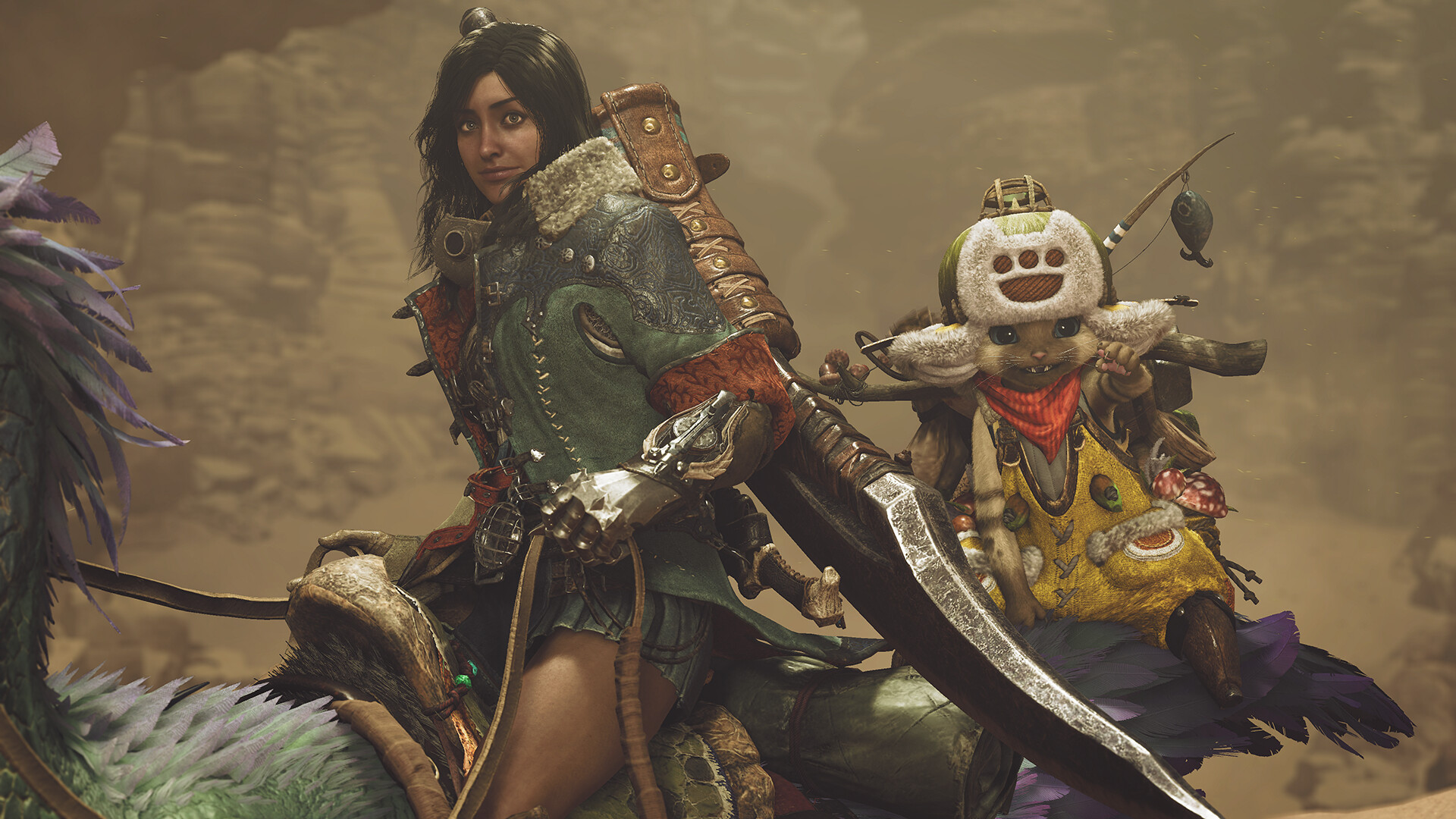


Reviewed by
MH Wilds Guides Editorial
Expertise: Editorial team behind MH Wilds Guides. Content is compiled from official patch notes, community wikis, and playthrough notes, then reviewed and updated on schedule.
Sources
Monster Hunter Wilds Monsters Guides →
Browse the complete monsters collection and its focused guides.
Related Guides

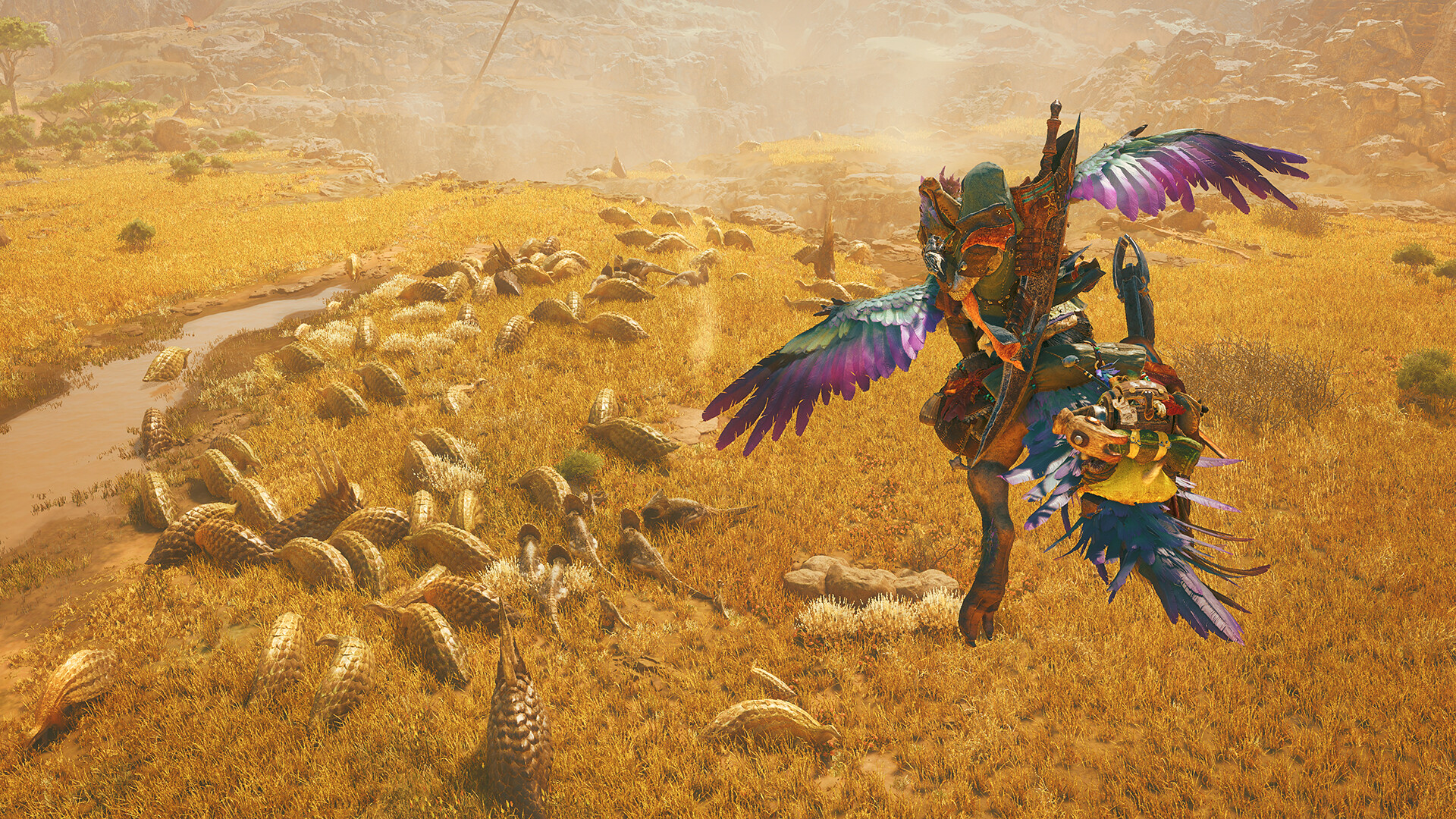
🔥 Popular Guides
Monster Hunter Wilds Good Beginner Weapons: Complete Beginner Guide
Best starter weapons, first-hour checklist, common mistakes, and beginner progression tips for Monster Hunter Wilds.
Monster Hunter Wilds patch notes 2026-09-04: Patch Notes Explained
Explained update notes, verified fixes, content changes, and what hunters should do next in Monster Hunter Wilds.
monster hunter wilds weapons for beginners: Beginner Guide
Learn the best starter weapons, first-hour priorities, common mistakes, and when you have outgrown beginner play in Monster Hunter Wilds.
Monster Hunter Wilds mh wilds balance patch notes Explained
Patch-by-patch Monster Hunter Wilds balance changes, winners, losers, and what players should do after Version 1.030.01.00.
📋 Patch Notes & Updates
🛠️ Popular Tools
Was this guide helpful?
Rate this guide so we can improve it.
Share your own tip
Found something not in the guide? Submit it below — our editors review every tip before publishing. No account required.