 Monster Hunter Wilds
Monster Hunter Wilds Lala Barina Beginner Guide
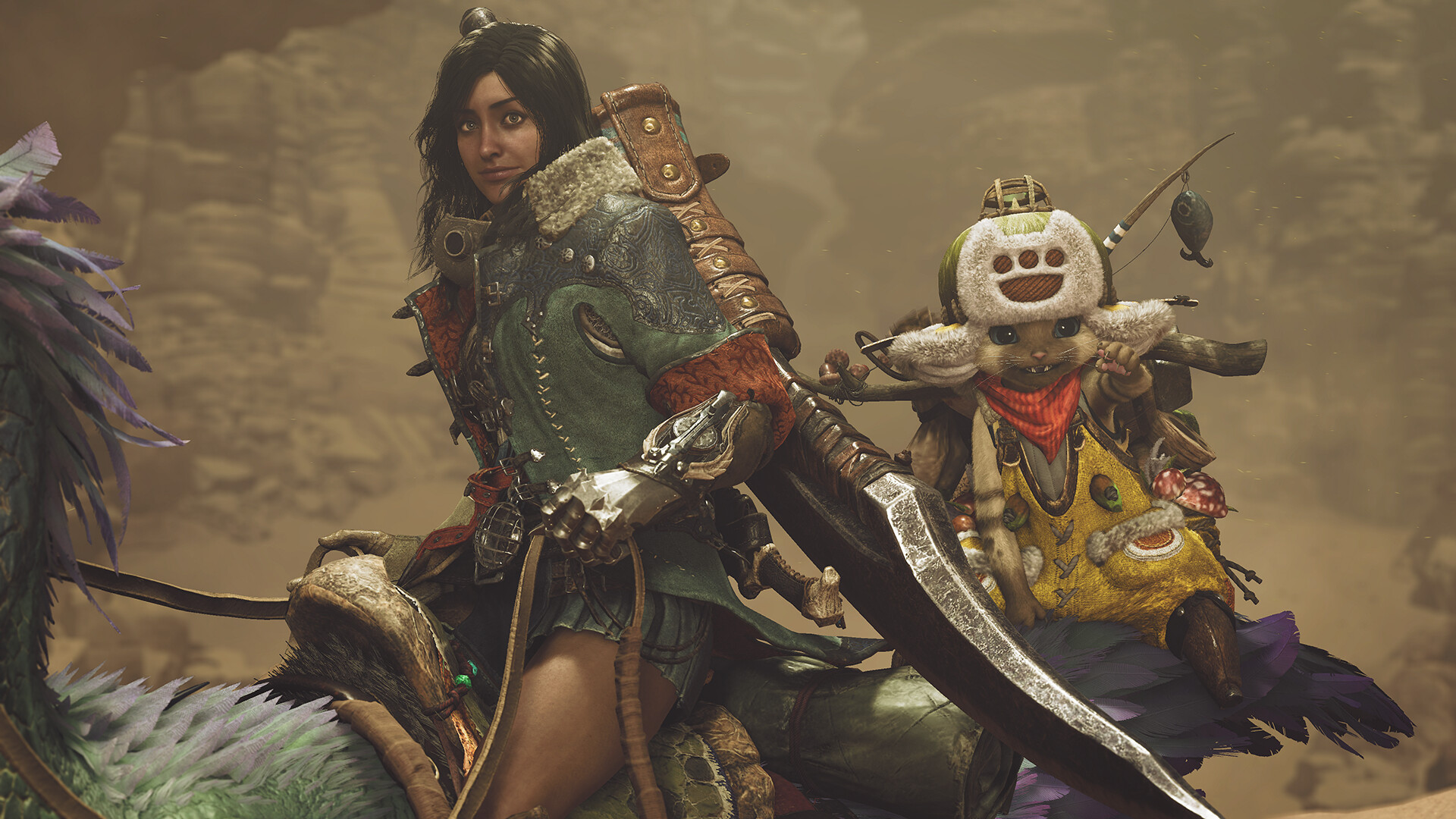
Quick Answer: Monster Hunter Wilds Lala Barina is a beginner-friendly early hunt that teaches spacing, patience, and status awareness; if you learn its tells, keep your gear upgraded, and avoid greedy attacks, the fight becomes very manageable.
Monster Hunter Wilds is a 2025 action role-playing game developed and published by Capcom, and it released worldwide for PlayStation 5, Windows, and Xbox Series X/S on February 28, 2025, with cross-platform play support Source. That matters for beginners because the game throws a lot at you fast: traversal, crafting, weapon identity, monster tracking, and then suddenly you’re staring at something like Lala Barina wondering why it moves like a haunted flower with a grudge. This guide is built to help you survive the early game, understand what to spend, what to save, what to ignore, and how to turn that first confusing stretch into real momentum.
What Monster Hunter Wilds Lala Barina Teaches New Players
Monster Hunter Wilds Lala Barina teaches you how to fight safely, read animation cues, and respect monster positioning instead of mashing attacks until the monster politely agrees to be defeated.
Lala Barina is the kind of early-game monster that looks simple until it suddenly isn’t. That’s exactly why it’s useful for beginners. It tests whether you can do three basics well: keep your camera under control, stay near a safe angle instead of directly in front of the monster all the time, and stop swinging when the monster has clearly started its own attack sequence. If you’re coming from games where “attack first, think later” works, this is the first reality check with claws.
For new players, Monster Hunter Wilds Lala Barina is less about raw difficulty and more about discipline. A good first hunt here usually includes a few very familiar moments:
- You see a telegraphed lunge, panic-roll, and end up eating the follow-up anyway.
- You get a clean opening, land two or three hits, then overstay and get clipped.
- You notice a status or environmental hazard, but only after your health bar has already become a cautionary tale.
Those mistakes are normal. The goal is not perfection; it’s building a combat habit that works on every monster after this one. The fight also helps you learn how your weapon behaves at realistic distances. Great Sword users learn not to chase every opening. Long Sword players learn when Spirit Gauge greed gets punished. Dual Blades players learn that infinite aggression is a fantasy written by people who never got knocked over into a bad spot.
If you’re brand-new, treat this hunt as your “combat school” fight. Don’t just win it—learn one thing from every cart, every failed dodge, and every moment where you said, “Wait, that hit me?” That’s the Monster Hunter experience in a nutshell, and Lala Barina is one of the earliest places the game starts teaching it.
First-Hour Checklist
Your first hour should focus on unlocking systems, upgrading one weapon path, and setting up a clean basic loadout instead of chasing every shiny menu option.
The opening hour in Monster Hunter Wilds is where beginners either build confidence or create a messy inventory of half-finished ideas. The trick is to keep your priorities narrow. You do not need to master every mechanic immediately. You need to get functional. The first hour should leave you with a usable weapon, a replenished item pouch, a clear understanding of how to restock, and enough comfort with the map and hunt flow that your next quest doesn’t feel like a blindfolded scavenger hunt.
Your first 60 minutes, step by step
- Finish the opening tutorial prompts instead of skipping through them. The game teaches small but important things here, like item use, movement, and interaction prompts that later save you from fumbling in combat.
- Pick one weapon and stick to it. Try the weapon that feels easiest to control, then commit for a while. If you change every ten minutes, you won’t learn timing, positioning, or punish windows.
- Equip the best armor pieces you already own, even if the set looks mixed. Early on, raw defense and useful skills matter more than matching aesthetics.
- Restock healing and basic utility items whenever the game gives you a chance. You want to enter your next hunt with a full pouch, not “I thought I had one potion left.”
- Spend time learning the camp and fast travel flow. Know where your supply box, crafting, and restock options are so you can recover after a rough quest.
- Use the map to identify gathering spots. Pick up what’s along the route, but don’t wander off for every single node if the hunt objective is urgent.
- Practice a few weapon actions on harmless targets or in safe spaces. Get a feel for light attack chains, dodge timing, and one stronger move before you enter a serious fight.
What to ignore at first
- Don’t agonize over perfect builds.
- Don’t hoard every item “just in case” while refusing to use any of them.
- Don’t swap weapons because a different one looks cooler mid-session.
- Don’t worry about advanced optimization until your basics feel stable.
A good first-hour outcome
By the end of your first hour, you should be able to answer these questions confidently:
- What is my main weapon?
- Where do I restock healing items?
- What does my standard dodge or reposition pattern look like?
- Which resources do I pick up automatically, and which do I leave alone?
- Can I finish a basic hunt without panicking every thirty seconds?
If the answer to most of those is “yes,” you’re already ahead of a lot of new hunters who spend their first session wrestling menus instead of monsters.

You might also like
- Monster Hunter Wilds Beginner Guide
- Monster Hunter Wilds No More Mister Ice Guy 8/19 8/26 Beginner Guide
- Monster Hunter Wilds Beginner Guide: Where to Focus First
- Monster Hunter Wilds Pick Your Poison 7/22 8/12 Beginner Guide
- Monster Hunter Wilds Beginner Guide
Resource Priority Order
Your best early-game resource plan is to spend on survival first, then weapon progression, then convenience, while hoarding rare upgrade materials until you know what you actually want to main.
Monster Hunter Wilds throws a lot of currencies, materials, and upgrade paths at you, and beginners often make the same mistake: they spread resources across too many weapons, too many armor pieces, and too many “maybe later” crafts. That slows everything down. Early on, the smartest approach is to create one reliable loadout before experimenting. You are not being boring; you are being efficient.
Here’s a practical priority order for early spending and crafting:
| Priority | Spend on / Craft first | Why it matters early | What to delay |
|---|---|---|---|
| 1 | Healing and survival items | Keeps you in hunts longer and reduces carts | Niche consumables you won’t use yet |
| 2 | One primary weapon path | Lets you learn timing and upgrade momentum | Multiple full weapon trees |
| 3 | Defensive armor upgrades | Improves forgiveness during learning | Fashion-only swaps or side sets |
| 4 | Basic crafting materials | Supports consistent restocking and hunt prep | Rare monster drops and special parts |
| 5 | Convenience unlocks | Makes your loop smoother between hunts | Optimization for late-game farming |
The reason this order works is simple: survival multiplies learning. If you stay alive longer, you see more of the monster’s moves. If you see more of the monster’s moves, you get better faster. If you get better faster, your material income improves. That’s the whole snowball.
What to hoard
- Rare monster materials until you know your main weapon or armor direction.
- Upgrade materials tied to multiple possible builds if you have not chosen a role yet.
- Anything that sounds like a premium crafting component unless you already know exactly what it makes.
What to spend freely
- Basic healing stock
- Simple utility items
- Early armor upgrades that improve defense
- Materials needed to keep your chosen weapon current
What to craft first
- One dependable healing setup.
- One weapon you can actually use consistently.
- Any early defensive piece that clearly improves survivability.
- Simple support items that fit your playstyle, such as traps or capture tools if the game introduces them in your progression path.
A good rule for Monster Hunter Wilds Lala Barina and the surrounding early game is this: if a resource helps you survive and learn, use it; if it merely promises future flexibility, save it. That one habit prevents a lot of “I somehow used all my important stuff and now I’m poor” situations.
Common Mistakes
Common mistakes in the beginner phase usually come from greed, over-collecting, or trying to optimize before you understand the basics.
This section matters because most early failures are not caused by bad reflexes alone. They come from bad habits. The good news is that each one has a simple fix, and once you correct them, fights like Monster Hunter Wilds Lala Barina stop feeling random and start feeling fair.
1. Greedy comboing after a safe opening
Players often land one or two hits and keep swinging because the monster looked “open enough.”
- Why it happens: New hunters want to maximize damage while the boss is still near them.
- Fix: Stop your combo one beat earlier than feels natural. After every short punish, reset your position first, then decide whether you still have time.
2. Carrying too many unupgraded weapons
It feels smart to keep several weapon trees active, but this usually dilutes your materials and attention.
- Why it happens: Every weapon looks promising, and the game encourages experimentation.
- Fix: Pick one main weapon for now. Upgrade it first. Test others later when your economy is healthier.
3. Ignoring defensive upgrades because “I can dodge”
That confidence usually lasts until a monster clips you twice in a row and suddenly your potion budget is gone.
- Why it happens: Early monsters are forgiving enough to make overconfidence feel justified.
- Fix: Upgrade armor whenever you notice the current set falling behind. A little defense goes a long way when you’re learning monster rhythm.
4. Entering hunts with an empty or half-restocked item pouch
This is the classic “I thought I was ready” disaster.
- Why it happens: People finish one quest and immediately queue the next without returning to base habits.
- Fix: Build a pre-hunt checklist: heal, restock, confirm weapon, confirm armor, then leave.
5. Chasing the monster instead of controlling position
Beginners often sprint directly behind or in front of the target and eat attacks that were easy to avoid.
- Why it happens: It feels active, and chasing seems like pressure.
- Fix: Move to the monster’s side or a slight diagonal angle. That gives you clearer dodge windows and better punish opportunities.
6. Hoarding consumables until the hunt ends
A lot of new players finish fights with a pile of untouched items and a cart they could have prevented.
- Why it happens: People worry they’ll “waste” resources.
- Fix: Use your healing and utility items early enough to stay in the fight. A successful hunt with used items is better than a failed hunt with a full pouch.
7. Treating Lala Barina like a simple target dummy
Monster Hunter Wilds Lala Barina can feel manageable until its movement patterns force you to respect spacing and timing.
- Why it happens: Early successes create overconfidence.
- Fix: Learn the monster’s attack rhythm, move after it commits, and use short attacks instead of long commitments when you are unsure.
If you correct even three of these, your early game experience gets dramatically smoother. Fix all of them, and suddenly the game starts feeling like a system you can read instead of a pile of surprise attacks.
How to Fight Lala Barina Without Panicking
You beat Monster Hunter Wilds Lala Barina by watching its animations, staying off the obvious line of attack, and punishing after it finishes an action instead of during the middle of one.
The main beginner trap in this fight is assuming you need to be constantly aggressive. You don’t. You need to be accurate. Lala Barina is most manageable when you stop thinking of the fight as a race and start thinking of it as a rhythm game with claws. Watch what it does, move before the danger lands, and strike only when you know the opening is real.
What to look for
- A clear wind-up before a forward threat. If the monster gathers itself, assume the next movement matters.
- A recovery moment after a committed attack. That is your best window for a short combo or a reposition.
- Any pattern that pushes you into bad camera angles. Adjust earlier than you think you need to.
Good beginner habits in the fight
- Stay near the side rather than directly in front.
- Use short, controlled attacks instead of full commitment chains when learning.
- Heal before you get desperate, not after.
- If you lose track of the monster, reset your camera and space first.
Two practical examples
- With a Great Sword, you want fewer, cleaner punishes instead of fishing for huge charged hits every time you move in.
- With Dual Blades, you should resist the urge to stay glued to the monster if your stamina and positioning are bad.
- With a Long Sword, you can play more reactive, but you still need to respect the monster’s turn to attack.
The beauty of Monster Hunter Wilds Lala Barina is that it teaches the same lesson in different ways depending on your weapon: if you attack without a plan, the monster will tax you for it. If you wait for the right opening, even a beginner can make the fight look surprisingly smooth.
Common Mistakes
Common mistakes around Lala Barina and early hunts usually come from misreading the pace of the fight or forgetting the basics between attempts.
This is a separate mistake-focused section because beginners benefit from seeing the same lesson in a different format: what went wrong, why it happened, and how to fix it next time. That repetition is useful, not lazy, because Monster Hunter is all about habit formation.
Mistake: Rolling away every time you feel pressured.
Why players do it: Panic makes distance feel safe.
Fix: Roll to a side or into a better angle when appropriate, then immediately reset your camera so you can keep tracking the monster.Mistake: Spending too long in a single attack animation.
Why players do it: They want bigger damage and assume the opening is guaranteed.
Fix: Use quicker attacks when learning. Save longer commitments for moments when the monster has clearly finished acting.Mistake: Healing in the monster’s face without creating space.
Why players do it: They don’t want to lose damage time.
Fix: Sheathe or disengage first, then heal from a safer angle. A calm heal is better than a forced recovery.Mistake: Not upgrading gear because the current set “still works.”
Why players do it: Upgrading feels like a waste before a “real” wall appears.
Fix: Upgrade proactively. Better defense gives you more time to learn and recover from mistakes.Mistake: Using the same plan against every monster.
Why players do it: Once one strategy works, it’s tempting to copy-paste it everywhere.
Fix: Adjust your spacing and aggression based on the monster’s speed and recovery windows. Lala Barina rewards patience more than blind rushdown.
Pro Tips
Advanced beginner tips in Monster Hunter Wilds are mostly about making your hunts smoother, safer, and less expensive in the long run.
These are the little things that separate “I survived” from “I actually know what I’m doing.” None of them are flashy, but together they make your runs cleaner and your learning curve way less painful.
Tip 1. Use the first opening to test the monster, not to burst damage
When a hunt starts and the monster is still settling into its behavior, land one small punish and watch what it does next. This is especially useful on Lala Barina because early recognition of its movement tells you whether you can safely commit.
Tip 2. Treat camera resets like a combat action
If you lose sight of the monster after a dodge, don’t keep attacking blindly. Re-center the camera, re-establish range, and only then go back in. Many beginner carts happen because the player is technically alive but visually lost.
Tip 3. Keep one “oh no” item slot mentally reserved
Whether it’s healing, a mobility tool, or a defensive option, always know what your emergency answer is before things go wrong. That habit prevents the dreaded moment where you open the pouch and think, “Wait, what did I actually bring?”
Tip 4. Use short practice hunts to learn recovery timing
If you’re uncertain about a weapon, take a few low-pressure hunts and focus only on one thing: when can you safely stop attacking and move? That’s the real skill behind surviving Lala Barina and everything after it.
Tip 5. Upgrade only after you know what problem you’re solving
Before spending materials, ask whether you need more damage, more safety, or better consistency. Beginners waste a lot of value upgrading “because it’s available” instead of because it fixes their actual weak point.
Tip 6. Watch how monsters punish overconfidence
If you get hit after a big combo, don’t just blame the dodge. Ask whether the real issue was overcommitting in the first place. That question is one of the fastest ways to improve in Monster Hunter.
Tip 7. Farm with a purpose
If you’re hunting materials for a specific weapon or armor piece, don’t turn every run into an unfocused sightseeing tour. Grab what supports your current goal and move on. Efficient repetition beats chaotic wandering every time.
Graduation Threshold: When You’re No Longer a Beginner
You’re out of the beginner phase when you can prepare, hunt, and recover without constantly relying on guesswork, even if you still make mistakes.
A lot of players think they become “intermediate” when they beat a tough monster. That’s not really it. In Monster Hunter Wilds, especially after learning fights like Monster Hunter Wilds Lala Barina, you graduate when your habits become consistent. The monster can still beat you sometimes. That’s normal. The difference is whether the loss feels random or understandable.
Signs you’ve moved past beginner status
- You can enter a hunt with a deliberate loadout instead of whatever you last touched.
- You know your main weapon’s basic punish pattern without checking a menu every time.
- You heal early enough to avoid spiraling after one mistake.
- You recognize when a monster is baiting an overcommit.
- You can complete a hunt, carve, restock, and prepare for the next one without feeling lost.
A practical self-test
Try answering these with confidence:
- What do I do when the monster forces me out of my preferred range?
- Which of my items do I actually use every hunt?
- What is my safest opening after a monster finishes an attack?
- When do I stop attacking and reposition?
If you can answer those in real play instead of just in theory, you’ve probably crossed the beginner threshold.
What changes after that
Once you’re past the beginner stage, your focus shifts from “How do I survive?” to “How do I optimize this?” That’s when you start caring more about tighter builds, better damage windows, specialized armor skills, and more efficient farming routes. Until then, keep the plan simple. Monster Hunter rewards mastery, but it first rewards consistency.
Related Guides
These next-step guides are the natural follow-ups once the basics start clicking.
- Monster Hunter Wilds Beginner Guide Monster Hunter Wilds best early weapon tier guide
- related guide Monster Hunter Wilds beginner armor and defense guide
- Monster Hunter Wilds Beginner Guide Monster Hunter Wilds walkthrough for first monsters
- related guide Monster Hunter Wilds item pouch and crafting guide
- Monster Hunter Wilds Beginner Guide: Getting Started Fast Monster Hunter Wilds how to farm monster materials efficiently
Sources
- https://en.wikipedia.org/wiki/Monster_Hunter_Wilds
- https://en.wikipedia.org/wiki/Monster_Hunter_Wilds
See also
- Monster Hunter Wilds Beginner Guide: Getting Started Fast
- Monster Hunter Wilds Beginner Guide: What to Do First
- Monster Hunter Wilds Hungry for Ore 8/26 9/9 Beginner Guide
- Monster Hunter Wilds Beginner Guide
- Monster Hunter Wilds Daughters of Carabosse 4/22 5/6 Beginner Guide
- Monster Hunter Wilds Beginner Guide
- Monster Hunter Wilds Beginner Guide: Getting Started Fast
- Monster Hunter Wilds Beginner Guide
- Monster Hunter Wilds Beginner Guide: The Shining Storm Rages 5/6 5/20
- Monster Hunter Wilds Anguish and Atrocity 4/3 4/8 Beginner Guide
Screenshots

Reviewed by
MH Wilds Guides Editorial
Expertise: Editorial team behind MH Wilds Guides. Content is compiled from official patch notes, community wikis, and playthrough notes, then reviewed and updated on schedule.
Sources
Monster Hunter Wilds Monsters Guides →
Browse the complete monsters collection and its focused guides.
Related Guides


🔥 Popular Guides
Monster Hunter Wilds Good Beginner Weapons: Complete Beginner Guide
Best starter weapons, first-hour checklist, common mistakes, and beginner progression tips for Monster Hunter Wilds.
Monster Hunter Wilds patch notes 2026-09-04: Patch Notes Explained
Explained update notes, verified fixes, content changes, and what hunters should do next in Monster Hunter Wilds.
monster hunter wilds weapons for beginners: Beginner Guide
Learn the best starter weapons, first-hour priorities, common mistakes, and when you have outgrown beginner play in Monster Hunter Wilds.
Monster Hunter Wilds mh wilds balance patch notes Explained
Patch-by-patch Monster Hunter Wilds balance changes, winners, losers, and what players should do after Version 1.030.01.00.
📋 Patch Notes & Updates
🛠️ Popular Tools
Was this guide helpful?
Rate this guide so we can improve it.
Share your own tip
Found something not in the guide? Submit it below — our editors review every tip before publishing. No account required.