 Monster Hunter Wilds
Monster Hunter Wilds Back to Camp Beginner Guide
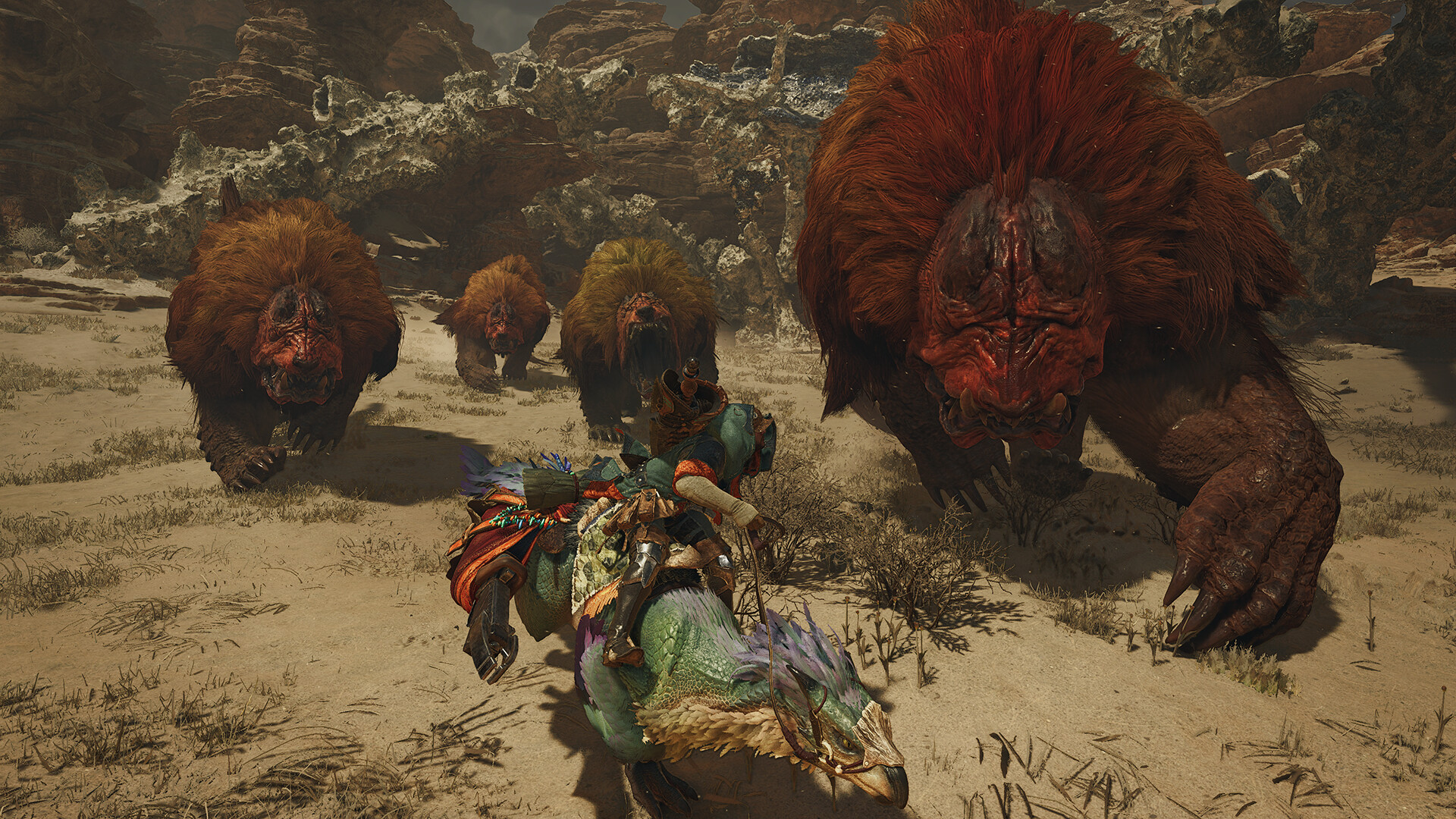
Quick Answer: Monster Hunter Wilds Back to Camp is the beginner reset point: use camp to restock, change gear, manage items, and recover after hunts so you can keep momentum instead of wandering into the next quest underprepared.
Monster Hunter Wilds launched worldwide on February 28, 2025 for PlayStation 5, Windows, and Xbox Series X/S, with cross-platform play support Source. It is a 2025 action role-playing game developed and published by Capcom Source.
What Back to Camp Means
Back to Camp means returning to your safe base area so you can reset your loadout, fix mistakes, and prepare for the next hunt without wasting time in the field. In Monster Hunter Wilds, that loop matters even more for beginners because the game’s flow is built around short preparation cycles, then focused hunts, then another return to camp.
Think of camp as your control room. You are not just healing there. You are checking whether your item pouch is ready, whether your weapon needs a different approach, and whether the next target will punish you for running the same setup again. A lot of new players treat camp like a place to click through menus and leave immediately. That is a mistake. The strongest beginner habit is to treat every return as a small planning phase.
A useful way to understand Monster Hunter Wilds Back to Camp is to split it into three jobs:
- Recovering from the last hunt.
- Preparing for the next one.
- Correcting whatever went wrong.
That sounds basic, but it covers almost every early-game problem. If you got poisoned too often, camp is where you swap in better antidote access. If you ran out of healing items, camp is where you rebuild your pouch before the next quest. If your weapon felt slow against a fast monster, camp is where you test a more forgiving option or adjust your plan around safer openings.
Three concrete examples make this clearer. If you just fought a fast target like an early flying wyvern, your first return to camp should probably prioritize healing items and stamina recovery. If you just spent a quest getting knocked around by a heavy brute monster, camp should be where you consider heavier armor skills or more defensive play. If you entered with the wrong weapon type and missed every opening, camp is where you change gear instead of trying to force the same mistakes again.
The beginner mindset is simple: do not treat camp as downtime. Treat it as part of the hunt.
First-Hour Checklist
Your first hour should focus on unlocking your basic hunting rhythm, not on perfecting any one weapon or farming too hard. In Monster Hunter Wilds, the earliest progress comes from building habits that keep you alive and mobile, then learning how the game wants you to cycle between hunting and camp.
A practical first-hour checklist looks like this:
- Finish the opening tutorial and read every basic prompt once.
- Open the item pouch and confirm your healing, recovery, and capture tools.
- Test your starting weapon in a low-risk encounter before committing to a favorite.
- Return to camp after the first meaningful hunt and restock immediately.
- Check the map and learn where your main camp and field resources are.
- Talk to the available NPCs whose menus affect gear, supplies, or quest flow.
- Save time by pinning one or two simple goals, not a full shopping list.
The important part is not the exact order. It is the discipline of doing a full loop early: fight, recover, restock, adjust, repeat. New players often run three or four hunts before they realize they are carrying a broken item setup or using a weapon they do not understand. That wastes more time than the few minutes spent checking your base menus.
Here is a better first-hour flow:
- Start with your starter weapon and learn its basic combo loop on harmless enemies.
- Make sure you know how to heal, dodge, and sheath your weapon quickly.
- Watch the first real monster for movement patterns rather than trying to force damage.
- After the quest, go Back to Camp and look at what you consumed.
- Replace the items you used up and note which slots stayed untouched.
- Accept the next hunt only after you know your pouch is functional again.
This is also the best time to notice how your weapon feels against different enemy types. For example, a slow greatsword-style approach may feel satisfying against a large target with long openings, but rough against a quick, evasive one. A faster, more forgiving weapon may be better while you are still learning enemy tells. Do not over-commit to a build before you have enough context to know what you actually enjoy.
A lot of beginners ask whether they should spend time farming early. The answer is usually no. In the first hour, you should spend more attention than materials. Learn the systems first. Materials matter more after you understand what you are making and why.

You might also like
- Monster Hunter Wilds The Proud Child of the Wilds - AT Arkveld Free Challenge Quest Release Date Beginner Guide
- Monster Hunter Wilds Chapter 3 - 2 Nothing Frozen Nothing Gained Beginner Guide
- Monster Hunter Wilds Beginner Guide
- Monster Hunter Wilds How to Play Early New Zealand Trick Method Beginner Guide
- Monster Hunter Wilds Beginner Guide
Resource Priority Order
Your resource priority order should favor survival, flexibility, and repeatable upgrades before anything fancy. The best beginner mistake is spending rare materials or money on a shiny upgrade that does not solve the immediate problem. In Monster Hunter Wilds, you get more value from a stable camp routine than from hoarding everything blindly.
Use this order when deciding what to spend, what to keep, and what to craft first:
| Priority | What to do | Why it matters early | Example use |
|---|---|---|---|
| 1 | Keep healing and recovery items stocked | You cannot learn monsters while dead or limping back to camp | Potions, antidote-style cures, stamina recovery |
| 2 | Save rare monster parts | Early weapons and armor often get replaced quickly | Hold onto limited drops until you know your main weapon |
| 3 | Craft or buy basic utility items | These solve the most common beginner failures | Traps, capture tools, cleansing items |
| 4 | Upgrade one main weapon path | One reliable weapon beats three half-finished ones | Stick to a single blade, bow, or lance line |
| 5 | Improve armor only when it solves a real weakness | Armor is strongest when it answers a specific threat | Poison resistance, defense, stamina comfort |
The logic here is simple: survival items return value on every hunt, while flashy upgrades only help if they are matched to the monster and your weapon choice. If you are still learning the game, spend first on consistency. That means keeping your pouch ready, your healing items topped off, and your weapon path focused.
Three practical examples show how this works in play. If you burn through potions during a hunt, restocking those potions should be your first camp action, not buying a second weapon you are unlikely to use. If a monster keeps applying a status effect, prioritize the item or armor answer to that problem before chasing higher raw damage. If you just found a rare drop, keep it until you know whether your main weapon line really needs it.
It also helps to think in terms of “hoard, spend, craft.” Hoard rare materials that come from specific monsters or awkward hunts. Spend common supplies on survival and consistency. Craft only when the result directly improves the next few hunts, not when it merely looks better on paper.
One more important point: do not spread upgrades across every weapon type. That is one of the fastest ways to feel weak and broke at the same time. Pick a main weapon, maybe a backup if you truly need one, and let the rest wait.
Common Mistakes
Common beginner mistakes in Monster Hunter Wilds usually come from rushing, over-investing too early, or ignoring camp management. The game is forgiving once you understand its rhythm, but it punishes sloppy preparation because hunts are built around attrition as much as raw execution.
Mistake 1. Leaving camp without restocking
Players do this because the next quest looks urgent and they assume they can “get by” with whatever is left in the pouch. The fix is to make restocking a default step after every hunt, even if the previous one went well. Check healing items, status cures, and any consumables you used heavily before accepting the next target.
Mistake 2. Upgrading every weapon path at once
New hunters often want to try everything, so they spread materials across too many upgrades. The fix is to choose one primary weapon and keep the rest on hold until you have a real reason to branch out. If you want examples, commit to one main line such as a slower heavy weapon, a mid-speed all-rounder, or a ranged option, then learn that tool deeply before changing lanes.
Mistake 3. Ignoring armor skills and only chasing defense
This happens because higher defense feels easy to understand, while skills can seem abstract. The fix is to look at what actually killed or slowed you down. If poison, stun, stamina drain, or chip damage caused the problem, equip armor or decorations that address that specific issue instead of only picking the biggest defense number.
Mistake 4. Fighting the monster the same way every time
Beginners often repeat the same attack pattern even when the monster has clearly adapted or moved into a new phase. The fix is to treat each hunt like a conversation. If a target starts charging, leaping, or turning aggressively, stop trying to force your best combo and use safer punish windows instead. Watch for examples of openings after a roar, a missed leap, or a long recovery animation.
Mistake 5. Selling useful materials too early
Early inventory clutter makes it tempting to clear space by selling everything that looks uncommon. The fix is to keep materials from monsters you expect to revisit and only sell truly surplus items. If you are unsure, store it until you know what your next weapon or armor project requires.
Mistake 6. Treating camp as a menu stop instead of a planning stop
Players click through camp functions without actually adjusting their approach. The fix is to ask one question after every hunt: what failed, and what specific camp action solves it? If the answer is unclear, do not leave yet. Compare items spent, check gear, and decide whether the next run needs a different loadout.
Pro Tips
The strongest beginner tips are the ones that reduce wasted motion, wasted healing, and wasted learning time. Once you have the basics down, these habits make Monster Hunter Wilds Back to Camp feel much smoother and keep you progressing without constant resets.
Tip 1. Build your camp routine around the last item you used
If your last hunt ended because you ran out of healing, make restocking healing the first thing you do. If you were constantly cleaning status effects, replenish those cures first. This sounds obvious, but it works because the last failure is usually the next hunt’s biggest risk.
Tip 2. Use your first safe opening to test a new habit
When a monster gives you a long recovery window, use that moment to test one new behavior only: a different combo, a dodge timing change, or a safer positioning rule. That lets you improve without turning the whole hunt into a lab experiment.
Tip 3. Keep one backup plan for mobile enemies
Fast monsters punish slow reactions, so keep one fallback option ready. That might mean a more mobile weapon, a simpler combo route, or a safer defensive item setup. The goal is not to have a second main build. It is to avoid being helpless when a target refuses to stand still.
Tip 4. Learn the “leave now” signal
If a hunt is going badly because you have burned too many heals too early, do not stubbornly stay in a doomed run just to prove a point. The better move is to retreat mentally, return to camp, and fix the weak part of the setup. This is especially valuable when you have already identified one monster pattern that keeps beating you.
Tip 5. Compare what you spent versus what you gained
After a hunt, ask whether the rewards are worth the supplies used. If a certain target takes all your healing and gives little progress, that is a sign to slow down, improve gear, or pick a different route. Efficient hunters do not just win; they win without draining their future attempts.
Tip 6. Keep your main weapon simple until your movement is automatic
A simple, repeatable weapon pattern is more valuable than flashy optimization during the beginner phase. If your inputs are not yet second nature, use a setup that lets you focus on monster behavior, not on remembering a complicated string of moves.
Graduation Threshold
You are out of the beginner phase when you can prepare at camp without hesitation, survive common monster patterns with low item waste, and make deliberate loadout changes based on the hunt rather than fear. That is the cleanest way to judge readiness in Monster Hunter Wilds.
Three signs matter more than any level number or gear score. First, you can return to camp, restock, and re-enter the field without forgetting a core item or upgrade step. Second, you can identify why you failed a hunt without blaming everything on bad luck. Third, you can beat or meaningfully pressure early monsters while conserving resources instead of ending every quest nearly empty.
A beginner usually relies on reactive habits: panic heal, panic roll, panic swap, panic abandon. A more advanced player starts working from a plan. For example, if a monster uses a long wind-up slam, you already know how to punish it. If a hunt involves repeated status pressure, you know which item or armor answer to bring. If your weapon is underperforming, you can tell whether the problem is matchup, execution, or gear.
That transition is your graduation threshold. You do not need perfect mastery. You need reliable routine.
A simple self-check helps here:
| Skill check | Beginner sign | Ready to move on |
|---|---|---|
| Camp management | You forget to restock or switch gear often | You automatically repair your setup after hunts |
| Monster reading | You mostly react after getting hit | You recognize several attack tells before they land |
| Resource use | You burn items too fast | You finish hunts with enough supplies to keep going |
| Build choices | You copy gear blindly | You choose gear for a specific problem |
Examples make the threshold easier to spot. If you can go Back to Camp after a hunt, read what happened, and adjust your items or weapon choice without outside help, you are progressing. If you can look at an early monster and predict which attacks are safe to punish, you are learning fast enough to leave the beginner lane. If you stop dying to the same mistake twice in a row, the game is no longer teaching you the absolute basics.
Related Guides
These next-step articles fit naturally after this beginner guide and help you keep momentum once the camp loop is second nature.
- Monster Hunter Wilds Tier List for Beginners
- Monster Hunter Wilds Best Early Game Builds
- Monster Hunter Wilds Story Walkthrough
- Monster Hunter Wilds Weapon Guide for New Players
- Monster Hunter Wilds Armor Progression Guide
- Monster Hunter Wilds Monster Weakness Guide
Sources
- https://en.wikipedia.org/wiki/Monster_Hunter_Wilds
- https://en.wikipedia.org/wiki/Monster_Hunter_Wilds
See also
- Monster Hunter Wilds Chapter 1 - 2 Village of Whispering Winds Beginner Guide
- Monster Hunter Wilds Chapter 3 - 1 Born from the Flame Beginner Guide
- Monster Hunter Wilds Sand-Scarred Soul 3/18 3/25 Beginner Guide
- Monster Hunter Wilds Chapter 2 - 2 The Eye of the Storm Beginner Guide
- Monster Hunter Wilds Multiplayer Guide - Crossplay Link Parties and More
- Monster Hunter Wilds How to Turn Off Your Palico's Voice: Beginner Guide
- Monster Hunter Wilds Beginner Guide: Getting Started Fast
- Monster Hunter Wilds Chapter 2 - 1 Toward Fervent Fields Beginner Guide
- Monster Hunter Wilds How to Transfer Beta Character Creator Data
- Monster Hunter Wilds Chapter 2 - 4 Long Forgotten Flame Beginner Guide
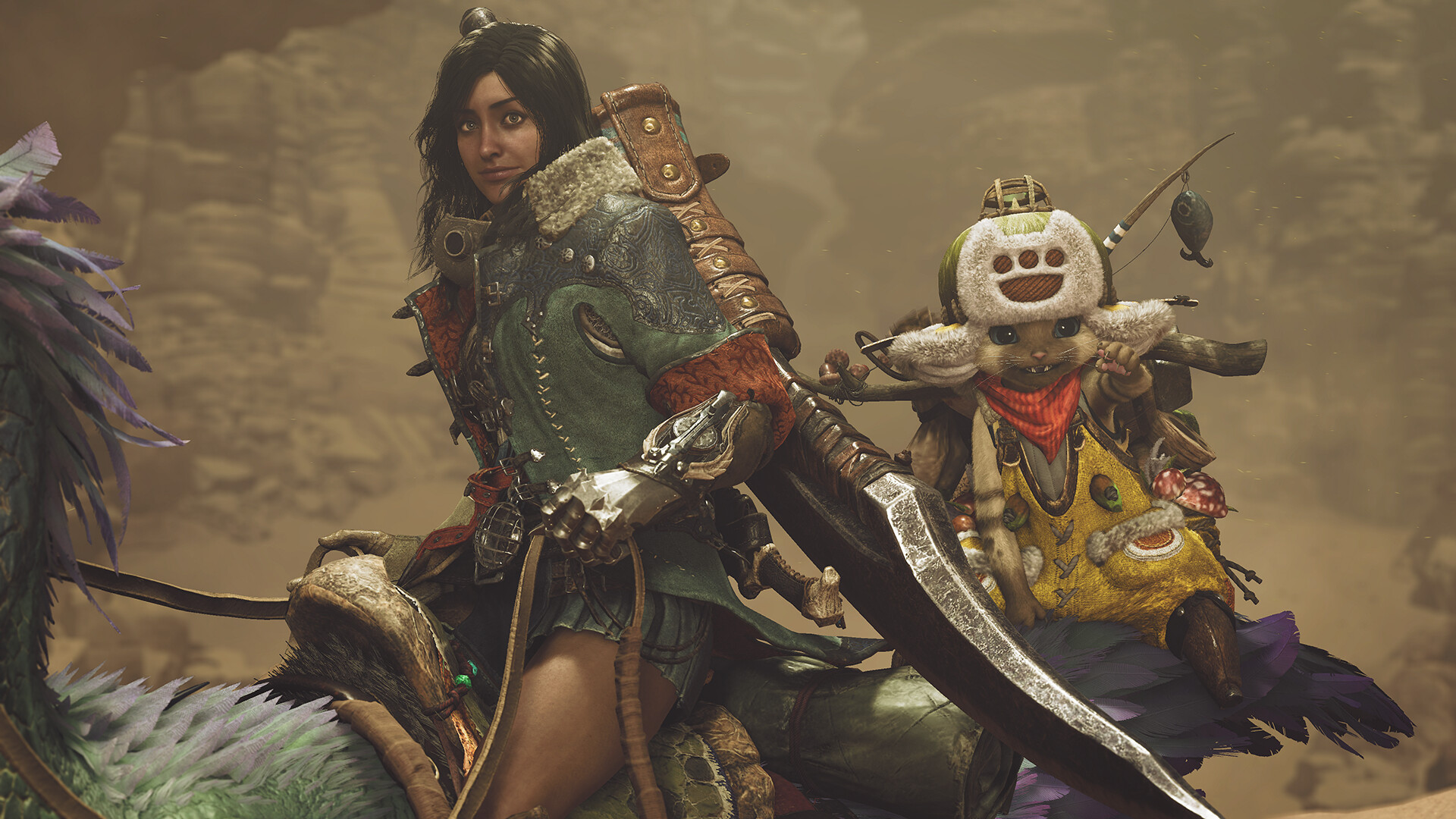
Screenshots


Reviewed by
MH Wilds Guides Editorial
Expertise: Editorial team behind MH Wilds Guides. Content is compiled from official patch notes, community wikis, and playthrough notes, then reviewed and updated on schedule.
Sources
Monster Hunter Wilds Monsters Guides →
Browse the complete monsters collection and its focused guides.
Related Guides

🔥 Popular Guides
Monster Hunter Wilds Tier List: Best Weapons Ranked
Find the best Monster Hunter Wilds weapons ranked by tier, with S-tier picks, beginner advice, and tips for choosing your ideal hunting style.
Monster Hunter Wilds Builds Hub — Weapons, Armor & Meta
Monster Hunter Wilds builds hub: bow, bladescale honing, armor progression, and high-intent weapon guides in one place.
Best Bow Build Monster Hunter Wilds — Skills, Armor & Progression
Best Monster Hunter Wilds bow build: Bow Charge Plus, Weakness Exploit, coating uptime, and Seregios Bladescale Loading synergy.

Bladescale Honing MH Wilds — Skill Effect, Weapons & Tips
Bladescale Honing MH Wilds: Seregios skill, special sharpness after perfect dodge, 1.4x damage window, and Bladescale Loading for bowguns.
📋 Patch Notes & Updates
🛠️ Popular Tools
Was this guide helpful?
Rate this guide so we can improve it.
Share your own tip
Found something not in the guide? Submit it below — our editors review every tip before publishing. No account required.