 Monster Hunter Wilds
Monster Hunter Wilds Beginner Guide: Smart Monster Hunter Wilds Beginner Tips
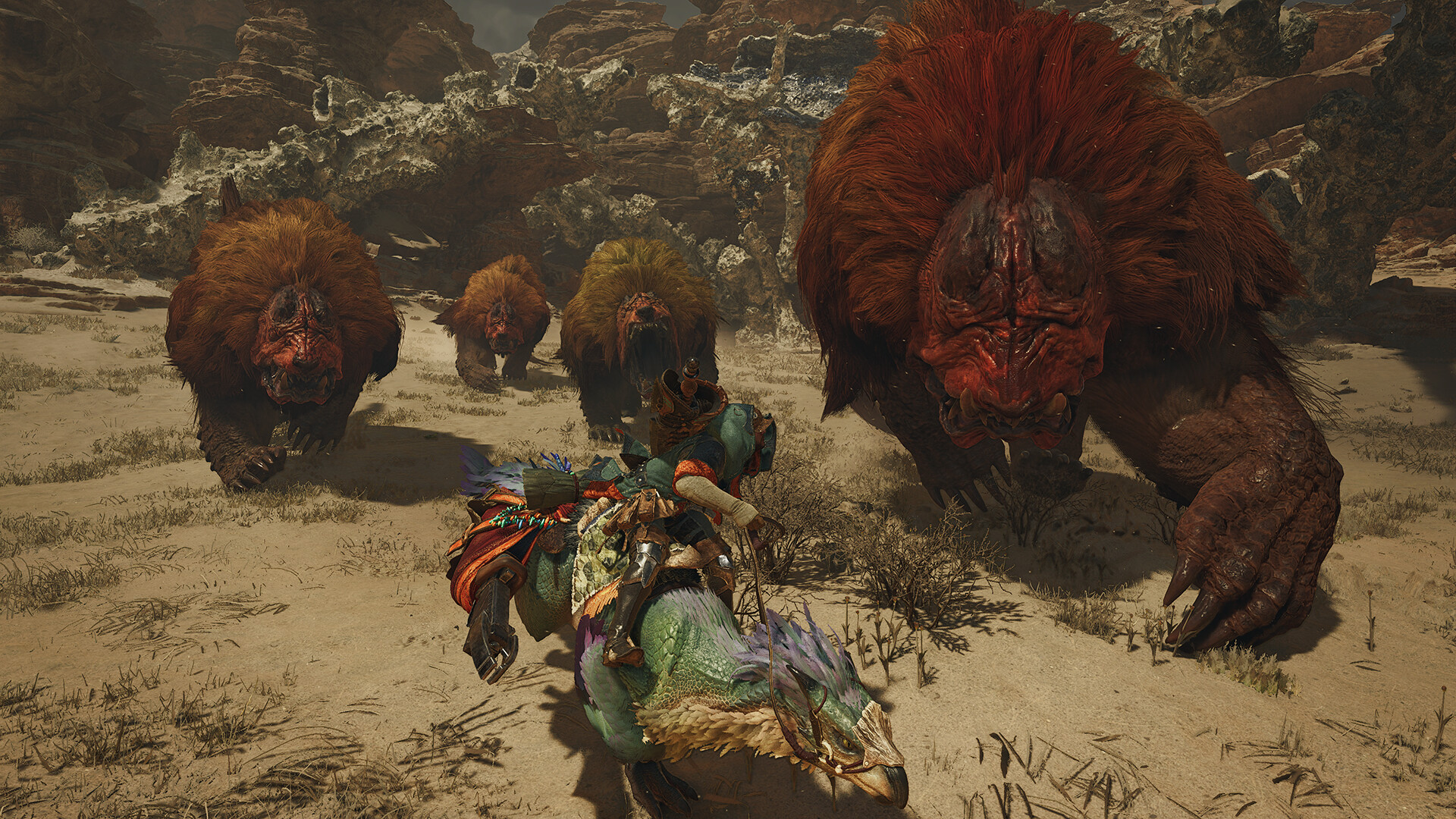
Quick Answer: Monster Hunter Wilds beginner tips focus on learning your weapon, eating before hunts, upgrading one gear path, gathering often, and avoiding overcommitment; the game also launched worldwide on February 28, 2025 for PS5, Windows, and Xbox Series X/S with cross-platform play Source.
First-Hour Checklist
Your first hour should be spent learning the village loop, setting up your gear, and doing a few low-pressure hunts instead of rushing straight into “real” monster business.
1) Finish the opening tutorials and unlock your hub flow
Do the intro quests and NPC conversations as soon as they appear, because Monster Hunter games love hiding useful systems behind “talk to this one person” errands.
- Open every new menu prompt once so you know where equipment, item loadouts, and quest boards live.
- Accept early tutorial hunts instead of skipping ahead.
- Read any weapon hints the game offers; even if you already know your main, Wilds may handle its flow a little differently than older entries.
2) Pick one weapon and stay married to it for a while
Choose a single weapon type for your first session and commit to learning its basics before experimenting.
- Use a straightforward weapon if you want clean fundamentals.
- Stick with it through at least a few hunts so muscle memory starts building.
- Don’t panic-switch every time a fight feels awkward; awkward is part of the genre’s charm.
3) Set up your item pouch and radial shortcuts
Organize your healing and utility items early so you stop fumbling mid-hunt like a hunter who just discovered their pockets are, in fact, full.
- Put healing items in the first easy-to-reach slots.
- Add capture and support items once they become available.
- Save a loadout if the game lets you, so future prep takes seconds instead of a whole soap opera.
4) Do a gathering pass before or after hunts
Take a short detour for herbs, minerals, bugs, and other basic materials whenever the route is safe.
- Grab common crafting materials whenever you see them.
- Mine and harvest anything that supports potions, traps, or ammo.
- Treat the map like a shopping trip, not a sprint.
5) Run one or two low-risk hunts for practice
Use early hunts to test positioning, dodging, and healing windows rather than chasing perfect clears.
- Focus on surviving, not speed.
- Watch how monsters telegraph attacks.
- Practice landing a few clean hits, then backing off before greed turns into a cart ride.
6) Eat or buff before every serious hunt
If Wilds gives you meal buffs or equivalent prep bonuses, use them before leaving.
- Treat pre-hunt buffs as mandatory, not optional.
- Refresh them whenever the game expects you to.
- Build the habit now so you never “forget food” on an important quest later.
What Should You Spend and Save First?
Your early resources should go into survivability, one weapon path, and a small stock of basic consumables before you start crafting fancy sidegrades.
| Priority | Spend on it first | Hoard for later | Why it matters |
|---|---|---|---|
| 1 | Healing items and basic survival consumables | Rare monster materials | Staying alive teaches more than dying with style |
| 2 | Upgrading one weapon line | Split investments across every weapon | Focus beats shallow progress |
| 3 | Starter armor or early defensive upgrades | Cosmetic detours or niche builds | Comfort and consistency matter most early |
| 4 | Crafting support items like traps or antidotes | Overcrafting every possible item | You only need a practical core kit at first |
What to craft early
Prioritize items that keep you in the hunt longer.
- Potions and whatever upgrades from them are available.
- Antidote-style cures if poison shows up in your current zone.
- Traps and capture tools once the game teaches them.
- Ammo or coatings only if your chosen weapon actually uses them.
What to save
Hold onto anything that feels rare, shiny, or clearly tied to future progression.
- Monster parts that look like upgrade bottlenecks.
- Special coins, tokens, or quest rewards with obvious late-game value.
- Materials you have only a couple of copies of and cannot easily replace.
What not to overspend on
Avoid burning important resources on experimental builds too early.
- Don’t spread upgrade materials across several weapons.
- Don’t over-invest in armor you plan to replace immediately.
- Don’t blow rare components on “maybe this will work” crafting unless you already know the build path.

Common Newbie Mistakes and How to Fix Them
A lot of first-timer frustration comes from habits that are fixable after one or two hunts.
1) Greeding one combo too long
New players often keep attacking until the monster punishes them hard, then wonder why their health bar disappeared in a dramatic flash.
Fix: Stop comboing earlier than you think you need to.
- Watch the monster’s body language between your hits.
- Leave one button press “in reserve” so you can dodge.
- Trade a little damage for better positioning; that trade usually pays off.
2) Ignoring defense and survivability
It is very tempting to chase the biggest attack number and pretend armor is a conspiracy.
Fix: Build for comfort first, damage second.
- Upgrade gear when defense starts lagging behind current hunts.
- Slot survivability skills if the game offers them and you keep getting knocked around.
- Use healing items proactively instead of waiting until you are one sneeze from fainting.
3) Carrying a messy item pouch
If your inventory is a random pile of forgotten herbs and panic tools, you will waste time hunting for the one item you actually need.
Fix: Create a standard pouch routine.
- Keep heals in the same place every time.
- Group status cures and utility items together.
- Restock after every quest so your next run starts clean.
4) Fighting every monster like it is a duel to the death
Beginners often stand toe-to-toe with huge monsters and try to “win” by staying aggressive the whole time.
Fix: Fight in cycles.
- Approach, strike, disengage, reassess.
- Learn safe openings instead of forcing damage.
- Let monster recovery animations do part of the work for you.
5) Crafting too many weapons too soon
A kitchen-sink armory sounds fun until your materials are gone and none of your weapons are properly upgraded.
Fix: Pick one main weapon path early.
- Finish a basic progression line before branching out.
- Try other weapon types in practice, not as your main upgrade sink.
- Keep your strongest materials focused where they matter most.
When Are You No Longer a Beginner?
You are out of the beginner phase when you can prepare for a hunt without thinking hard and survive most early monsters without panic healing every minute.
Signs you have crossed the line
- You know where your healing and utility items belong without checking.
- You can read common attack tells and dodge them reliably.
- You understand when to attack and when to back off.
- You have one weapon you can use comfortably in real hunts.
- You can upgrade gear with a plan instead of guessing.
A practical graduation test
If you can do the following without feeling lost, you are past the tutorial stage:
- Prep your loadout in a minute or less.
- Complete a hunt while spending most of your time on positioning rather than menu management.
- Recover from a mistake without collapsing into a full-cart disaster.
- Understand what a new material is for before spending it.
Monster Hunter Wilds Beginner Tips That Actually Matter
These monster hunter wilds beginner tips are the ones that save the most time and frustration.
Learn the monster, not just your weapon
A strong hunter is part weapon master, part monster therapist with excellent timing.
- Study attack animations first.
- Notice which moves leave long punish windows.
- Remember that monsters often repeat patterns, especially during early encounters.
Use the environment
If the map gives you terrain tools, hazards, or traversal routes, use them.
- Reposition instead of tanking damage.
- Look for safe angles that let you heal.
- Treat the arena as part of the strategy, not just scenery.
Keep your sessions focused
Short, goal-driven play sessions are better than wandering aimlessly and then realizing you forgot what you were hunting for.
- Set one goal per session: learn a weapon move, farm materials, or beat one target monster.
- Do not try to master everything at once.
- Celebrate small upgrades; they add up fast in this series.
First-Time Build and Progression Advice
Your best early build is usually the boring one that keeps you alive, makes your hits consistent, and uses materials efficiently.
A simple early progression plan
- Start with one weapon you enjoy using.
- Upgrade it along a single path until the next meaningful option appears.
- Wear armor that supports survival and steady play.
- Add specialization later, after you understand how often you actually need it.
How to think about roles
Even if you are playing solo, your build should have a job.
- Survival: take fewer unnecessary risks.
- Consistency: land clean hits more often.
- Utility: carry the items that solve common problems.
- Flexibility: leave room to adjust once you know the game’s rhythm.
Useful Internal Links for Your Next Step
Once you have the basics down, move into deeper planning with these next-step resources:
- related guide for weapon tier and beginner-friendly picks
- get hunter symbol for armor progression and upgrade priorities
- related guide for a story walkthrough and quest flow
Sources
Screenshots
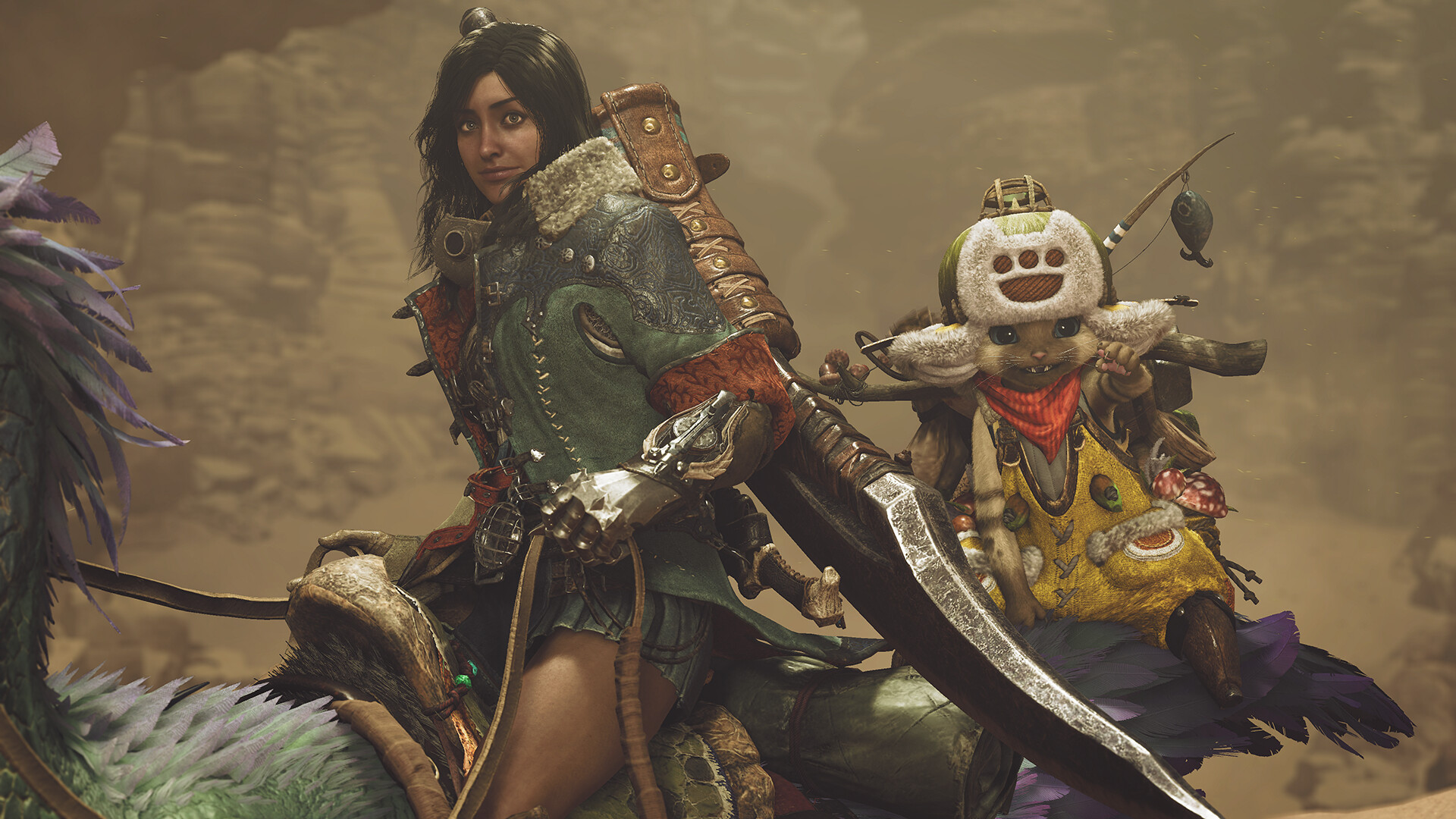


Reviewed by
MH Wilds Guides Editorial
Expertise: Editorial team behind MH Wilds Guides. Content is compiled from official patch notes, community wikis, and playthrough notes, then reviewed and updated on schedule.
Sources
Monster Hunter Wilds Monsters Guides →
Browse the complete monsters collection and its focused guides.
Related Guides

🔥 Popular Guides
Monster Hunter Wilds Good Beginner Weapons: Complete Beginner Guide
Best starter weapons, first-hour checklist, common mistakes, and beginner progression tips for Monster Hunter Wilds.
Monster Hunter Wilds patch notes 2026-09-04: Patch Notes Explained
Explained update notes, verified fixes, content changes, and what hunters should do next in Monster Hunter Wilds.
monster hunter wilds weapons for beginners: Beginner Guide
Learn the best starter weapons, first-hour priorities, common mistakes, and when you have outgrown beginner play in Monster Hunter Wilds.
Monster Hunter Wilds mh wilds balance patch notes Explained
Patch-by-patch Monster Hunter Wilds balance changes, winners, losers, and what players should do after Version 1.030.01.00.
📋 Patch Notes & Updates
🛠️ Popular Tools
Was this guide helpful?
Rate this guide so we can improve it.
Share your own tip
Found something not in the guide? Submit it below — our editors review every tip before publishing. No account required.