 Monster Hunter Wilds
Monster Hunter Wilds Best Class for Beginners: A Starter Guide
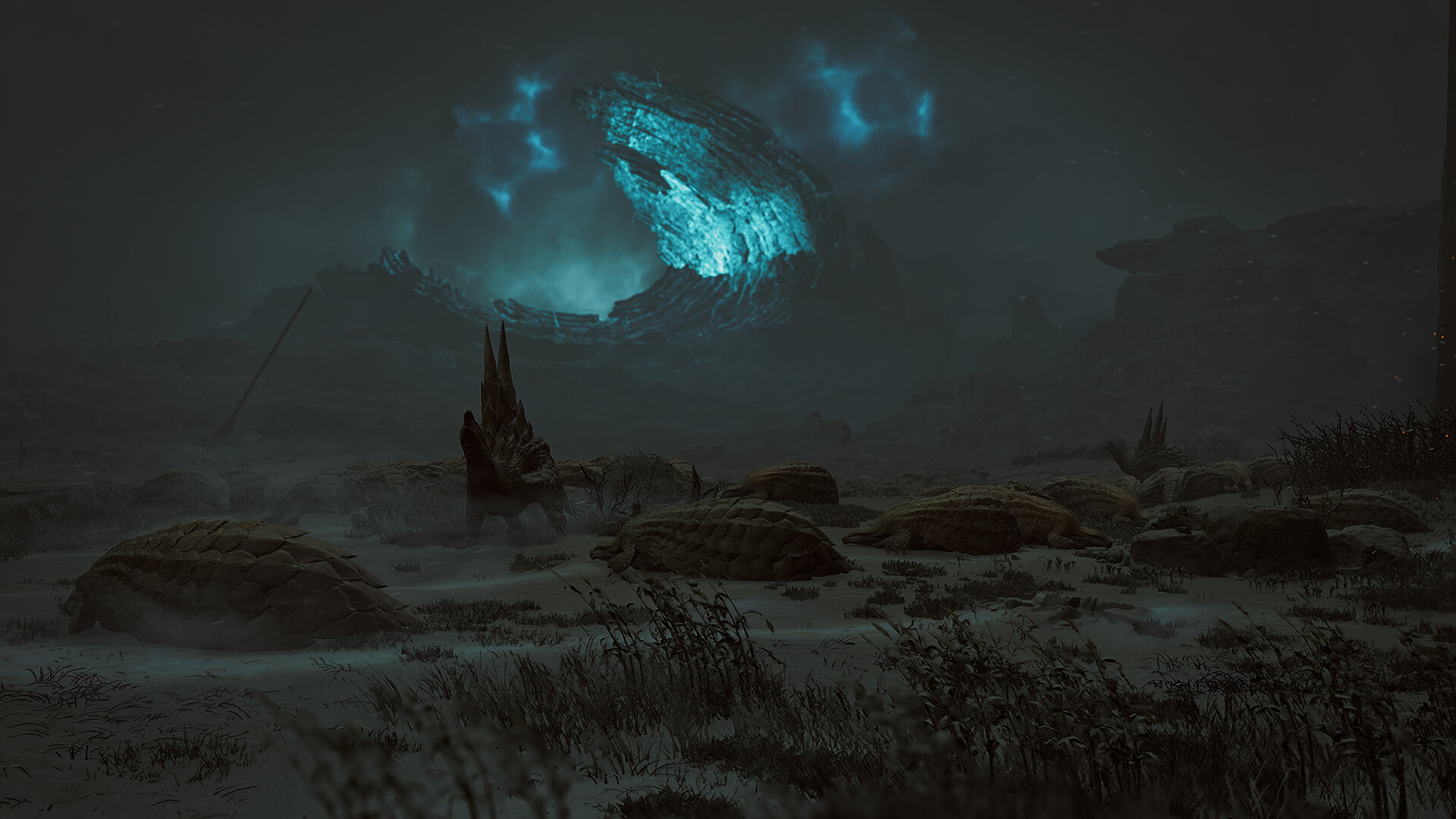
Quick Answer: The monster hunter wilds best class for beginners is usually a weapon with simple combos, solid defense, and forgiving timing—like Sword and Shield, Great Sword, or Long Sword—because they teach core hunting habits without overwhelming you.
What “best class” means in Monster Hunter Wilds
The best beginner class in Monster Hunter Wilds is the weapon that helps you survive, learn monster behavior, and stay consistent while you build confidence.
Monster Hunter has never been a true “pick a class and level up” game in the traditional sense. Instead, your weapon choice defines your playstyle, and that choice matters a lot more than raw damage early on. If you want the easiest on-ramp, you should prioritize weapons that:
- Have simple, readable combo patterns
- Let you recover safely after mistakes
- Work well even when you are still learning monster openings
- Do not demand perfect aim, positioning, or resource management
That is why the monster hunter wilds best class for beginners is less about “highest damage” and more about “lowest frustration.” A weapon that keeps you alive while you learn is almost always the right call.
Monster Hunter Wilds also sits in a series that thrives on patience and adaptation. The game’s world is built around “the unbridled force of nature” and environments that can change drastically from one moment to the next, which means your first job is learning to respond rather than forcing a flashy playstyle Source.
Best beginner weapon choices
The easiest beginner weapons are the ones that forgive mistakes and still let you contribute meaningfully in hunts.
Here is a practical beginner-friendly shortlist:
| Weapon | Why it’s beginner-friendly | Watch out for |
|---|---|---|
| Sword and Shield | Fast, flexible, easy to sheath, good for learning item use and positioning | Lower reach than larger weapons |
| Great Sword | Simple fundamentals, huge punishes, teaches timing and spacing | Slow swings can punish greedy play |
| Long Sword | Smooth combos, strong flow, rewards good positioning | You can overcommit if you chase flashy strings |
| Hammer | Straightforward offense and good stagger pressure | Requires you to understand head positioning |
| Bow | Safe ranged option with good mobility | Needs stamina awareness and aim |
Sword and Shield: safest all-round choice
Sword and Shield is often the best “first weapon” for new players because it lets you attack, dodge, and use items without feeling locked in.
It is a great option if you want:
- Fast attacks and quick recovery
- Easy access to healing items
- A forgiving learning curve
- Low commitment when testing monster openings
If you are completely new to the series, this is probably the most comfortable entry point for the monster hunter wilds best class for beginners conversation.
Great Sword: slow but simple
Great Sword is excellent if you like clear, heavy hits and do not mind moving deliberately.
It teaches three core skills very well:
- Patience
- Positioning
- Reading monster animations
The downside is obvious: if you swing too early or too often, you will miss and get punished. Still, its simplicity makes it one of the best starter weapons for players who want a straightforward plan.
Long Sword: easy to learn, harder to master
Long Sword feels smooth and stylish, which is why many beginners gravitate toward it.
It offers:
- Good reach
- Comfortable flow between attacks
- Strong payoff when you learn monster timing
The caution is that its clean feel can tempt you into overextending. If you pick Long Sword, focus on learning one safe combo first instead of trying to play aggressively from the start.
Hammer: simple offense, strong impact
Hammer is a solid beginner option if you like blunt-force, close-range combat.
Why it works well:
- The moveset is easy to understand
- It rewards good positioning near the monster’s head
- You get a clear sense of impact and momentum
The main skill check is learning where to stand. Hammer is simple in concept, but beginners still need to avoid chasing the monster blindly.
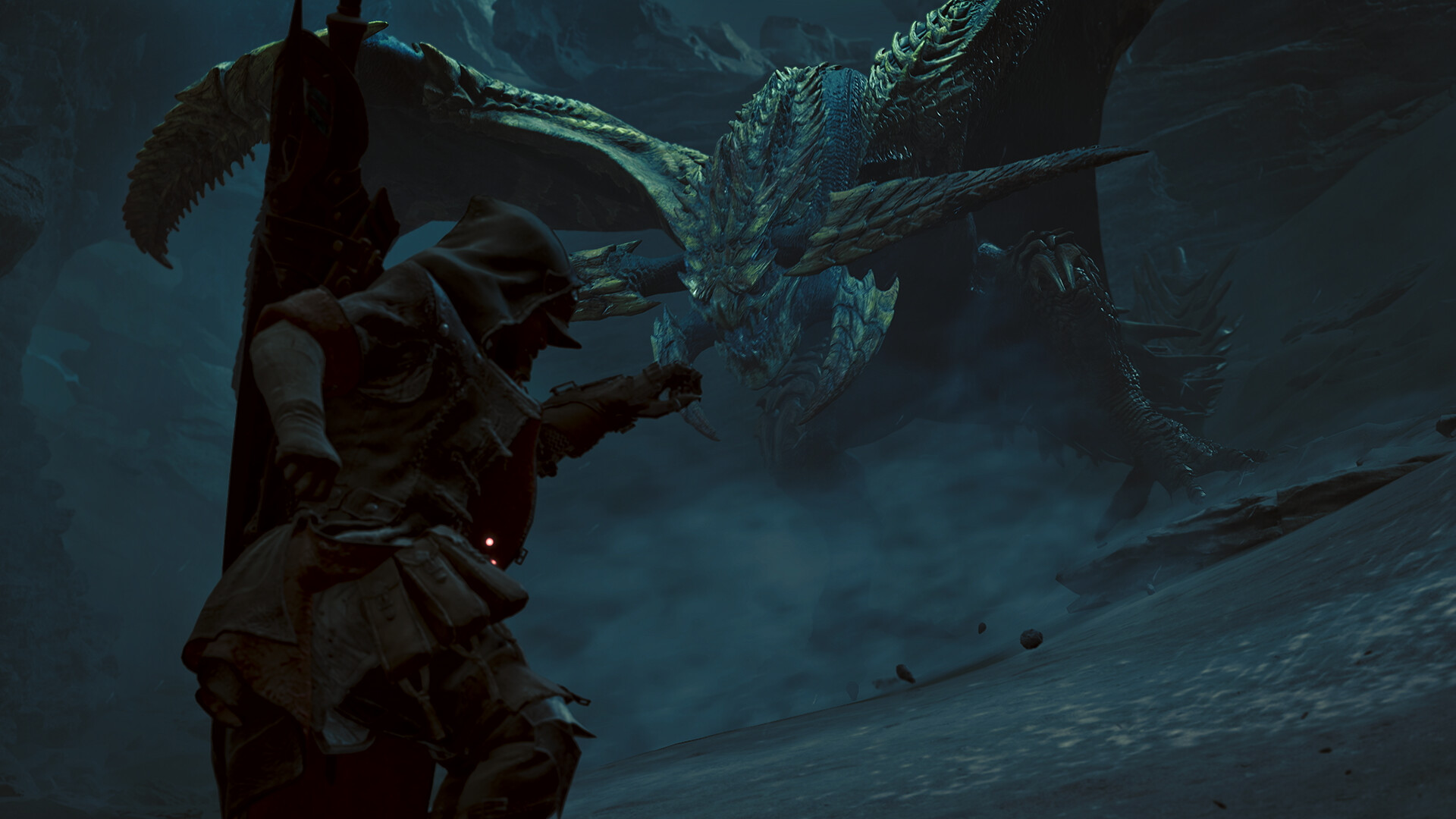
First-hour checklist
Your first hour should be spent unlocking basics, testing weapons, and getting comfortable with the hunt loop.
Use this checklist as soon as you gain control:
- Talk to every key NPC tied to tutorials, equipment, and quest progression.
- Test at least three weapons in a safe training or early practice setting.
- Lock in one weapon for your first real hunts instead of switching constantly.
- Learn how healing, sharpening, and item use feel under pressure.
- Check your map and environmental tools so you are not discovering them mid-fight.
- Accept the earliest quests that teach tracking, gathering, and combat fundamentals.
- Gather common materials whenever the route is safe so you do not need to farm later.
- Practice sheathing your weapon quickly so you can move, heal, and reposition.
What to focus on first
Your first goal is not “mastering combat.” Your goal is simply to reduce confusion.
A good early session looks like this:
- Pick one weapon you actually enjoy.
- Run a few low-risk encounters.
- Learn how long your animations take.
- Notice when monsters recover, charge, or create openings.
- Keep your item pouch organized enough to heal without panic.
If you do those things in the first hour, you are already ahead of many new players.
Resource priority order
You should spend on survival, utility, and weapon comfort before anything flashy.
A useful priority order is:
- Healing and survival items
- Basic weapon upgrades
- Armor that improves comfort
- Essential crafting materials
- Convenience items
- Cosmetic or situational extras
What to hoard early
Early on, hoard anything that keeps your hunt loop stable.
Prioritize holding onto:
- Healing materials
- Crafting components used in multiple recipes
- Basic upgrade materials
- Consumables that help with survivability
- Rare monster parts until you know what you need for your weapon path
Do not waste scarce materials on items you do not understand yet. If you are unsure whether something is important, keep it until you have a clear upgrade plan.
What to spend first
Spend early resources on things that make hunts safer, not flashier.
Good early spending priorities:
- Health and recovery support
- One weapon path
- Armor pieces that help you survive mistakes
- Small quality-of-life upgrades that reduce downtime
Avoid spreading resources across multiple weapons too early. Monster Hunter rewards commitment more than experimentation once you start progressing.
Common beginner mistakes and how to fix them
The most common mistakes come from playing too aggressively, hoarding the wrong things, or ignoring basic combat habits.
1. Chasing damage instead of openings
New players often keep attacking because they want the hunt to end faster.
Fix: Wait for the monster to finish a visible attack, then use a short, safe combo instead of your longest string. If you are unsure, choose one hit less than you think you can get away with.
2. Carrying too many weapons at once
Switching weapons constantly makes it harder to learn timing, range, and recovery.
Fix: Pick one beginner-friendly weapon and stay with it long enough to learn its rhythm. If you want a backup later, add it after you are comfortable with your main choice.
3. Ignoring sharpening, healing, and positioning
A lot of beginners focus only on striking the monster and forget the support actions that keep hunts stable.
Fix: Build a habit loop: attack, disengage, check sharpness or stamina, reposition, then re-engage. That rhythm matters more than reckless aggression.
4. Burning through rare materials too early
It is easy to craft something just because it looks stronger.
Fix: Only spend rare materials when you know the upgrade will carry you through several hunts. If a material is scarce and the benefit is minor, hold it.
5. Fighting every monster the same way
Different monsters punish different habits, and treating them all as identical leads to repeated carting.
Fix: Spend the first minute of a hunt observing movement patterns. Ask yourself whether the monster prefers charges, area attacks, delays, or sudden reversals, then adjust your spacing.
How to know you are out of the beginner phase
You are out of the beginner phase when you can survive hunts by reading the monster instead of reacting in panic.
A good graduation threshold looks like this:
- You have one weapon you understand well enough to use without thinking about every button
- You can heal and reposition without freezing up
- You recognize basic attack tells
- You know when to disengage instead of forcing extra damage
- You have a rough idea of which materials support your chosen weapon path
Another strong sign is that you stop asking, “What am I supposed to do?” and start asking, “What is the safest opening here?” That shift means you are learning the game properly.
If you can complete early hunts consistently, recover from mistakes without spiraling, and choose upgrades with a plan, you are moving beyond the beginner stage.
Next steps after your first hunts
Your next move should be to narrow your build, learn one monster at a time, and follow a progression path that matches your weapon.
Good next-step resources to read:
- get hunter symbol for the best early weapon tier list
- related guide for beginner armor and build priorities
- related guide for an early game walkthrough and quest order
FAQ
Is there a single best weapon for every beginner?
No, because comfort matters more than strict power. Sword and Shield is usually the safest universal recommendation, but Great Sword, Long Sword, Hammer, and Bow can all be excellent depending on your playstyle.
Should I choose the weapon with the highest damage?
Not at first. A weapon only feels strong if you can land hits safely and consistently, so the best starter choice is the one that helps you learn the hunt loop.
Can I switch weapons later?
Yes, and you should once you understand the basics. It is smart to start with one easy weapon, then experiment later after you have built good habits.
Do I need to farm a lot in the beginning?
You should gather enough to stay stocked, but do not grind endlessly right away. Early progress is better spent learning monsters, testing weapons, and upgrading the tools you already use.
What matters more: armor defense or weapon damage?
For beginners, defense and survivability usually matter more. Living longer gives you more chances to learn, and that learning pays off faster than chasing raw damage too early.
Sources
Screenshots
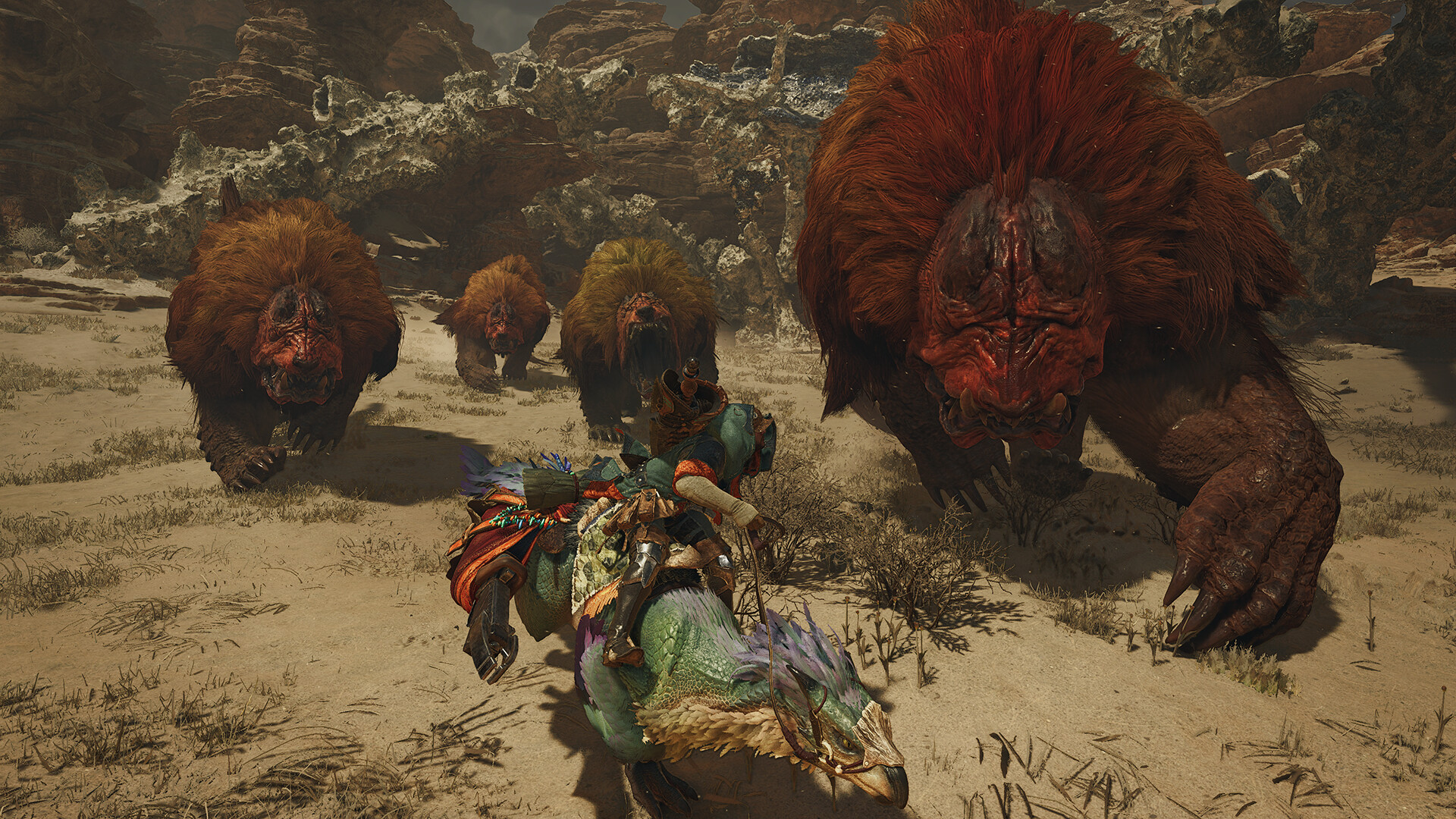


Reviewed by
MH Wilds Guides Editorial
Expertise: Editorial team behind MH Wilds Guides. Content is compiled from official patch notes, community wikis, and playthrough notes, then reviewed and updated on schedule.
Sources
Monster Hunter Wilds Monsters Guides →
Browse the complete monsters collection and its focused guides.
Related Guides
🔥 Popular Guides
Monster Hunter Wilds Good Beginner Weapons: Complete Beginner Guide
Best starter weapons, first-hour checklist, common mistakes, and beginner progression tips for Monster Hunter Wilds.
Monster Hunter Wilds patch notes 2026-09-04: Patch Notes Explained
Explained update notes, verified fixes, content changes, and what hunters should do next in Monster Hunter Wilds.
monster hunter wilds best hammer build
Best Hammer build guide for MH Wilds with gear, skills, progression, counters, and endgame options.
monster hunter wilds best hbg build
Best Heavy Bowgun build guide for MH Wilds with gear, priorities, counters, and budget-to-endgame advice.
📋 Patch Notes & Updates
🛠️ Popular Tools
Frequently Asked Questions
Quick answers from the guide · click a question to expand.
Is there a single best weapon for every beginner?
No, because comfort matters more than strict power. Sword and Shield is usually the safest universal recommendation, but Great Sword, Long Sword, Hammer, and Bow can all be excellent depending on your playstyle.
Should I choose the weapon with the highest damage?
Not at first. A weapon only feels strong if you can land hits safely and consistently, so the best starter choice is the one that helps you learn the hunt loop.
Can I switch weapons later?
Yes, and you should once you understand the basics. It is smart to start with one easy weapon, then experiment later after you have built good habits.
Do I need to farm a lot in the beginning?
You should gather enough to stay stocked, but do not grind endlessly right away. Early progress is better spent learning monsters, testing weapons, and upgrading the tools you already use.
What matters more: armor defense or weapon damage?
For beginners, defense and survivability usually matter more. Living longer gives you more chances to learn, and that learning pays off faster than chasing raw damage too early.
Was this guide helpful?
Rate this guide so we can improve it.
Share your own tip
Found something not in the guide? Submit it below — our editors review every tip before publishing. No account required.