 Monster Hunter Wilds
Monster Hunter Wilds Build Dual Blades
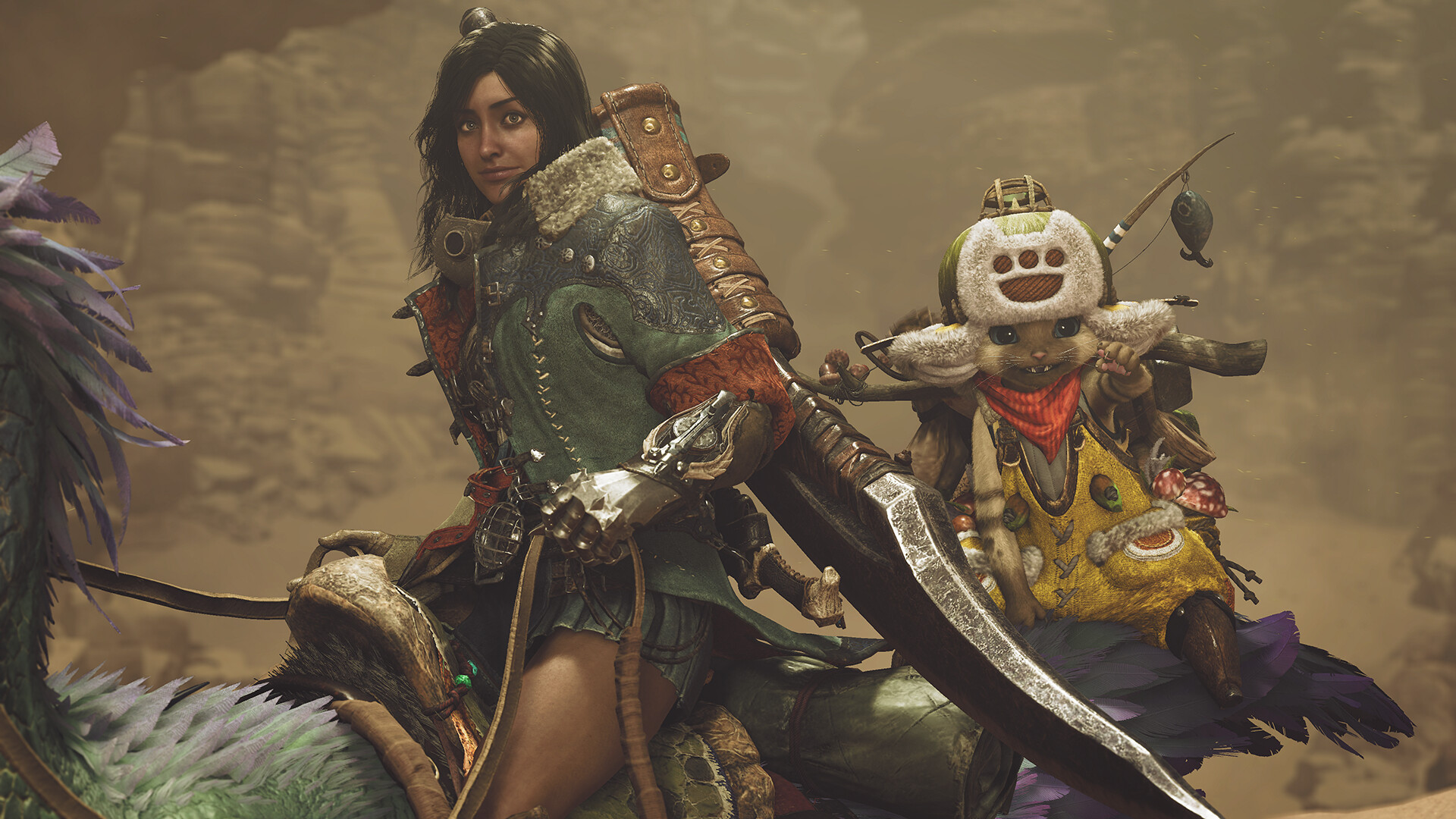
Quick Answer: The best monster hunter wilds build dual blades setup is an aggressive elemental melee build that prioritizes uptime, stamina management, and affinity scaling to keep Demon Mode pressure high while staying mobile and safe.
Build Identity
This dual blades build is a fast, close-range pressure setup built around sustained elemental damage, evasive positioning, and relentless weak-point uptime.
Dual Blades reward players who can stay on target, exploit openings quickly, and convert every knockdown into a burst window. In the current meta, this is the weapon for hunters who want constant motion rather than slow commit-to-hit trading. It performs best when you treat stamina as a resource to manage, not something to spend carelessly.
Monster Hunter Wilds launched as a 2025 action RPG from Capcom Source, and the game’s own premise emphasizes a world of shifting environments and duality Source. That fits Dual Blades well: this weapon is about adapting quickly, maintaining tempo, and punishing openings before they close.
What This Build Does Well
- Delivers strong sustained damage on mobile targets.
- Converts elemental advantage into reliable DPS.
- Stays effective in short punish windows.
- Uses mobility to reduce downtime and recover safely.
What It Does Poorly
- Loses value if you cannot stay near the target.
- Gets stressed by stamina denial and long disengages.
- Needs good matchup knowledge more than slower weapons do.
Stat Priorities
These are the priorities for a monster hunter wilds build dual blades setup, ordered by how much they usually affect real hunt performance.
Elemental attack for your target’s weakness
Dual Blades typically scale best when the matchup is exploited correctly, because rapid hits multiply the value of elemental damage.Affinity and crit consistency
Crit uptime matters because Dual Blades land many small hits, so stable affinity is more valuable than occasional big spikes.Sharpness management
Fast-hit weapons burn through sharpness quickly, so preserving your damage tier directly improves hunt efficiency.Stamina support
Demon Mode-style pressure is only strong if you can keep attacking without running dry at the wrong moment.Raw attack as a secondary layer
Raw still matters, but it usually sits behind elemental and uptime tools unless your available weapon pool changes the math.

Skill Priority
This is the skill order I would use when building from core to luxury pieces.
| Priority | Skill Type | Why It Matters |
|---|---|---|
| 1 | Elemental damage boosts | Dual Blades gain a lot from matching the target’s weakness. |
| 2 | Critical rate / crit damage | Many hits make consistency valuable across the full hunt. |
| 3 | Sharpness maintenance | You want less downtime and fewer forced disengages. |
| 4 | Stamina economy | Lets you stay in pressure mode longer. |
| 5 | Mobility / evasion support | Helps you keep contact with fast or dangerous monsters. |
| 6 | Raw attack modifiers | Best after the core damage and comfort layers are online. |
Rotation Priority
Use the following priority order instead of thinking in a rigid combo script:
- Identify the weak zone and commit to it only when safe.
- Enter your offensive stance only when the monster has already spent its move.
- Spend burst windows on dense hit strings, not on chasing late repositioning.
- Refresh sharpness before it becomes a damage loss in the middle of pressure.
- Back off to recover stamina before the gauge collapses.
- Re-enter immediately after recovery so you do not give up tempo.
This weapon is less about memorizing one fixed combo and more about reading the opening economy of the fight. If the monster is a frequent mover, your priority is contact maintenance. If it is a punish-heavy boss, your priority is front-loading damage into every knockdown.
Gear and Loadout
This loadout favors general-purpose dual blades play in the current meta, with room to swap pieces based on elemental matchup and comfort needs.
| Slot | Item | Reason |
|---|---|---|
| Weapon | Highest-uptime dual blades for the target’s weakness | Elemental matching is the main damage lever for this build. |
| Head | Damage or crit-focused headgear | Helps secure your baseline offensive scaling. |
| Chest | Stamina or mobility-friendly armor | Improves your ability to stay in range without overcommitting. |
| Arms | Affinity or sharpness support piece | Reduces how often your DPS collapses from weapon maintenance. |
| Waist | Flexible utility armor | Good place for comfort or matchup-specific mitigation. |
| Legs | Evasion or resource sustain piece | Lets you keep pressure without bleeding uptime. |
| Charm / Talisman | Elemental, affinity, or stamina support | Fill the biggest remaining gap in your stat profile. |
| Mantle / Consumable slot | Offensive or survival utility | Use this to patch the exact hunt phase that gives you trouble. |
Loadout Rules
- Match the weapon element to the monster whenever the matchup allows it.
- Keep one comfort option in the build so you are not forced into perfect play every hunt.
- Do not overbuild raw attack if it costs you sharpness, affinity, or stamina stability.
- Treat defensive pieces as tempo tools, not passive safety padding.
Budget vs Endgame Variant
The budget version should be built around available stats and comfort, while the endgame version should sharpen the weapon’s real strengths: elemental scaling, crit consistency, and uptime.
Budget Starter Variant
- Use your best available dual blades, even if the elemental match is imperfect.
- Prioritize armor with any combination of stamina help, affinity, or mobility.
- Take comfort over perfect optimization if it prevents constant cart-risk mistakes.
- Use consumables to cover gaps you cannot yet solve with gear.
Endgame Variant
- Run a weapon matched to the monster’s weakness whenever possible.
- Push crit consistency and elemental scaling before luxury comfort.
- Trim dead defensive value once you can survive the fight pattern cleanly.
- Optimize for sharpness and uptime so your burst windows stay efficient.
Upgrade Path
- Replace mismatched weapons with the correct elemental pair.
- Improve affinity until crits become reliable across the hunt.
- Add sharpness support so your damage does not fall off mid-fight.
- Convert leftover slots into stamina or mobility comfort.
- Only then add extra raw if the build still has room.
Counters and Hard Matchups
This build gets checked hardest by monsters that force disengagement, deny clean hit-and-run loops, or punish greedy stamina use.
The main failure case is simple: if the monster spends too much time out of range, the build loses a large share of its value. Dual Blades are strongest when they can keep a target in their preferred lane, and that is exactly what some matchups refuse to allow.
What Shuts It Down
- Long, repeated repositioning.
- Frequent area denial that breaks melee contact.
- Stamina pressure that interrupts Demon Mode-style tempo.
- Small or awkward hit zones that reduce value from rapid strings.
How to Adapt
- Swap to a safer element if the standard weakness target is too hard to access.
- Build more evasion if the monster’s threat is contact-based.
- Play shorter burst cycles instead of chasing unsafe extended strings.
- Back off sooner when stamina recovery becomes the bottleneck.
- Use beginner build tips logic from your general elemental build framework if the hunt demands a different weakness profile.
Matchup Tiers
This is a practical tier ranking for how comfortable the build usually feels into common enemy profiles.
| Tier | Matchup Profile | Notes |
|---|---|---|
| S | Slow, predictable, weak-point dense monsters | Ideal dual blades targets with long punish windows. |
| A | Mobile but readable targets | Still strong if you manage stamina and spacing well. |
| B | High-mobility targets with short windows | Viable, but your uptime discipline matters a lot. |
| C | Heavy disengage or constant denial patterns | These fights require adaptation and more comfort gear. |
Playstyle Notes
This weapon rewards hunters who think in terms of contact time, not just damage per combo.
- Stay close enough to threaten every recovery animation.
- Spend your highest-commitment pressure only after a real opening.
- Reset your positioning before you become forced into panic movement.
- Use burst windows to front-load damage, then leave before the monster turns the pace.
- Learn which monster animations create guaranteed pressure and which ones are bait.
That is the core of a strong monster hunter wilds build dual blades setup: high tempo, disciplined stamina use, and a gear path that supports consistent elemental pressure instead of bloated stat noise.
Sources
Screenshots
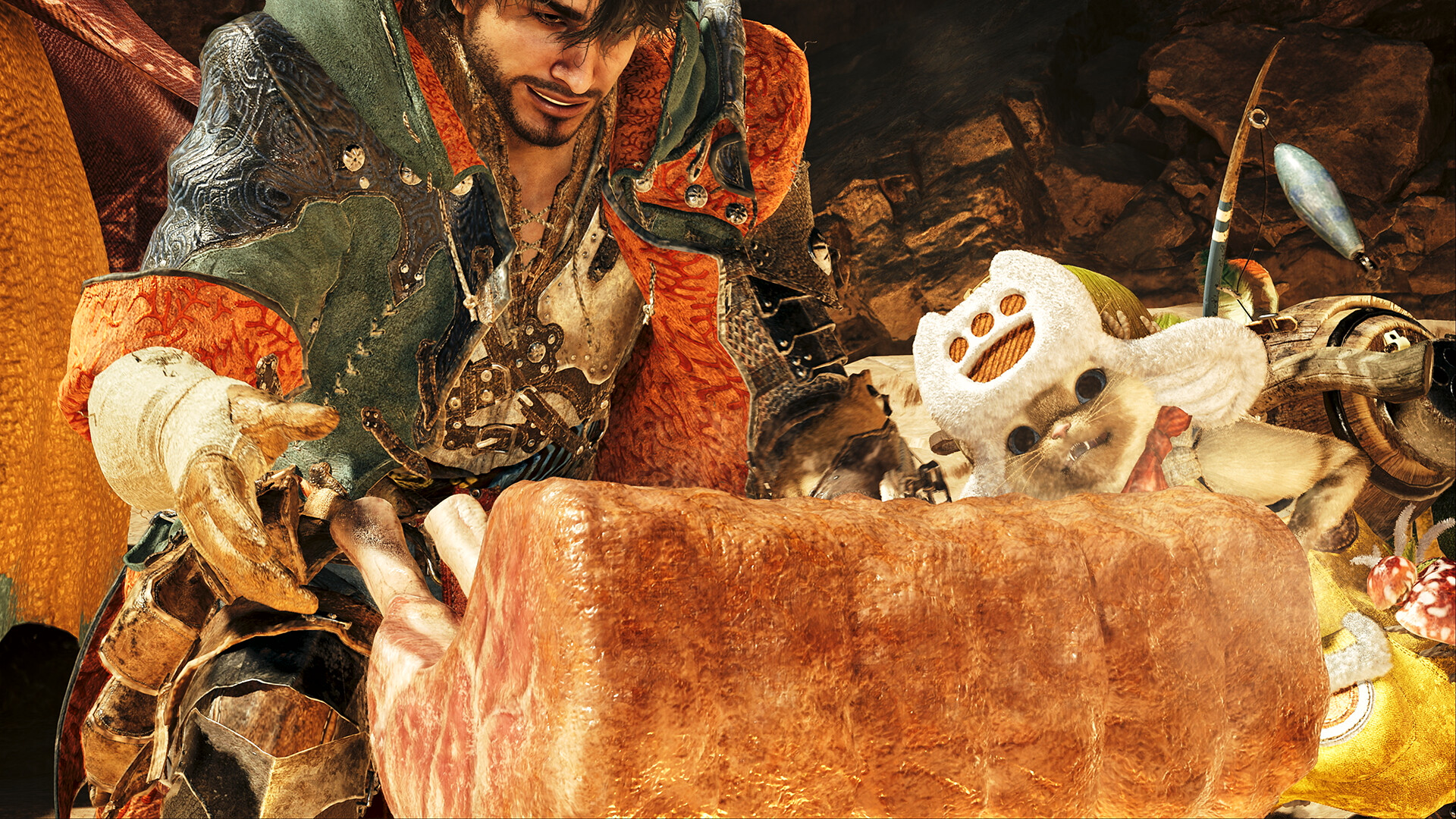
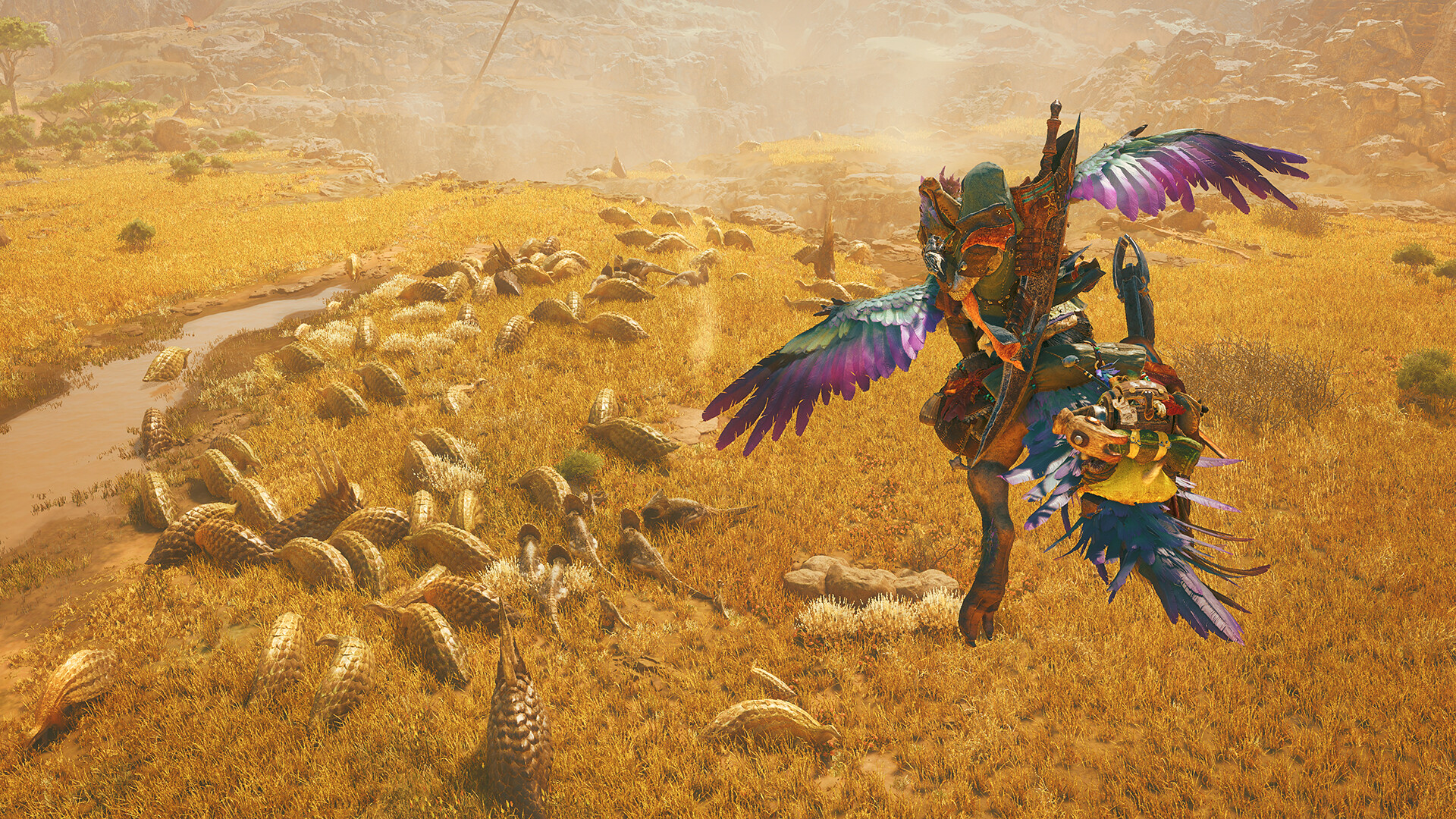

Reviewed by
MH Wilds Guides Editorial
Expertise: Editorial team behind MH Wilds Guides. Content is compiled from official patch notes, community wikis, and playthrough notes, then reviewed and updated on schedule.
Sources
Monster Hunter Wilds Weapons Guides →
Browse the complete weapons collection and its focused guides.
Related Guides
🔥 Popular Guides
Monster Hunter Wilds Good Beginner Weapons: Complete Beginner Guide
Best starter weapons, first-hour checklist, common mistakes, and beginner progression tips for Monster Hunter Wilds.
Monster Hunter Wilds patch notes 2026-09-04: Patch Notes Explained
Explained update notes, verified fixes, content changes, and what hunters should do next in Monster Hunter Wilds.
monster hunter wilds weapons for beginners: Beginner Guide
Learn the best starter weapons, first-hour priorities, common mistakes, and when you have outgrown beginner play in Monster Hunter Wilds.

Monster Hunter Wilds mh wilds balance patch notes Explained
Patch-by-patch Monster Hunter Wilds balance changes, winners, losers, and what players should do after Version 1.030.01.00.
📋 Patch Notes & Updates
🛠️ Popular Tools
Was this guide helpful?
Rate this guide so we can improve it.
Share your own tip
Found something not in the guide? Submit it below — our editors review every tip before publishing. No account required.