 Monster Hunter Wilds
Monster Hunter Wilds Beginner Guide: Monsters, Early Progression, and Smart Starter Habits
Quick Answer: Monster Hunter Wilds monsters are best approached by learning the early combat loop, prioritizing weapon comfort, stocking healing items, and focusing on tracking, breaks, and upgrades before chasing optimization.
What Monster Hunter Wilds is asking you to learn first
Monster Hunter Wilds asks you to learn the basics of positioning, preparation, and monster behavior before you worry about perfect builds.
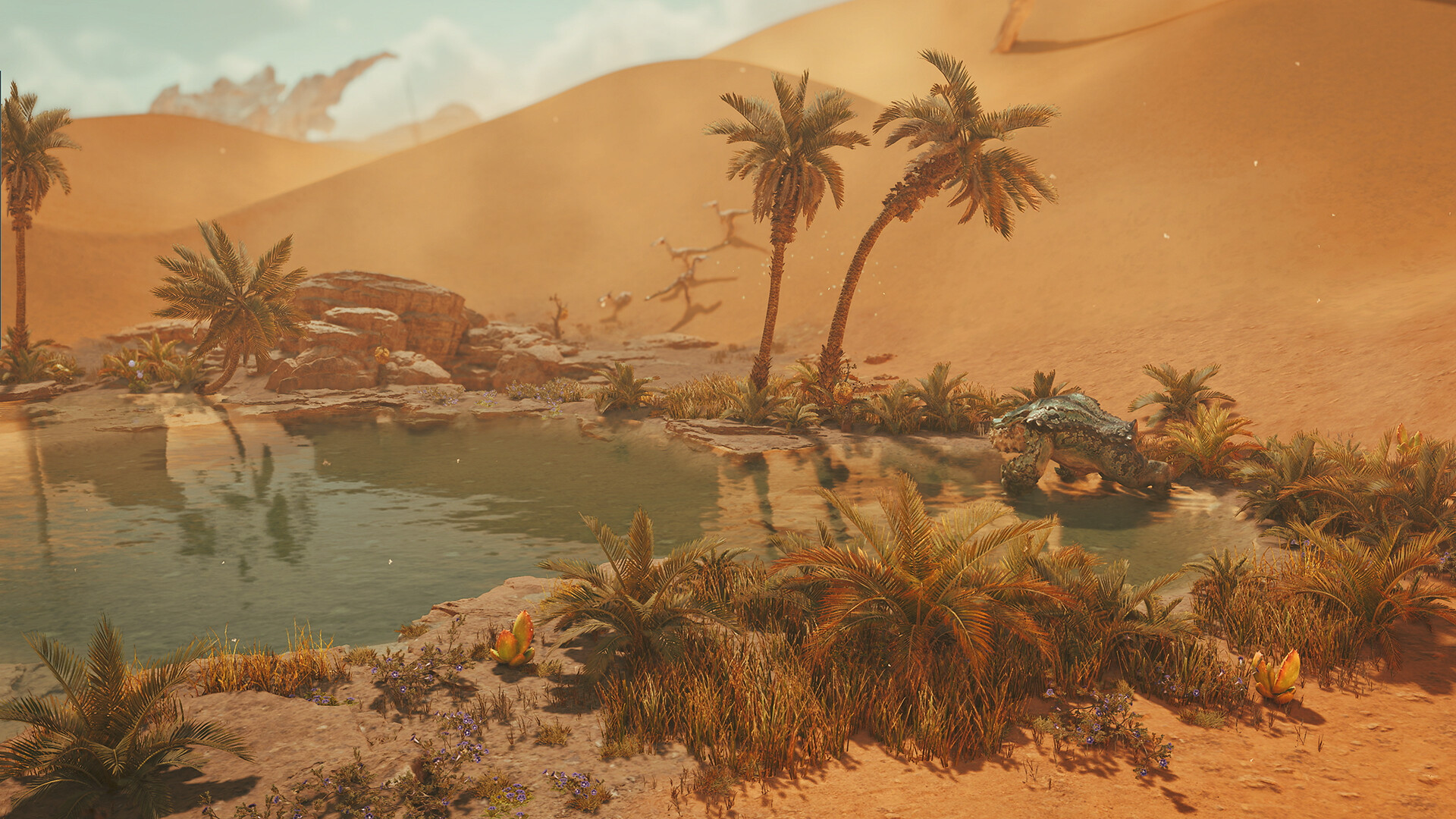
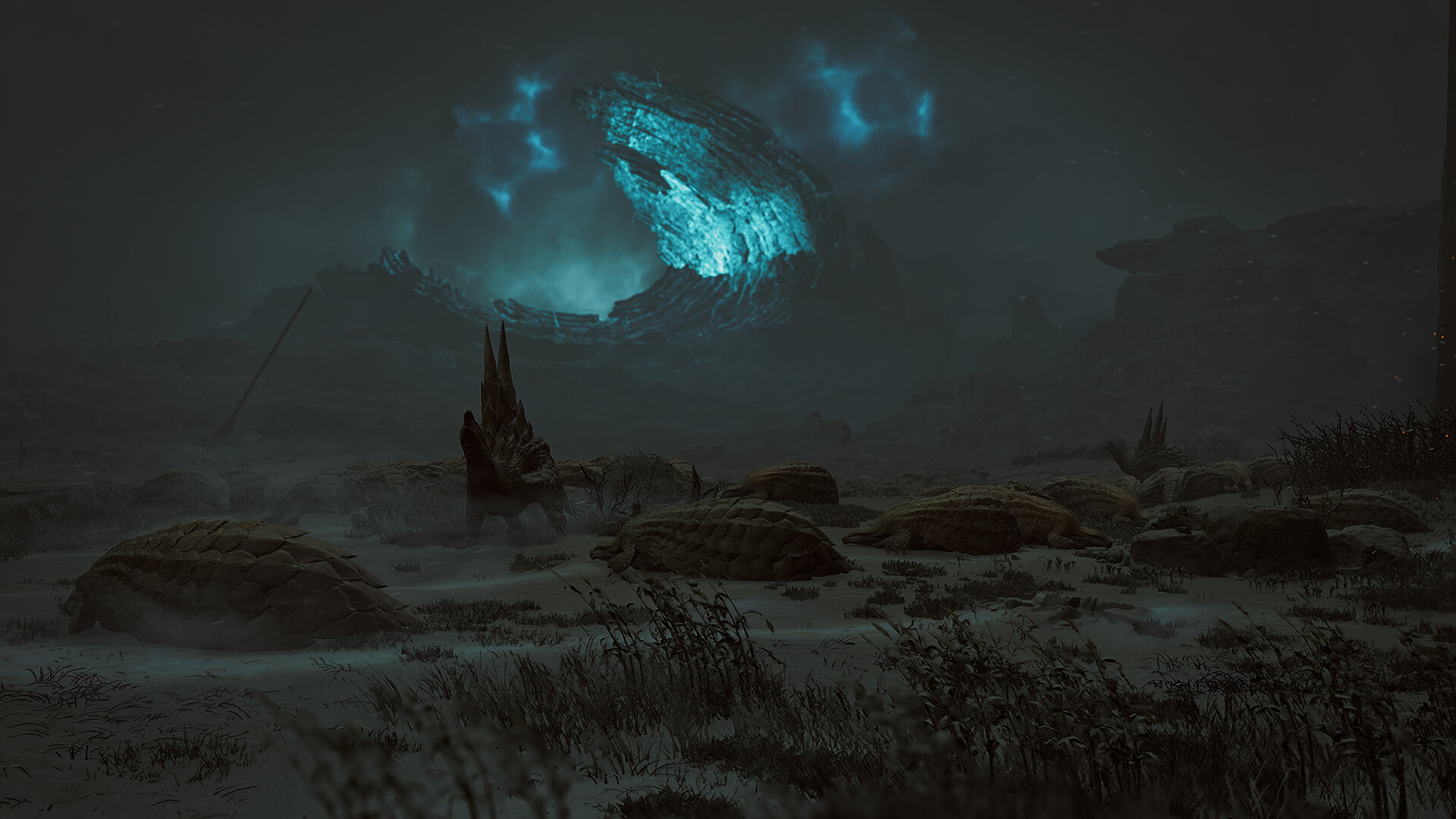
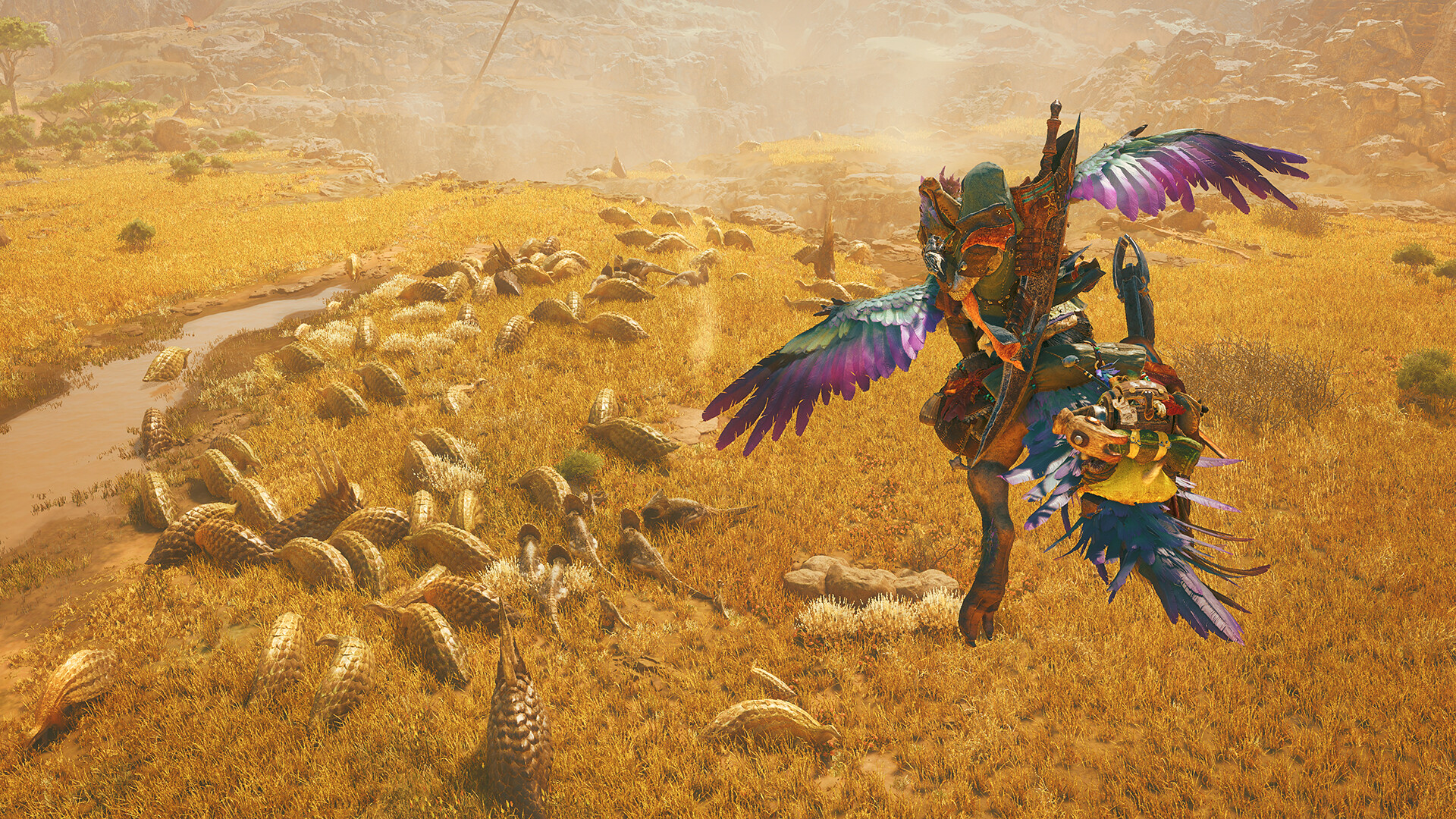
The game is built around adapting to a world where conditions change fast and the hunt can change with them, which fits the series’ whole “nature is absolutely not here to play nice” vibe. Capcom describes it as a world where the environment transforms drastically from one moment to the next, with monsters and humans struggling to coexist in a dualistic world Source.
Because of that, your first goal is not raw damage. It is understanding how a hunt flows:
- find the monster
- stay alive
- learn openings
- carve out safe damage
- leave with materials
If you treat the opening hours like a training montage instead of a speedrun, you will progress much faster.
First-hour checklist
Your first hour should be spent unlocking your comfort tools, learning the basic loop, and setting up your inventory so every hunt is less chaotic.
Do these actions right away
- Finish the early tutorial prompts instead of skipping past them.
- Test your preferred weapon on small targets and moving monsters.
- Set up your item loadout with healing, whetstones if applicable to your weapon flow, and other basic survival tools.
- Open the map and learn how to find objectives, camps, and monster tracks.
- Visit the smithy or equivalent crafting hub as soon as it is available.
- Accept beginner-friendly hunts and focus on one target at a time.
- Practice sheathing, repositioning, and healing without panic rolling into danger.
What to pay attention to in your first few hunts
- Which attacks are safe after your weapon’s light and heavy strings.
- How long your healing animation leaves you exposed.
- Whether the monster gives you obvious punish windows after big moves.
- How often you get hit while trying to overcommit.
- Which body parts seem easier to hit consistently.
The first hour is basically Monster Hunter school, except the principal is a giant lizard and the homework bites back.
Resource priority order
Your early resources should go into survival, then consistency, then damage, in that order.
A good starter priority looks like this:
| Priority | Spend On | Why it matters first |
|---|---|---|
| 1 | Healing and survival items | Lets you finish hunts and learn without constant resets |
| 2 | Weapon you enjoy using | Comfort improves performance more than chasing a “best” weapon too early |
| 3 | Basic armor upgrades | More room for mistakes while you learn monster patterns |
| 4 | Materials for core crafting | Keeps your supplies topped up between hunts |
| 5 | Damage-focused upgrades | Best saved for once you stop getting carted every five minutes |
What to hoard
- Rare monster materials until you know what upgrade path you want.
- Money and crafting parts for smithy upgrades instead of impulse spending.
- Unique drops from monster hunter wilds monsters you have not farmed reliably yet.
- Any item that clearly looks like a limited-use progression material.
What to craft first
- Healing items and recovery support tools.
- Basic armor upgrades before fancy niche sets.
- Weapon upgrades that improve consistency, not just flashy damage.
- Ammo/coatings/consumables only if your chosen weapon needs them.
If a resource choice is between “survive more hunts” and “hit slightly harder,” pick survival. Dead hunters do not DPS.
Common newbie mistakes and how to fix them
Most early mistakes come from trying to play Monster Hunter like a standard action game instead of a read-and-react hunt.
1. Overcommitting to combo strings
You swing too much, get locked in animation, and eat a monster’s counterattack.
Fix:
- Stop attacking one hit earlier than you think you need to.
- Learn your weapon’s safest finisher and use it only when you know the monster is committed.
- Practice rolling or repositioning after short strings instead of greedy full combos.
2. Ignoring item management
You go into hunts with a messy pouch, no healing plan, and no idea what to use when things go bad.
Fix:
- Build one repeatable item loadout and keep it loaded.
- Put healing near the top of your quick-use habits.
- Restock after every hunt, even if the hunt felt easy.
3. Focusing only on the monster’s head
You tunnel vision on the “best” hit zone and keep getting punished because the angle is terrible or the monster is moving too much.
Fix:
- Hit whatever safe target is available, especially early.
- Learn breakable parts, but do not force bad positioning for them.
- Use side angles and openings instead of always standing in front.
4. Upgrading damage before survivability
You rush raw offense and then wonder why every mistake sends you back to camp.
Fix:
- Upgrade armor and keep your healing supply healthy before chasing damage spikes.
- Pick skills or gear that make your hunts steadier.
- Save glass-cannon ideas for later, once you can consistently read attacks.
5. Treating every monster the same
You assume all monster hunter wilds monsters have the same tempo and punish windows.
Fix:
- Spend your first encounters watching behavior, not forcing damage.
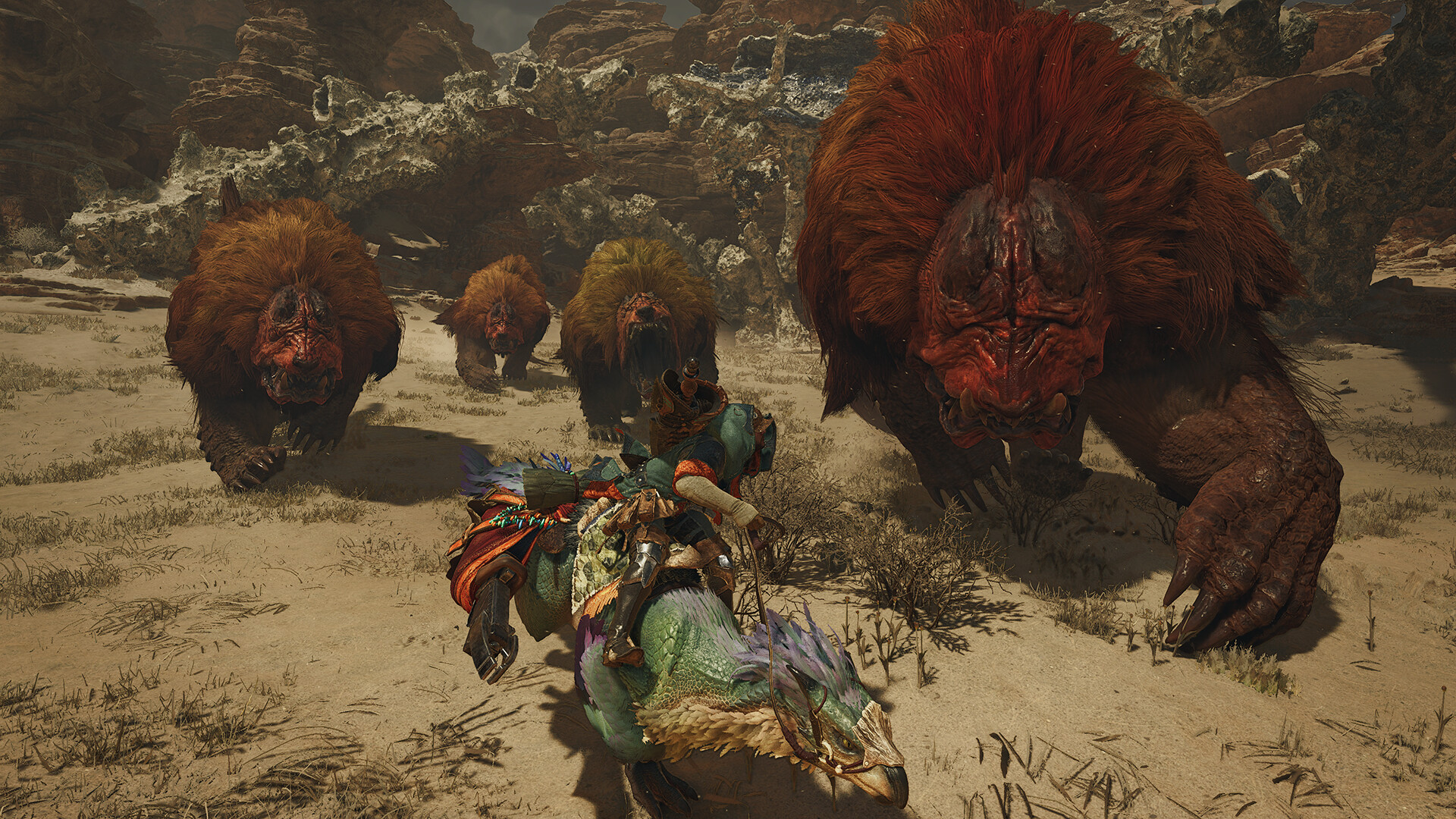
- Notice which monsters charge, which hop, which linger after big attacks, and which punish healing.
- Adjust your distance and approach based on the specific foe.
How to fight early monsters without getting bullied
Early monsters are less about “mastering the whole game” and more about recognizing the pattern that keeps repeating.
Read the fight in layers
- First layer: where is the monster facing?
- Second layer: what does it do after its big obvious move?
- Third layer: where can you safely stand after the move ends?
- Fourth layer: which body part stays open longest?
Use a simple combat rhythm
- Watch the monster’s animation.
- Move into a safe angle.
- Land one short punish.
- Reposition immediately.
- Heal only after creating space.
That rhythm works far better than trying to mash your way through everything. The game rewards patience and timing, not button spam with wishful thinking sprinkled on top.
When you are ready to move past beginner status
You are out of the beginner phase when you can consistently finish hunts without panic, resource waste, or constant carting.
Signs you have graduated
- You can identify when to heal without waiting until critical health.
- You know your weapon’s safest punish windows.
- You can read a monster’s most common attack patterns after a few sightings.
- You stop burning through supplies every hunt.
- You begin choosing hunts for materials instead of just “whatever is next.”
A practical threshold
If you can enter a hunt, keep your calm, and leave with the materials you wanted more often than not, you are no longer a true beginner. At that point, you should start thinking about:
- more specialized gear
- elemental or status options
- part-breaking goals
- hunt routing efficiency
That is when the game starts feeling less like survival practice and more like hunting with intent.
Best next steps after the basics
Once the opening systems click, your best next step is to build toward a consistent weapon path, a survivable armor setup, and a clear hunt plan.
Recommended next guides
- bow build for the best starter weapon tiers and who they fit
- related guide for beginner armor and skill priorities
- layered armor tips for a step-by-step story progression walkthrough
Quick beginner tips that save a lot of pain
A few small habits make the early game dramatically smoother.
- Restock between hunts even if you barely used items.
- Keep your camera under control; losing the monster is how mistakes snowball.
- If a hunt feels messy, slow down instead of forcing aggression.
- Learn one weapon well before trying to master everything at once.
- Use every hunt as pattern practice, not just a material run.
- Pay attention to how new monster hunter wilds monsters telegraph their biggest attacks.
FAQ
Should I pick the “best” weapon or the one that feels easiest?
Pick the weapon that feels easiest first, because comfort usually beats theoretical power for beginners.
Do I need to farm early monsters a lot?
Not right away. Farm enough to keep your gear improving, but do not trap yourself in endless grinding before you understand the hunt loop.
Is it okay to use healing items often?
Yes. Using healing items is part of learning. Surviving and completing hunts matters more than pretending you are immune to mistakes.
Should I rush the main story?
You should keep moving through the story, but not at the expense of learning the basics. A little extra practice now saves a lot of frustration later.
How do I know if a monster is too hard for me?
If you are getting carted repeatedly because you cannot read the fight yet, it is probably a sign to step back, improve your gear, and come back with better knowledge.
You might also like
- Monster Hunter Wilds Beginner Build Tier List
- Monster Hunter Wilds Charge Blade Build
- Monster Hunter Wilds Builds Tier List
- Monster Hunter Wilds Bow Build Tier List
- Monster Hunter Wilds on PS5: Performance, Release & Features
Sources
You might also like
- Monster Hunter Wilds Fucium Ore Beginner Guide
- Monster Hunter Wilds A Visitor from the West Beginner Guide
- Monster Hunter Wilds Beginner Guide: Smart Monster Hunter Wilds Beginner Tips
- Monster Hunter Wilds Anguish and Atrocity 4/3 4/8 Beginner Guide
- Monster Hunter Wilds Careening Out of Control 4/22 5/6 Beginner Guide
See also
- Monster Hunter Wilds Best Builds Guide
- Monster Hunter Wilds Gameplay Walkthrough
- Monster Hunter Wilds Beginner Guide: Getting Started, Basics, and Early Progression
- Monster Hunter Wilds Venom Build Guide
- Monster Hunter Wilds Character Creation Codes Beginner Guide
- Monster Hunter Wilds DLC & Expansions: Release Dates & Content
- Monster Hunter Wilds Best Greatsword Build
- Monster Hunter Wilds Builds Dual Blades
- Monster Hunter Wilds DLC & Expansions: Release Dates & Content
- Monster Hunter Wilds Weapons Beginner Guide
- Monster Hunter Wilds Best Katana Build Guide
- Monster Hunter Wilds Bow Build Guide
- Monster Hunter Wilds Build Guide: [Can You Build in Monster Hunter Wilds](/guides/can-you-build-in-monster-hunter-wilds)?
- Best [Monster Hunter Wilds Mods](/guides/monster-hunter-wilds-mods) 2026: How to Install
- Monster Hunter Wilds Beginner Guide: Weapons, Start-Up Tips, and Early Progression
See also
- Monster Hunter Wilds Weapon Tier List
- Monster Hunter Wilds Soul of the Dark Knight Beginner Guide
- Monster Hunter Wilds Alma Beginner Guide
- Monster Hunter Wilds Smithy's Seal of Quality Beginner Guide
- Monster Hunter Wilds Beginner Guide: Getting Started Fast
- Monster Hunter Wilds Fishing: Life in Microcosm Beginner Guide
- Monster Hunter Wilds Gogmazios Beginner Guide
- Monster Hunter Wilds All Trophies and Achievements Beginner Guide
- Monster Hunter Wilds Omega Beginner Guide
- Monster Hunter Wilds Azuz Tanned Leather Beginner Guide
- Monster Hunter Wilds An Inferno Laid Bare 7/8 7/22 Beginner Guide
- Monster Hunter Wilds Character Creation Beginner Guide
- Monster Hunter Wilds Beginner Armor Guide
- Monster Hunter Wilds Beginner Guide
- Monster Hunter Wilds Beginner Guide: Getting Started Fast
Screenshots

Reviewed by
MH Wilds Guides Editorial
Expertise: Editorial team behind MH Wilds Guides. Content is compiled from official patch notes, community wikis, and playthrough notes, then reviewed and updated on schedule.
Sources
Monster Hunter Wilds Monsters Guides →
Browse the complete monsters collection and its focused guides.
Related Guides

🔥 Popular Guides
monster hunter wilds best hammer build
Best Hammer build guide for MH Wilds with gear, skills, progression, counters, and endgame options.
monster hunter wilds best hbg build
Best Heavy Bowgun build guide for MH Wilds with gear, priorities, counters, and budget-to-endgame advice.
monster hunter wilds weapons difficulty tier list
Best Monster Hunter Wilds weapons ranked by difficulty, comfort, and current meta strength with S/A/B tiers, tips, mistakes, and patch notes.
monster hunter wilds tips and tricks for beginners: A Beginner Guide
Beginner-friendly Monster Hunter Wilds guide with first-hour steps, resource priorities, common mistakes, pro tips, and progression advice.
📋 Patch Notes & Updates
🛠️ Popular Tools
Frequently Asked Questions
Quick answers from the guide · click a question to expand.
Should I pick the “best” weapon or the one that feels easiest?
Pick the weapon that feels easiest first, because comfort usually beats theoretical power for beginners.
Do I need to farm early monsters a lot?
Not right away. Farm enough to keep your gear improving, but do not trap yourself in endless grinding before you understand the hunt loop.
Is it okay to use healing items often?
Yes. Using healing items is part of learning. Surviving and completing hunts matters more than pretending you are immune to mistakes.
Should I rush the main story?
You should keep moving through the story, but not at the expense of learning the basics. A little extra practice now saves a lot of frustration later.
How do I know if a monster is too hard for me?
If you are getting carted repeatedly because you cannot read the fight yet, it is probably a sign to step back, improve your gear, and come back with better knowledge.
Was this guide helpful?
Rate this guide so we can improve it.
Share your own tip
Found something not in the guide? Submit it below — our editors review every tip before publishing. No account required.