 Monster Hunter Wilds
Monster Hunter Wilds Beginner Guide

Quick Answer: Monster Hunter Wilds release date was February 28, 2025, and the best way to start is to learn your weapon, follow the early story hunt flow, hoard upgrade materials, and avoid overcommitting to low-rank gear.
What to do in your first hour
Your first hour should focus on controls, your weapon’s core loop, and unlocking the systems you will use for the rest of the game.
1) Finish the opening tutorial flow
- Follow the main quest until the game opens up your base systems.
- Read every on-screen prompt for movement, item use, and weapon actions.
- Test weapon attacks on small monsters or training targets before trying to “play efficiently.”
2) Lock in one weapon
- Pick a single weapon type and keep using it long enough to understand its spacing, dodge timing, and openings.
- Do not swap weapons every quest just because a new craft looks appealing.
- If you want a second option later, wait until you have basic materials and a comfort pick first.
3) Build the habit loop
- Gather herbs, ores, bones, bugs, and other common materials whenever you pass them.
- Capture environmental pickups instead of sprinting past them.
- Start every hunt with the expectation that preparation matters as much as execution.
4) Learn monster tells
- Watch for windups, audio cues, and movement shifts before big attacks.
- Practice sheathing, repositioning, and healing instead of panic-rolling.
- Use early hunts to learn recovery windows rather than chasing damage numbers.
5) Upgrade before you hit a wall
- Return to base after a few hunts to check smithing, item crafting, and quest progress.
- Improve your armor and weapon if the game starts taking noticeably longer to clear.
- Treat the first hour as onboarding, not a grind session.
Resource priority order
Your early resources should go into survivability, core weapon upgrades, and basic crafting, not luxury items or side projects.
Spend first
- Healing and survivability items
Keep your stock of healing items healthy so failed hunts do not snowball into wasted time. - Weapon upgrades for your main pick
Your primary weapon should get the first major material investment. - Armor pieces with immediate defense value
Early defense gains are usually more valuable than chasing perfect skill synergy. - Basic trap and support items, if your weapon or hunt style uses them
These can improve consistency, especially in hunts where positioning is still shaky.
Hoard first
- Rare monster materials until you know which line of gear you actually want.
- Eventual upgrade components that are clearly marked as limited or specialty items.
- Unique drops that appear to be used across multiple crafting trees.
- Anything the game hints might be useful for later rank progression.
Craft sparingly
- Do not mass-craft consumables you rarely use.
- Avoid building multiple armor sets too early.
- Skip “just in case” side weapons until your main loadout is stable.
- Hold back on cosmetic or convenience spending if it competes with progression essentials.
| Priority | What it means | Why it matters early |
|---|---|---|
| High | Healing, weapon upgrades, core armor | Keeps hunts consistent and reduces failed runs |
| Medium | Traps, support items, situational crafts | Helps once fundamentals are comfortable |
| Low | Extra weapons, niche sets, cosmetic spending | Delays your main progression without immediate payoff |
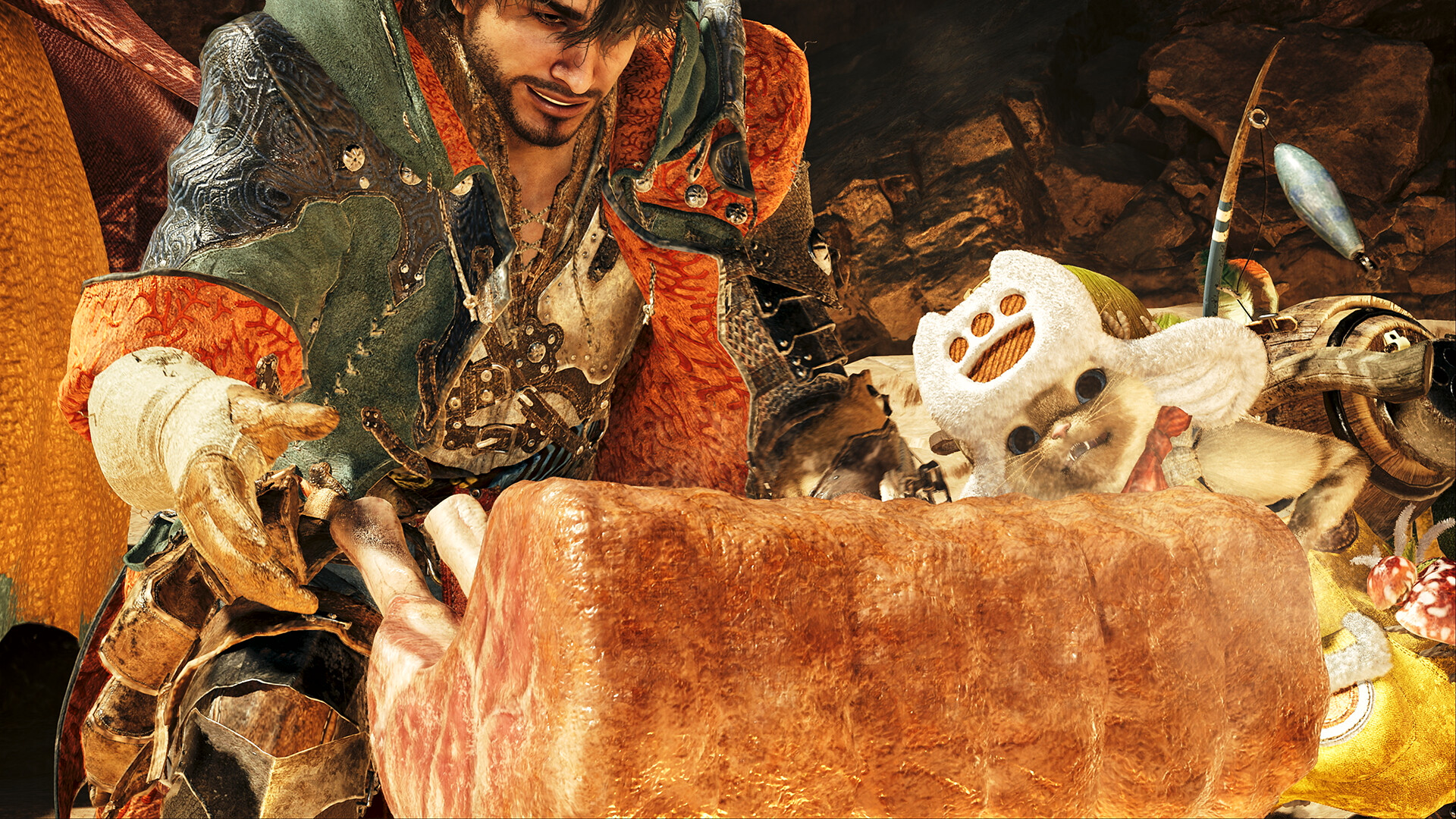
Common beginner mistakes and how to fix them
Most new players struggle because they rush damage, ignore preparation, or spread materials too thin.
Mistake 1: Trying to master every weapon at once
- Problem: You never learn spacing, stamina rhythm, or your weapon’s punish windows.
- Fix: Commit to one weapon for several hunts and only add a second after you understand your first main.
Mistake 2: Spending rare materials too early
- Problem: You craft gear that gets replaced quickly and then lack resources for a better upgrade path.
- Fix: Save rare drops until you know which weapon tree or armor lane you want to keep using.
Mistake 3: Healing too late
- Problem: You wait until you are nearly dead, then get clipped during the heal animation.
- Fix: Heal earlier, especially after getting comboed or when the monster disengages.
Mistake 4: Chasing the monster instead of the opening
- Problem: You waste stamina and get hit while trying to force damage into unsafe windows.
- Fix: Learn to wait for a recovery animation, then punish once, reposition, and reset.
Mistake 5: Ignoring armor upgrades
- Problem: A few extra defenses can make early hunts far more forgiving, but unupgraded armor leaves you one mistake from carting.
- Fix: Upgrade your armor whenever your current set starts feeling too fragile for the content you are clearing.
Mistake 6: Overfilling your inventory with junk
- Problem: Your item bag becomes cluttered and you stop carrying the things that matter.
- Fix: Keep a lean loadout built around healing, utility, and your weapon’s real needs.
When you are out of the beginner phase
You are out of the beginner phase when you can clear hunts without relying on panic healing, understand your weapon’s punish windows, and upgrade gear with intent rather than guessing.
Practical graduation checklist
- You know your main weapon’s basic combo loop and can land it under pressure.
- You can read at least the most common monster attack patterns without constantly getting surprised.
- You upgrade gear based on a plan, not just the highest visible number.
- You keep your item pouch stocked without overpacking.
- You can survive a hunt even after one or two mistakes.
What changes after that
- You begin optimizing for efficiency instead of simple survival.
- You start paying attention to armor skills, matchup comfort, and hunt-specific prep.
- You can branch into secondary weapons or specialized builds with much less risk.
- You are ready to follow a structured build guide or a more advanced tier guide.
How Monster Hunter Wilds release date affects new players
The monster hunter wilds release date matters because the game is already past launch, which means early confusion is less about “when does it come out” and more about how to catch up efficiently.
Monster Hunter Wilds is a 2025 action role-playing game developed and published by Capcom, and it released worldwide on February 28, 2025 for PlayStation 5, Windows, and Xbox Series X/S with cross-platform play support Source. The Steam store also describes its world as one where nature runs “wild and relentless,” with environments transforming drastically from one moment to the next Source.
For beginners, that means the game’s core learning curve is not about discovering whether the game is alive or supported; it is about adapting to a system-heavy action RPG where preparation, positioning, and repetition matter more than rushing the first clear.
What to do next
Your next step is to move from survival learning into structured progression with a clear weapon choice and a simple upgrade plan.
- Start with a monster hunter wilds beginner bow build for beginner weapon picks if you have not settled on a main.
- Move into a related guide for early armor and build basics once you know your preferred playstyle.
- Follow a get hunter symbol for story progression and hunt unlocking if you want a clean route through the early game.
You might also like
- Monster Hunter Wilds Beginner Build Tier List
- Monster Hunter Wilds Charge Blade Build
- Monster Hunter Wilds Builds Tier List
- Monster Hunter Wilds Bow Build Tier List
- Monster Hunter Wilds Best Builds Guide
Sources
You might also like
- Monster Hunter Wilds A Visitor from the West Beginner Guide
- Monster Hunter Wilds Beginner Guide: Smart Monster Hunter Wilds Beginner Tips
- Monster Hunter Wilds Anguish and Atrocity 4/3 4/8 Beginner Guide
- Monster Hunter Wilds Careening Out of Control 4/22 5/6 Beginner Guide
- Monster Hunter Wilds Beginner Guide: Monsters, Early Progression, and Smart Starter Habits
See also
- Monster Hunter Wilds Gameplay Walkthrough
- Monster Hunter Wilds Beginner Guide: Getting Started, Basics, and Early Progression
- Monster Hunter Wilds Venom Build Guide
- Monster Hunter Wilds Character Creation Codes Beginner Guide
- Monster Hunter Wilds DLC & Expansions: Release Dates & Content
- Monster Hunter Wilds Best Greatsword Build
- Monster Hunter Wilds Builds Dual Blades
- Monster Hunter Wilds DLC & Expansions: Release Dates & Content
- Monster Hunter Wilds Weapons Beginner Guide
- Monster Hunter Wilds Best Katana Build Guide
- Monster Hunter Wilds Bow Build Guide
- Monster Hunter Wilds Build Guide: [Can You Build in Monster Hunter Wilds](/guides/can-you-build-in-monster-hunter-wilds)?
- Best [Monster Hunter Wilds Mods](/guides/monster-hunter-wilds-mods) 2026: How to Install
- Monster Hunter Wilds Beginner Guide: Weapons, Start-Up Tips, and Early Progression
- Monster Hunter Wilds Fucium Ore Beginner Guide
See also
- Monster Hunter Wilds Weapon Tier List
- Monster Hunter Wilds Soul of the Dark Knight Beginner Guide
- Monster Hunter Wilds Alma Beginner Guide
- Monster Hunter Wilds Smithy's Seal of Quality Beginner Guide
- Monster Hunter Wilds Beginner Guide: Getting Started Fast
- Monster Hunter Wilds Fishing: Life in Microcosm Beginner Guide
- Monster Hunter Wilds Gogmazios Beginner Guide
- Monster Hunter Wilds Layered Armor Beginner Guide
- Monster Hunter Wilds All Trophies and Achievements Beginner Guide
- Monster Hunter Wilds Omega Beginner Guide
- Monster Hunter Wilds Azuz Tanned Leather Beginner Guide
- Monster Hunter Wilds An Inferno Laid Bare 7/8 7/22 Beginner Guide
- Monster Hunter Wilds Character Creation Beginner Guide
- Monster Hunter Wilds Beginner Armor Guide
- Monster Hunter Wilds Beginner Guide
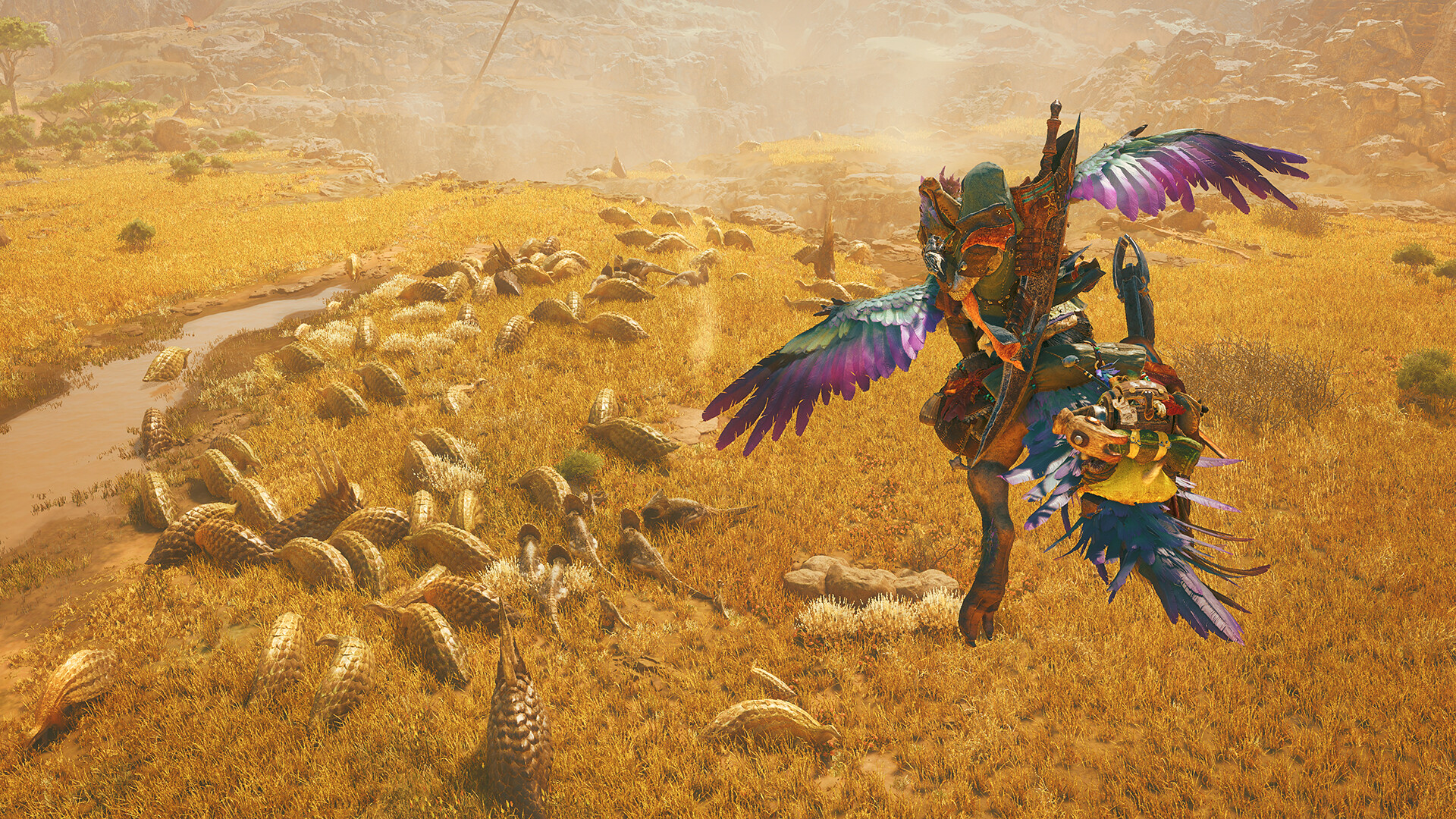
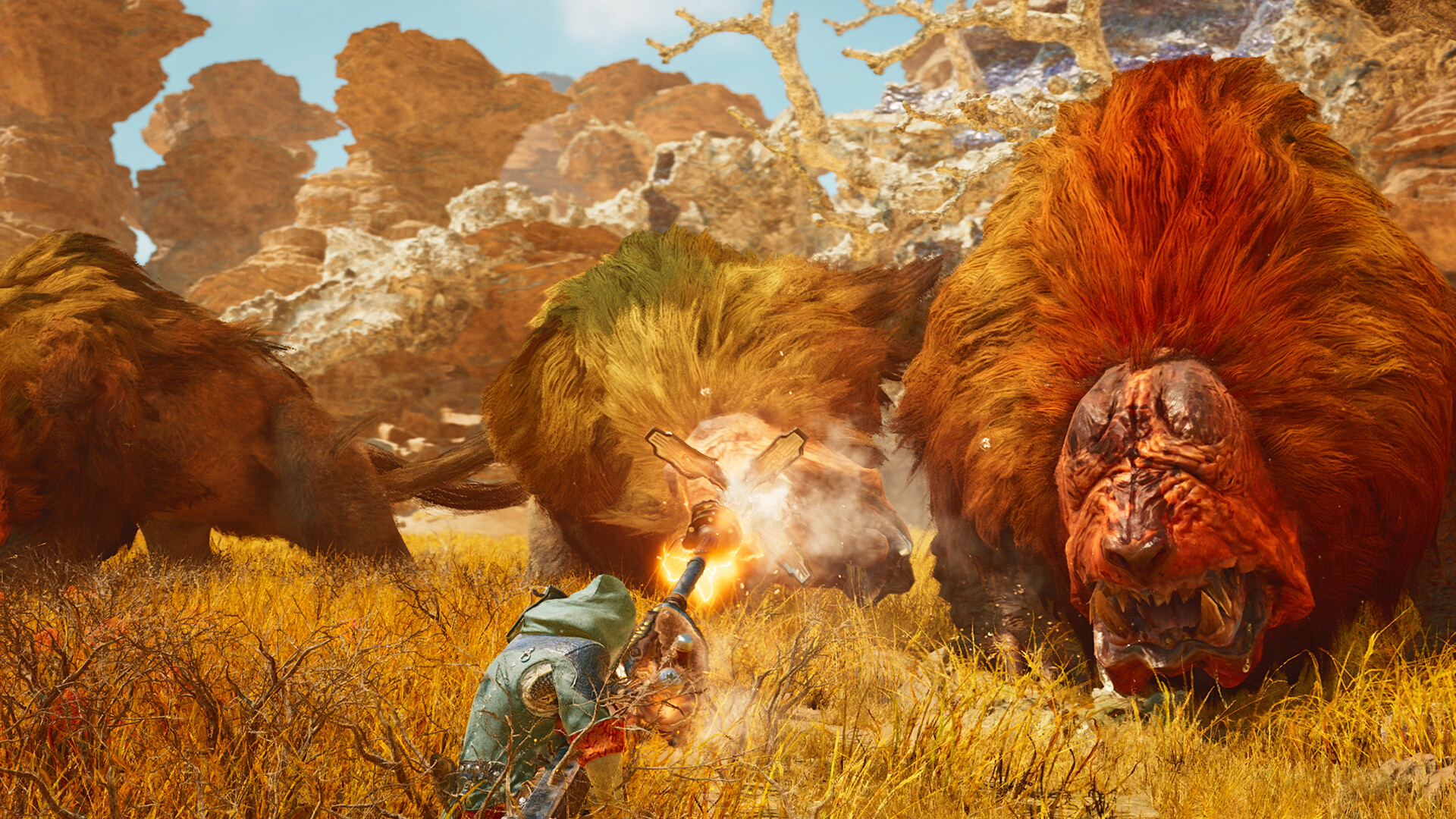
Screenshots

Reviewed by
MH Wilds Guides Editorial
Expertise: Editorial team behind MH Wilds Guides. Content is compiled from official patch notes, community wikis, and playthrough notes, then reviewed and updated on schedule.
Sources
Monster Hunter Wilds Monsters Guides →
Browse the complete monsters collection and its focused guides.
Related Guides

🔥 Popular Guides
monster hunter wilds best hammer build
Best Hammer build guide for MH Wilds with gear, skills, progression, counters, and endgame options.
monster hunter wilds best hbg build
Best Heavy Bowgun build guide for MH Wilds with gear, priorities, counters, and budget-to-endgame advice.
monster hunter wilds weapons difficulty tier list
Best Monster Hunter Wilds weapons ranked by difficulty, comfort, and current meta strength with S/A/B tiers, tips, mistakes, and patch notes.
monster hunter wilds tips and tricks for beginners: A Beginner Guide
Beginner-friendly Monster Hunter Wilds guide with first-hour steps, resource priorities, common mistakes, pro tips, and progression advice.
📋 Patch Notes & Updates
🛠️ Popular Tools
Was this guide helpful?
Rate this guide so we can improve it.
Share your own tip
Found something not in the guide? Submit it below — our editors review every tip before publishing. No account required.